September 10, 2025 –Wednesday
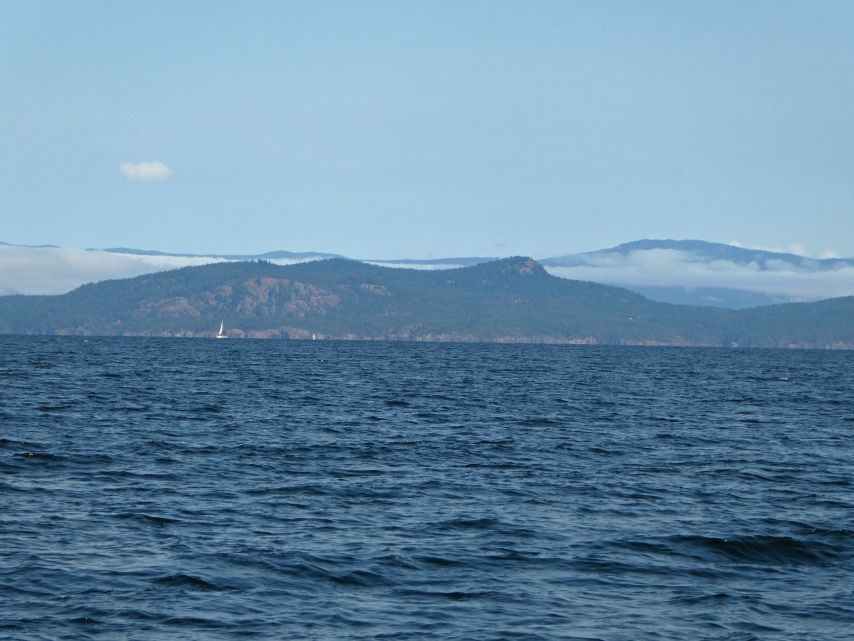
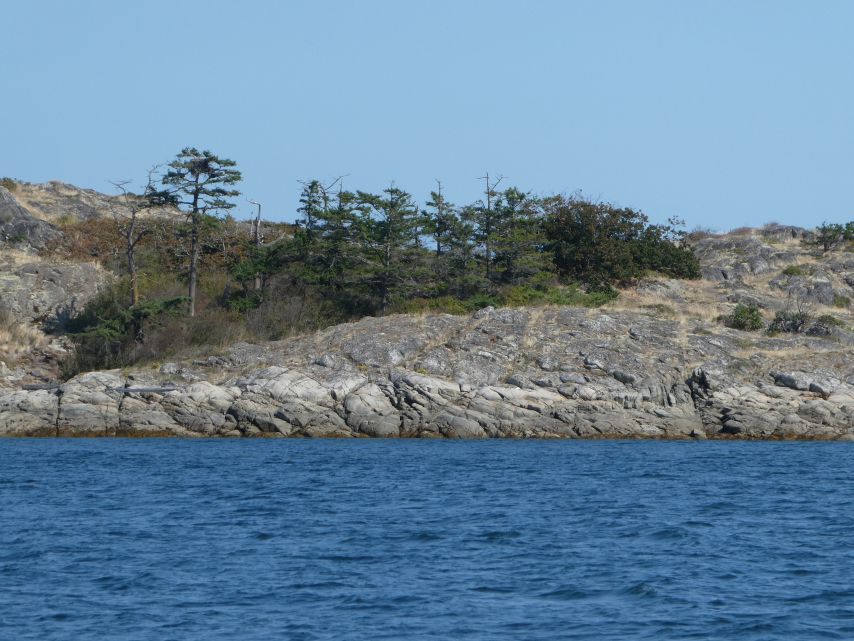
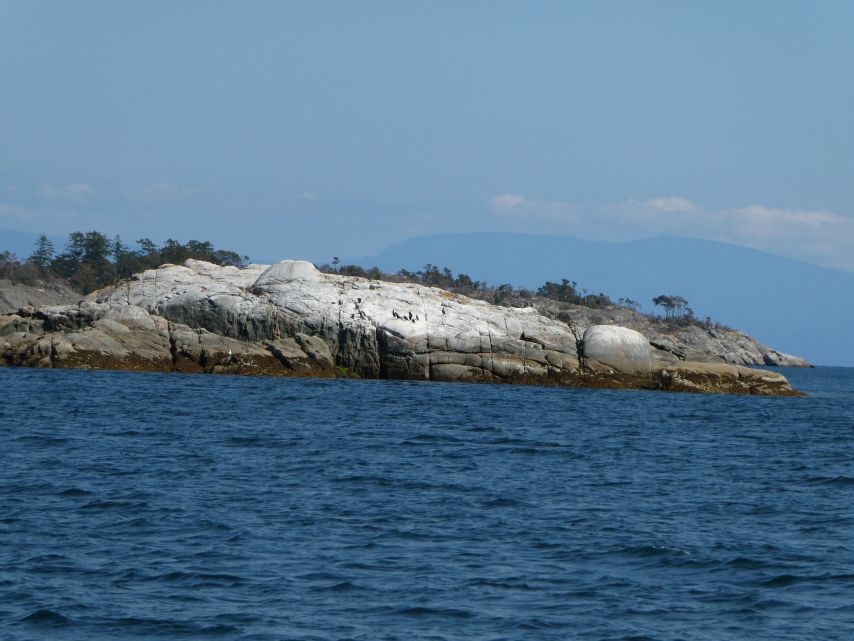
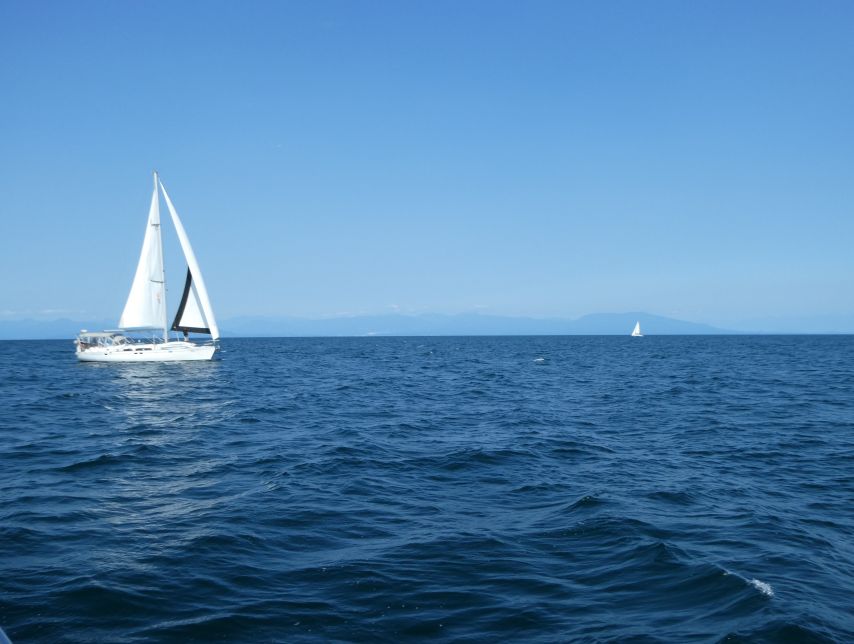
Our day on the water unfolded like a dream. We set out early under a calm sky and a light breeze, the glassy sea mirroring pine-clad bluffs and rocky shores. But the real magic lay in the horizon: five separate humpback whale encounters, each pod ranging from two to six gentle giants. Though they cruised a mile or two away, their misty spouts punctuated the blue expanse, and with binoculars in hand we followed each graceful arch of back and tail. As if on cue, two sleek Minke whales slipped past the boat, closer this time, their quick dives and streamlined forms impossible to miss.
It turns out that this abundance is no fluke. Over the past twenty years, humpback populations in the Pacific Northwest have rebounded from barely 500 individuals to upwards of 5,000, with annual growth rates near 8% thanks to protections under the Endangered Species Act and cleaner coastal waters. These leviathans now undertake epic migrations spanning thousands of miles, fueling their journeys on krill and small fish while performing signature surface displays. In contrast, Minke whales—smaller baleen whales topping out around 33 feet—are famously solitary and swift, constantly shifting direction in pursuit of prey, which makes every close-range sighting all the more thrilling.
https://environmentamerica.org
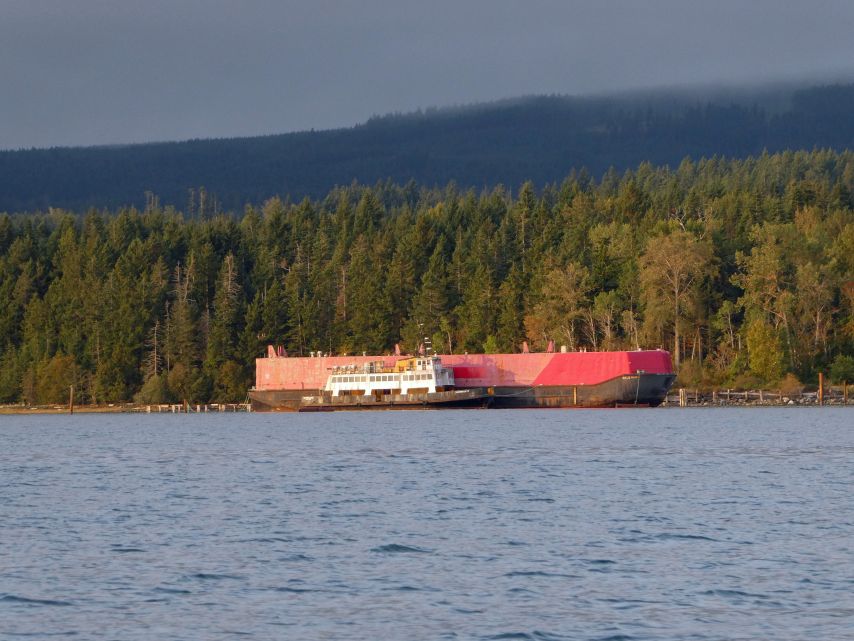
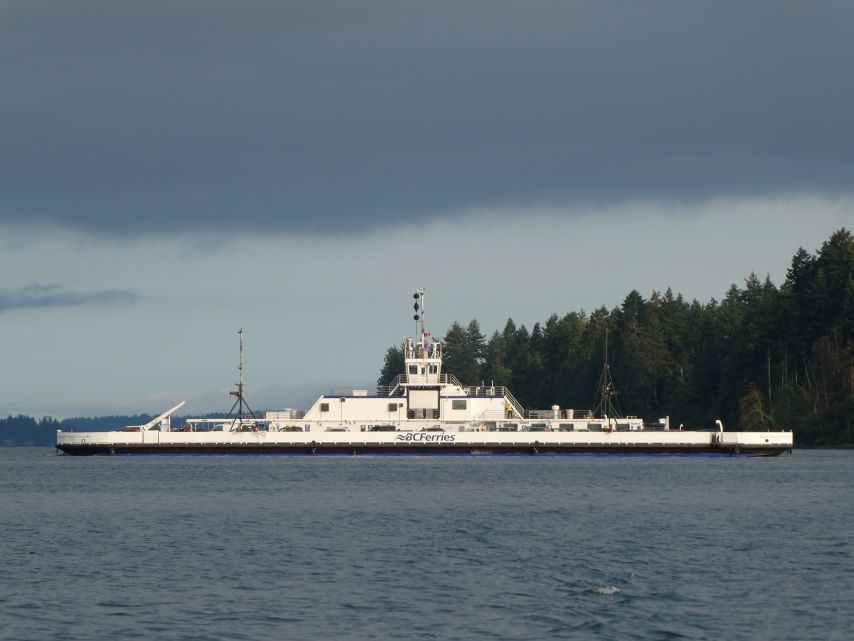
BC only Cable Ferry