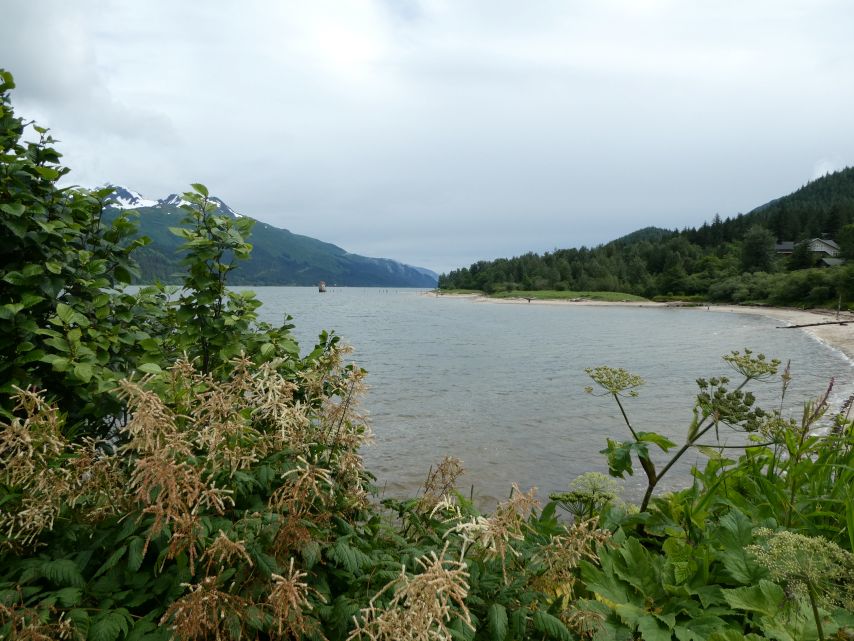
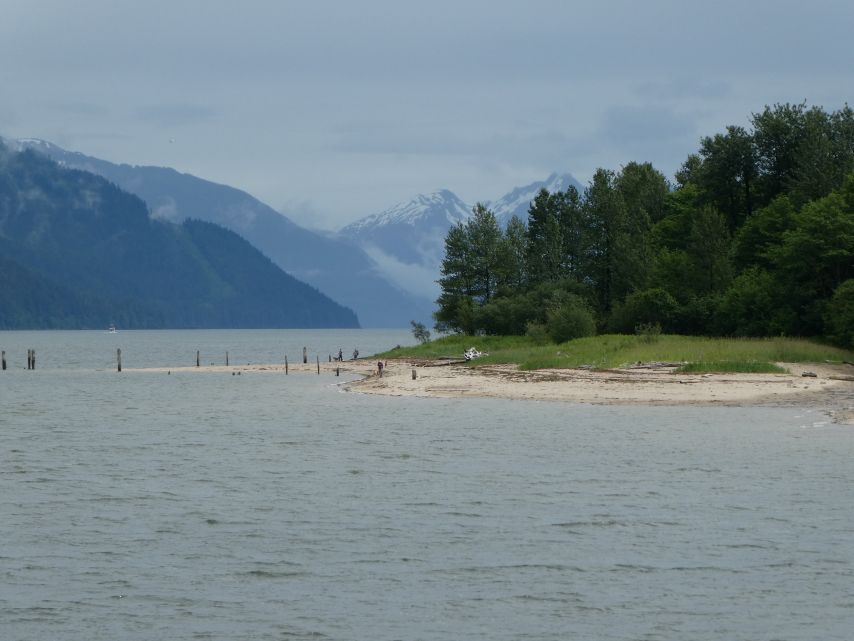
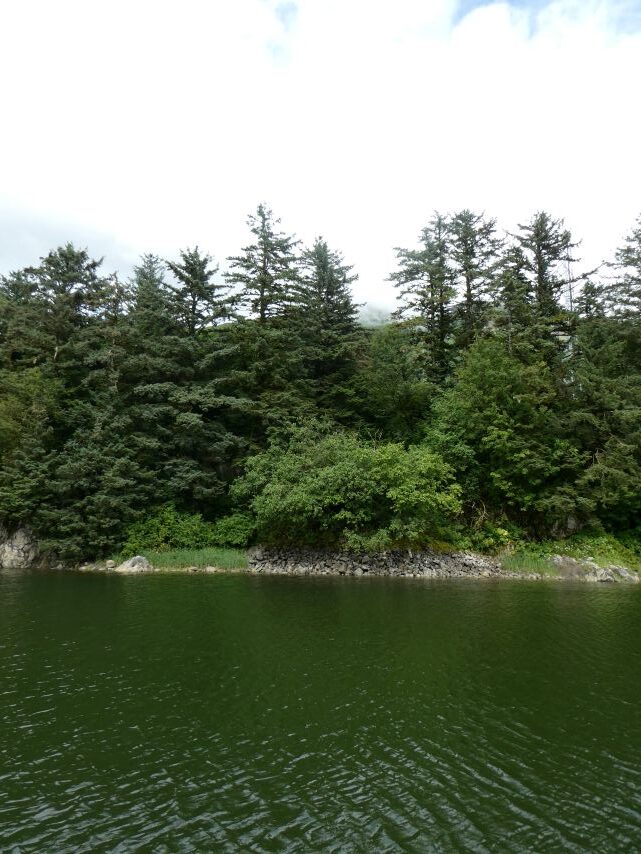
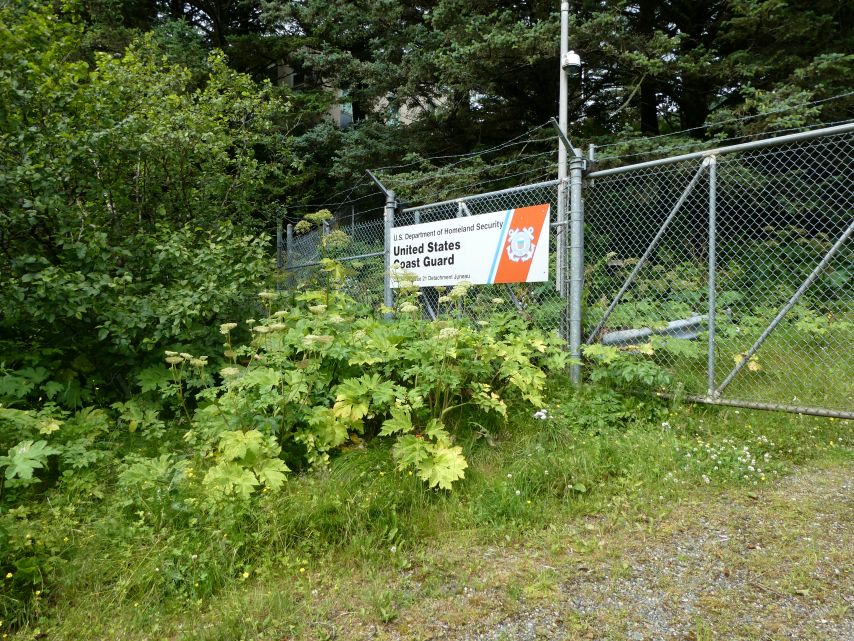
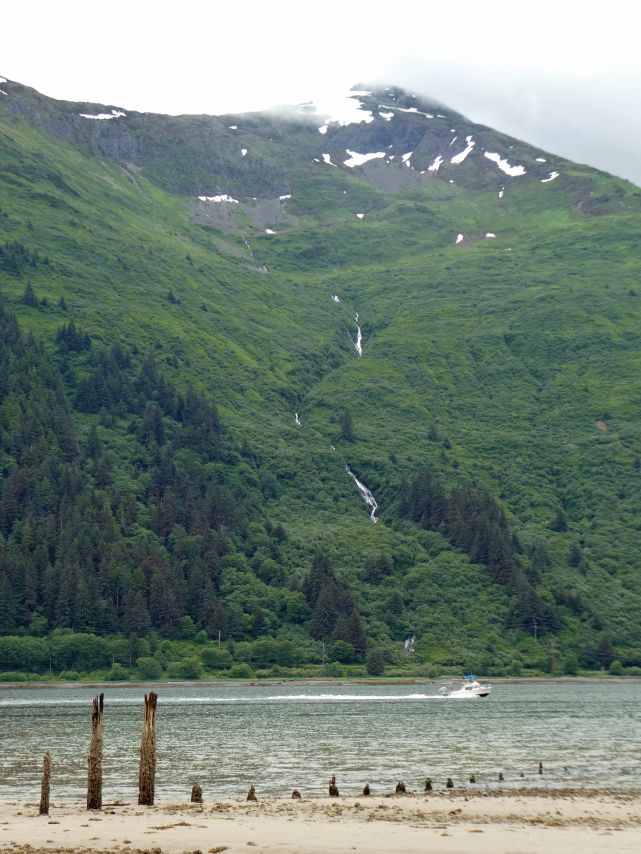
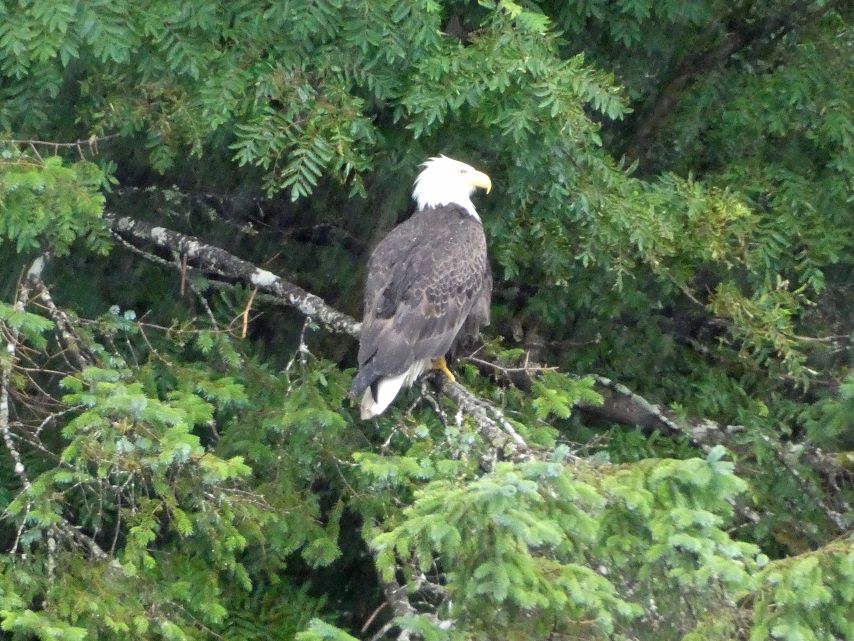
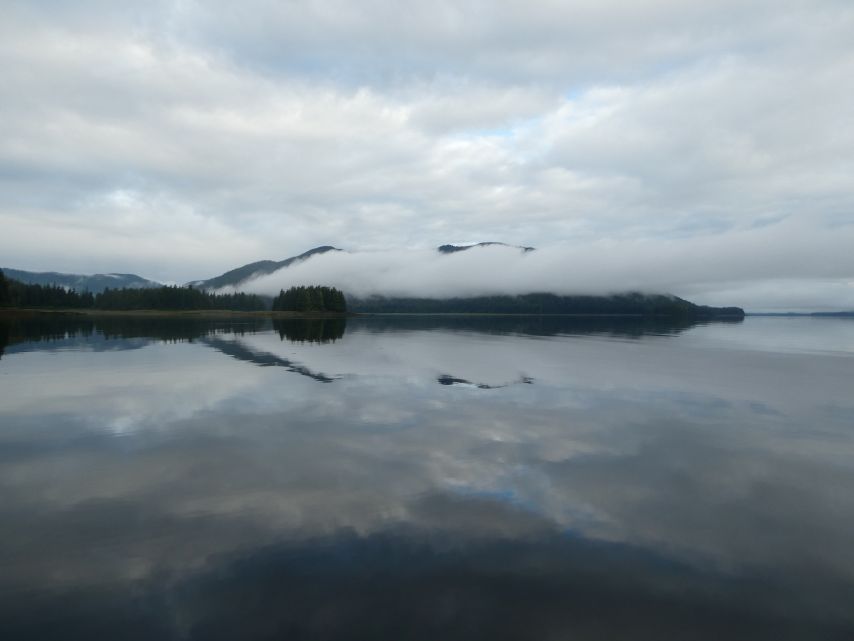
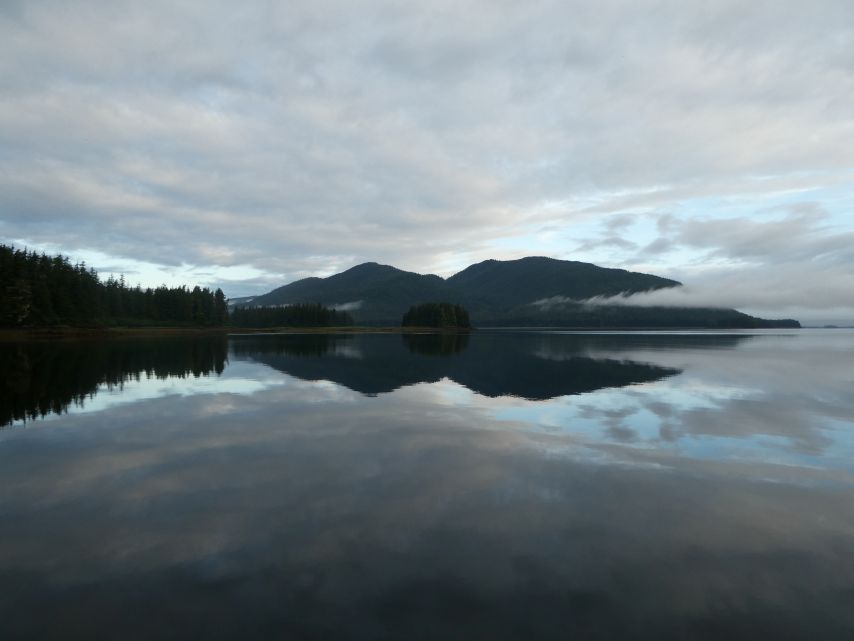
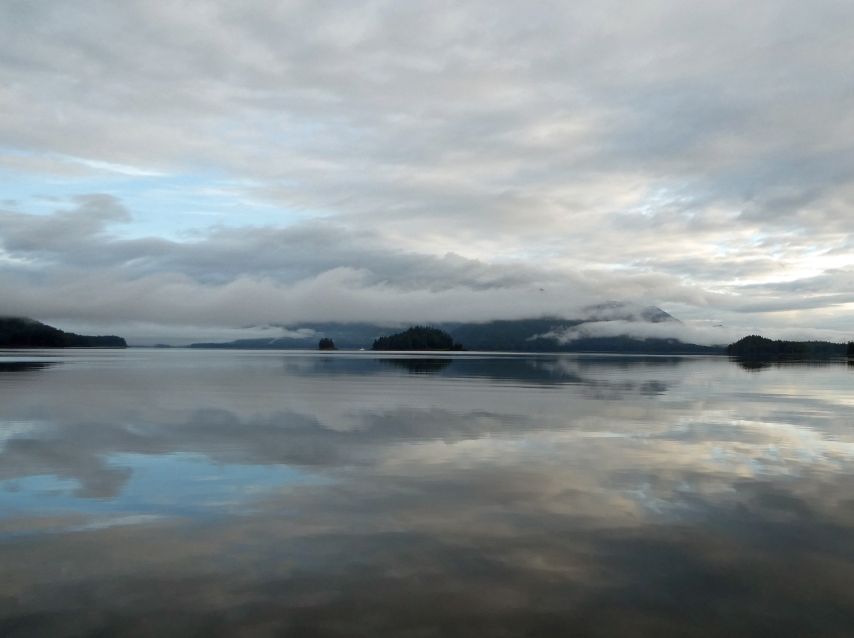
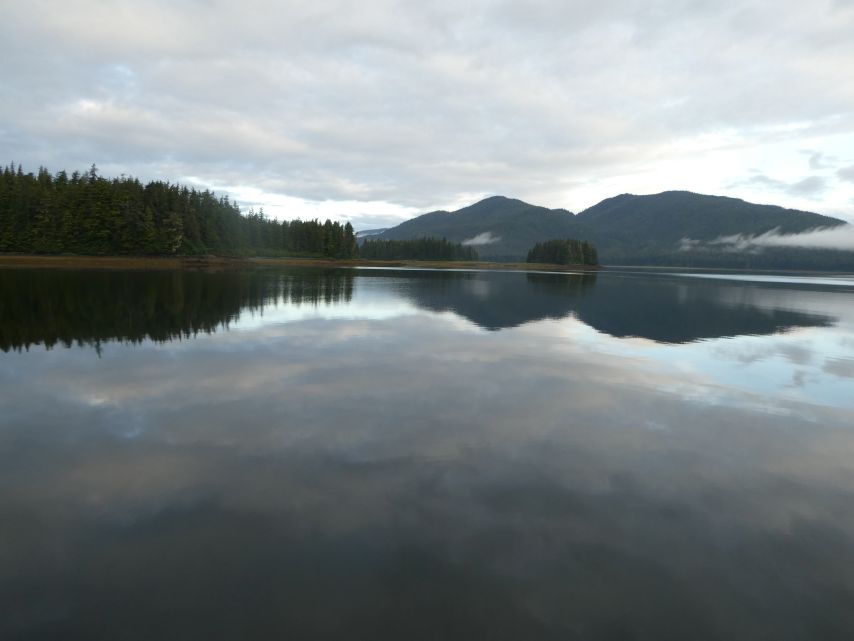
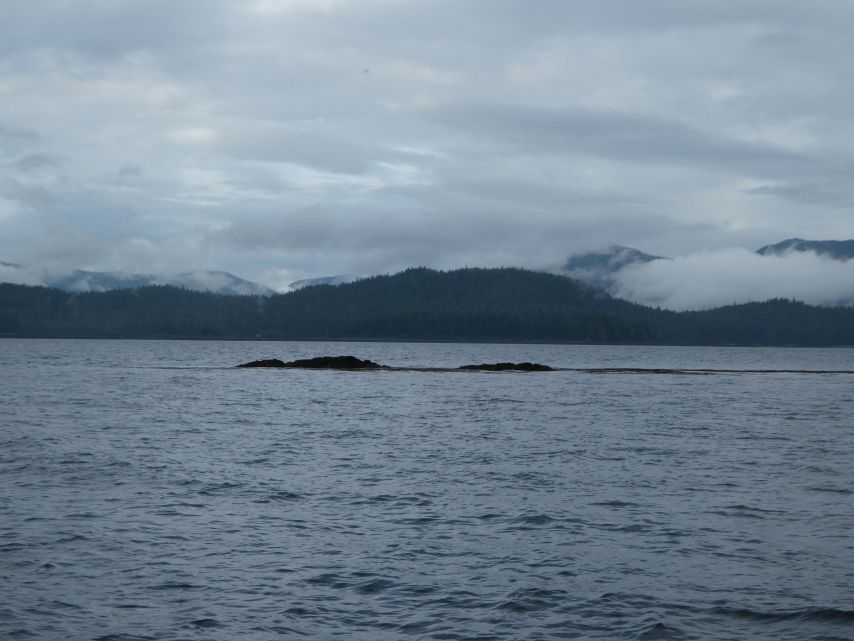
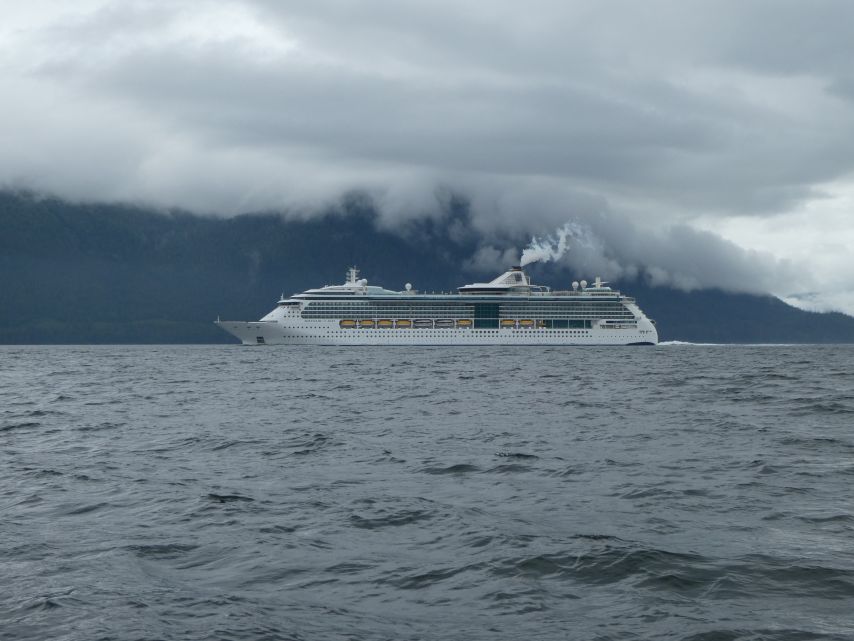
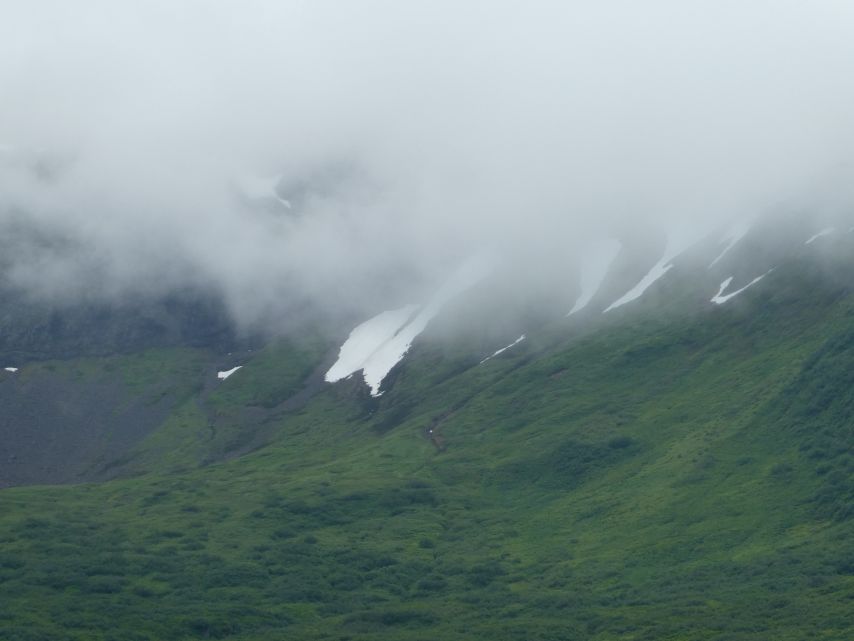
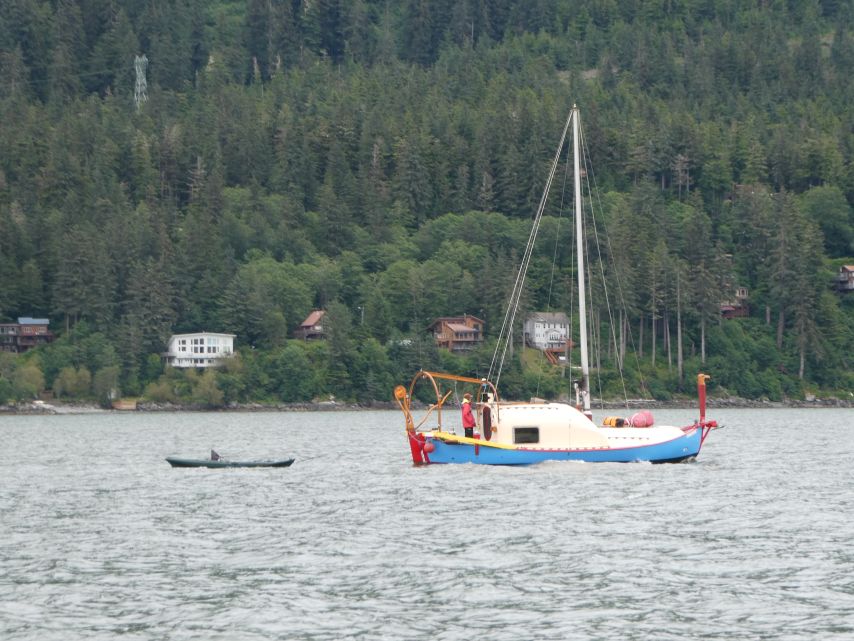
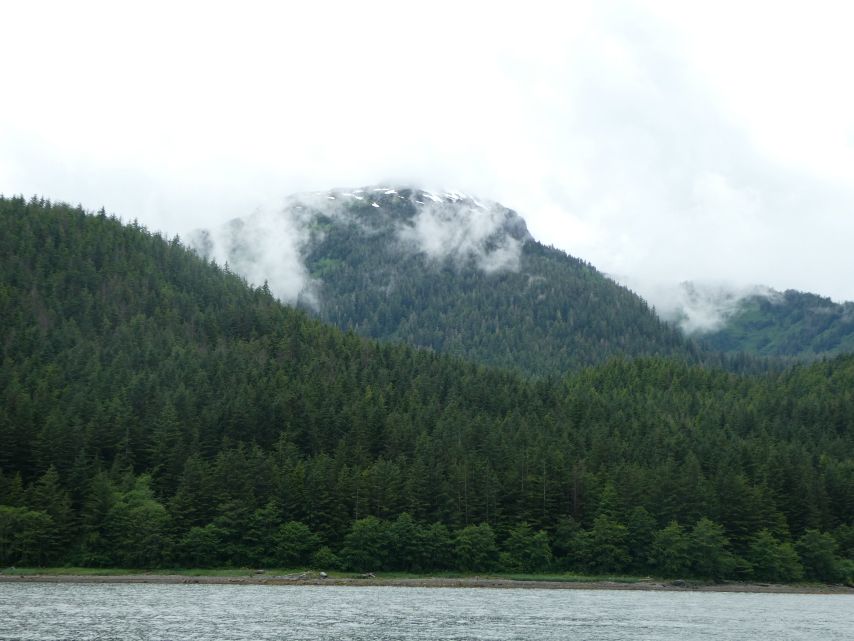
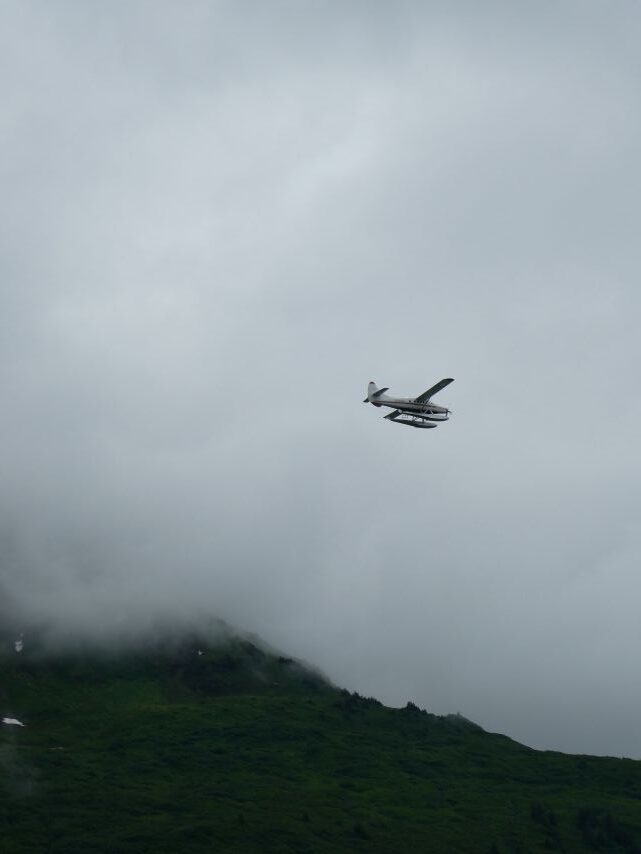
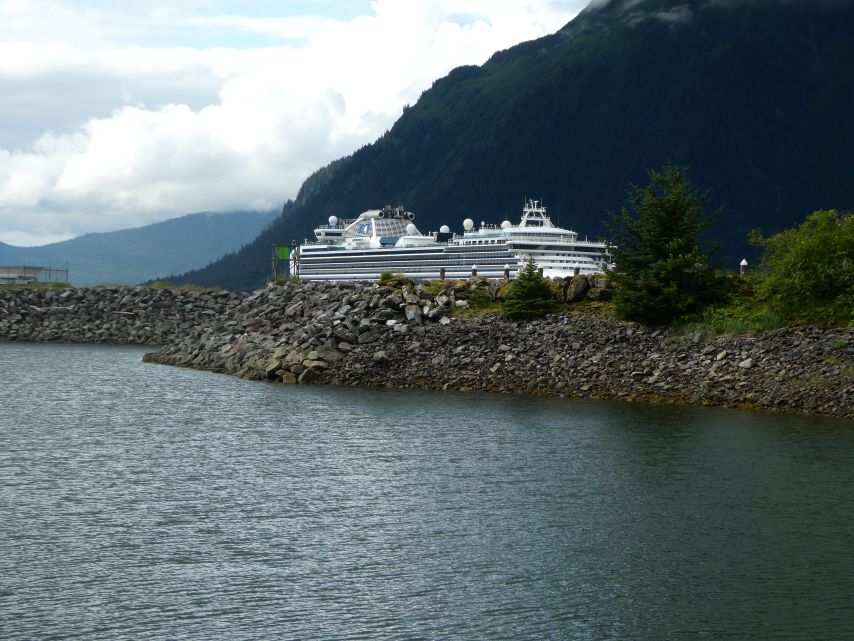
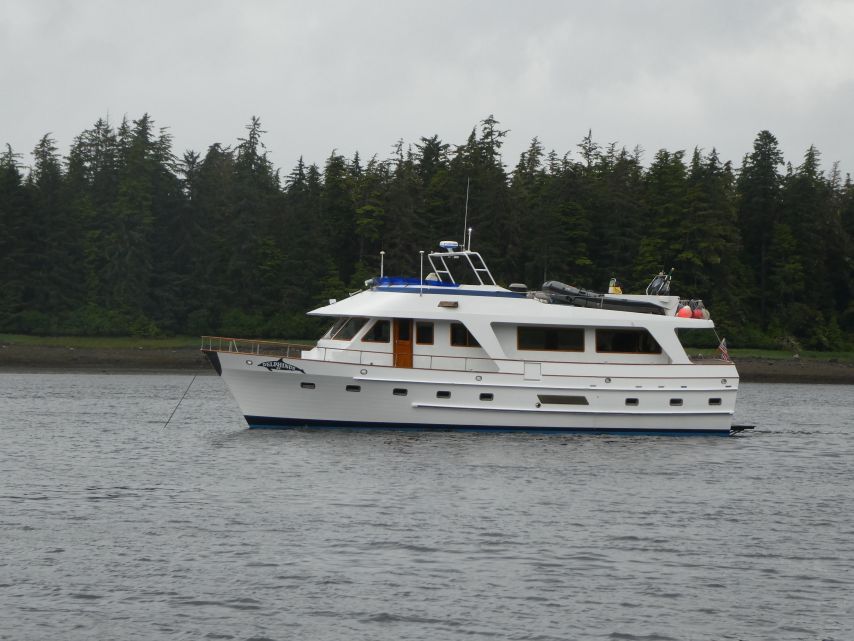
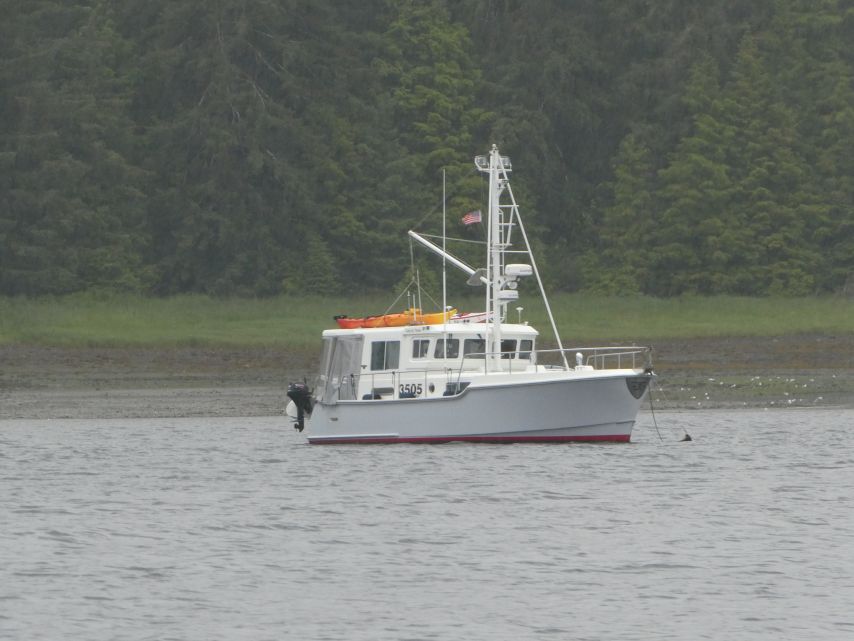
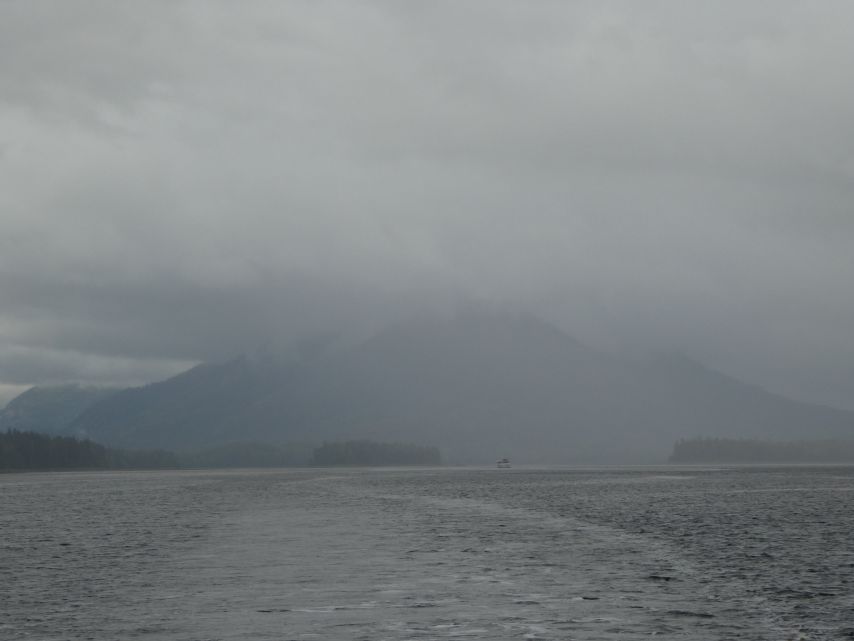
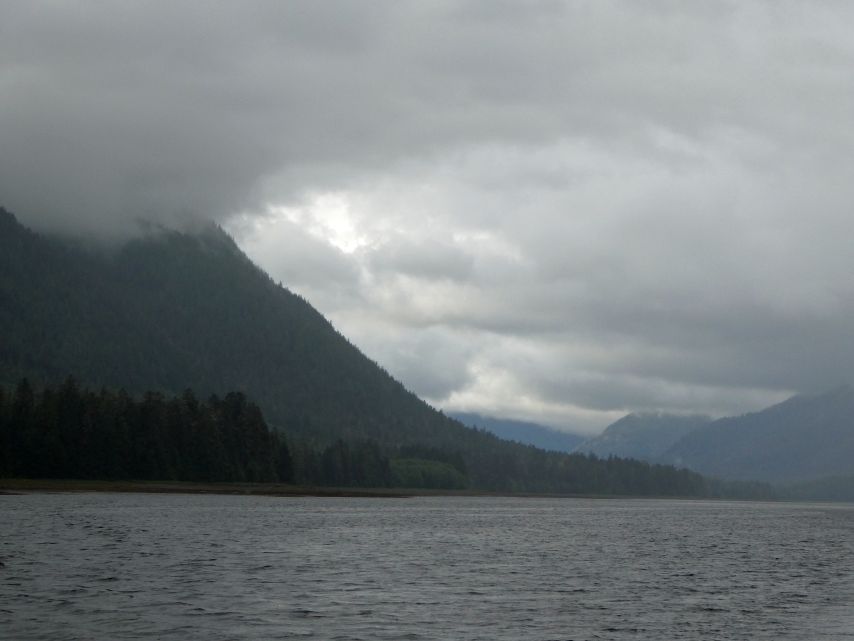
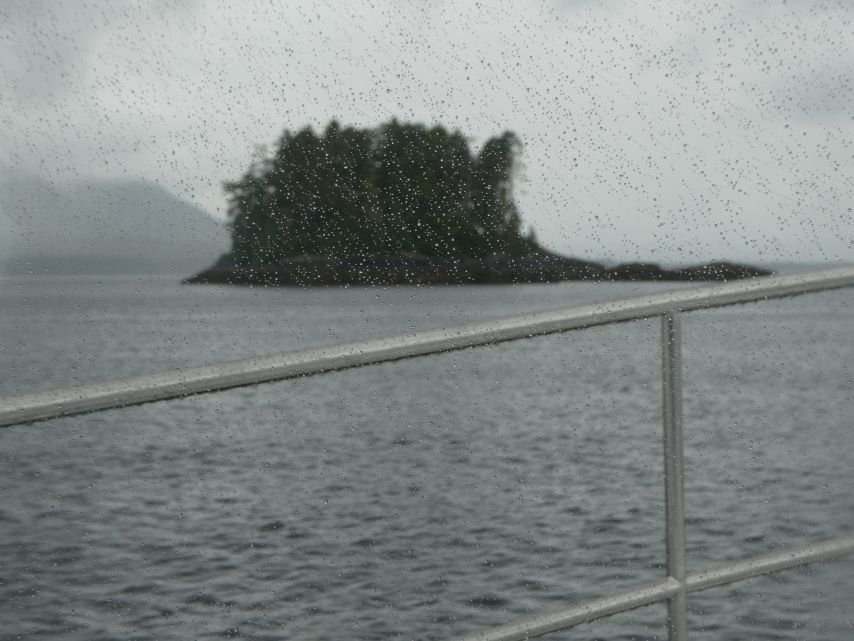
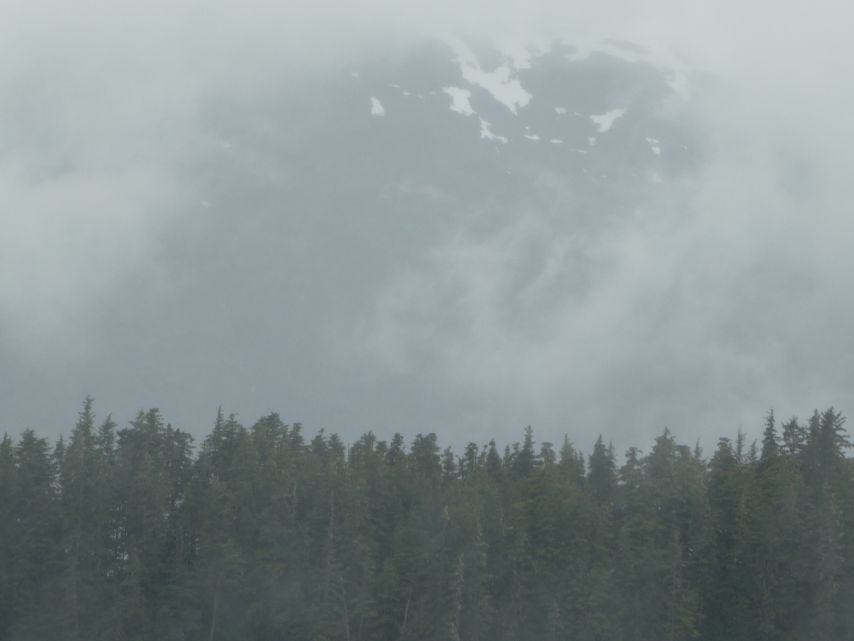
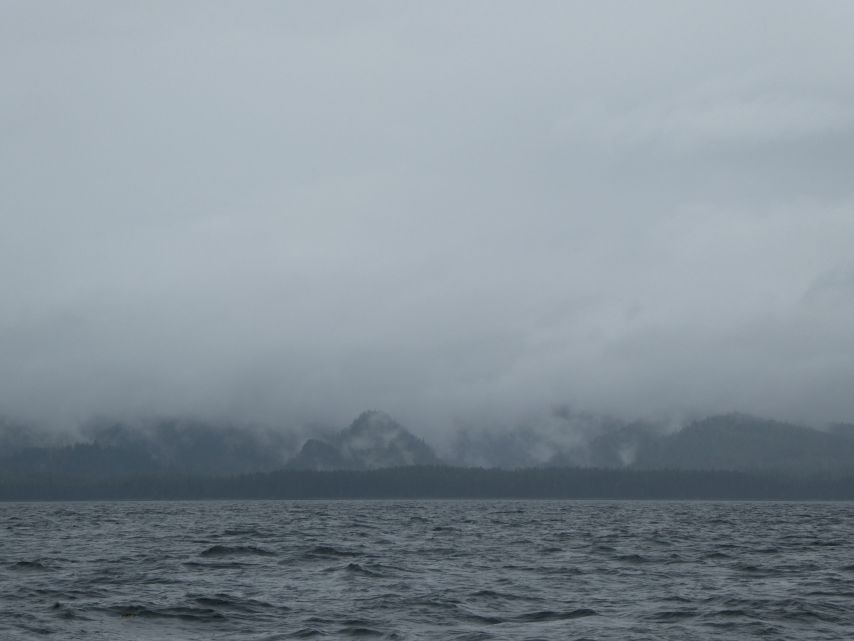
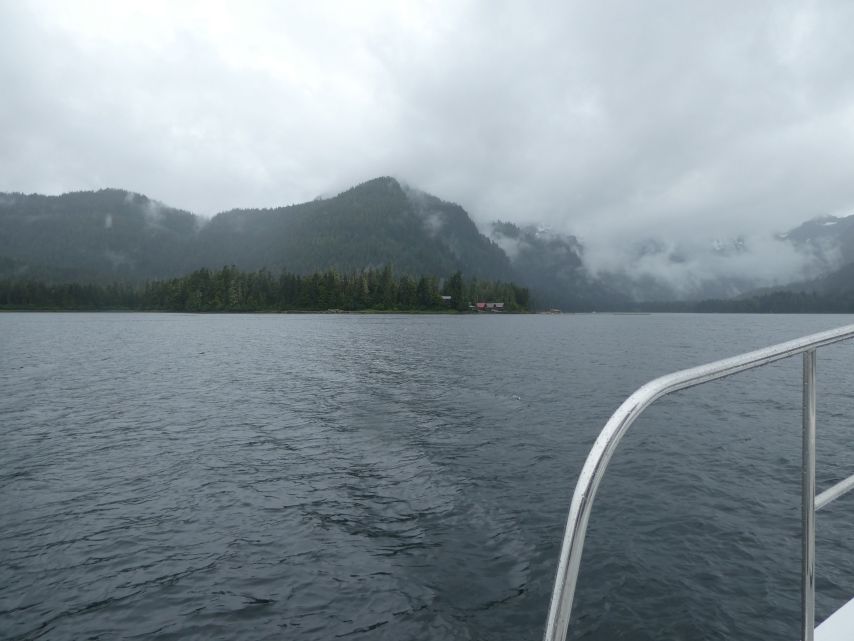
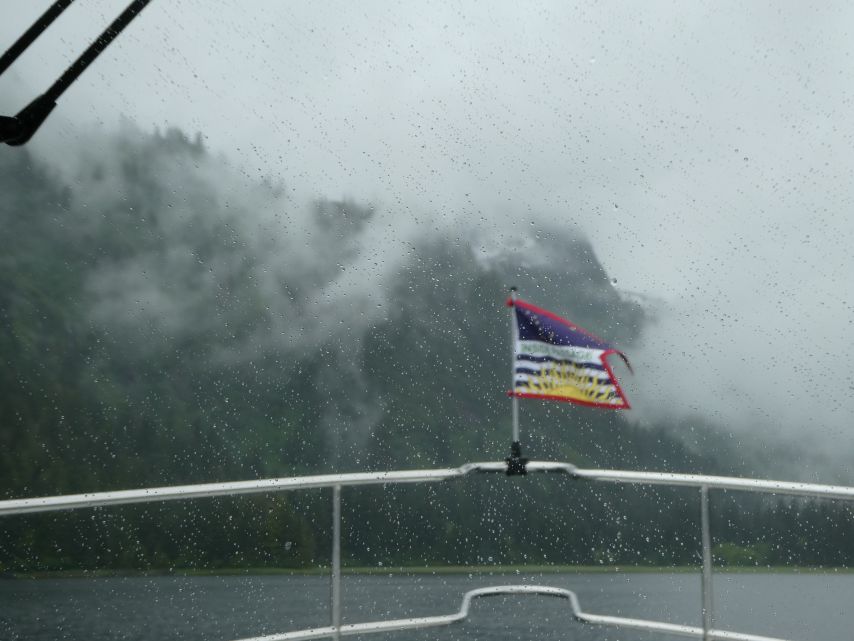
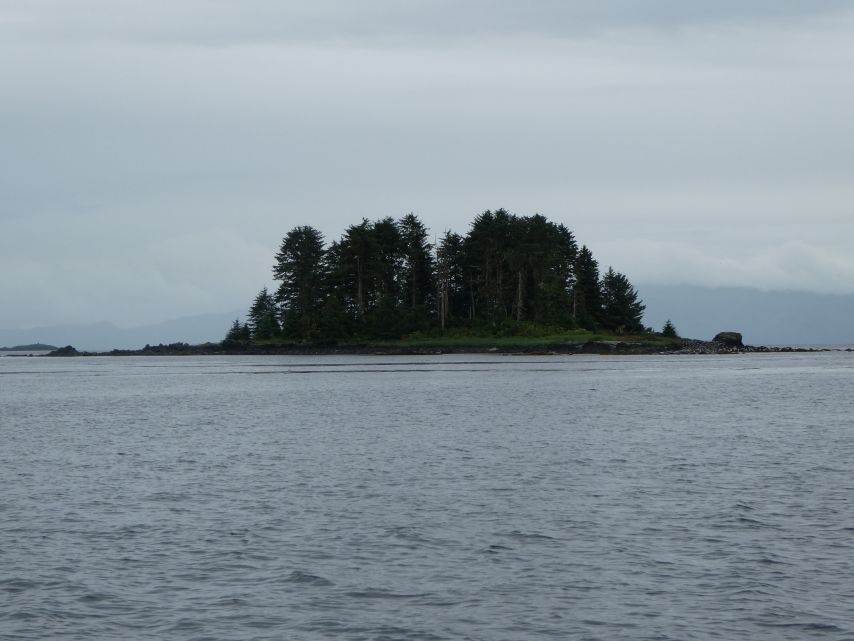
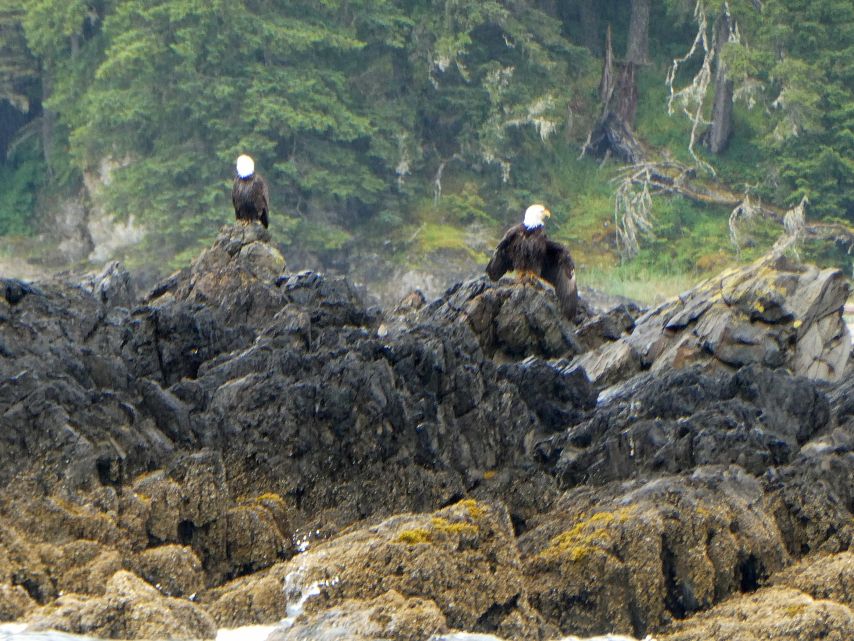
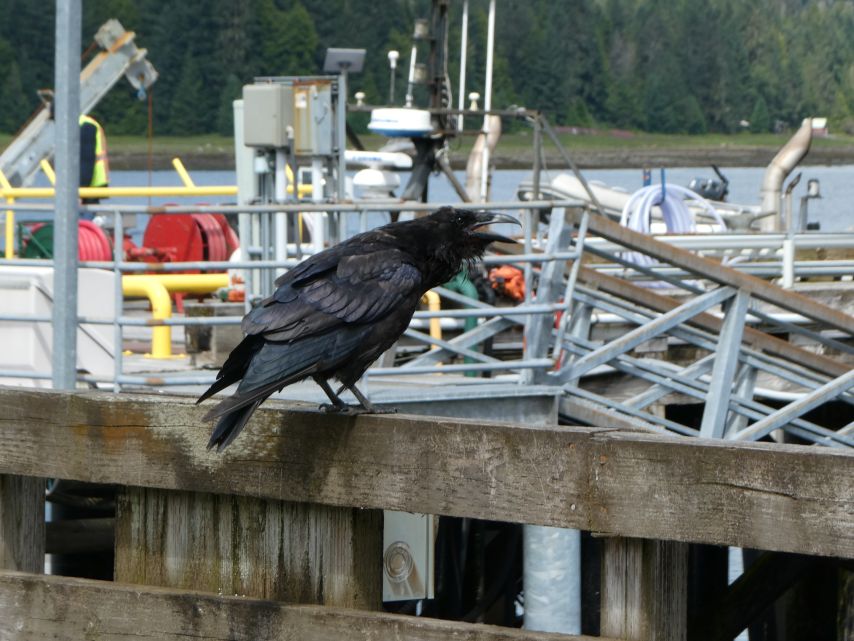
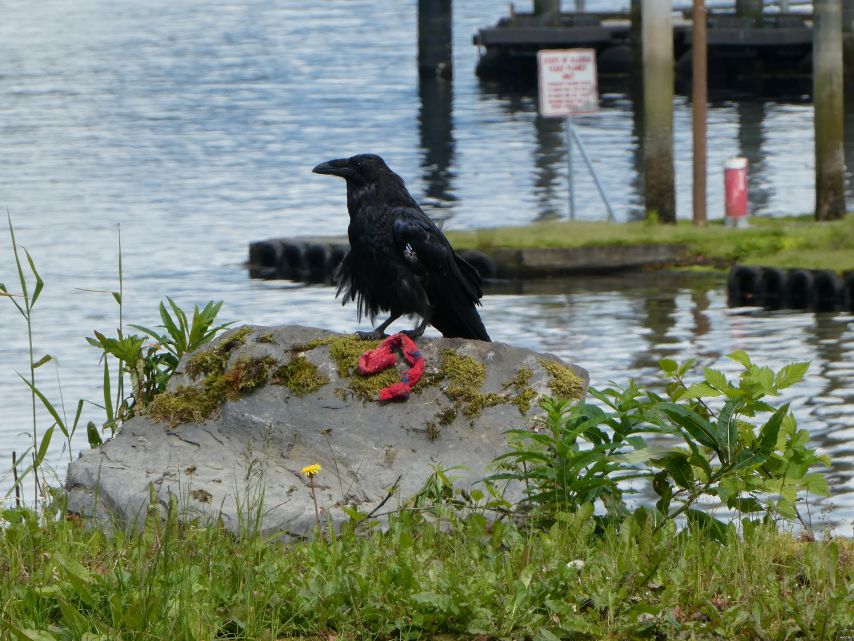
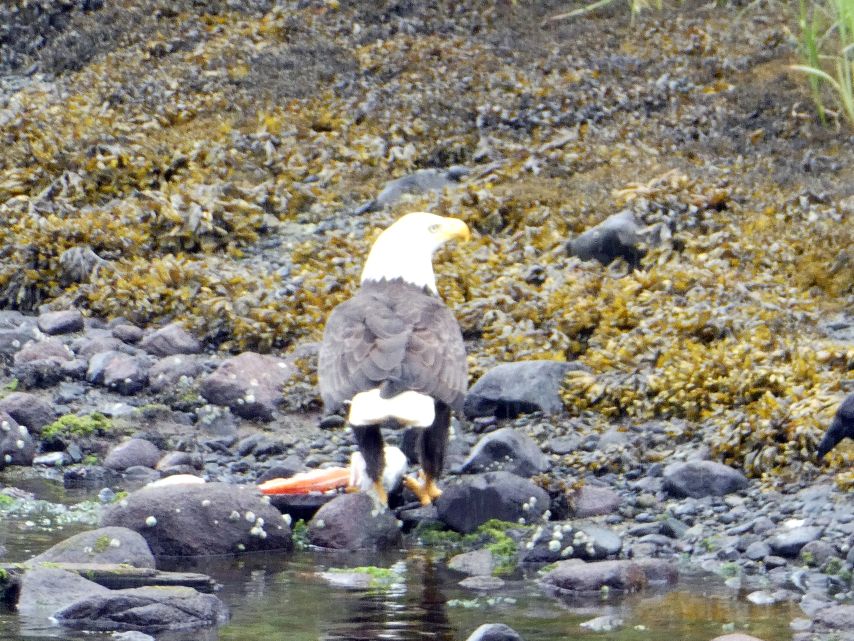
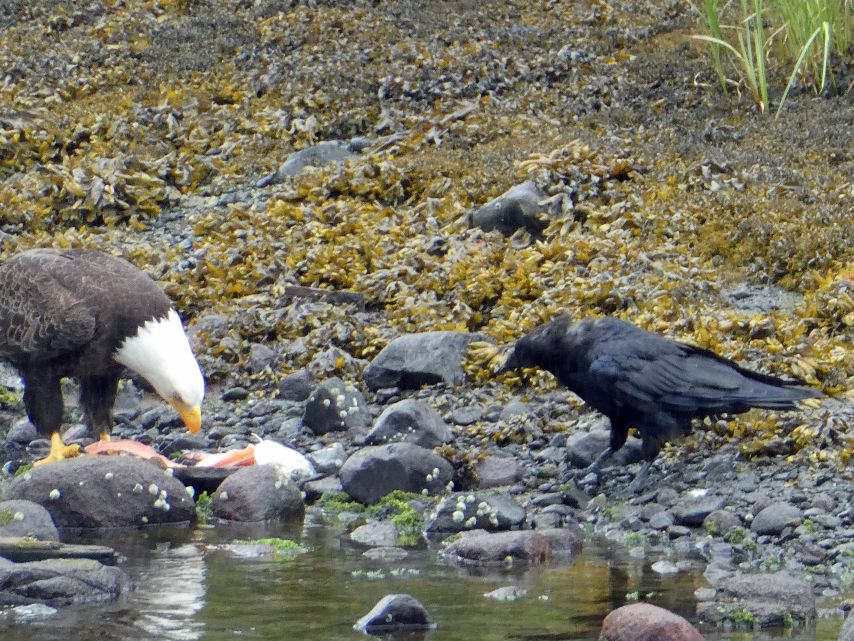
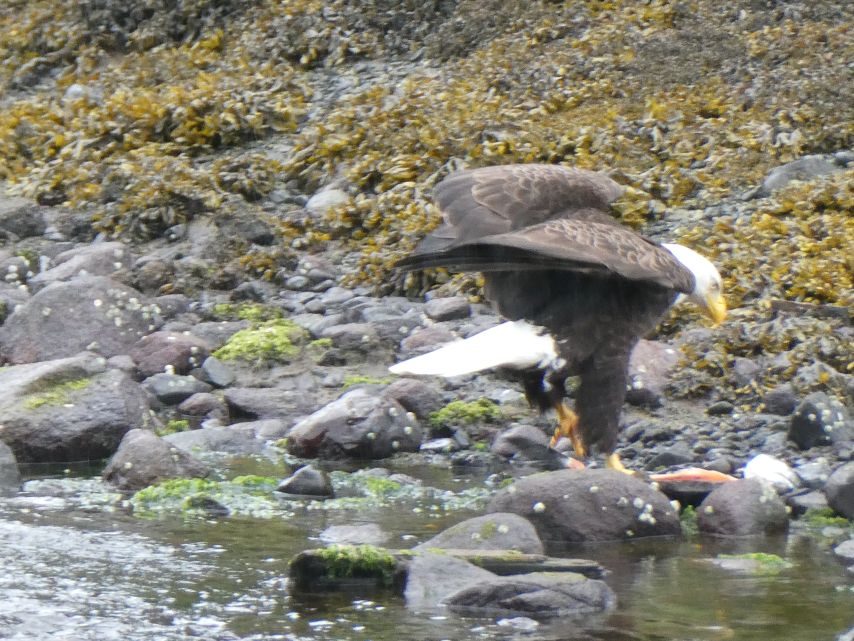
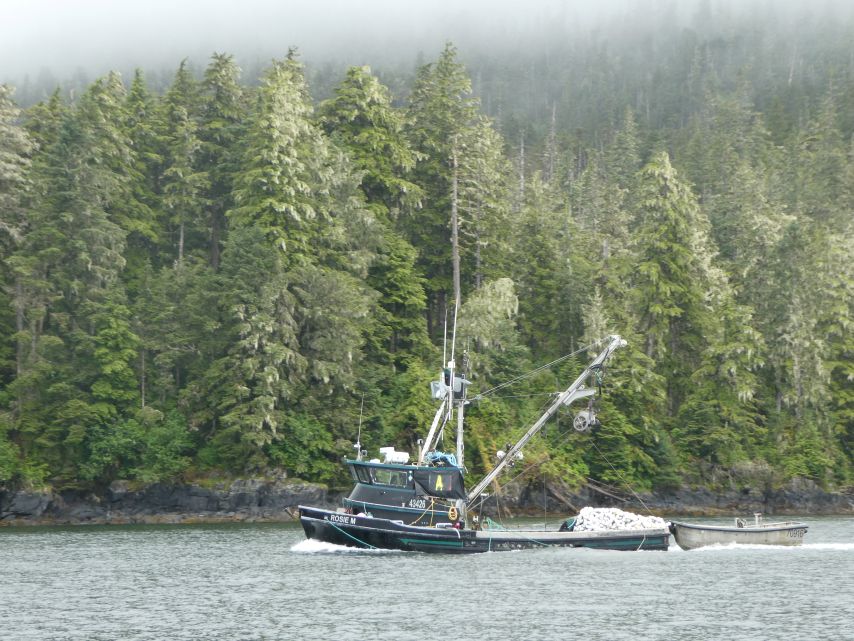
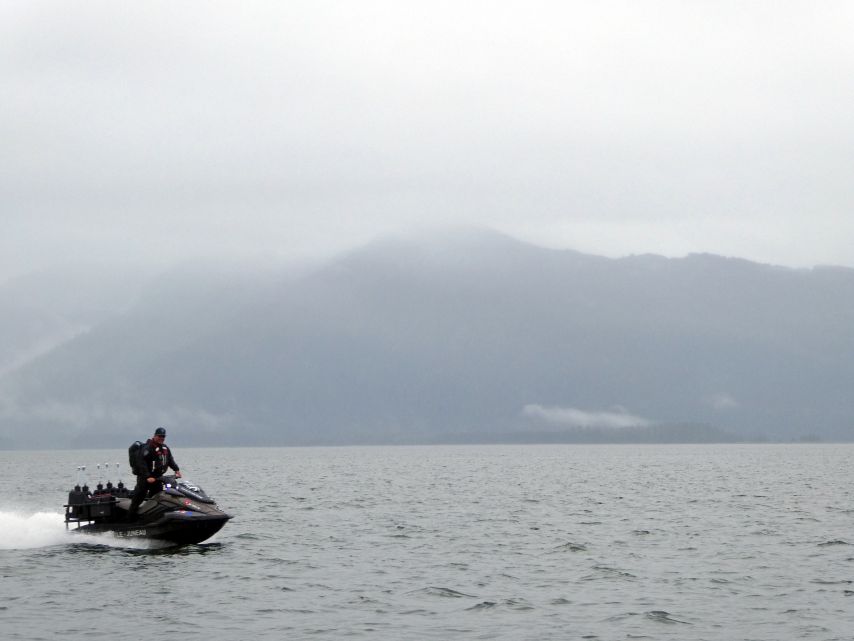
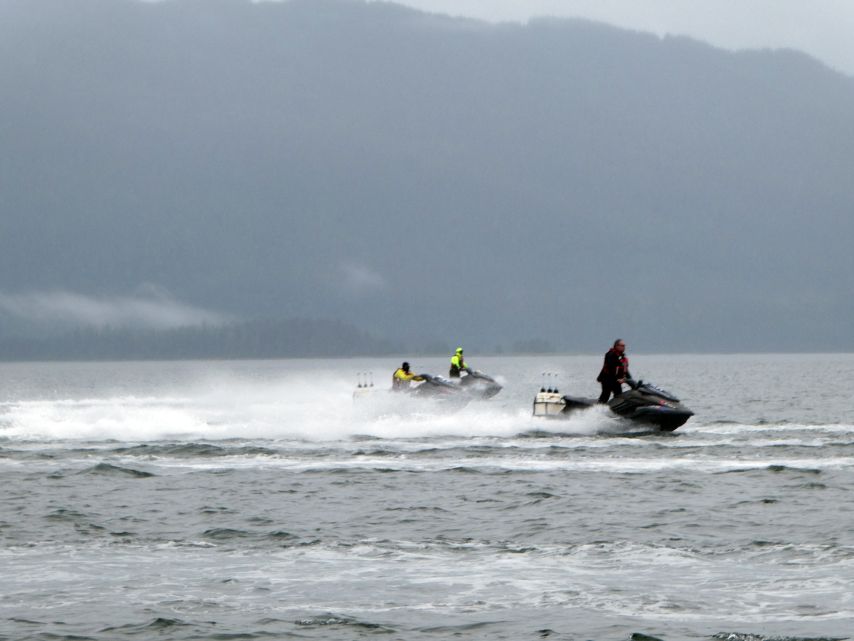
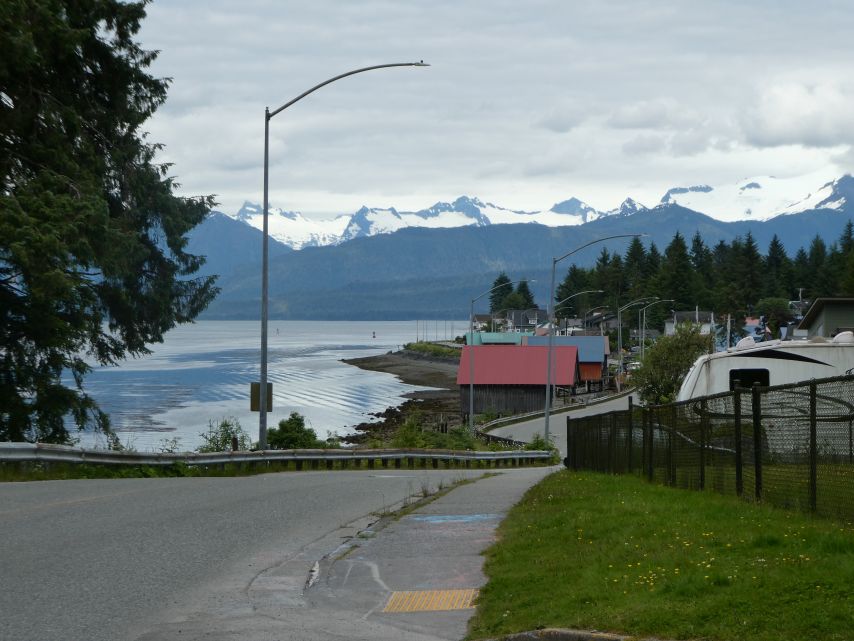
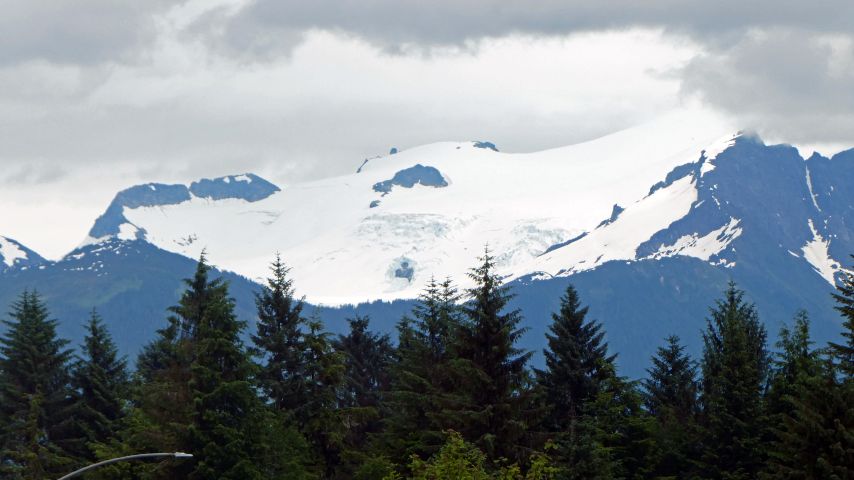
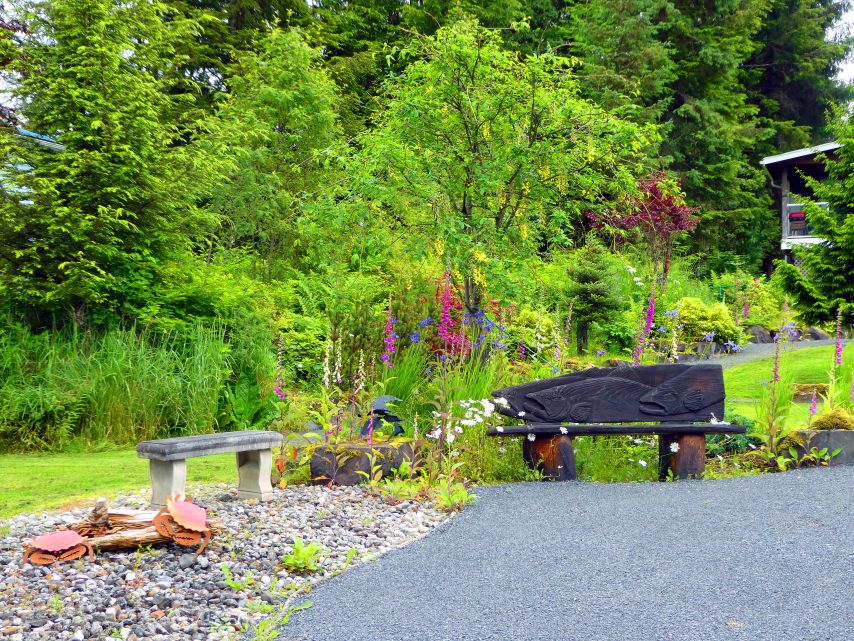
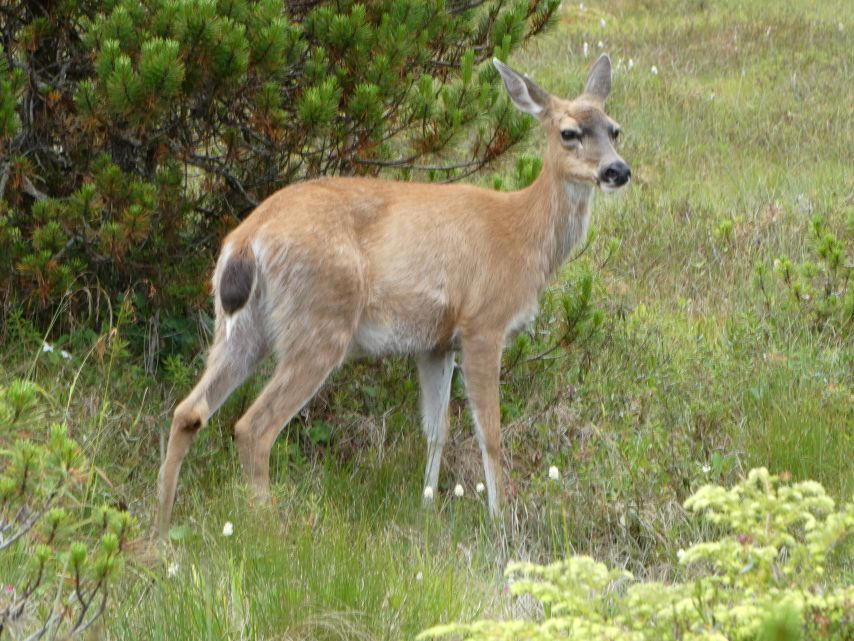
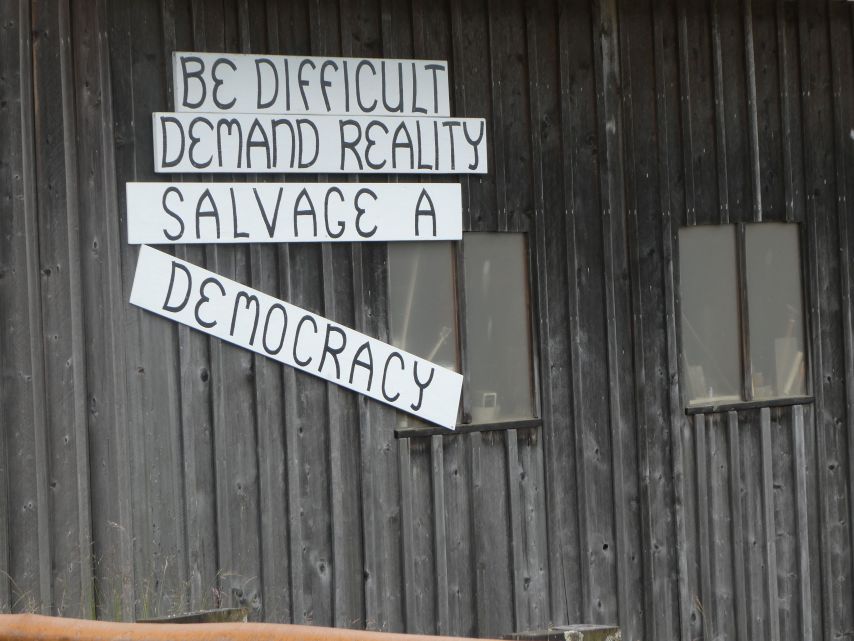
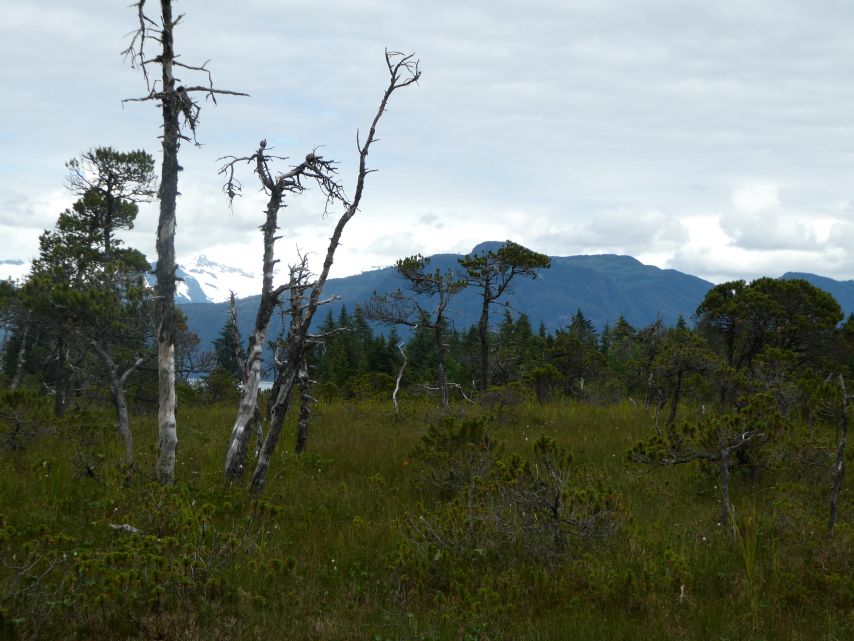
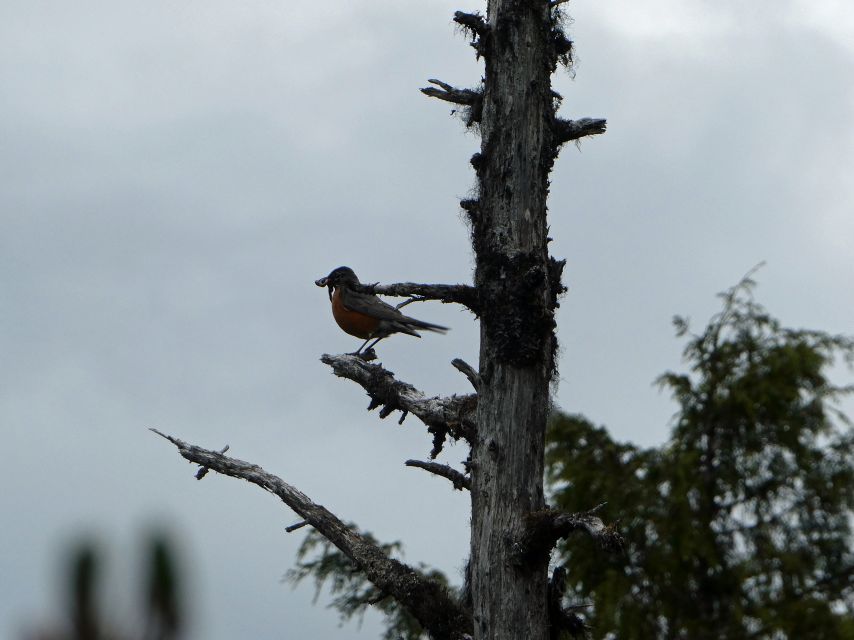
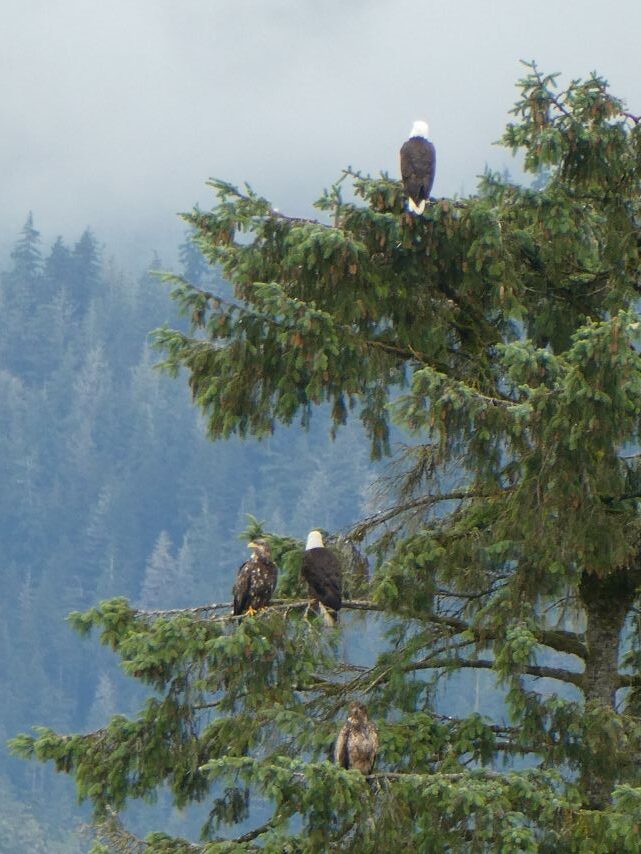
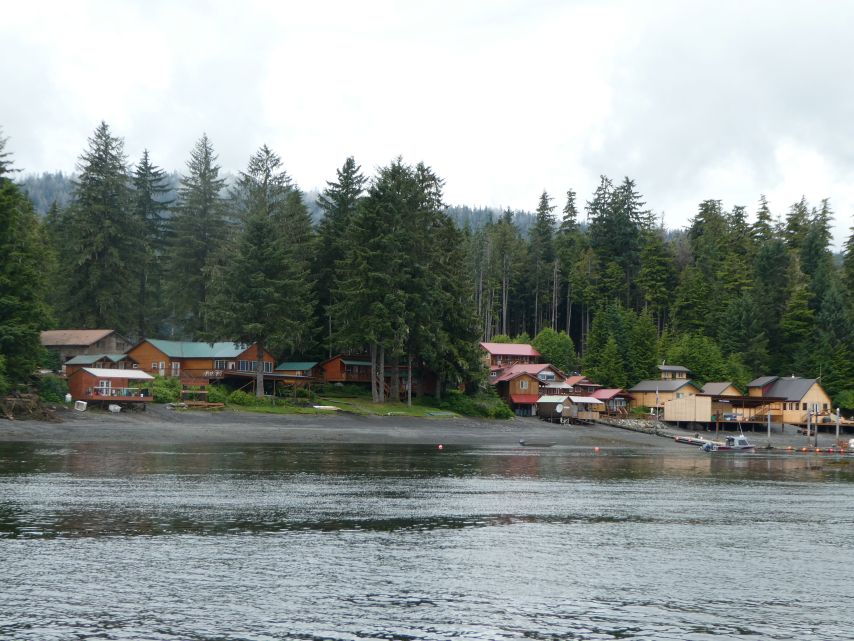
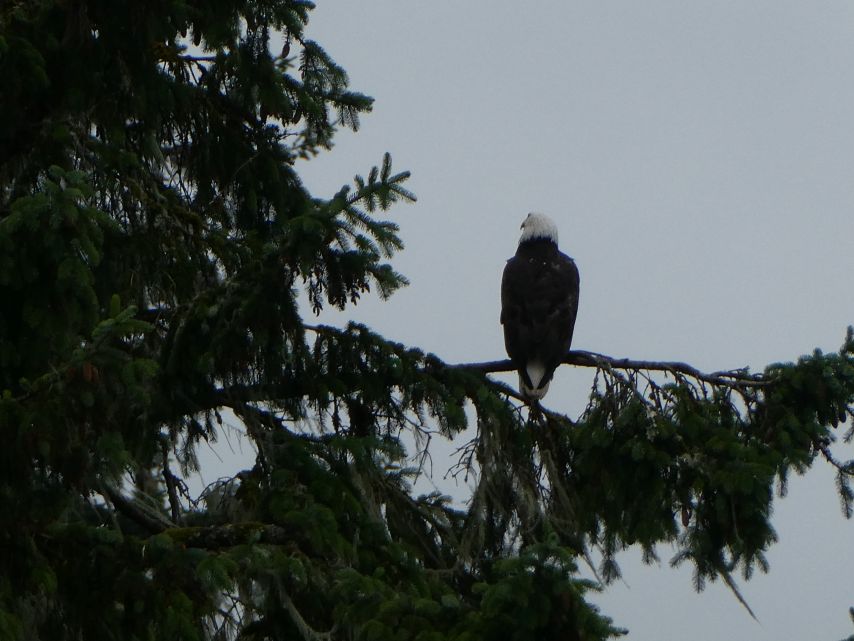
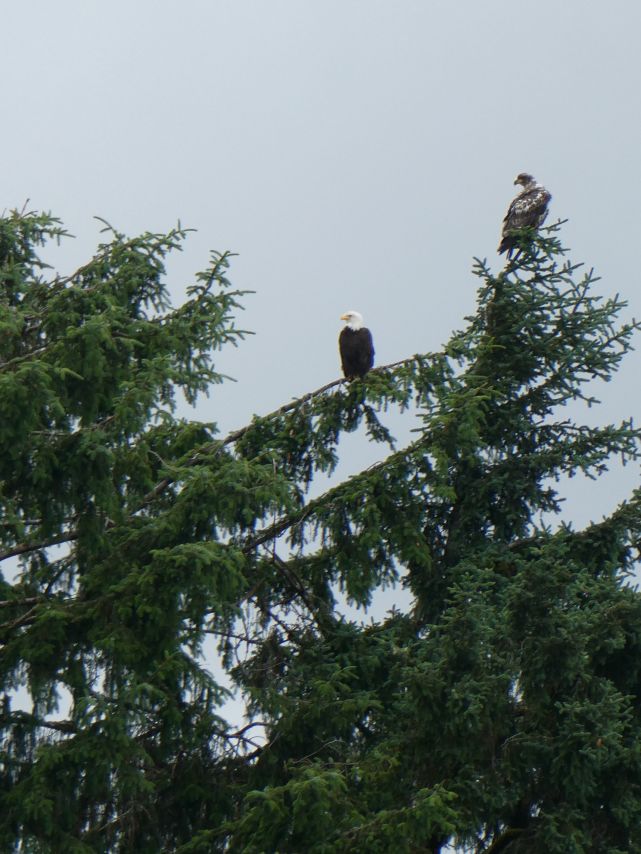
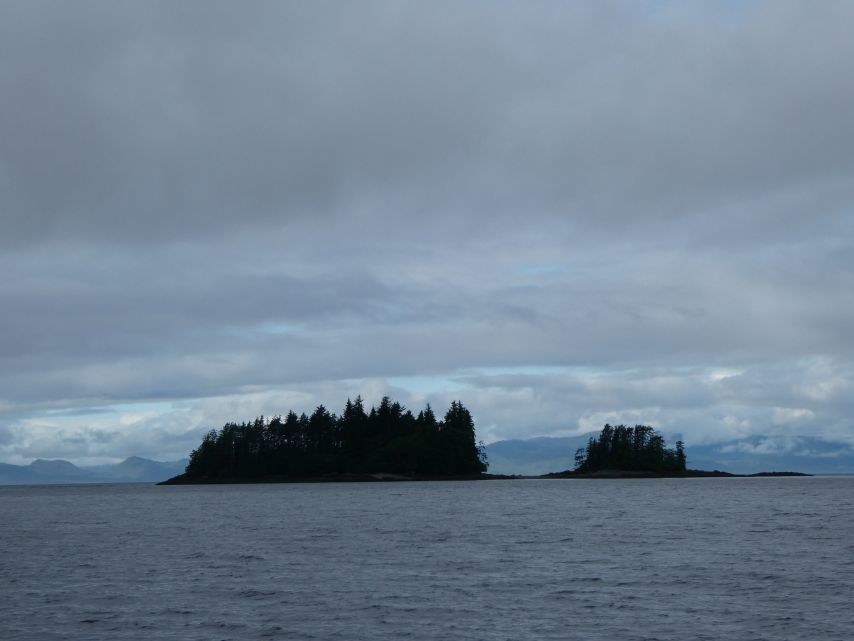
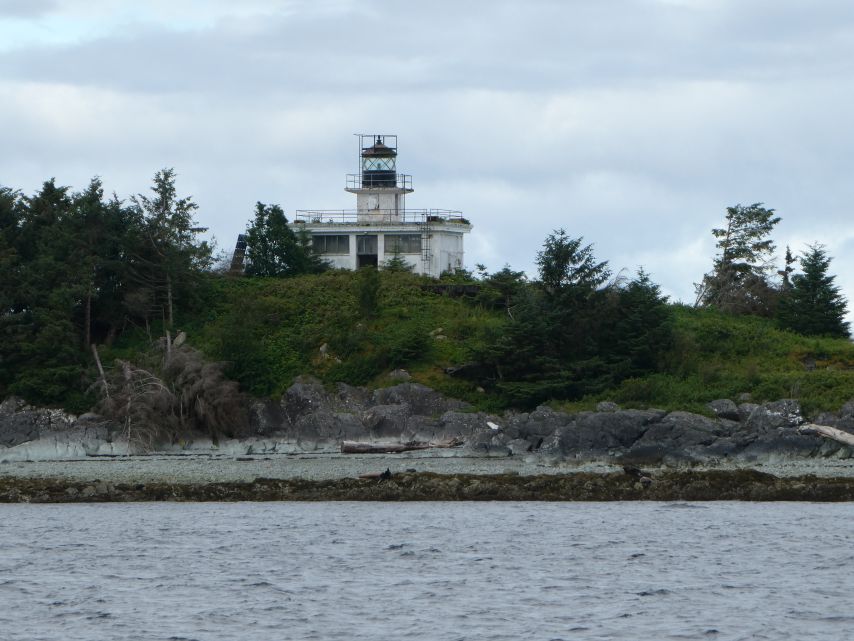
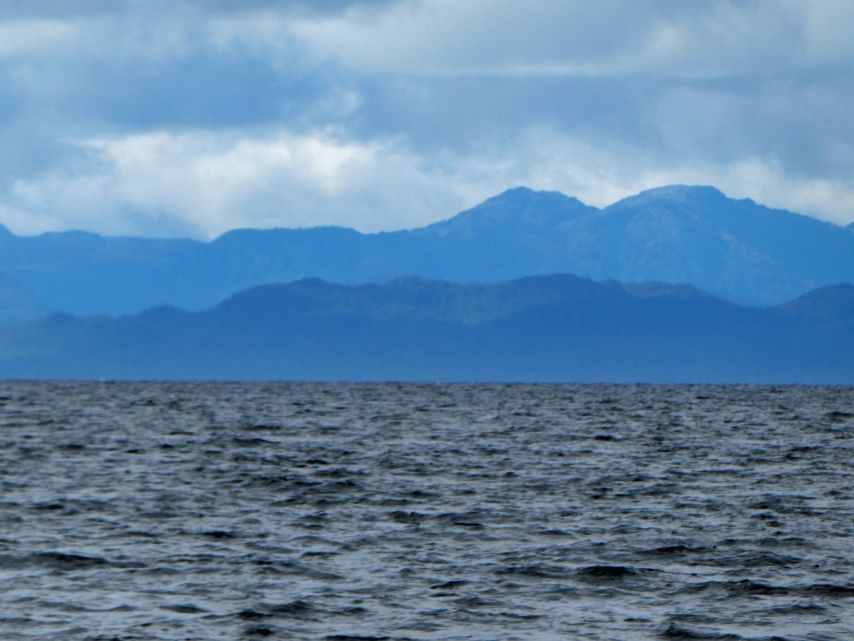
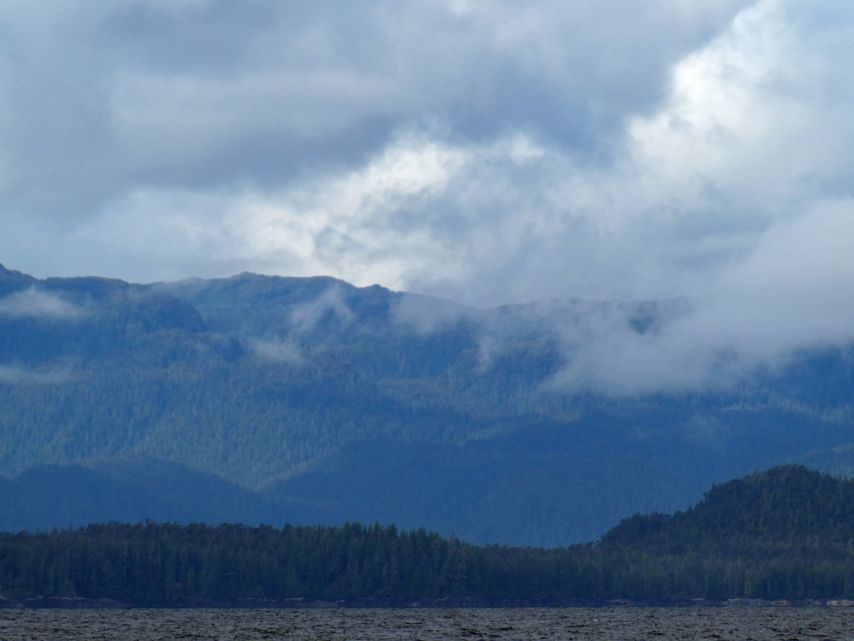
For three days, nestled in a secluded cradle of Douglas Island, it felt as though time had exhaled—softly—and the world beyond the mist dissolved into quiet abstraction. The storm arrived with its steady breath, but inside this natural refuge, we were immersed in an avian symphony: eagles wheeled above with deliberate grace, crows traded gossip among the spruce branches, ravens croaked through the rain-soaked air, and kingfishers flared like sparks over shadowed waters. Across the channel, cruise ships streamed into Juneau, spilling motion and noise into the city’s rhythm. Yet we lingered in the hush—wrapped in trees, salt air, and the slow, tidal language that rose and fell each day by seventeen feet.
Beyond our peaceful nook, though, another story is slowly unfolding. The island’s northern coastline, once a sanctuary for hikers and wildlife watchers, now wears “no trespassing” signs like locked memories. Familiar trails are gated shut. On the western flank, forested land owned by Goldbelt Inc. is being stripped in preparation for a proposed cruise ship dock—stirring unease among residents and city leaders, many of whom feel left out of the conversation. Douglas Island stands at a crossroads: preservation on one shoulder, development on the other—its future suspended between legacy and expansion, wonder and industry.
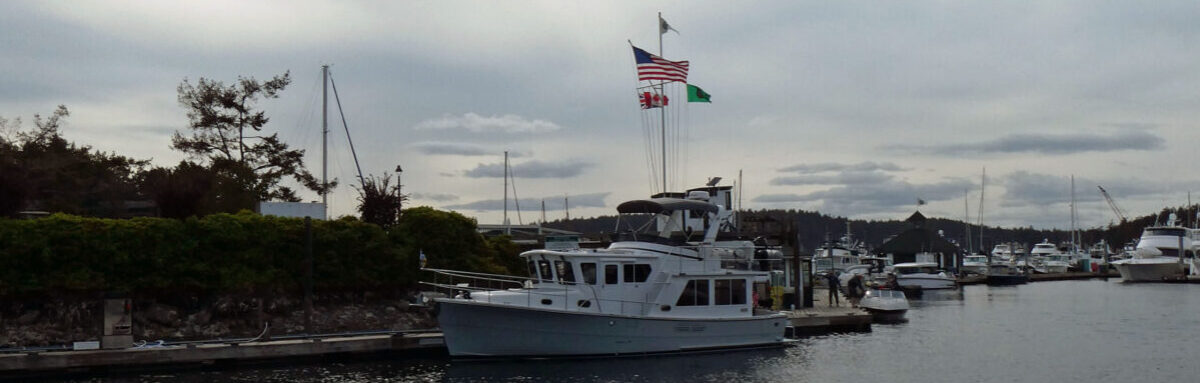
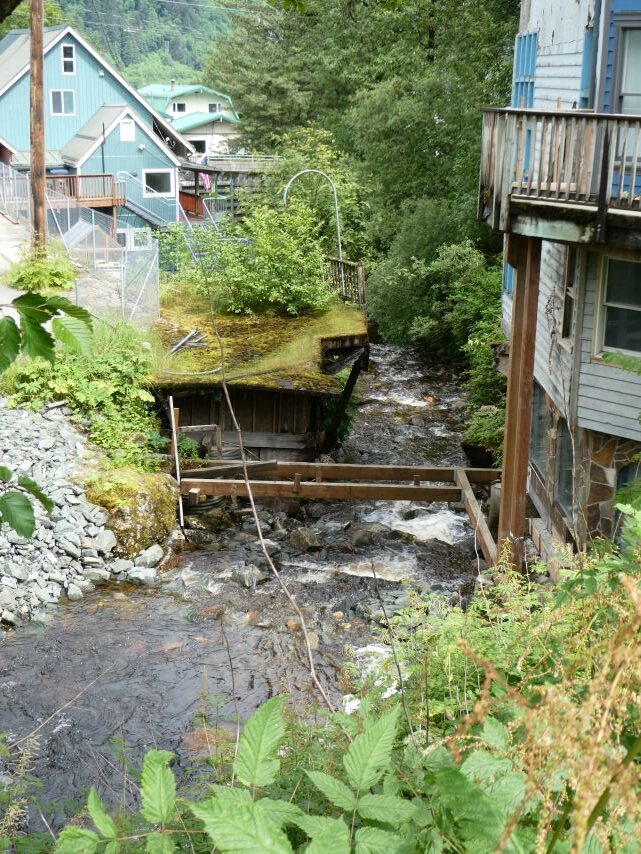
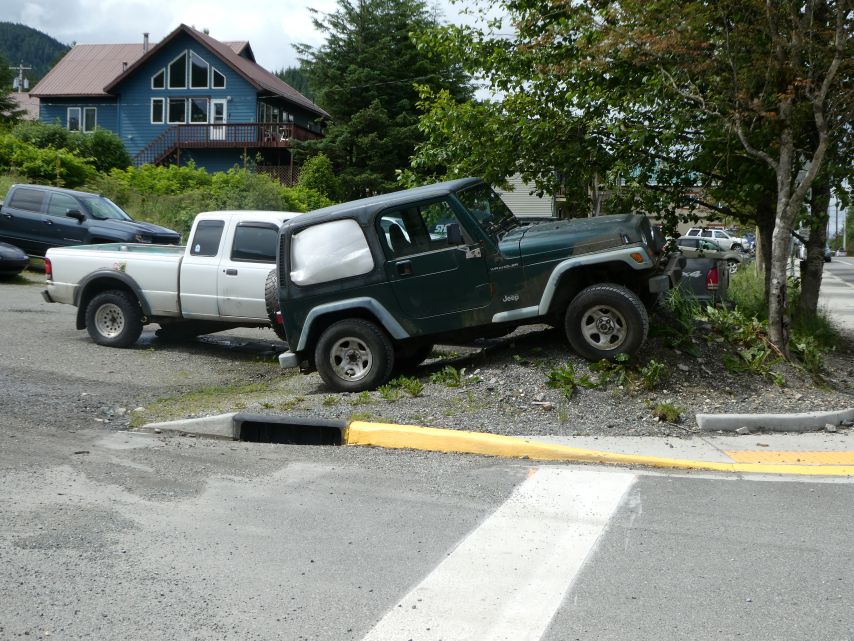
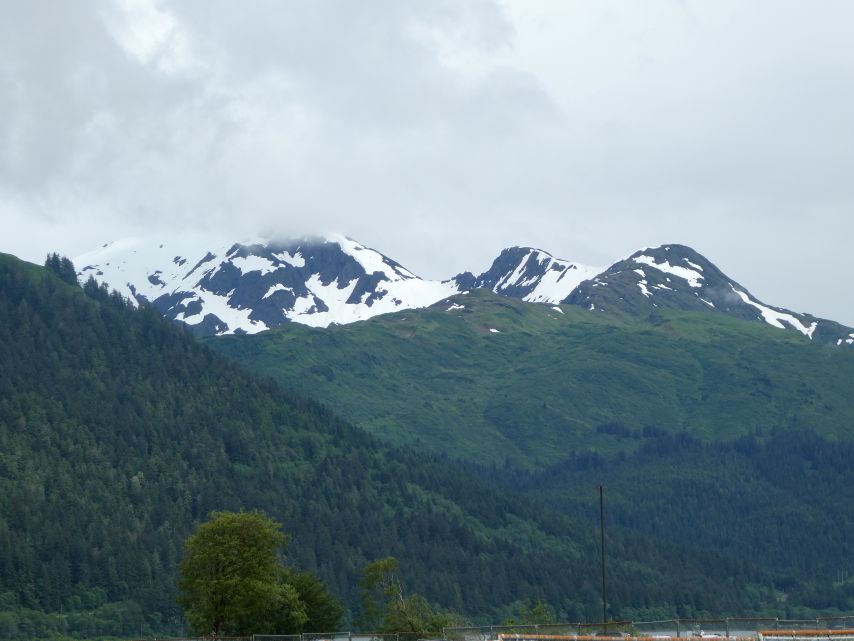
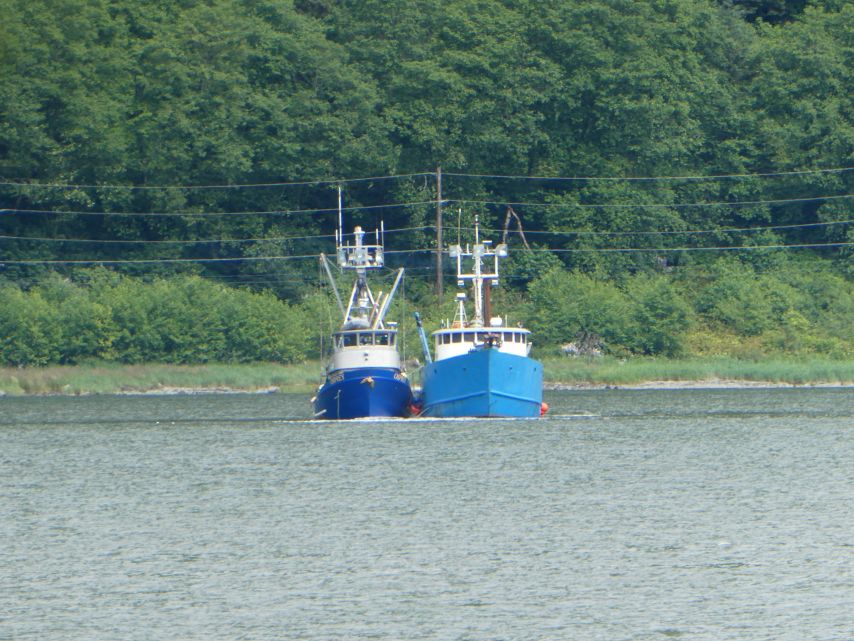
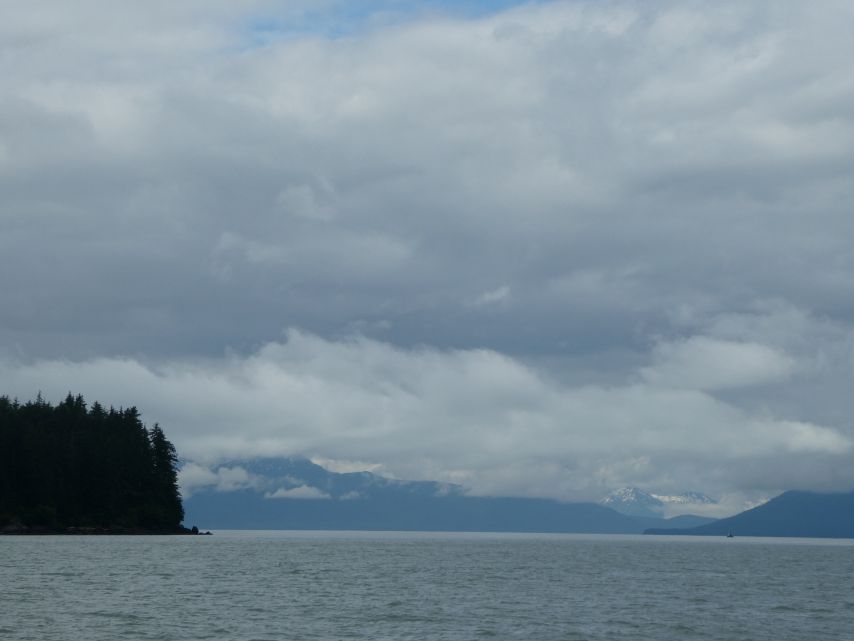
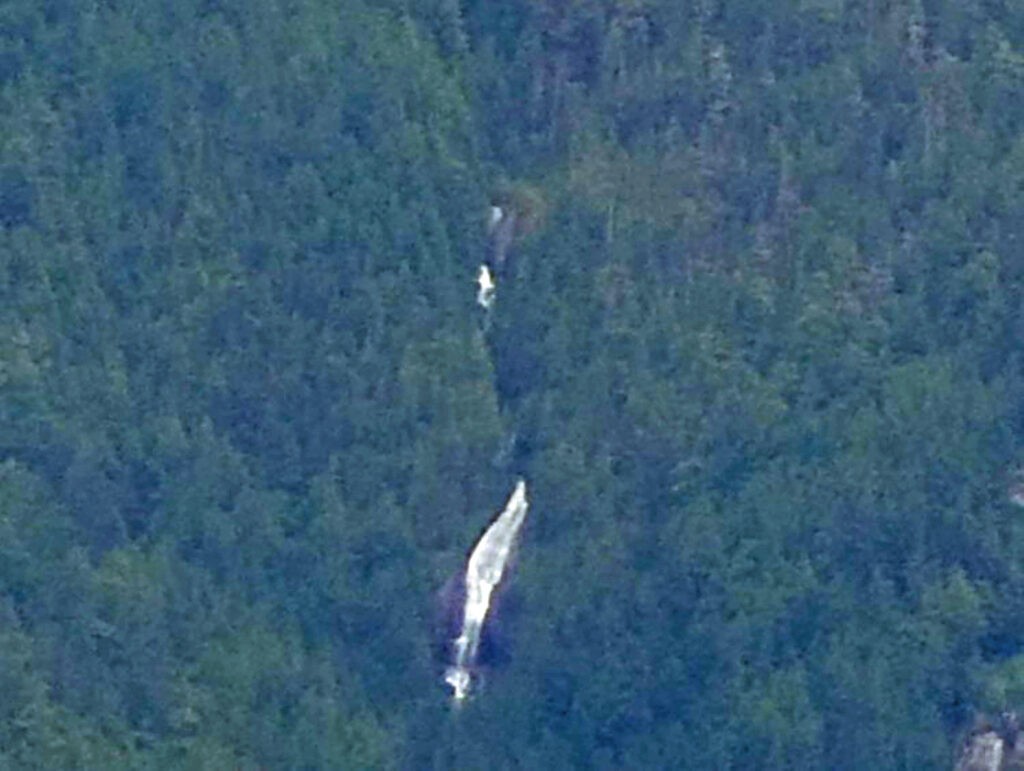
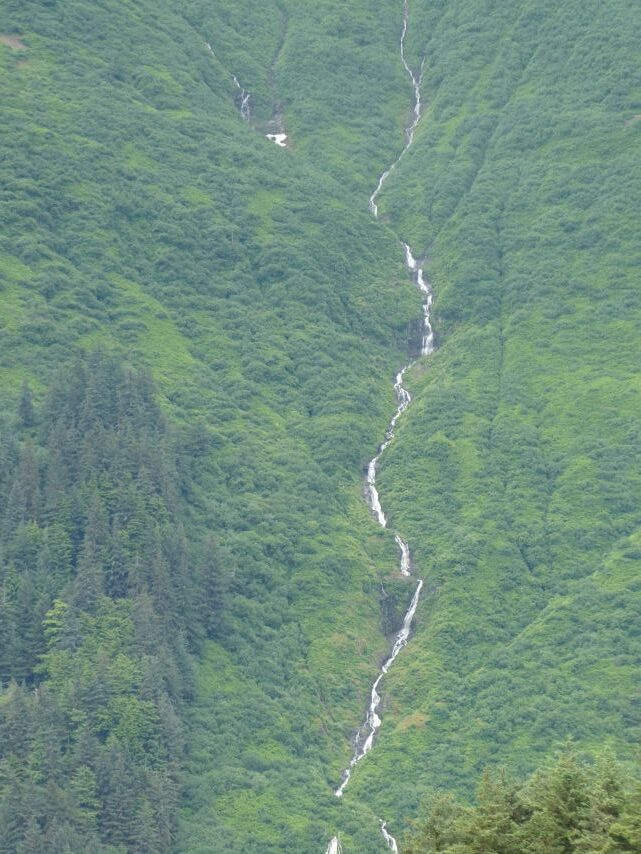
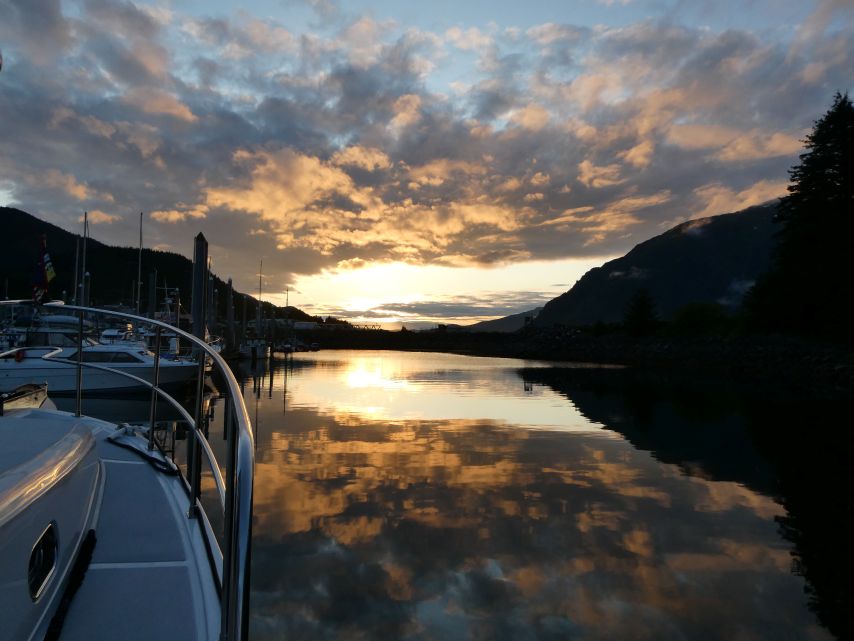
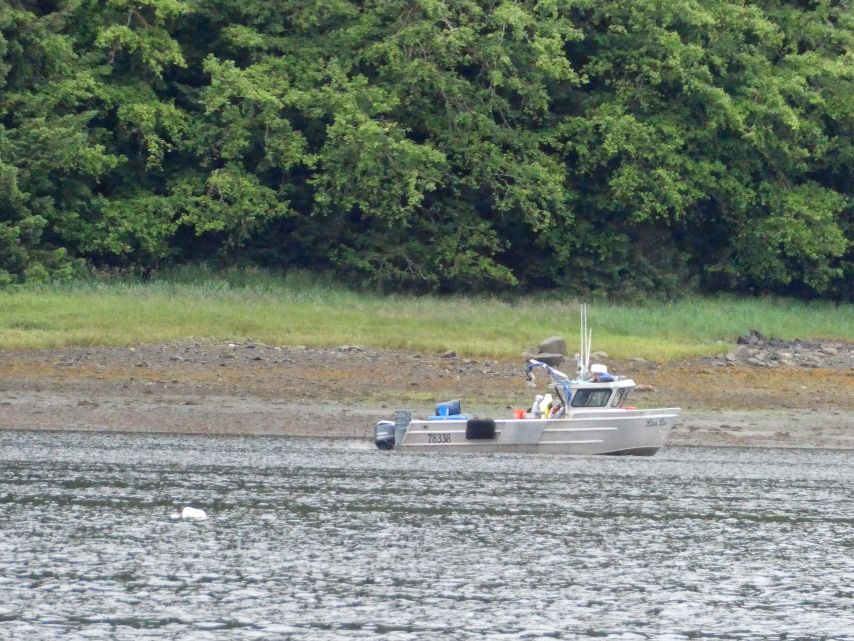
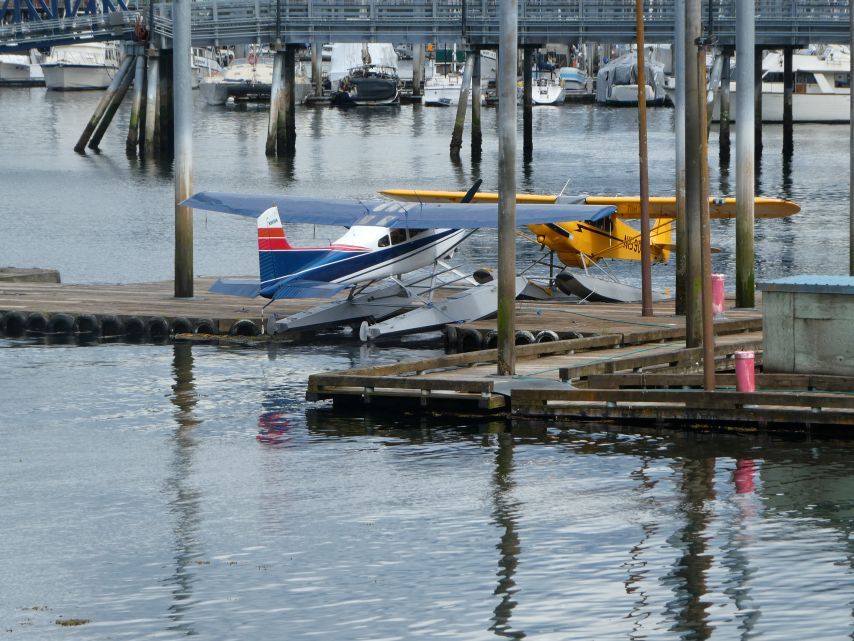
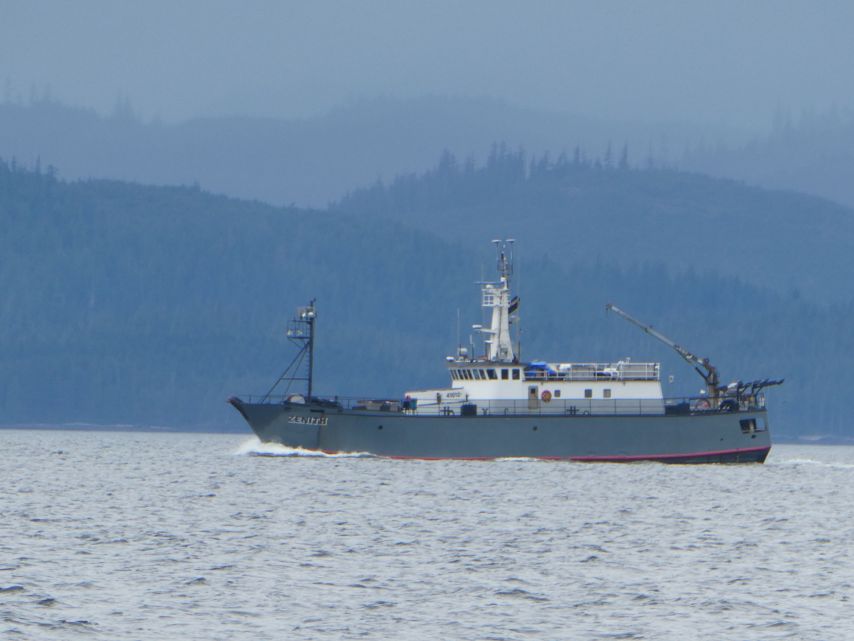
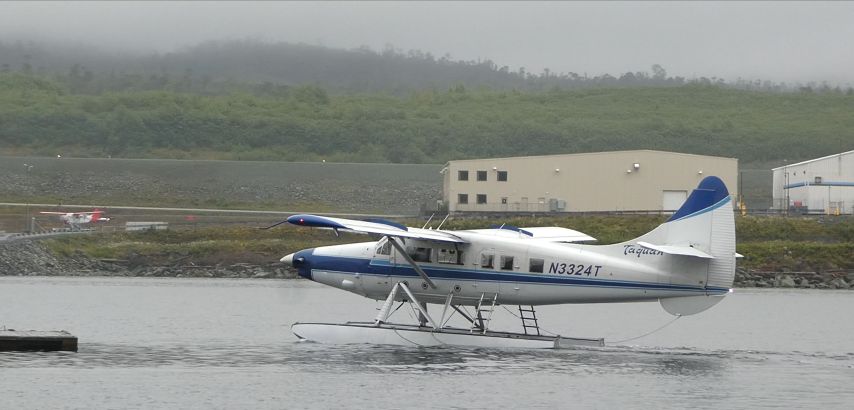
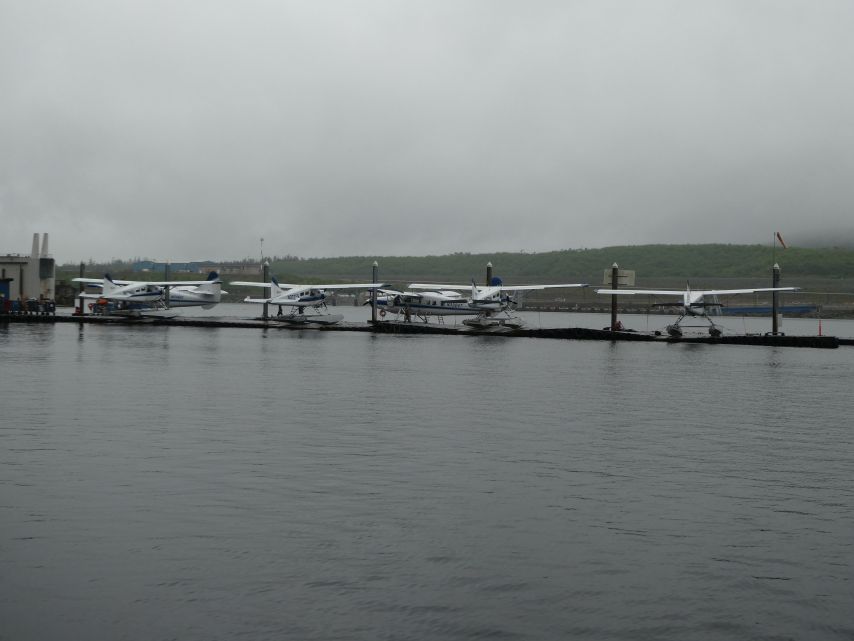
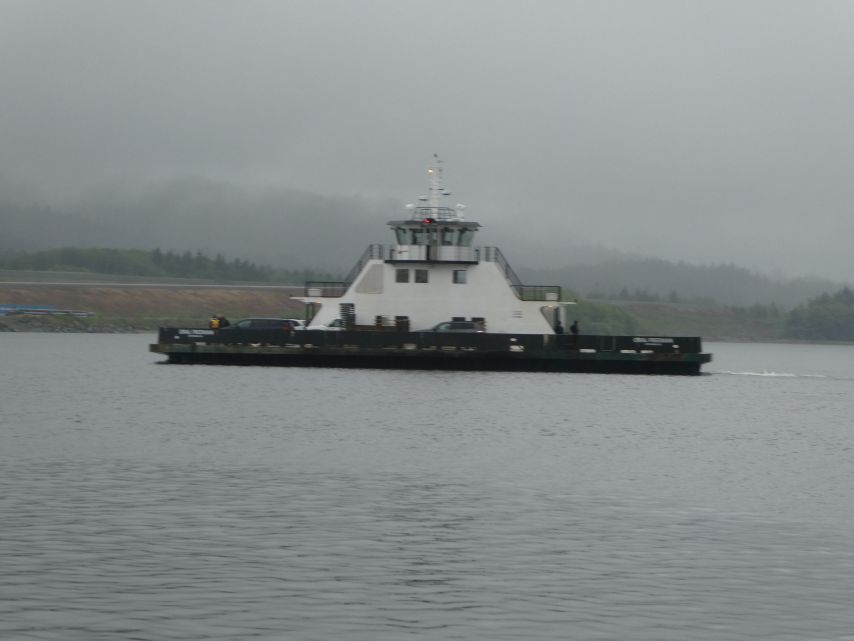
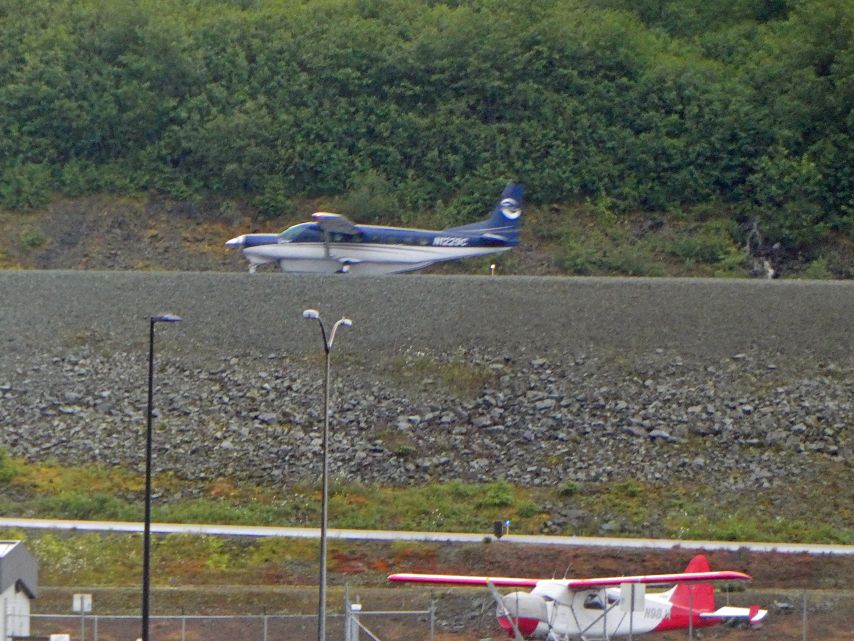
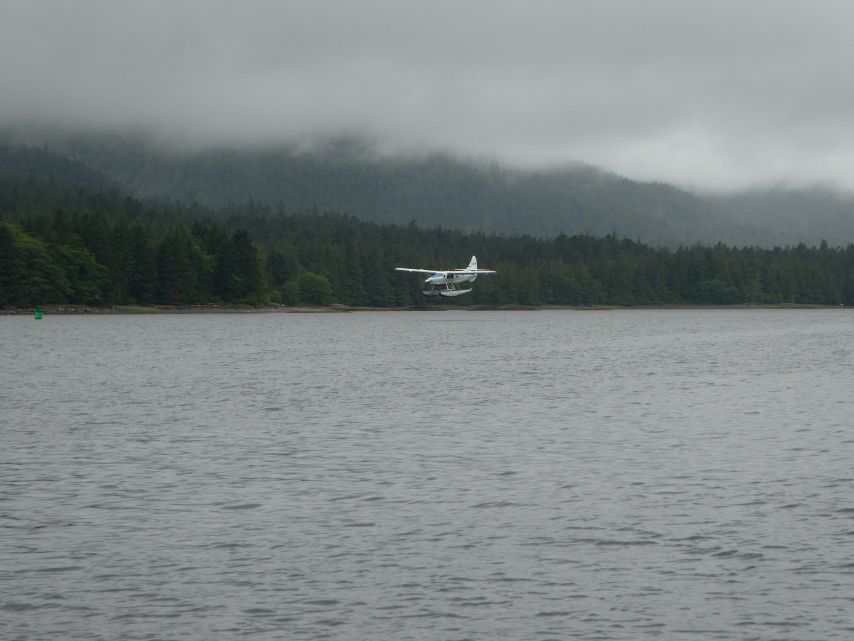
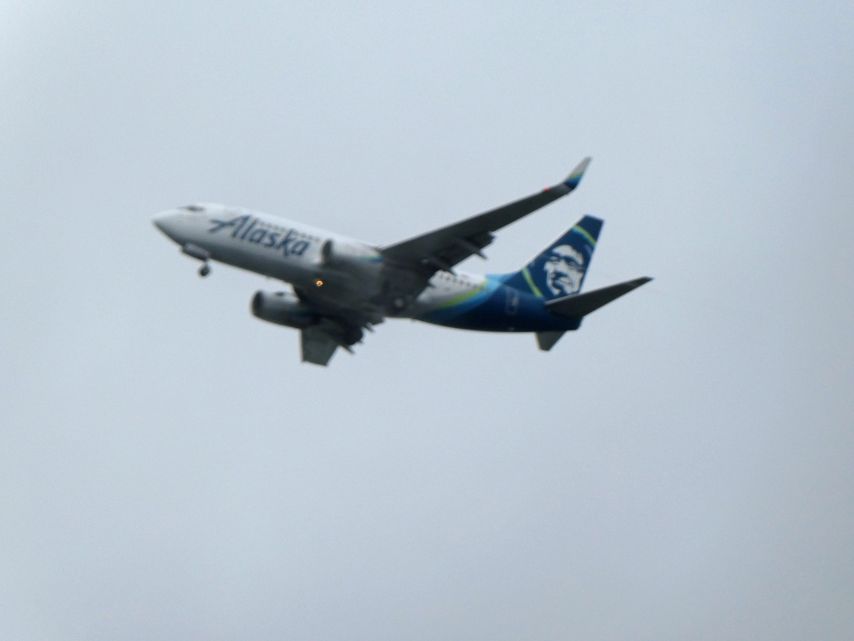
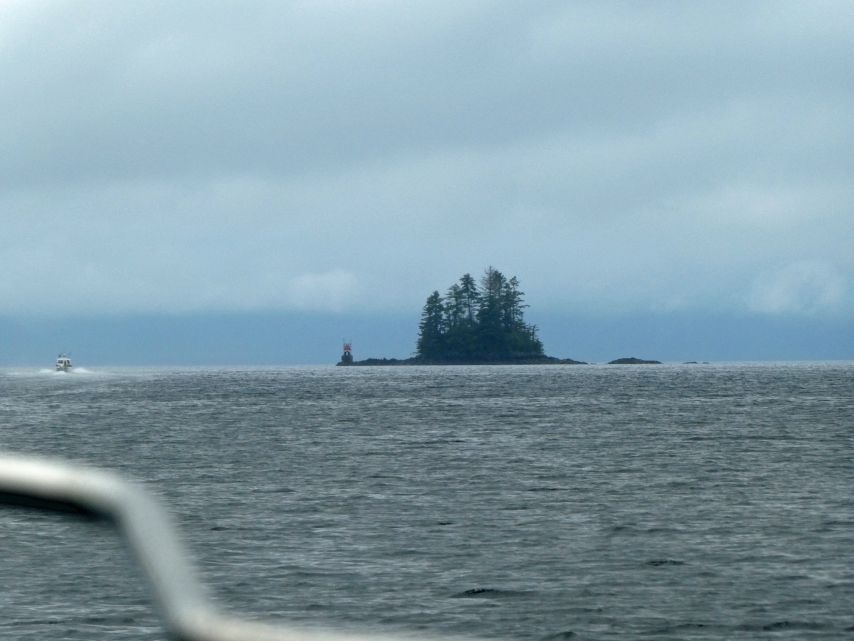
Views from around town and the marina.
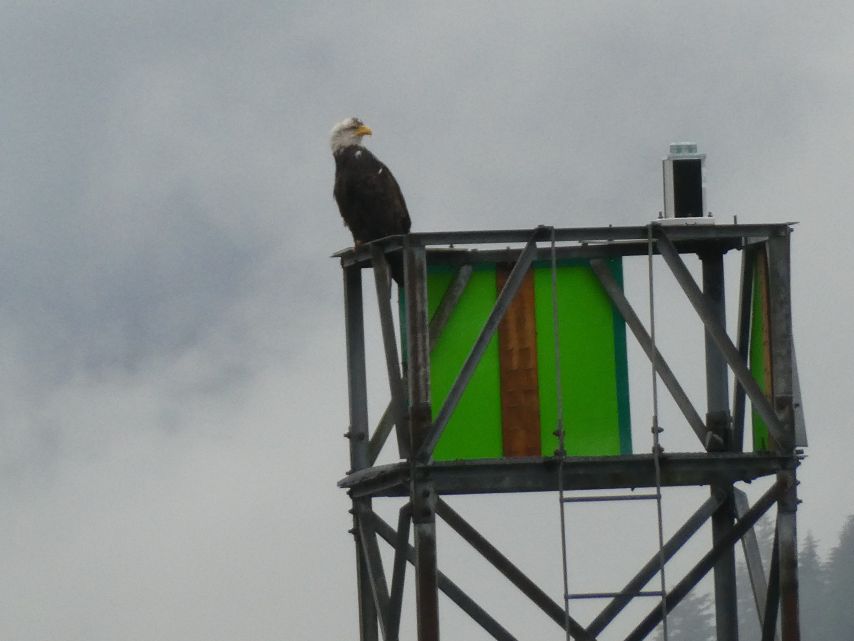
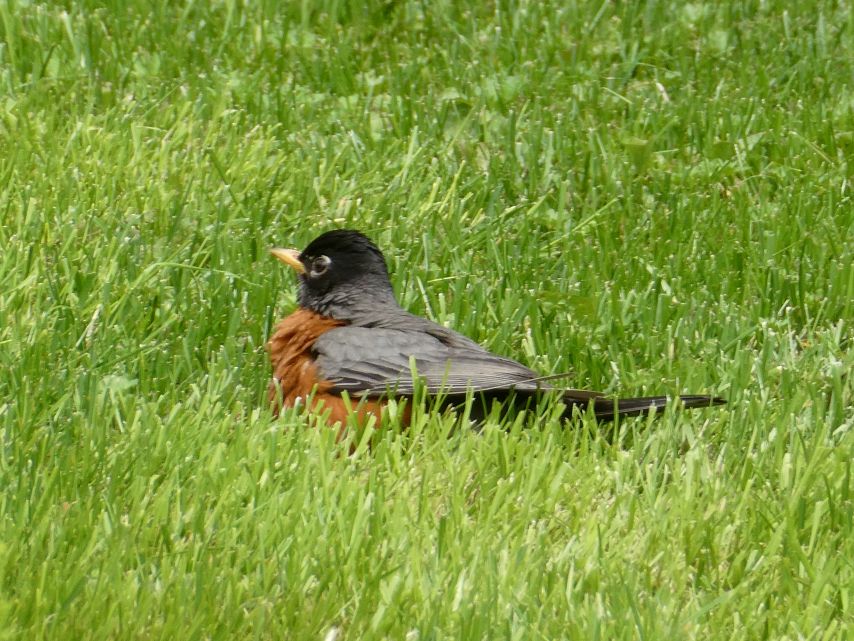
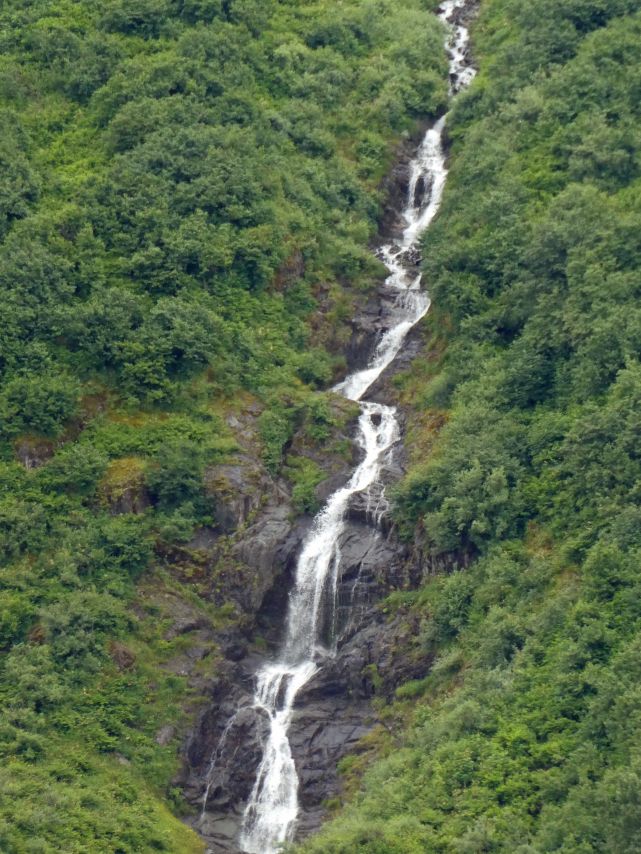
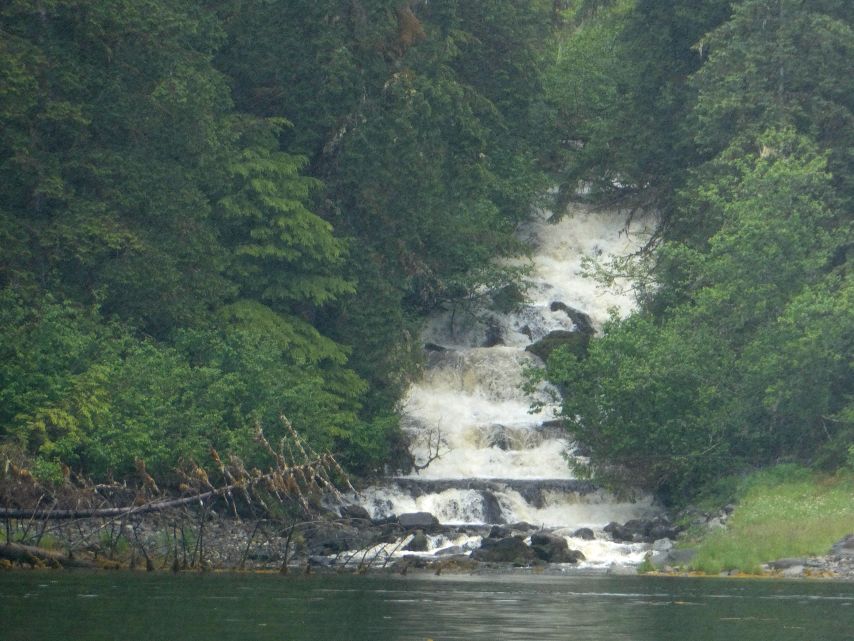
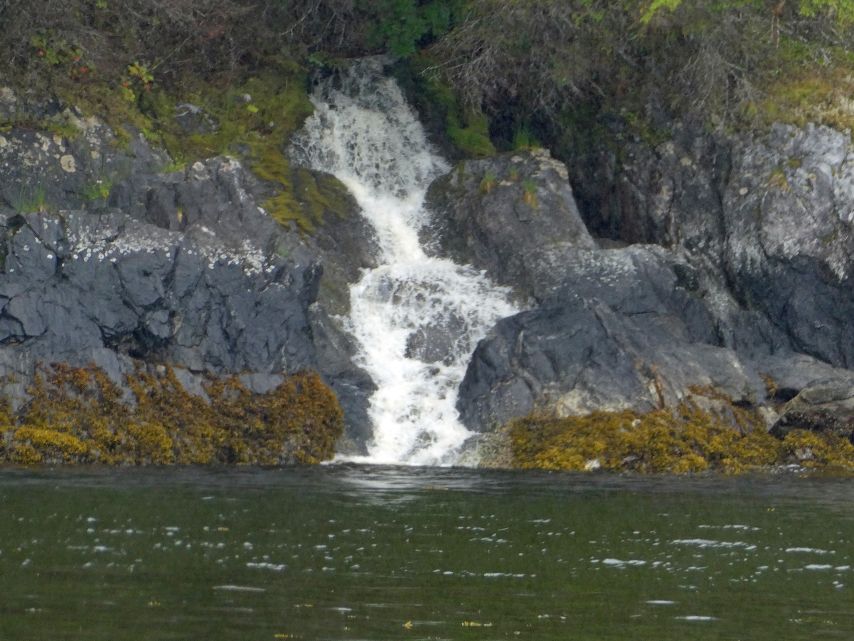
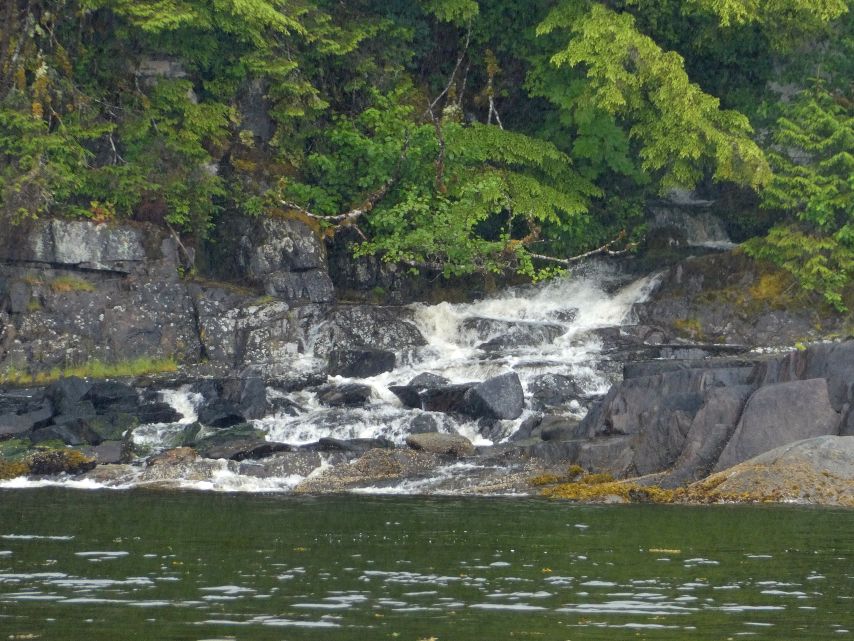
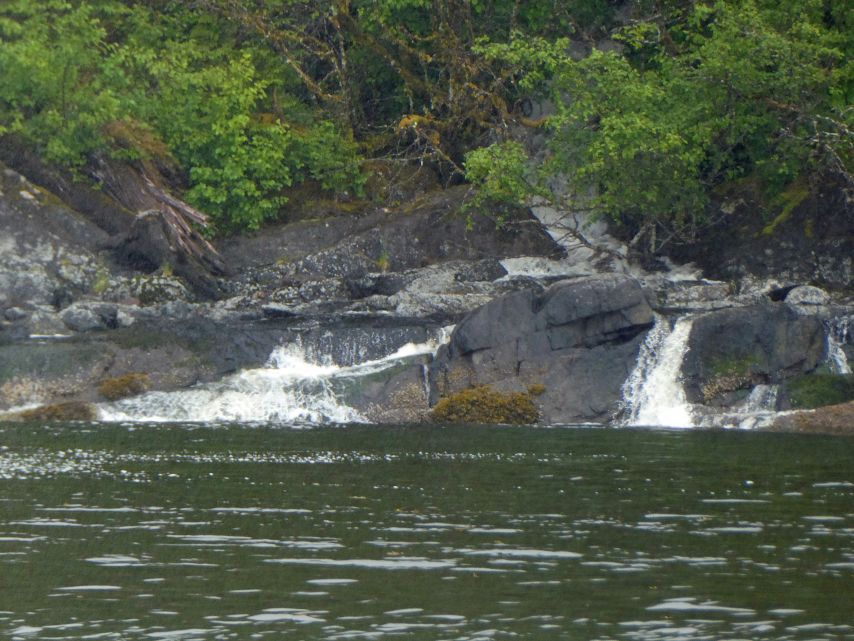
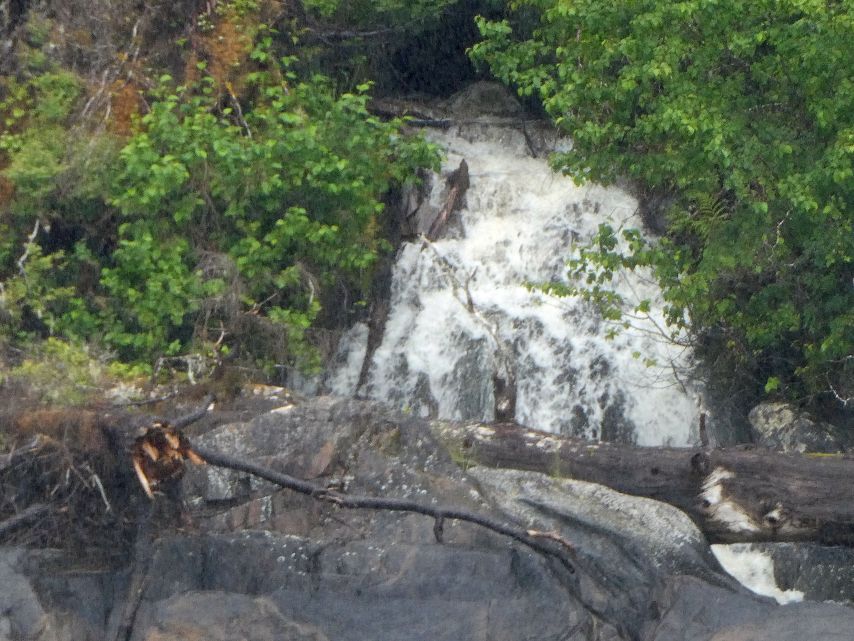
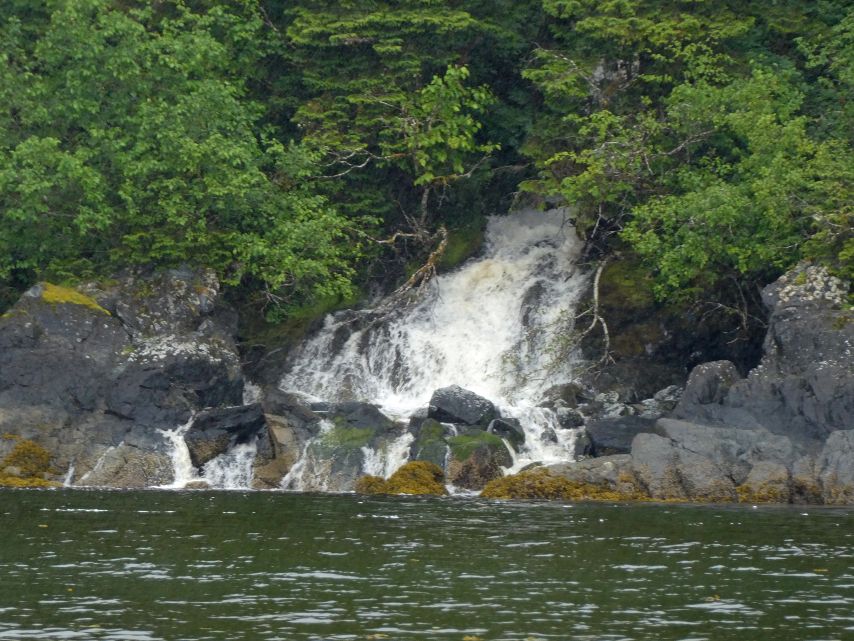
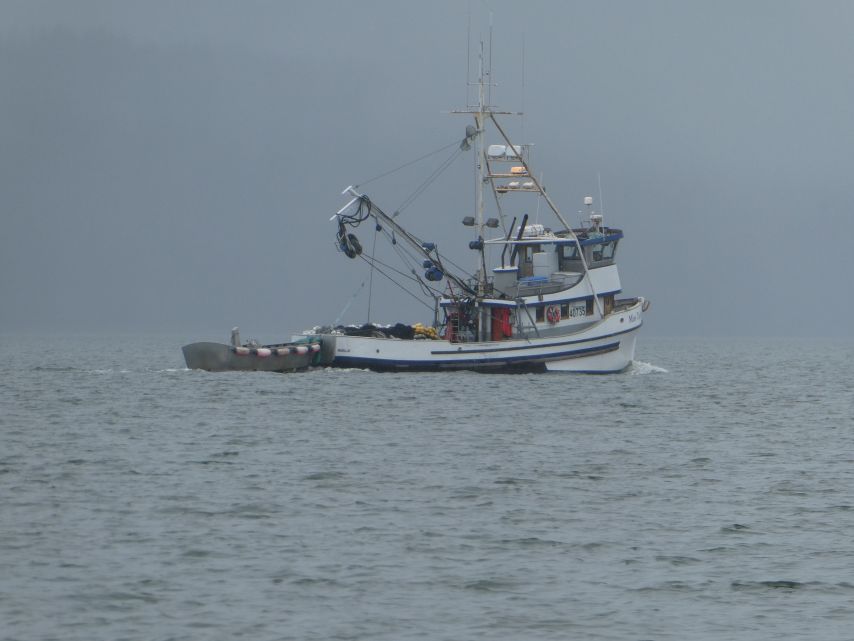
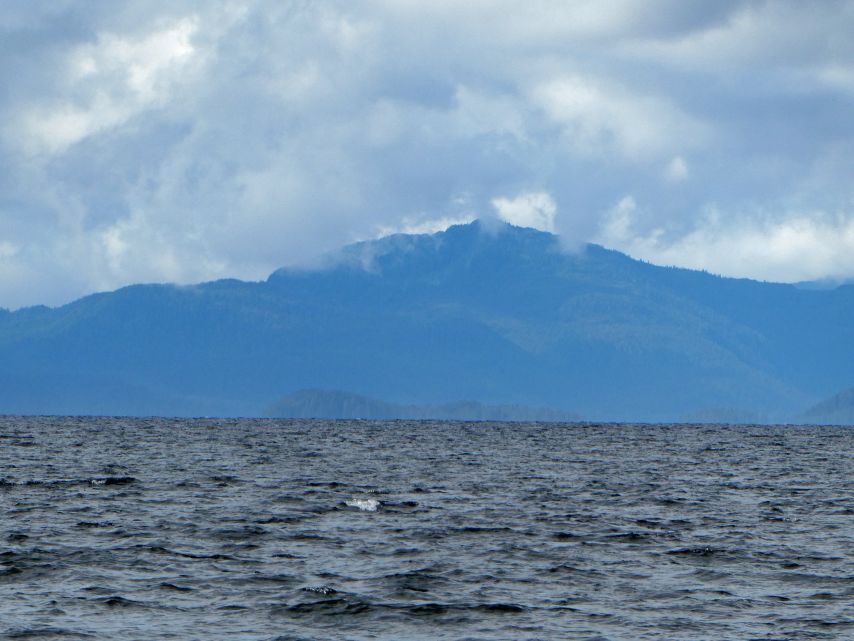
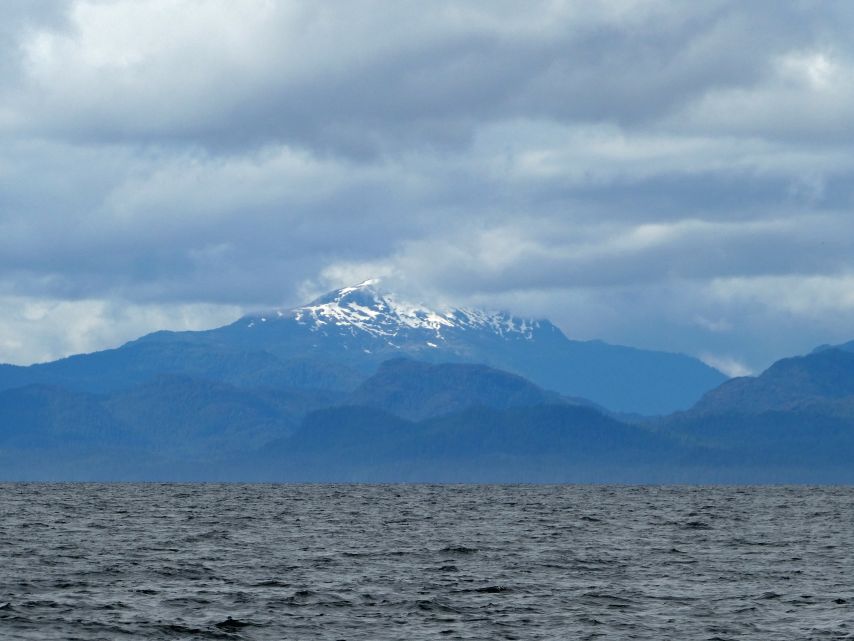
Popular Eagle SpotResting in the GrassTown CreekFull Parking LotDistance MountainTogetherness Gastineau Channel Sandy BeachGastineau Channel Waterfall
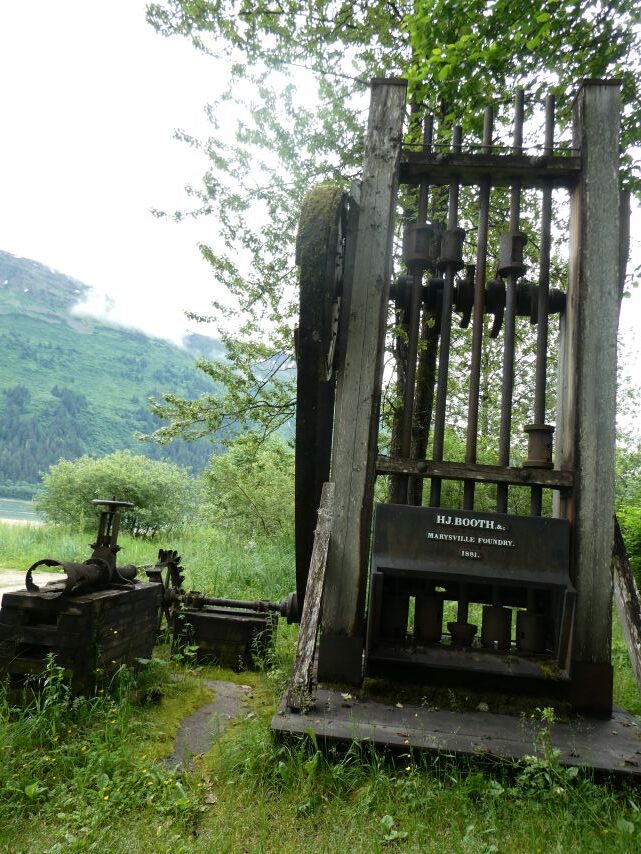
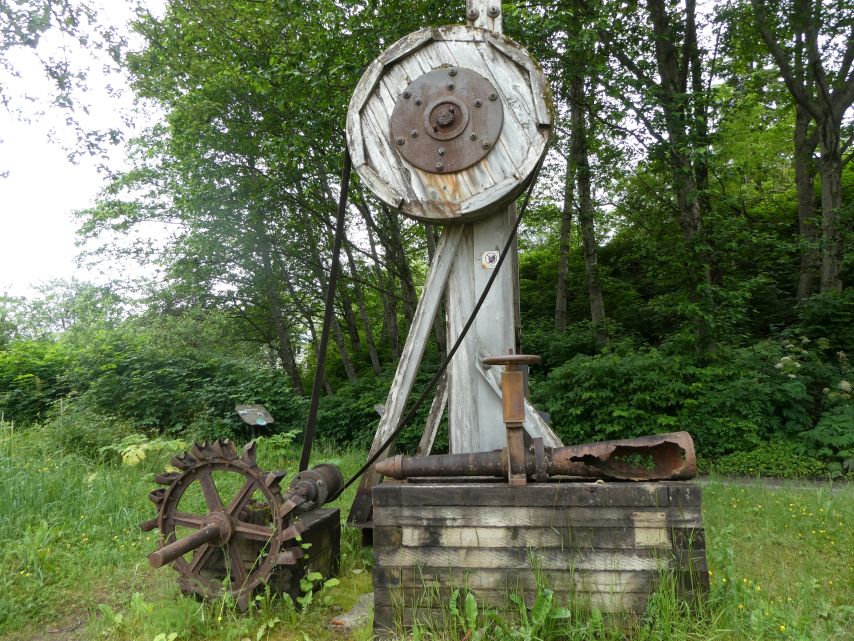
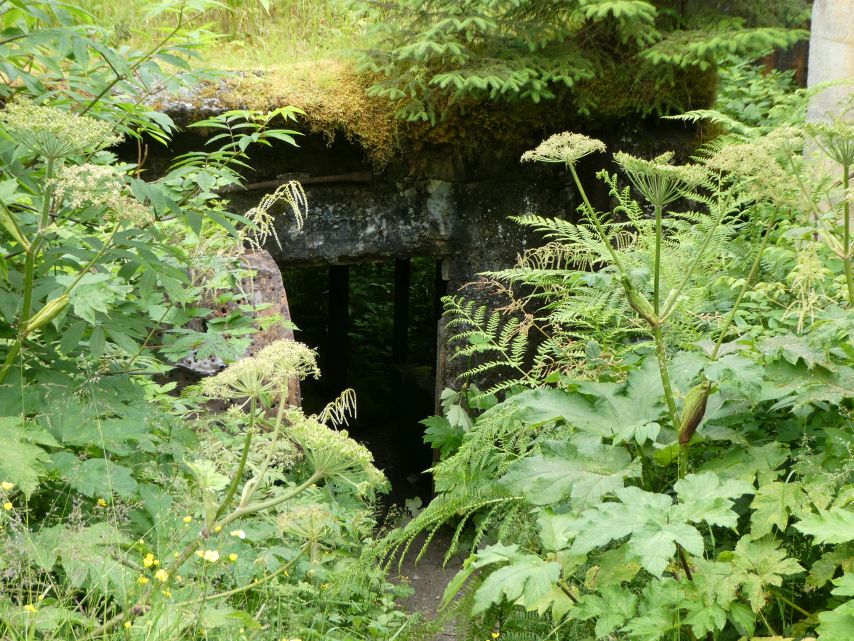
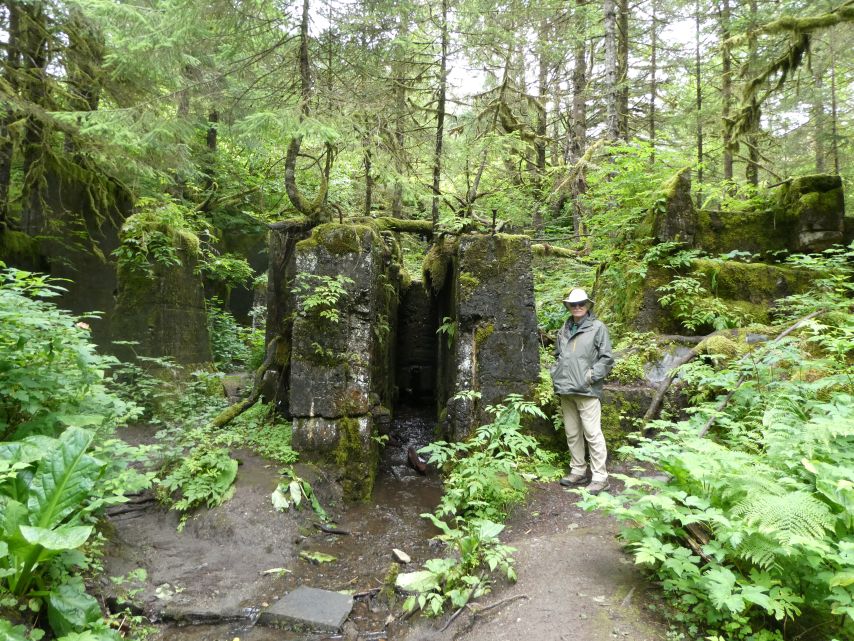
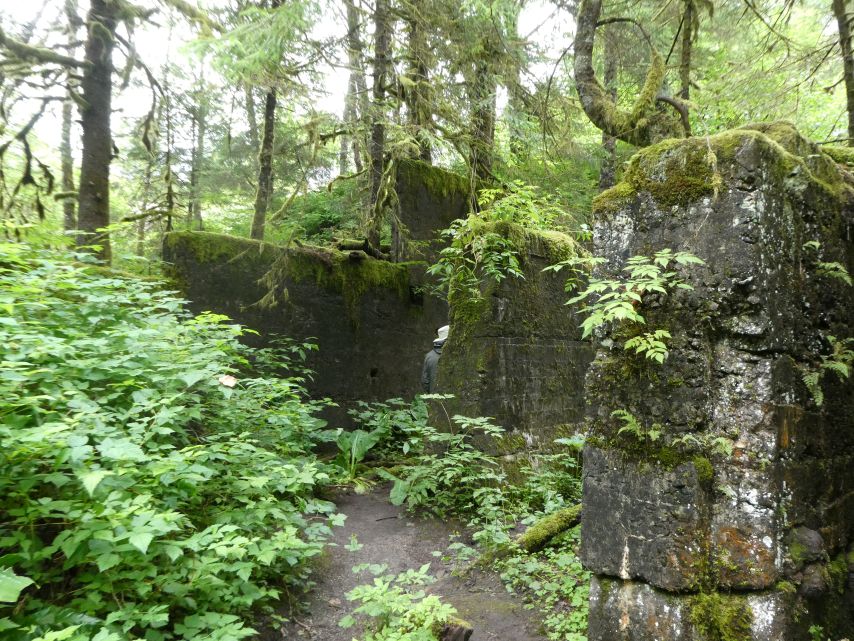
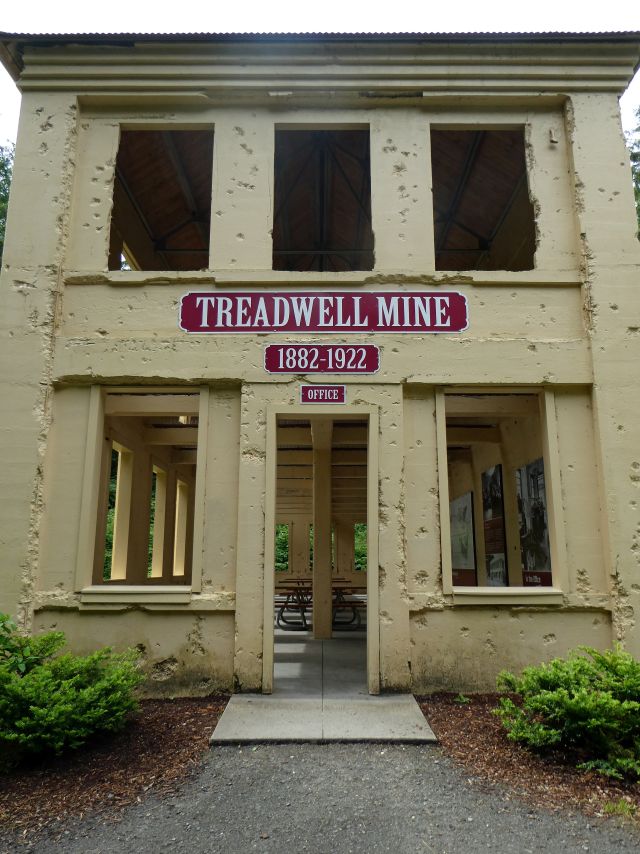
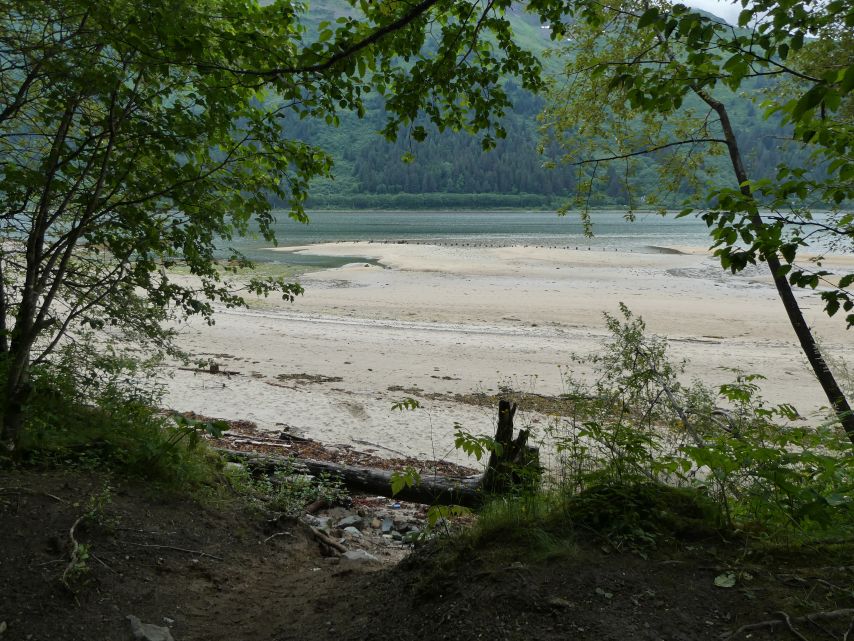
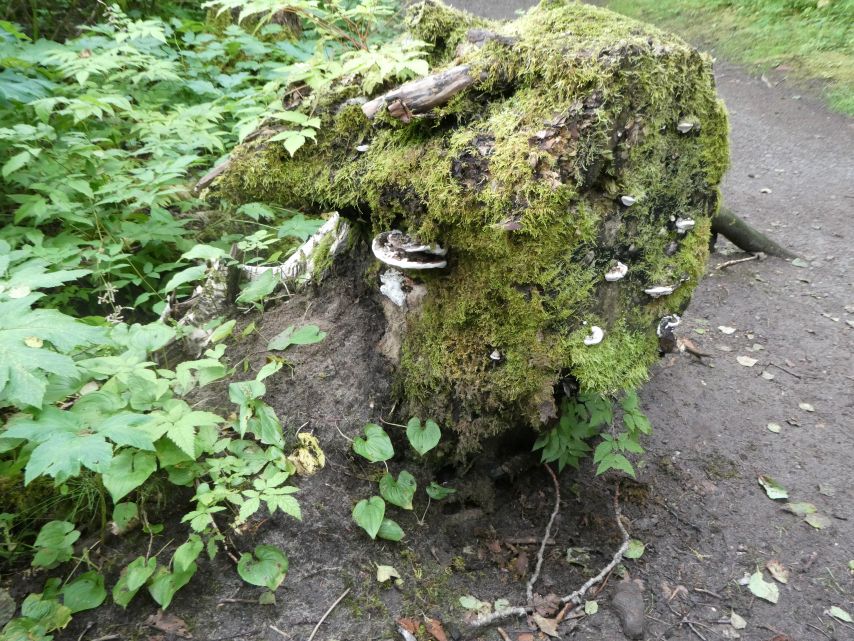
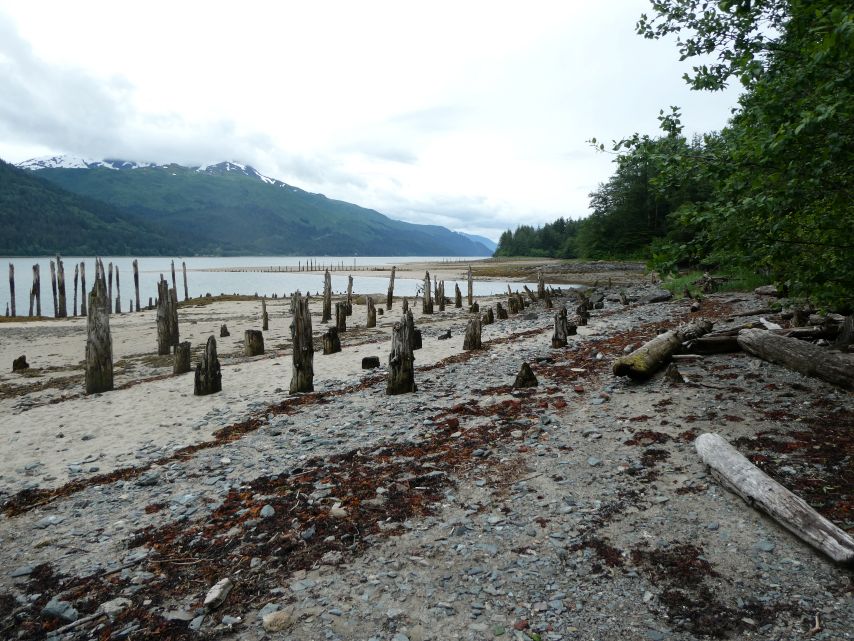
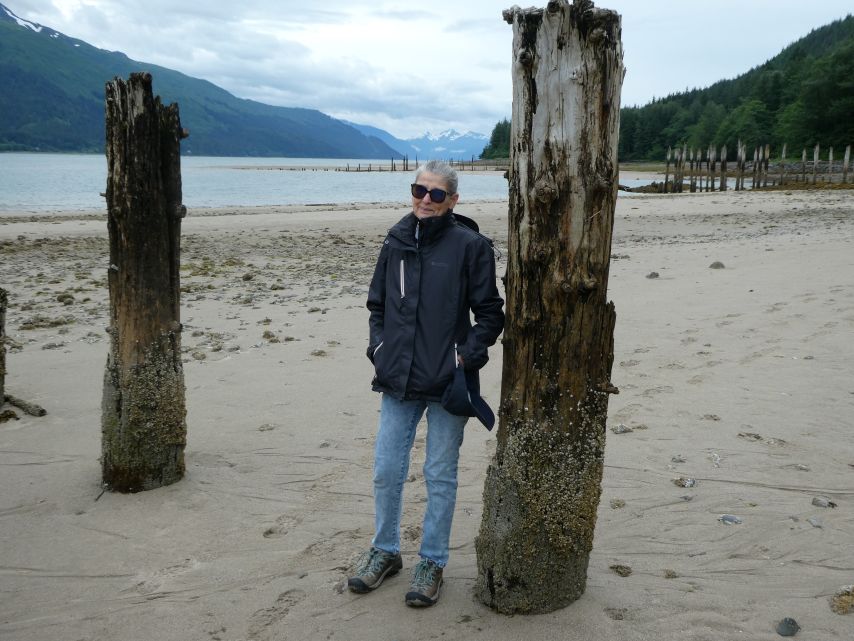
What a morning to remember—though rain was forecast for early afternoon, the skies held long enough for us to slip away on an impromptu hike, and what a treat it turned out to be. We wandered into the echoes of history at the Treadwell Mine, once the largest hard rock gold mine on Earth, its legacy stretching from 1882 to 1922 across Douglas Island just opposite Juneau. Now peacefully reclaimed by nature, the site is part of the Treadwell Mine Historic Park, where moss-draped ruins and quiet forest trails gently whisper the stories of its industrious past. We found ourselves captivated by the layers of time, soothed by the hush of spruce and alder, and delighted to stroll the curve of sandy beach that borders the site. If we’d had more hours, we would’ve followed the aqueduct’s path along the restored 14-mile Treadwell Ditch Trail—but for now, it felt like we’d uncovered a secret chapter tucked perfectly between the rain and the trees.
Five-Stamp MillPart of Five-Stamp MillReclaiming the ForestReclaiming the ForestReclaiming the ForestInterpretive ShelterSandy BeachReclaiming the ForestRemains of Treadwell NatatoriumView across the Channel Keeping Watch
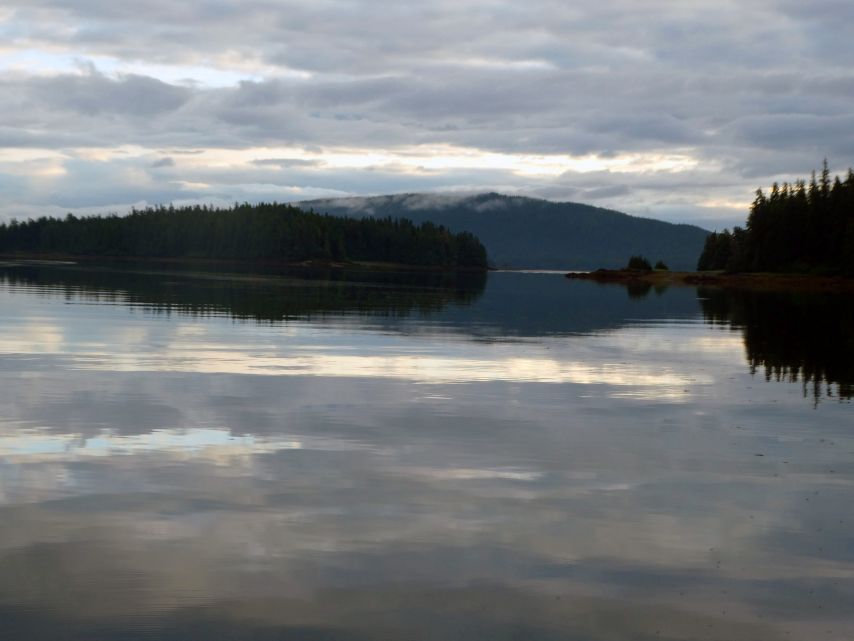
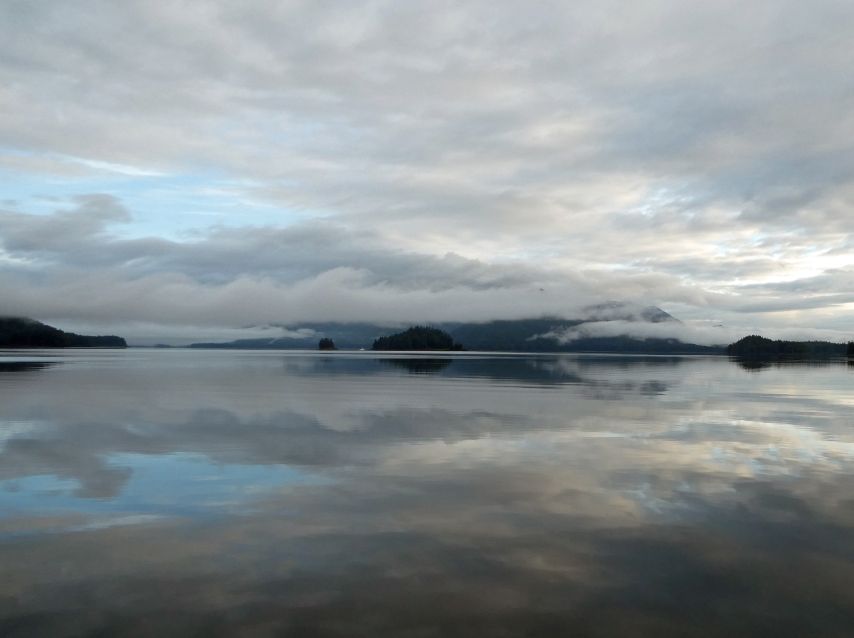
What an enchanting morning—the water was a canvas of reflections, light dancing on the ripples like brushstrokes in motion. After weighing anchor, we wound our way slowly past the rocks and shallows, reentering Stephens Passage with quiet anticipation. This stretch holds a special place in our memories—last year it gave us more than 40 whale sightings. We hoped for an encore.
We weren’t disappointed.
By the time we reached Seymour Canal, the water came alive with whale blows. Their misty exhalations caught the light and marked their presence like punctuation on the horizon. Last year I chased photos, trying to capture the perfect shot. This time, I simply watched. Letting the moment unfold without a lens between us made every sighting feel more intimate.
We reached Juneau by midafternoon, as planned—but found no space to tie up. Plan B: we crossed the Gastineau Channel to Douglas Island, where we’ll stay tucked in until the approaching weather front moves through.
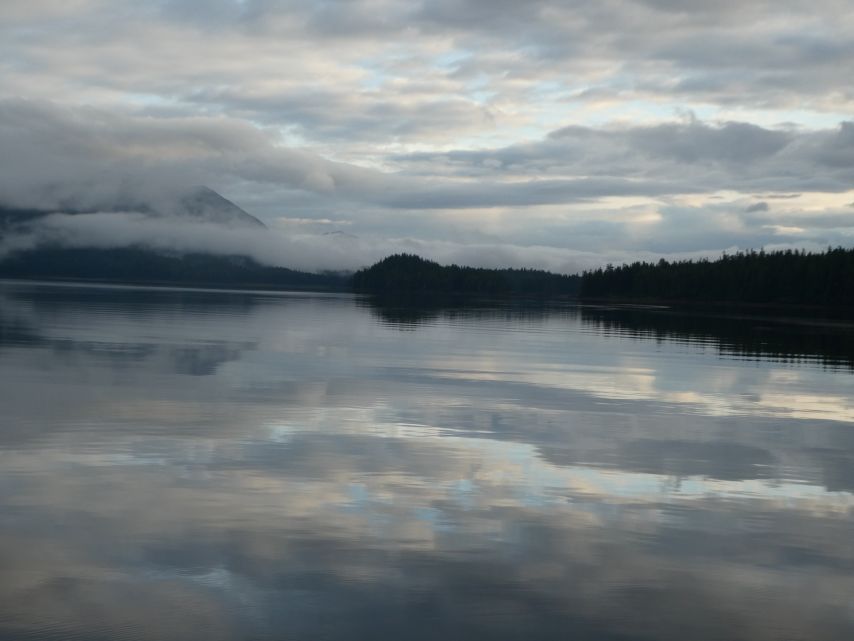
Morning at Snug Cove – Reflections
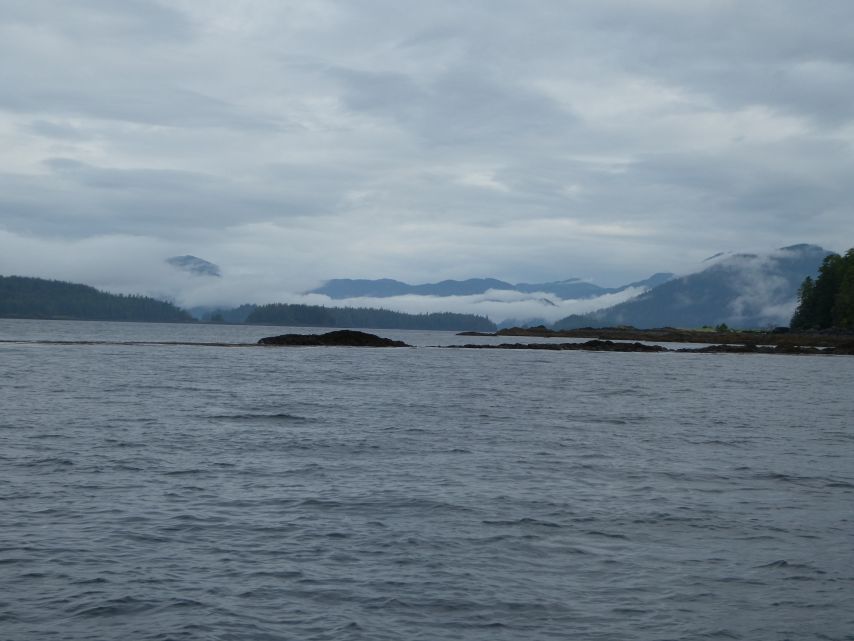
Threading carefully through rocks and shallows we eased out of Snug Cove.
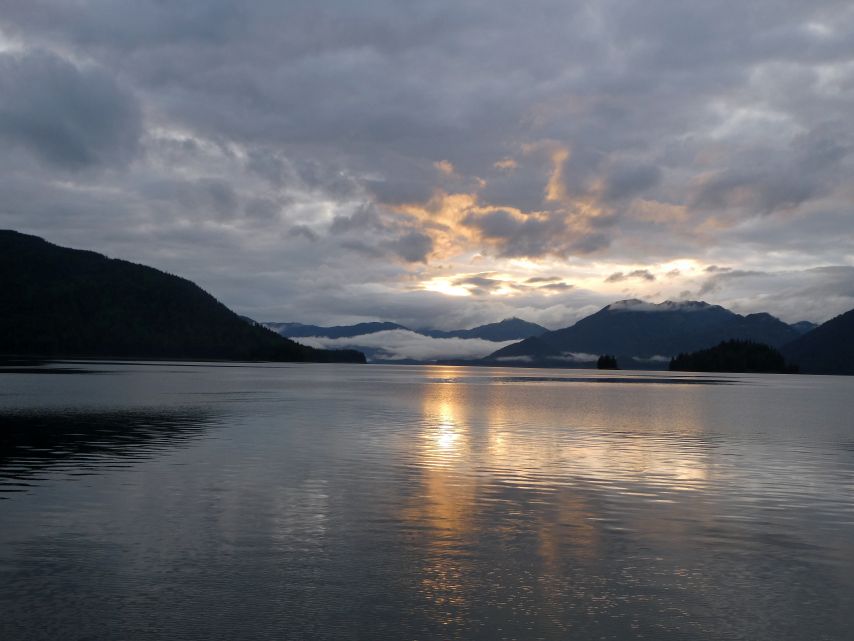
We slept cradled in the rhythm of chine slap, the boat whispering its lullaby against calm waters. Morning arrived with a gentle promise—the cove still as glass, and the sun shyly peeking from behind misty curtains. It never quite took the stage. By the time we lifted anchor, Monday had transformed into a brooding presence, full of low clouds, fog banks, and gusty wind. A few fleeting sun breaks teased us along the way.
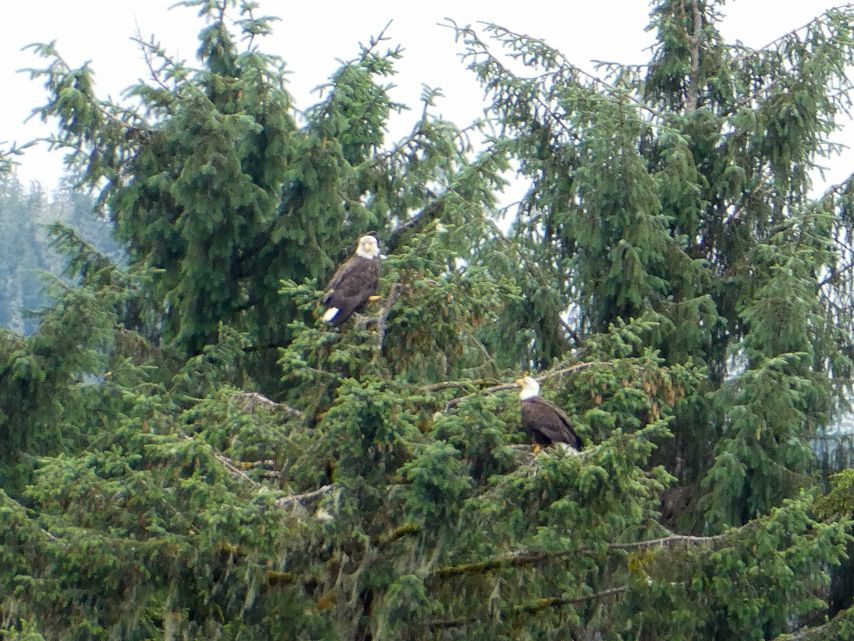
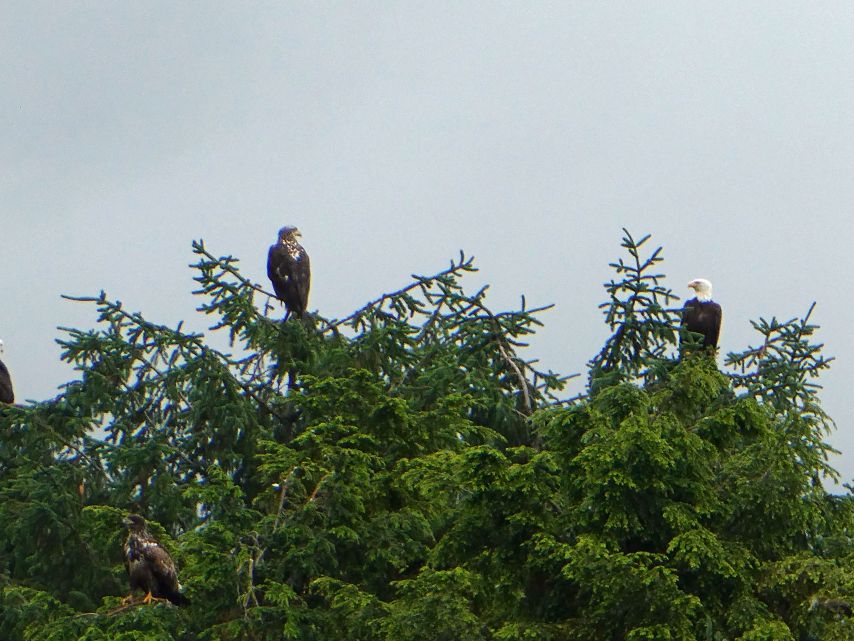
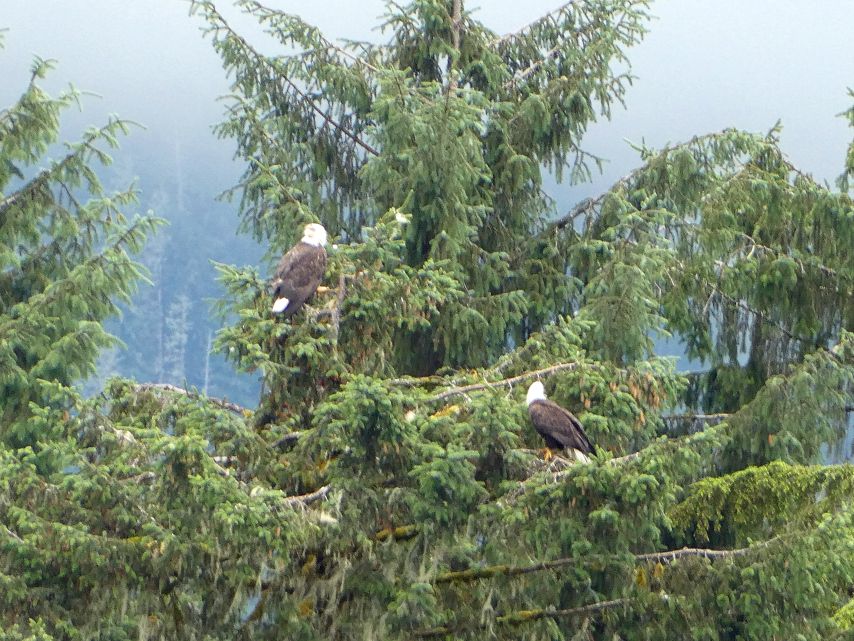
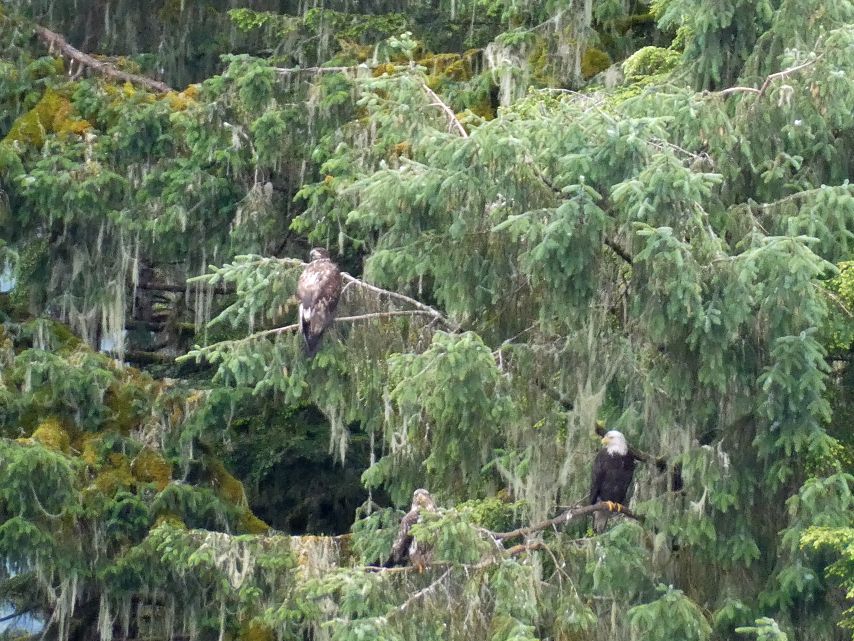
Despite the limited visibility, the day shimmered with wild encounters. Bald eagles stood sentinel along the shore, regal and still. Then came a sudden flurry of joy—about a dozen dolphins raced around our boat, making us feel like guests of honor at a marine celebration. But the true showstopper was a pair of humpback whales gliding silently past, just fifty feet off our starboard side. They passed us like living legends, their massive forms slipping beneath the surface with effortless grace.
Later, we sought a quiet place to anchor in Cannery Cove. The best spots had already been claimed, so we scouted several possibilities. None felt quite right. In the end, we pushed onward for another four hours until we found solitude at Snug Harbor West, the only boat in sight—a place to rest and reflect.
A storm is forecast to arrive Thursday. Tomorrow, we’ll put in a long stretch, aiming for safe harbor in Juneau before the weather turns. The sea, as always, sets the tempo—and we follow.
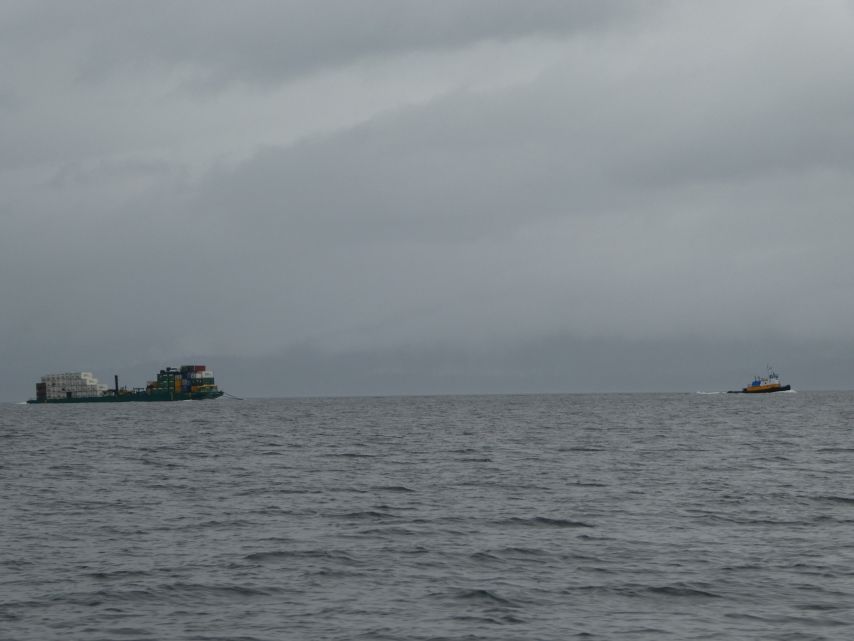
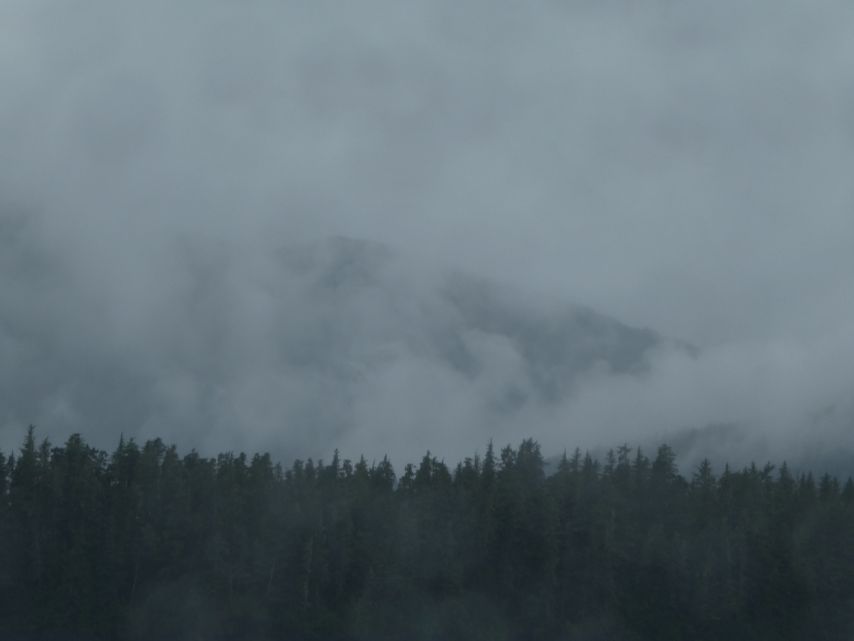
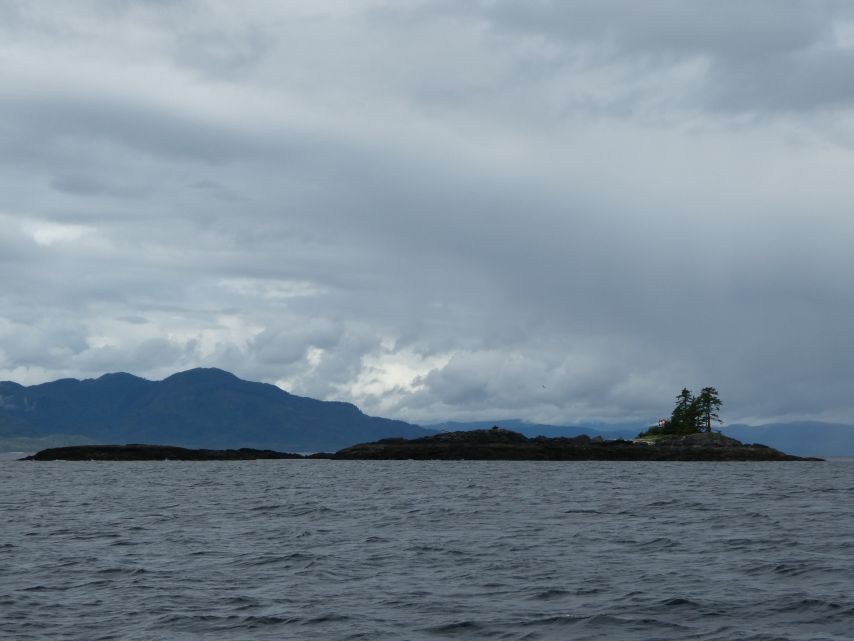
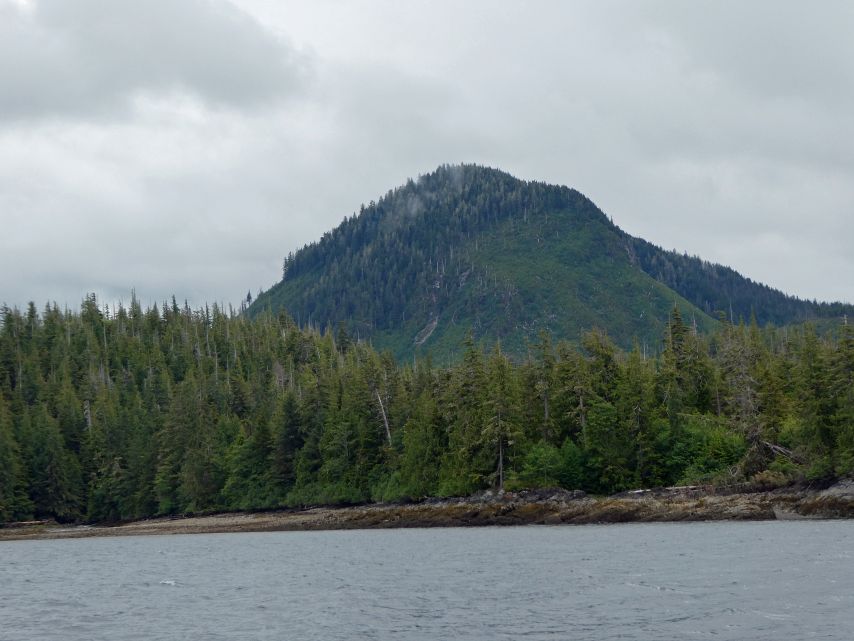
Fishing for CrabsDelphinus IIArtic TernFoggy DayHoping for SunRainTug and TowRainMountain FogRainSnow in the MtsMountain FogFog is Lifting RainEntering Snug HarborRain is goneEagles on the BeachEveningSnug Harbor Sunset
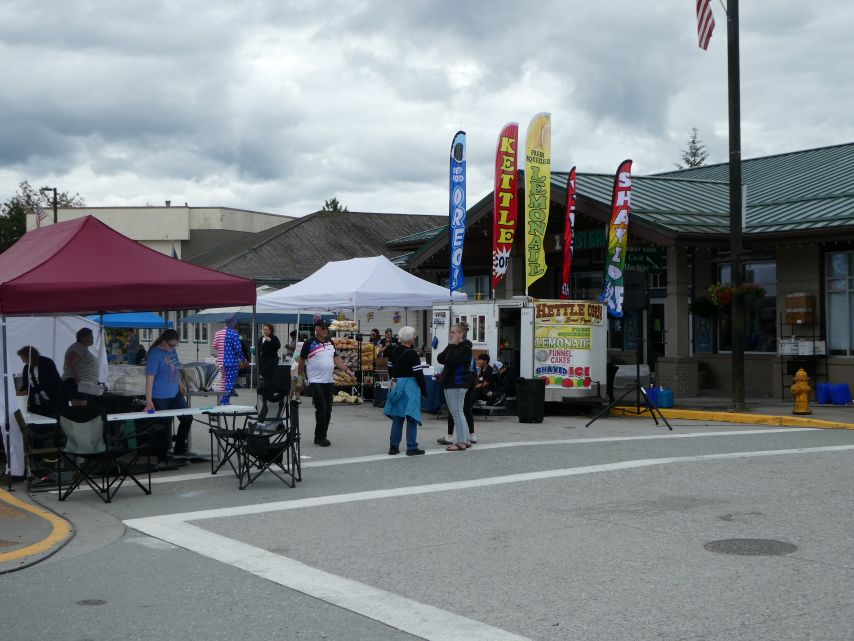
The day began quietly for us—with the luxury of sleeping in, wrapped in the gentle lull of the harbor. By the time we settled into breakfast, the unmistakable sound of celebration had started to spill through the air: marching bands, voices cheering, the cadence of a parade rolling down Main Street just out of sight.
Rather than dive into the festivities, we chose the quiet route—the kind only those with time and curiosity can enjoy. We stepped away from the bustle, following the shore’s edge until the sea guided us to the entrance of the Hungry Point Trail.
The trail was calm, a world away from the fireworks and fanfare. Muskeg marshlands stretched around us, hushed but alive. The boardwalk wound through spongy terrain where sundews glistened and long-dead spruce trees stood like sentinels of time. The air was soft with peat and pine. At one bend, a deer moved through the sedges, as unaware of the holiday as it was graceful.
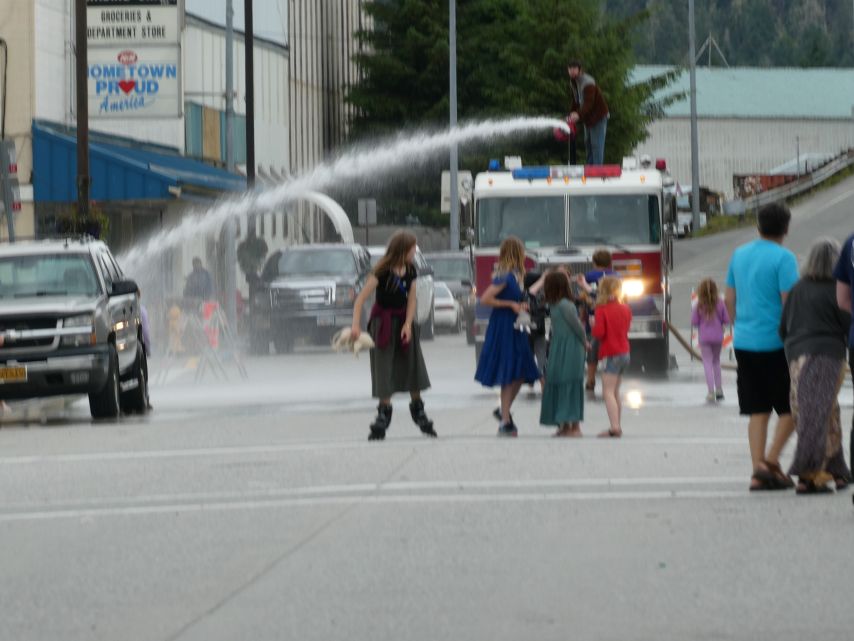
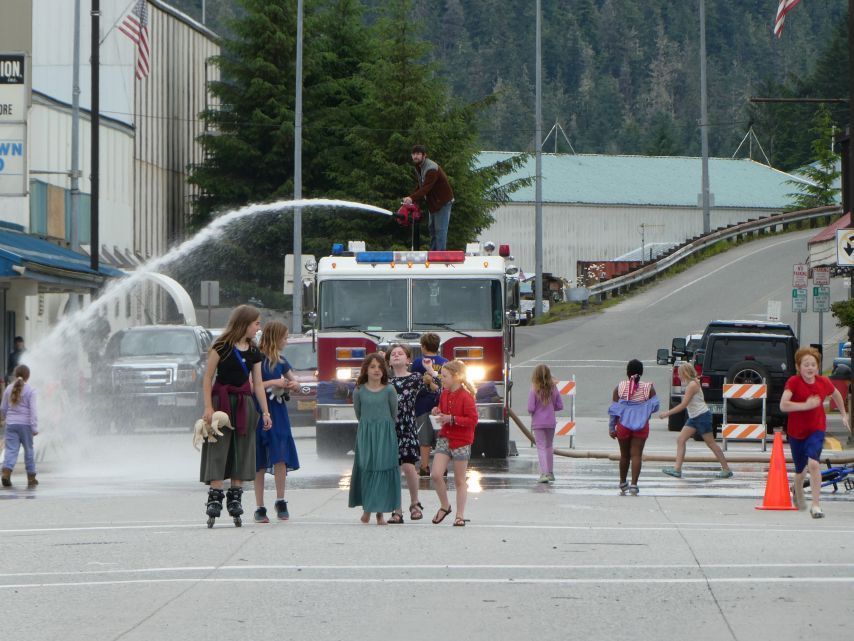
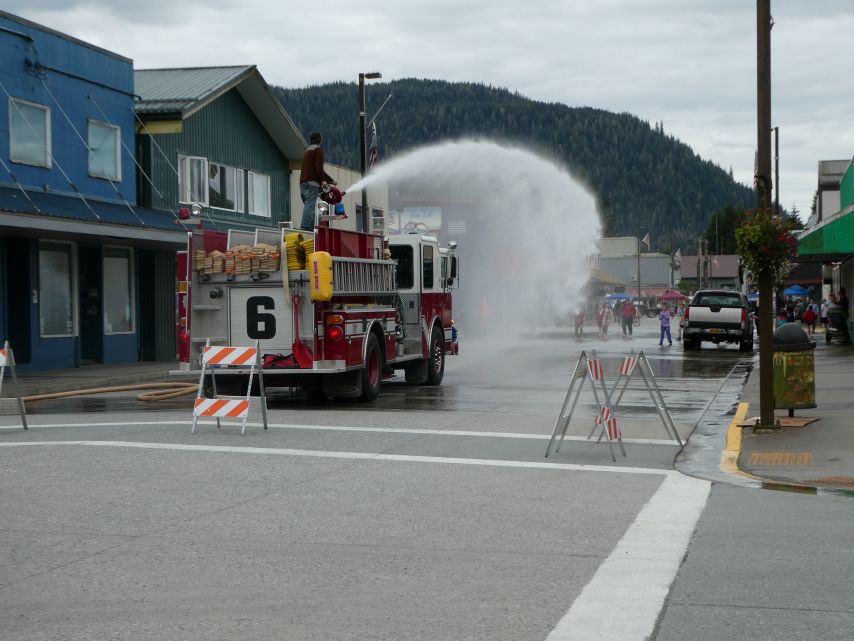
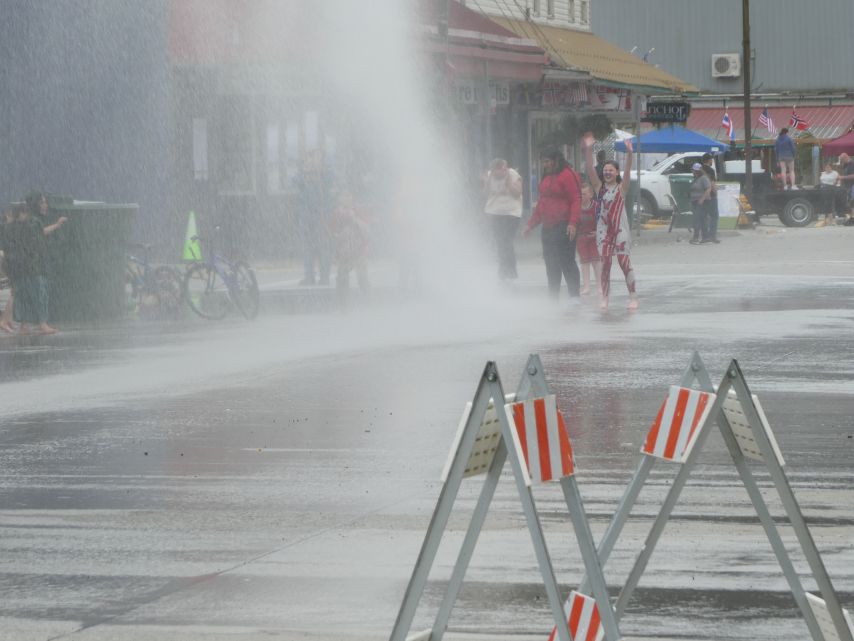
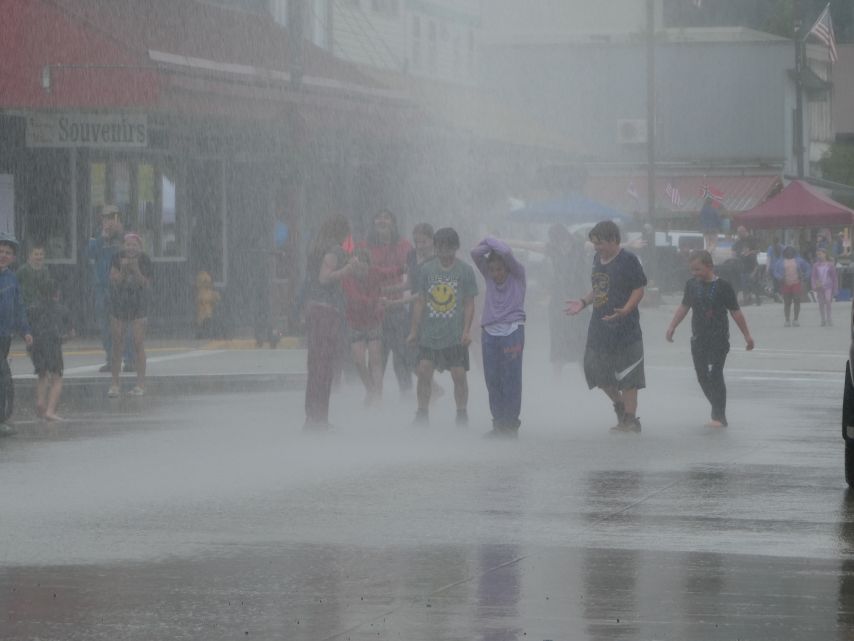
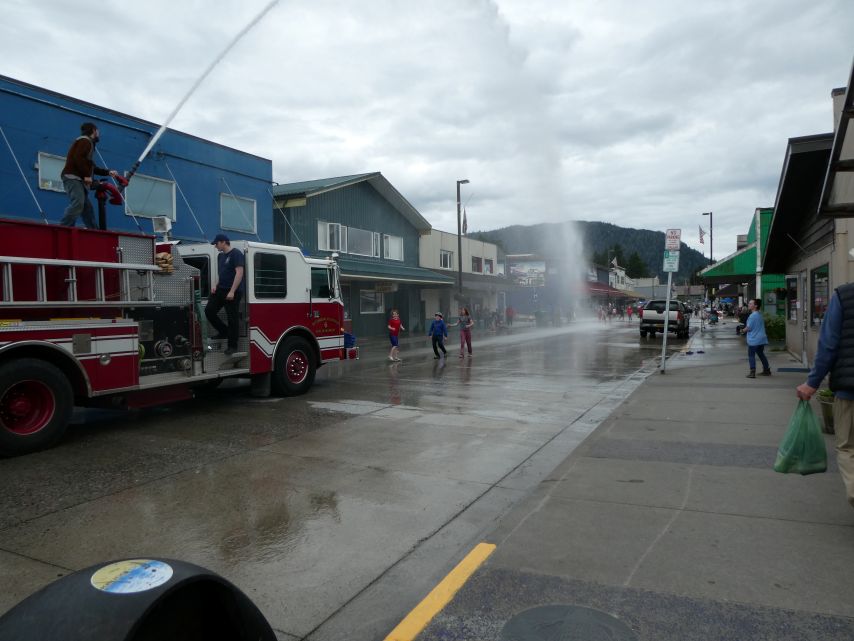
Returning to town by way of back roads, we found the festivities winding down. The fire department was stealing the final spotlight—hoses turned loose in joyous streams down Main Street. Kids shrieked and danced under the spray, soaked to the bone and loving every second. The firefighters, beaming, made sure no one left dry. It was laughter turned liquid.
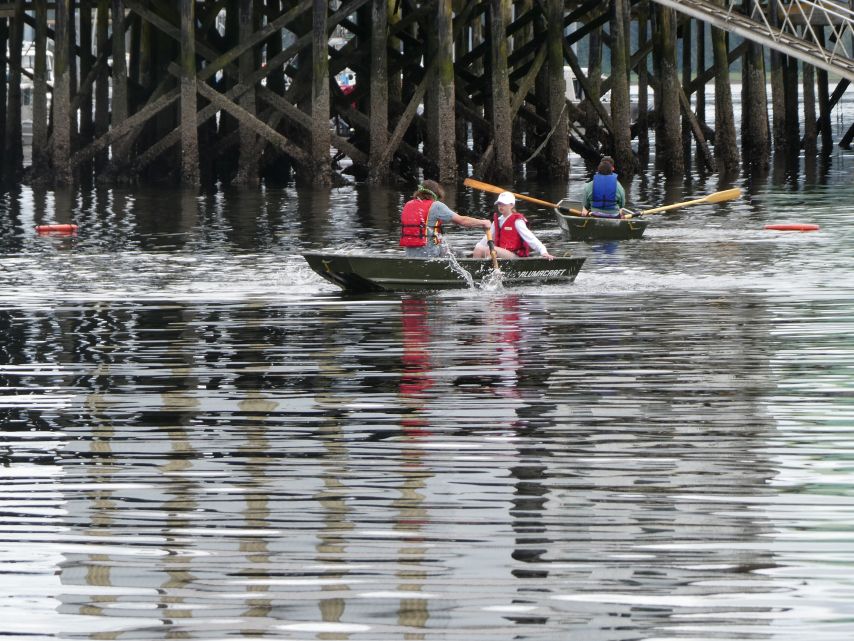
And just when we thought the day had offered its last surprise, the docks gave us one more delight—a blind rowboat race. Grown-ups paddled in wild circles, laughter bouncing off the water while spectators cheered them on. It was the kind of spectacle that only small-town magic can conjure—equal parts ridiculous and heartwarming.
By evening, we returned to our boat with smiles lingering, grateful to have witnessed a town’s celebration not just in its parades, but in its marshes, its joy, and its quiet corners. The sounds of celebration drifted behind us, but peace had returned with the tide—and with it, the perfect end to a well-walked loop.
Wrangell’s Fourth of July celebration is a beloved tradition that transforms the town into a vibrant hub of community spirit and festive energy. For Wrangell, the Fourth isn’t just a holiday—it’s a heartfelt reunion, a showcase of local pride, and a joyful tribute to resilience. We’d enjoyed our time there last year, joining in the colorful festivities. But this year we arrived a day late, and the only space available for the weekend was a slip without power. So we opted for a walk, soaked in the evening atmosphere, and decided to make our way to Petersburg.
It turned out to be the right call. The weather was cooperative—no rain, calm conditions—and we encountered minimal traffic on the 22-mile passage through Wrangell Narrows. Often described as one of Southeast Alaska’s most navigationally complex waterways, the Narrows is a winding corridor lined with more than 60 navigation aids, guiding mariners past shoals and through tight turns. The passage is too narrow and shallow for large cruise ships, making it a proving ground for fishing vessels, tugs, and small craft. Tidal timing here is everything—certain stretches allow no turning back, and transiting demands total focus and faith in your charts and gear. It’s not just a challenge—it’s a rite of passage, stitched into Alaskan maritime lore.
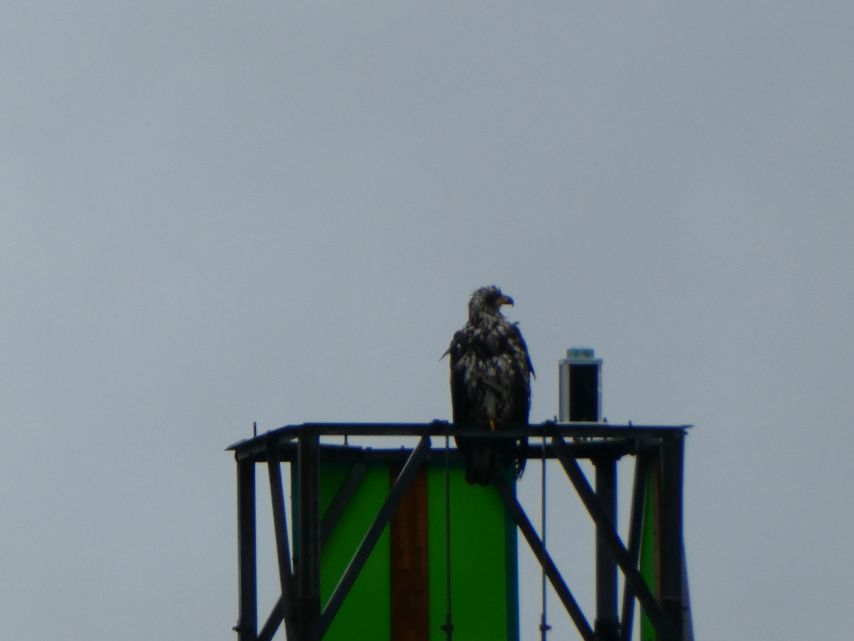
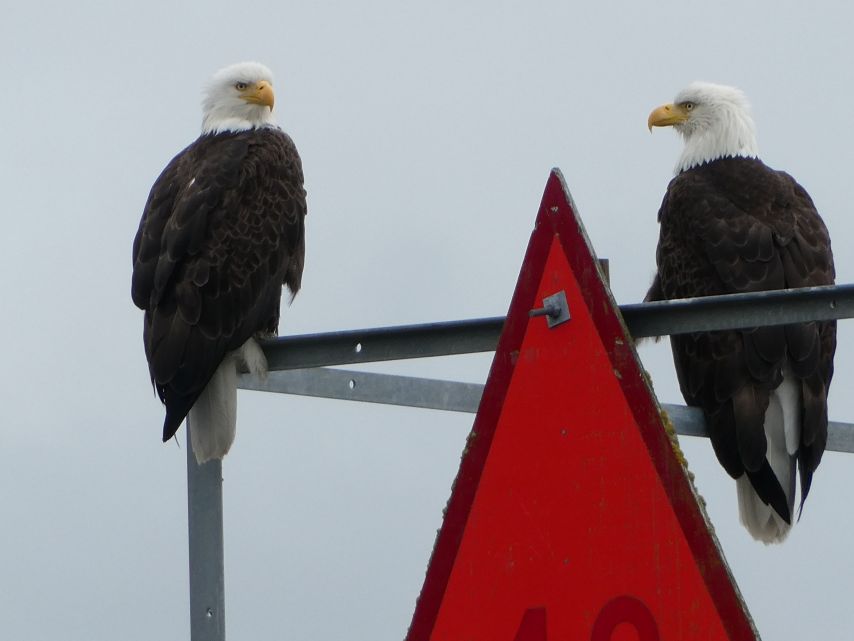
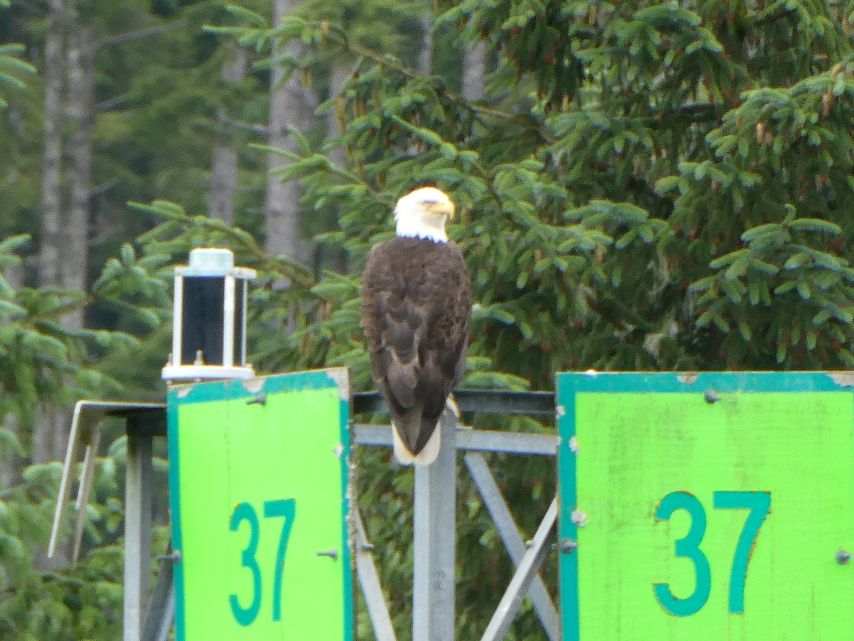
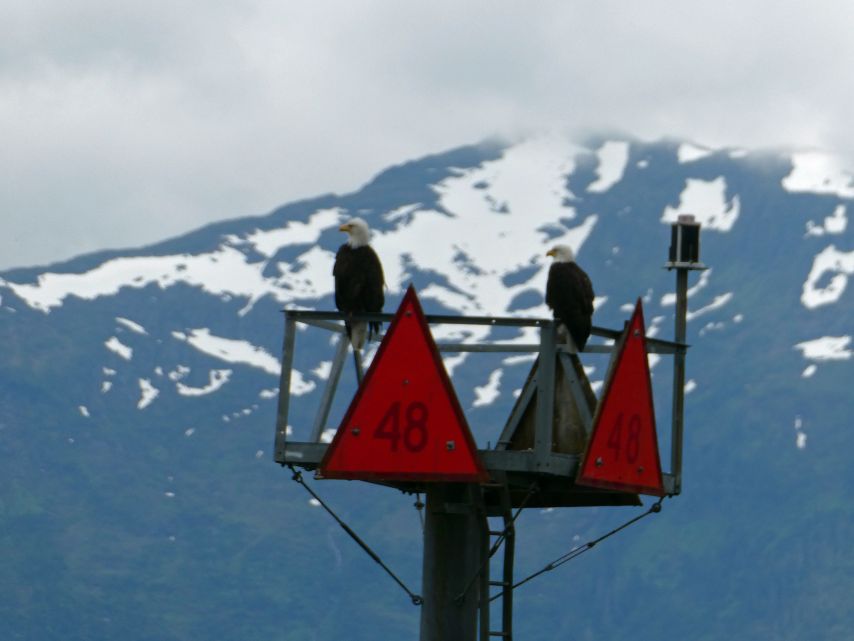
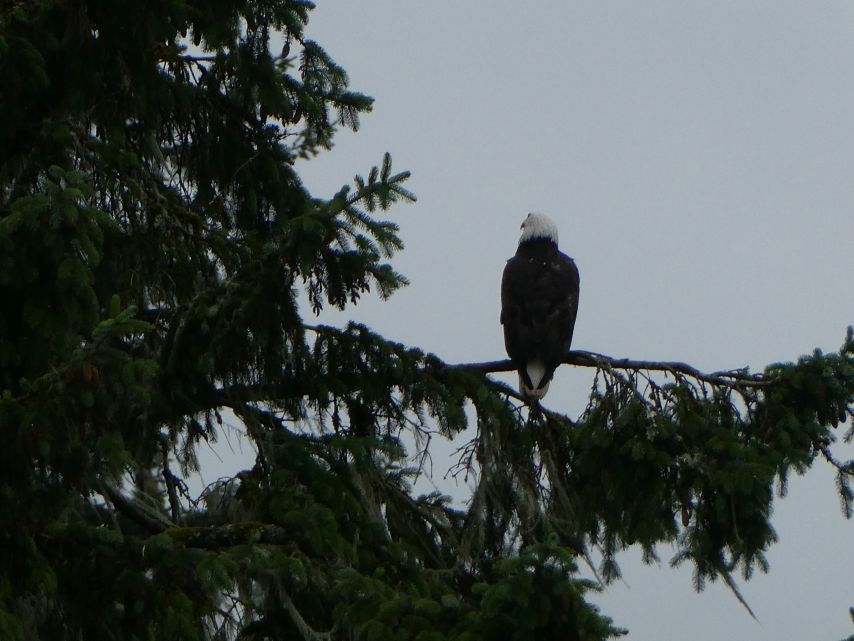
Our first transit was in July 2024. We were apprehensive at first, fully absorbed in the aids to navigation and the rhythm of passing boats. No small talk, no time for photos. But this time was different: traffic was light—mostly Paradigm Lost and a few fishing boats—and though fog clung to the trees and mountains, visibility on the water was surprisingly good. Eagles were everywhere, perched in Sitka spruce and atop channel markers like watchful spirits, and I had time to grab a few pictures.
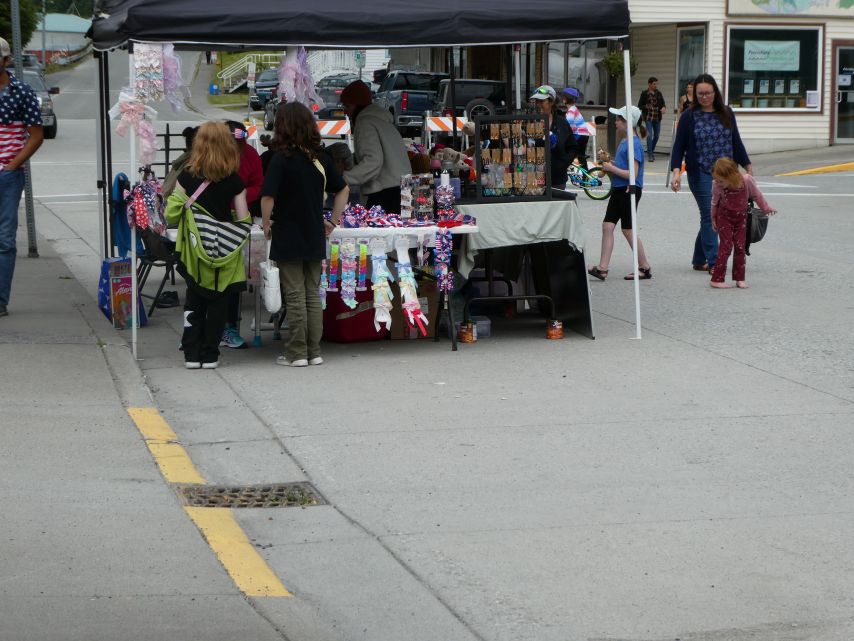
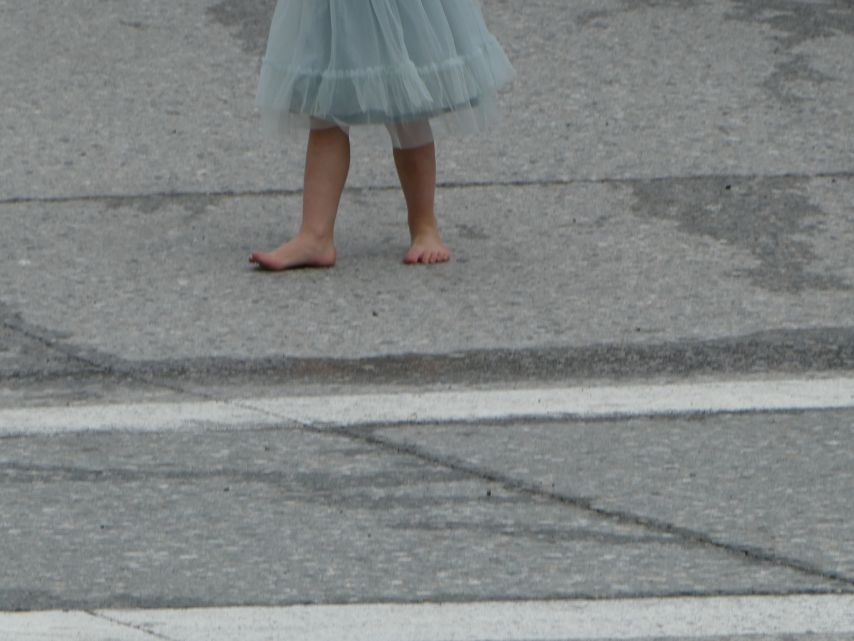
Once in Petersburg, we secured a slip at North Harbor for the weekend. After tying up and catching our breath, we walked into town to find the Fourth of July festivities already underway. Children were gathered in the streets, laughing and playing with pure delight. There’s something deeply comforting in watching joy unfold like that—simple, shared, and timeless.
By the time we reached Petersburg, we were running on little sleep and a lot of gratitude. Up before five, minds sharp from navigating the Narrows but bodies worn thin, we wandered back to the boat, shared a simple dinner, and let the day’s events settle into memory. Afterward, we walked the docks beneath the lingering summer light, trading stories with fellow mariners and savoring the calm.
It was of particular interest that three couples on our dock had completed the Great Loop—a rarity in the Pacific Northwest, where loopers seldom wander this far from the familiar arc. There was an unspoken camaraderie among us, a quiet understanding of what it means to plan thoroughly, stay the course, and place confidence in preparation, not chance. These conversations, nestled among boat lines and the murmur of the harbor, reminded us that every journey—loop or passage—has its own rhythm and reward.
Eventually, we returned to the boat and called it an early night. The town still buzzed with Fourth of July energy, but we had found something quieter: a shared moment of endurance, navigation, and belonging, tucked into the heart of an Alaskan summer evening.
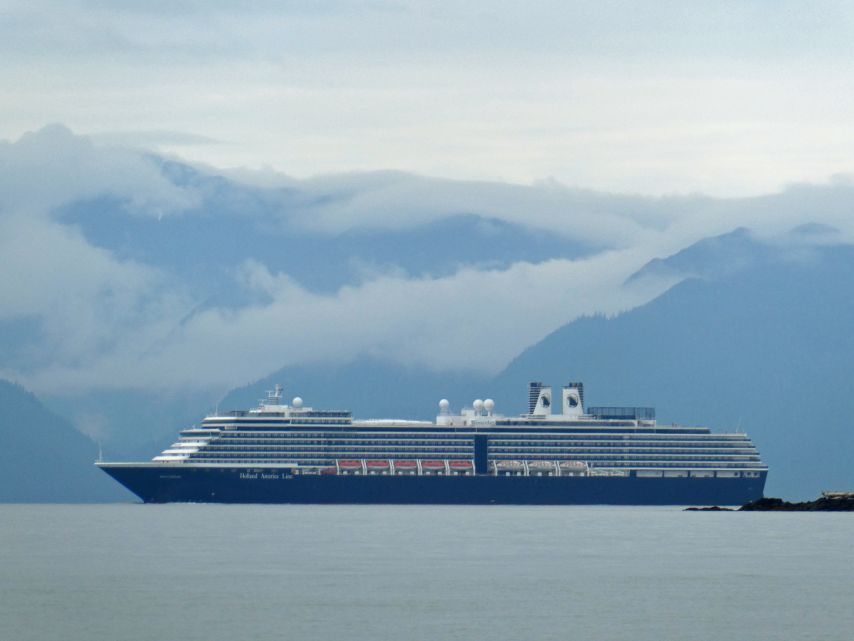
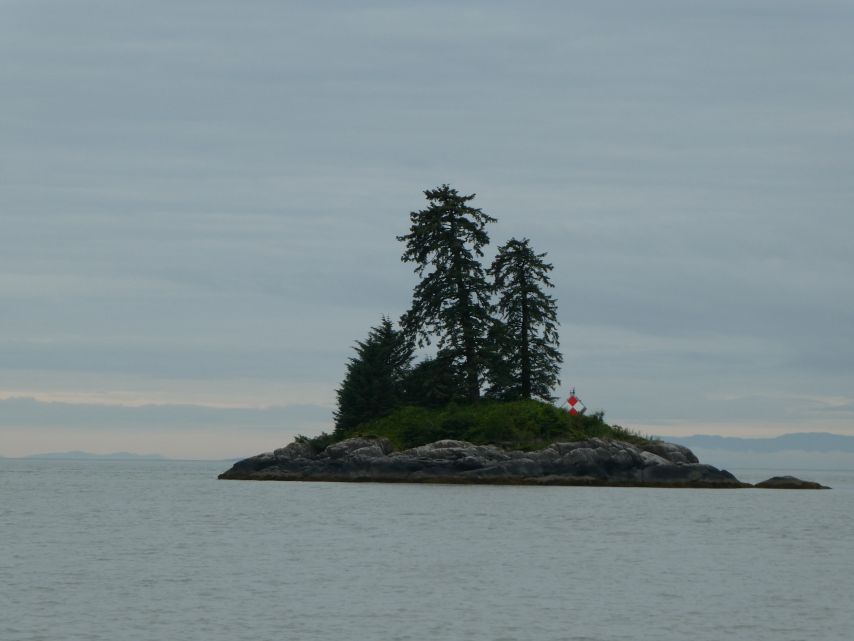
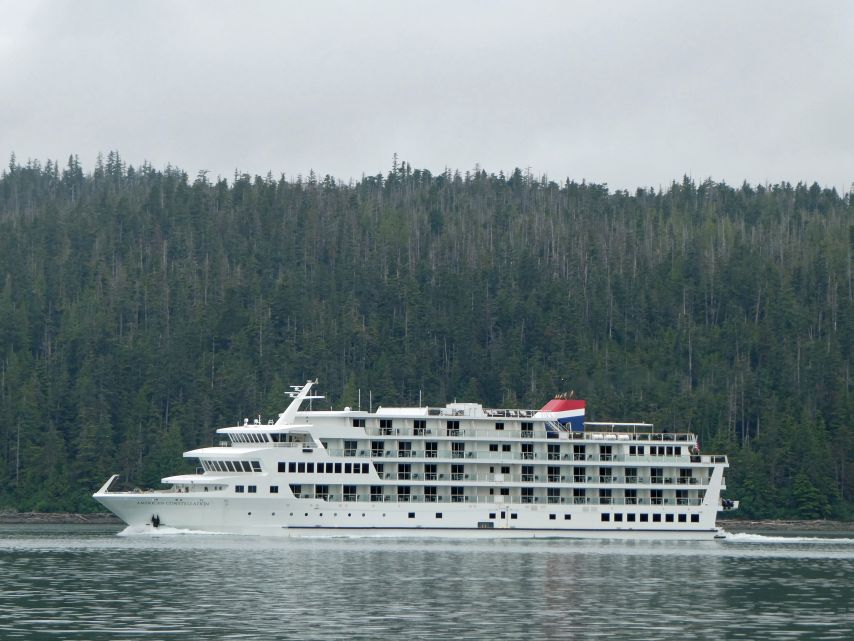
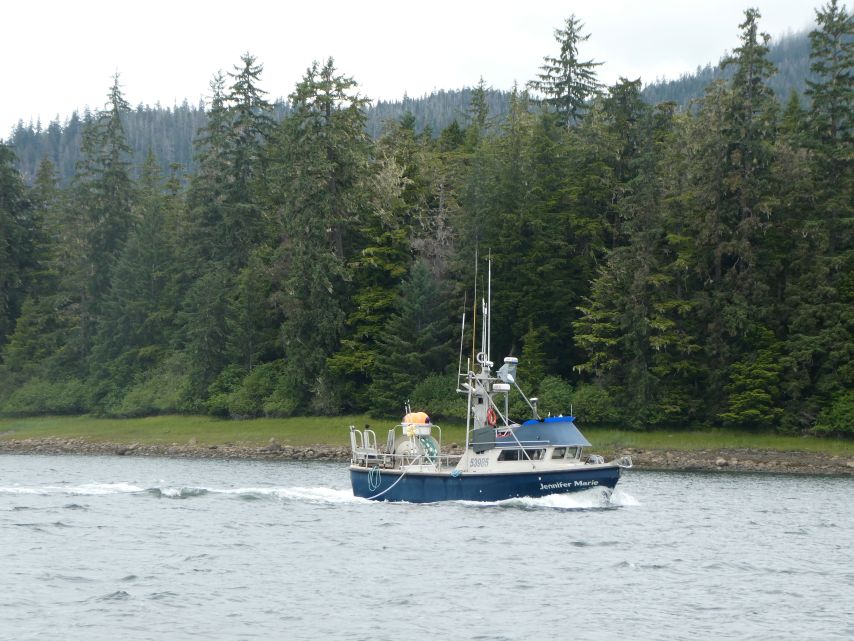
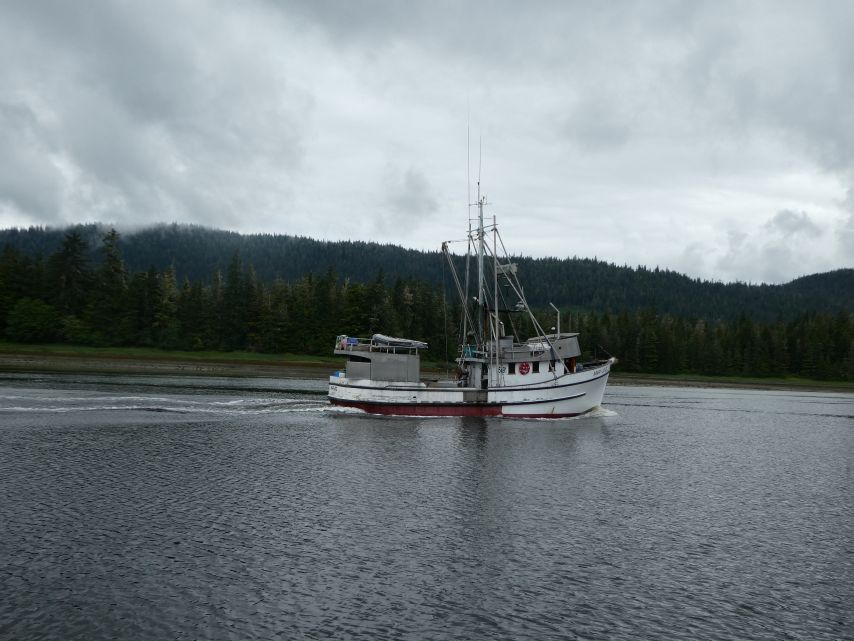
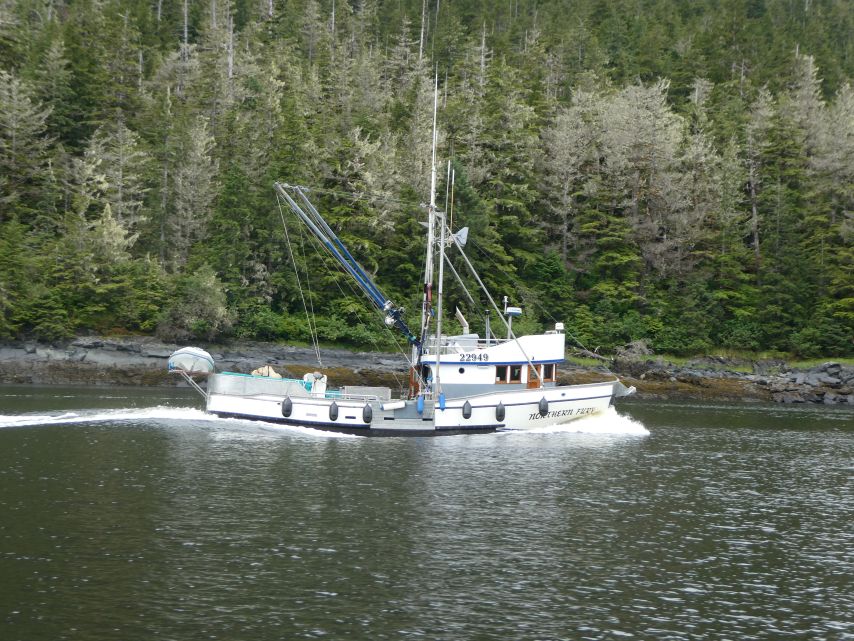
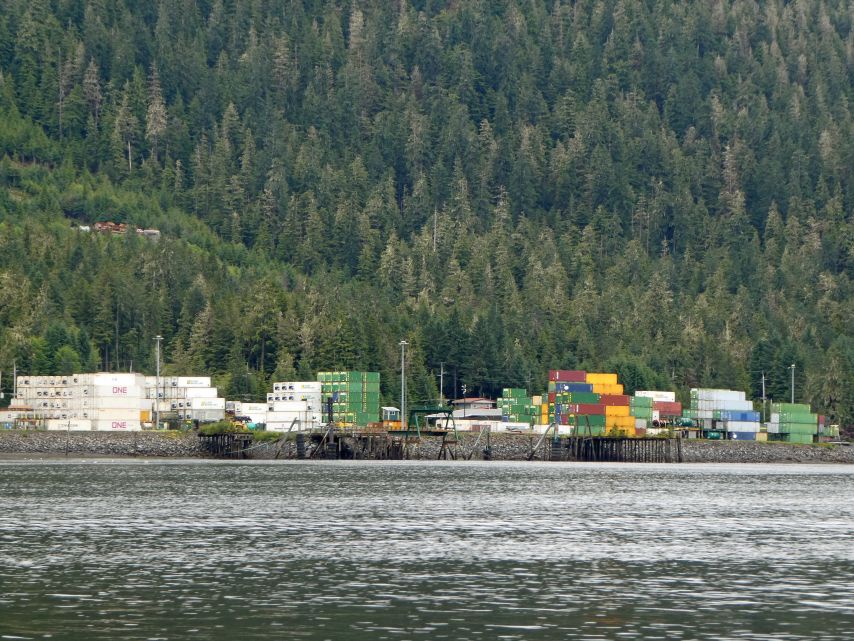
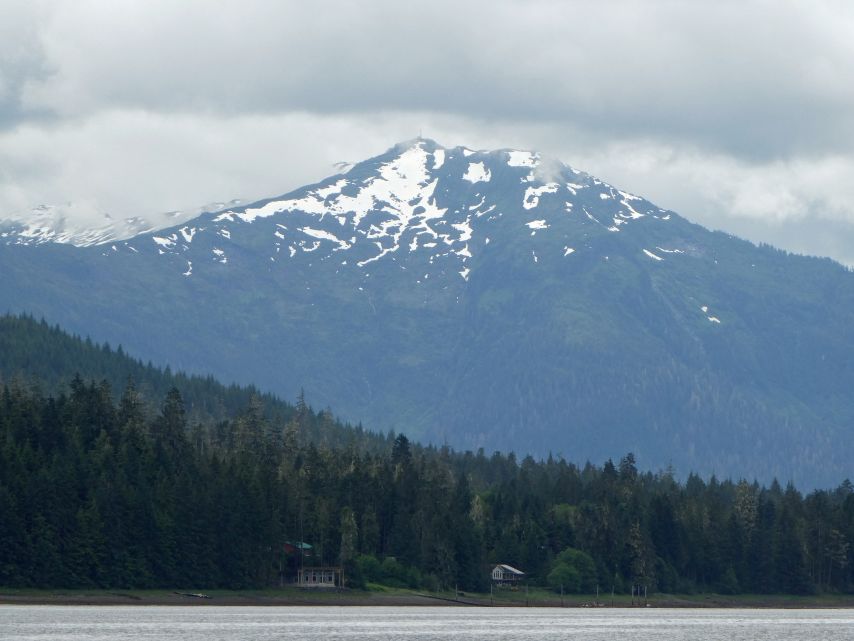
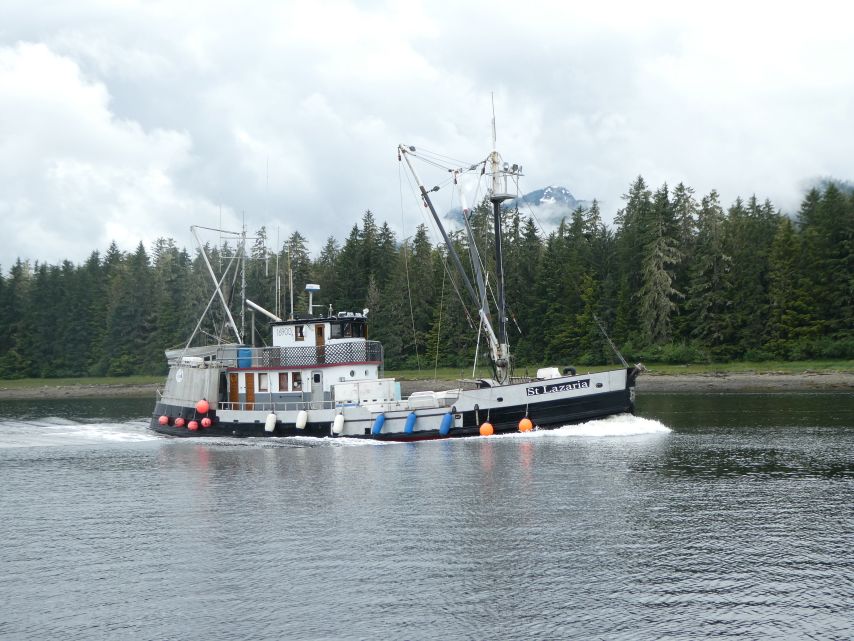
Alaskan DreamFive Mile IslandHolland America WesterdamTwo Tree IslandAmerican ConstellationJennifer MarieIsland Point LodgeMar Jo IINorthern FuryScow BaySt LazariaReef Shark
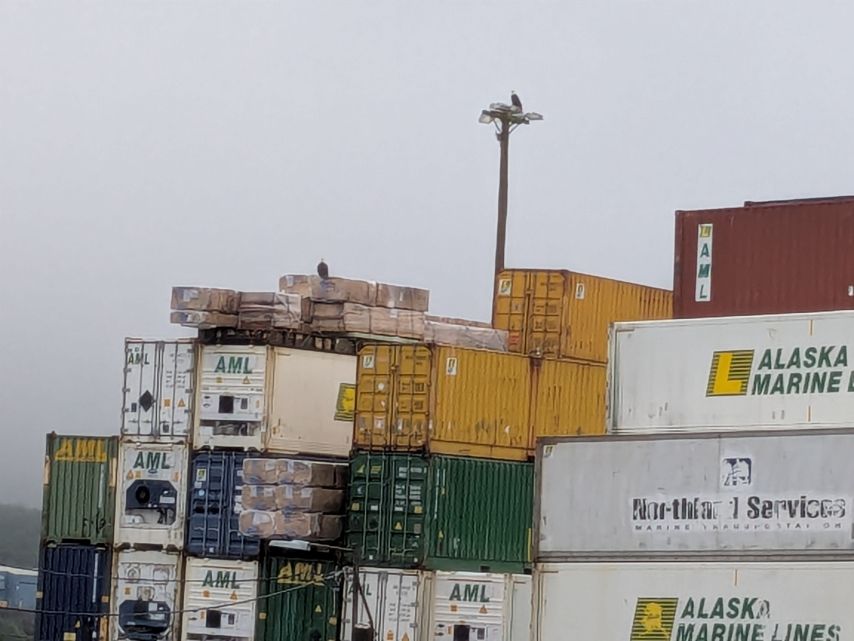
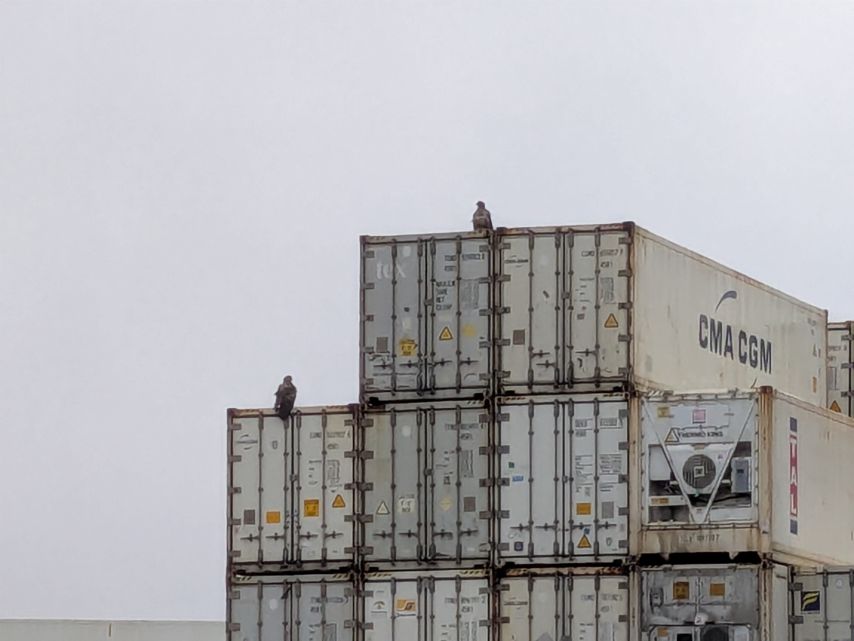
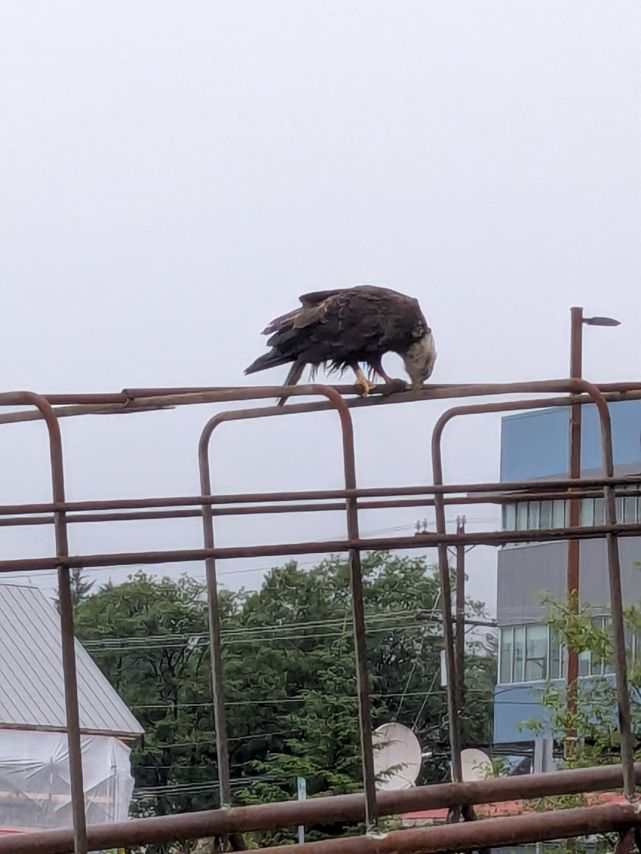
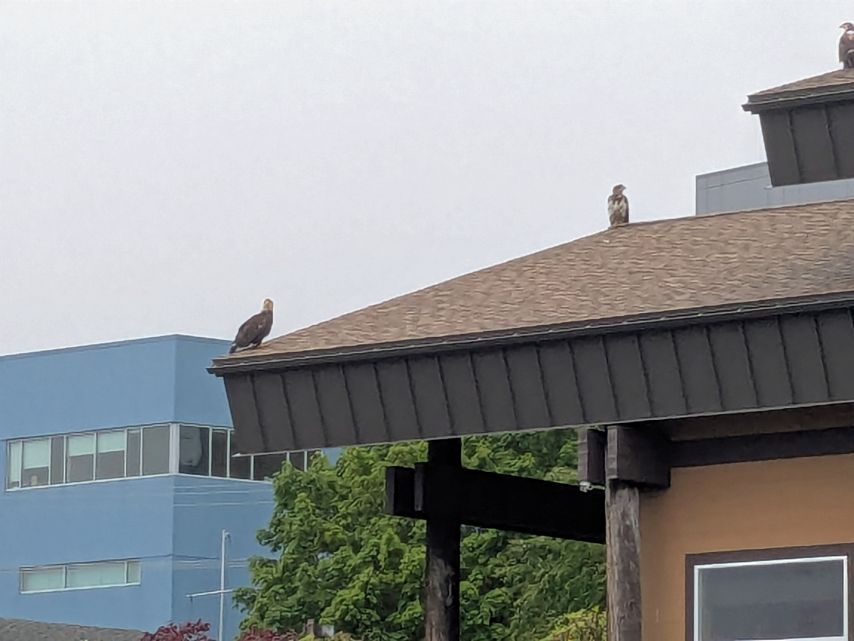
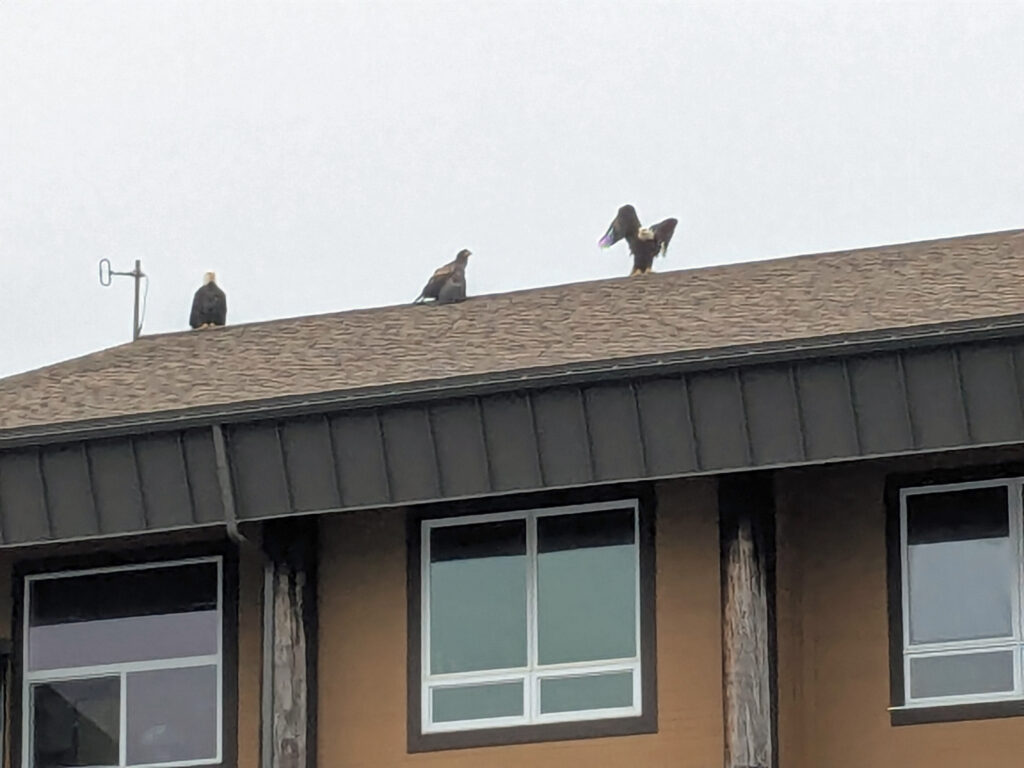
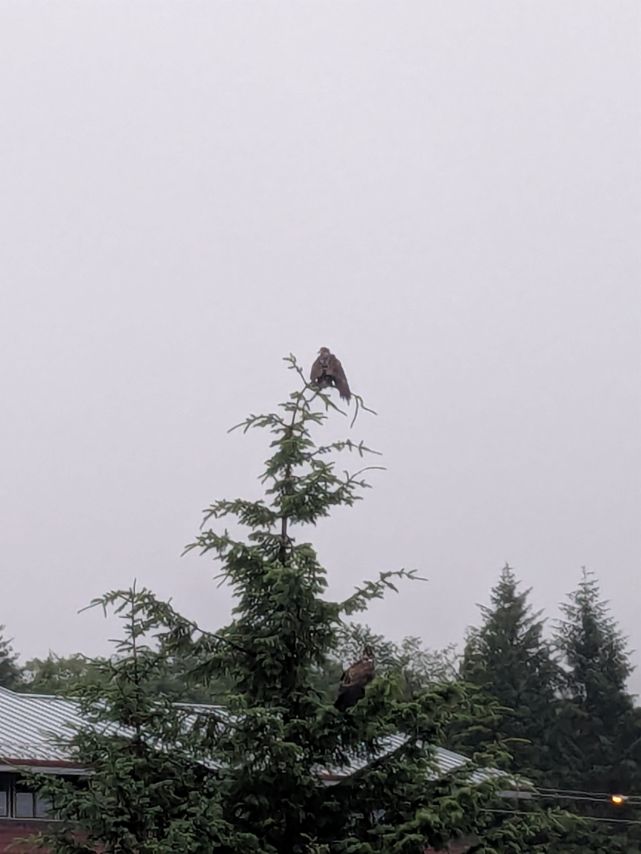
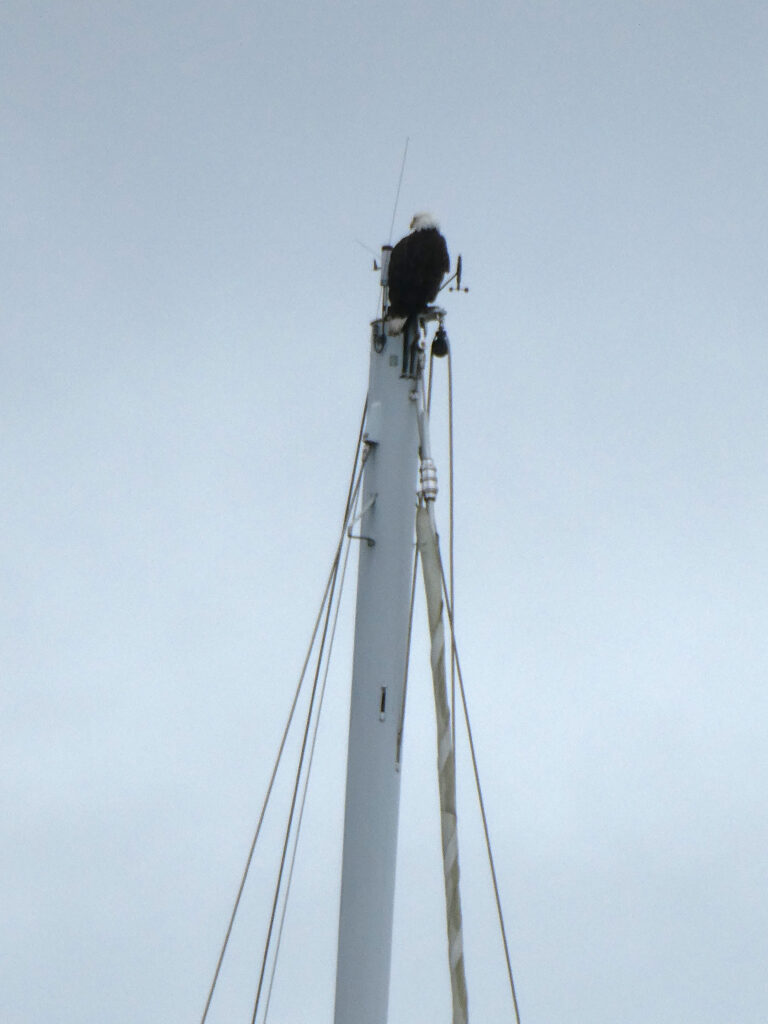
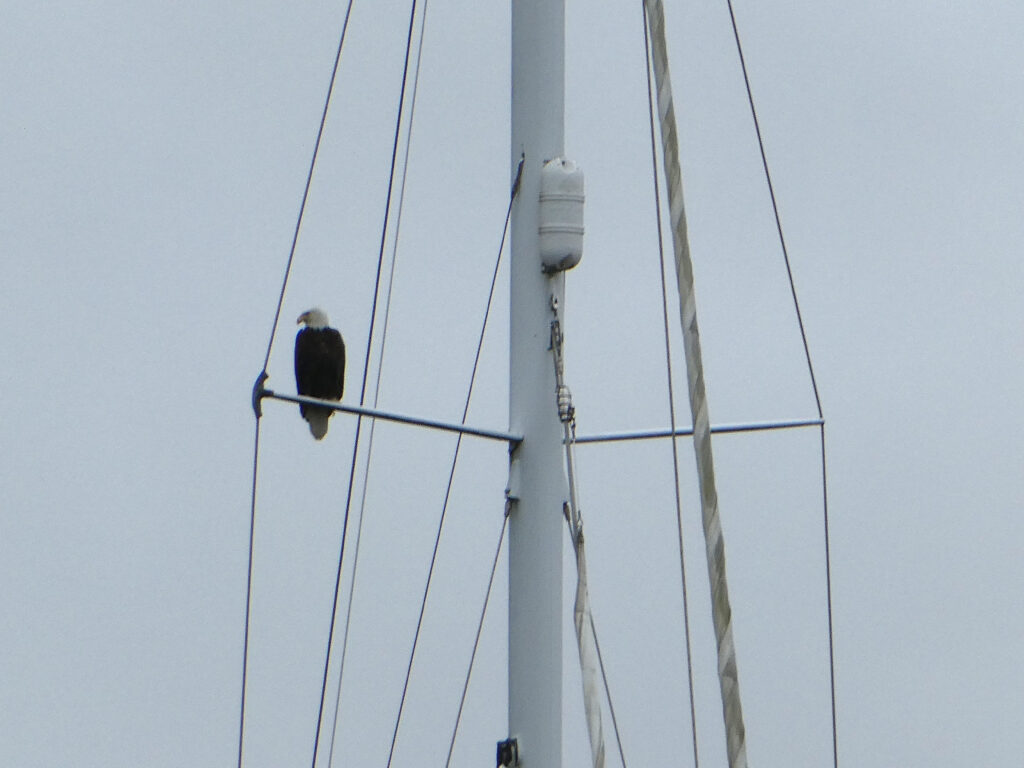
We just spent five wet and windswept days in Ketchikan, where the rain held court for all but five brief hours. I suppose that’s to be expected in a city often crowned the rainiest in America. Still, despite the near-constant drizzle, one of my favorite parts of our stay was the daily performance by the local bald eagles. Each morning, their spirited conversations filled the air, echoing across the harbor like wild applause from the treetops.
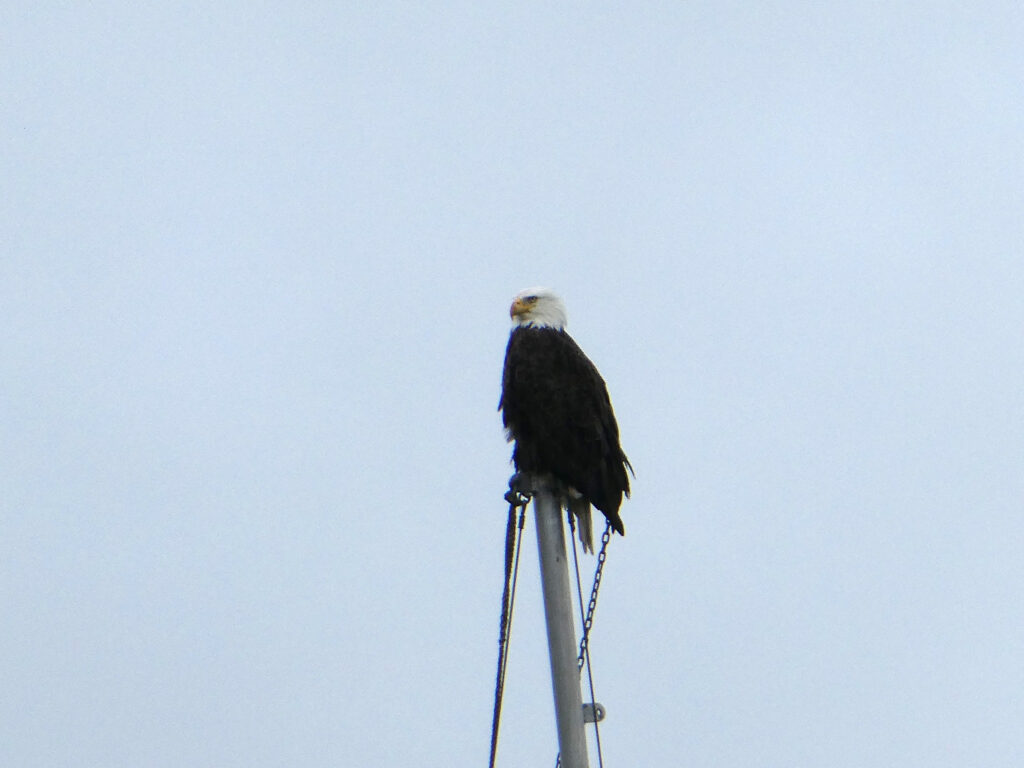
But this morning—they truly outdid themselves. Around 3:15 a.m., their chorus rose to an excited crescendo, loud enough to pull me from my sleep. By 3:30, with their chatter still in full swing, curiosity won out and I got up to peek outside. What I saw felt like something between a celebration and a congress: over 25 eagles had gathered in the marina, perched in every possible place—on trees, pilings, rooftops, and their favorite vantage point of all, the swaying masts of sailing boats. They all seemed to be speaking at once, their cries sharp and wild in the quiet dawn.
Perhaps they, like us, were celebrating a rare pause in the rain. As you’ll see in the pictures, a few were looking a bit bedraggled, their feathers thick with days of damp weather. Still, they held their dignity—watchful and proud, even when waterlogged. It’s worth noting that bald eagles are fiercely territorial, yet here they were, assembled in community, unbothered by one another’s nearness. Moments like these feel like reminders that even nature—regal and untamed—recognizes joy in reprieve.
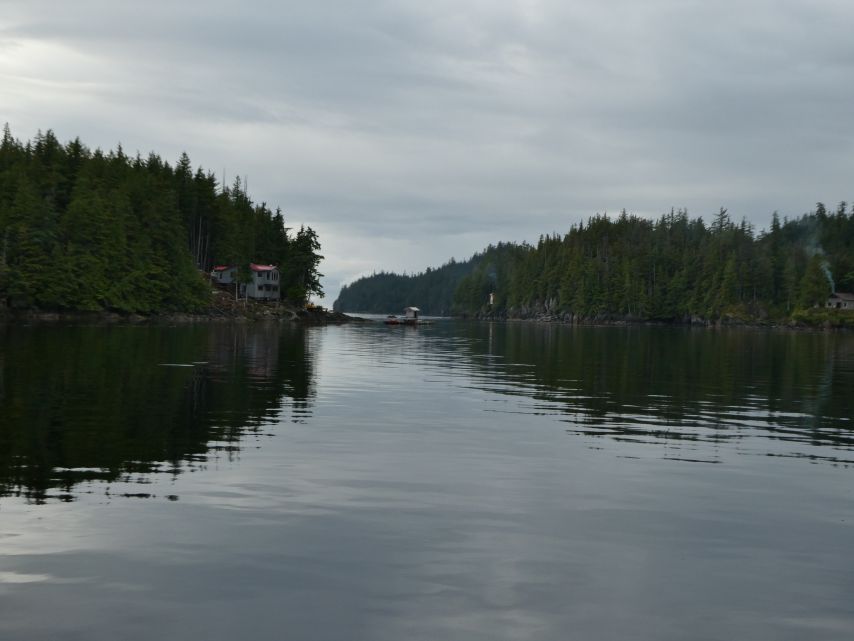
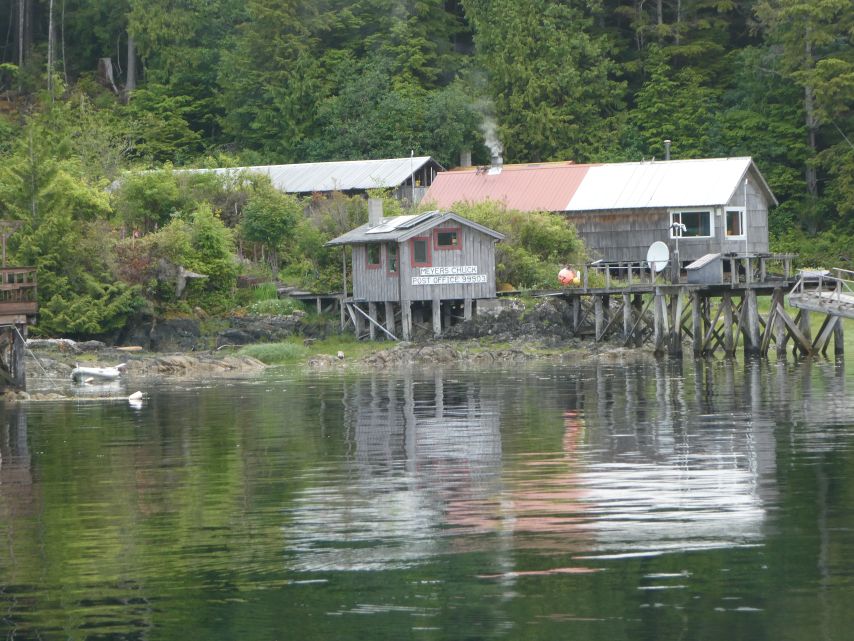
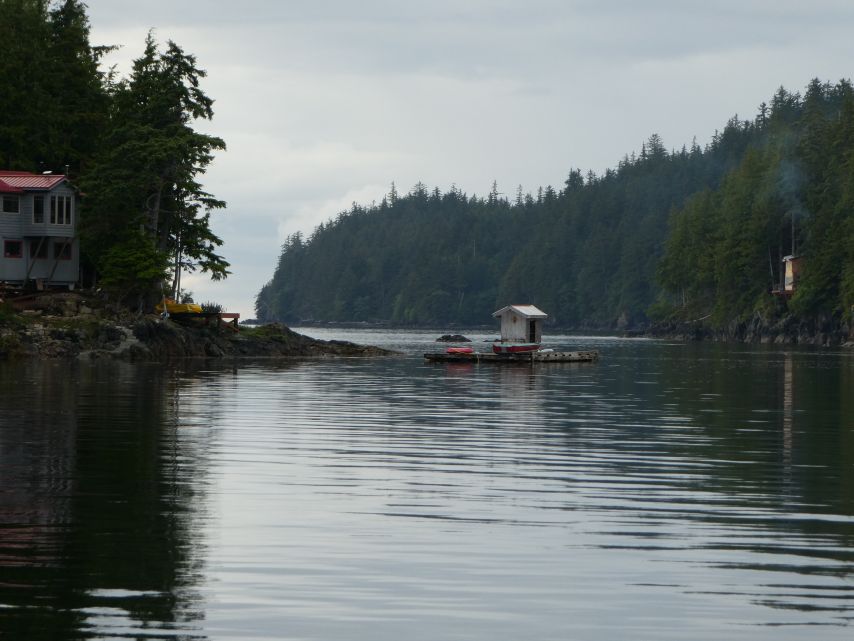
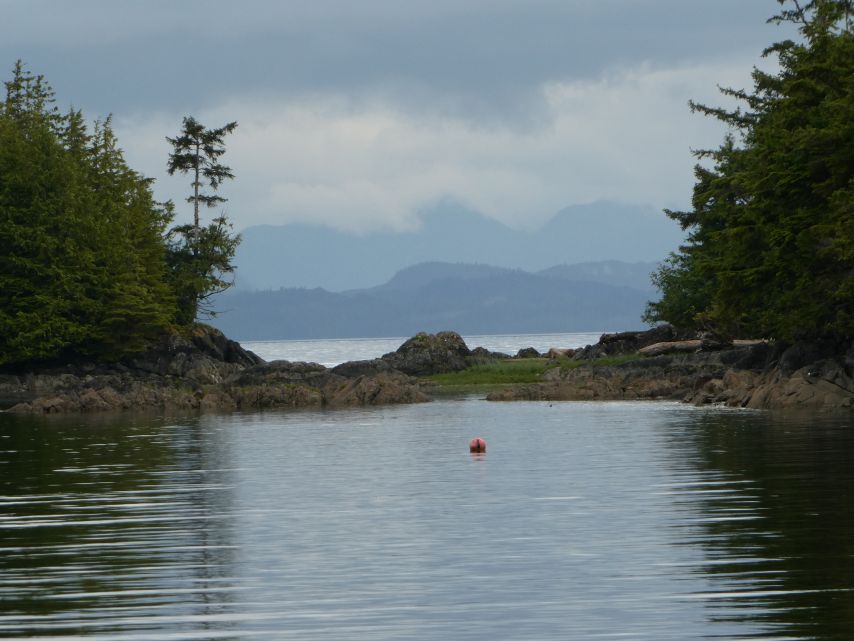
Our journey onward from Ketchikan to Meyers Chuck was equally soul-lifting. To borrow a landlubber’s phrase, it felt downright wonderful to be “back on the road again.” I hope the pictures capture a fraction of the awe we felt.
Eagles at North Harbor Marina
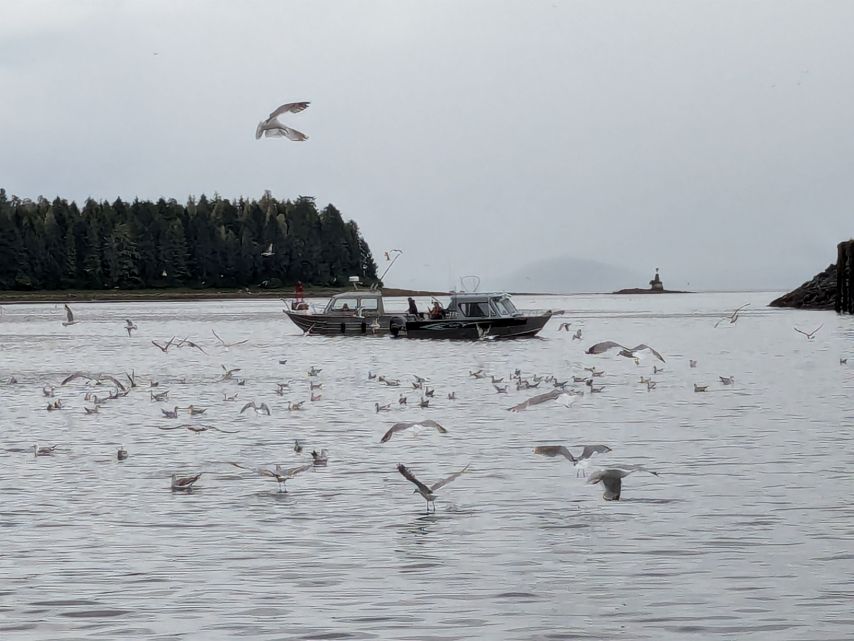
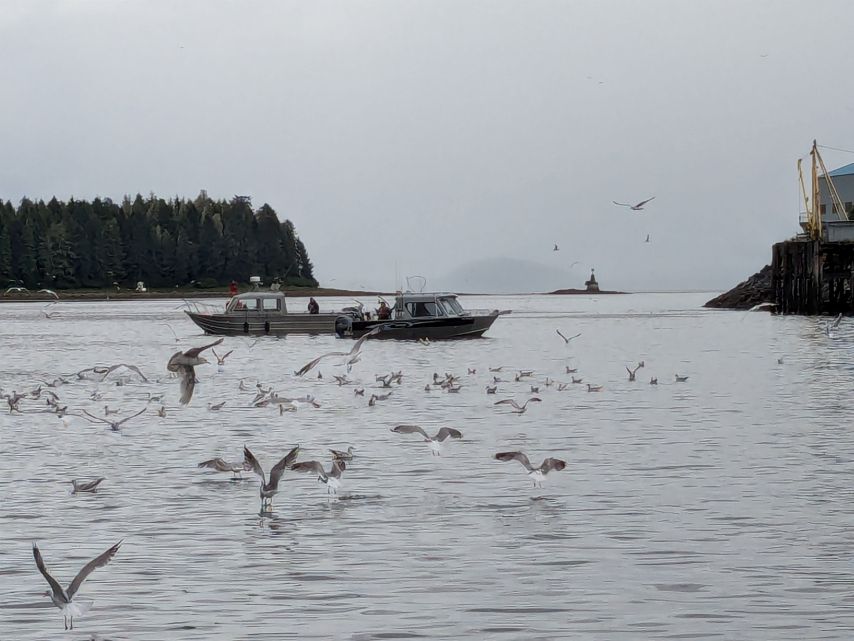
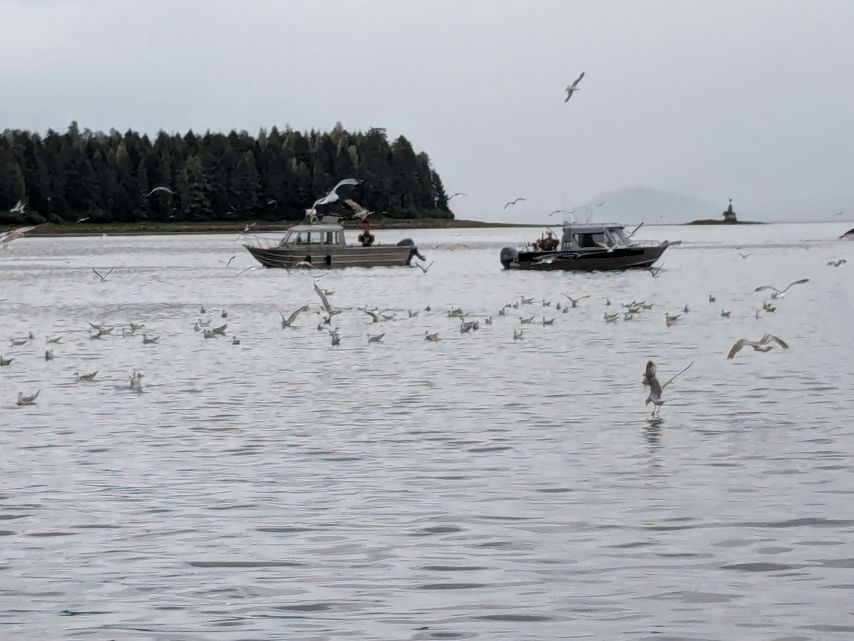
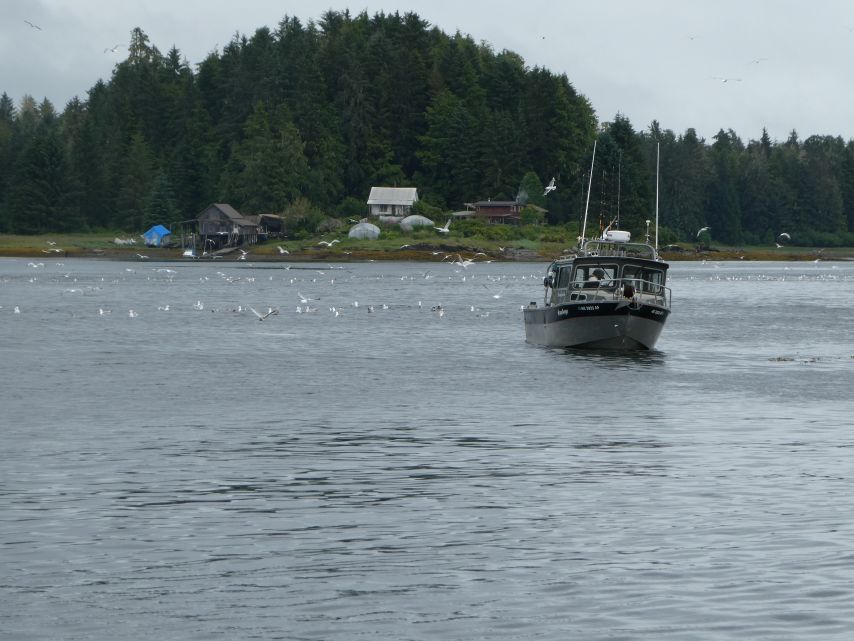
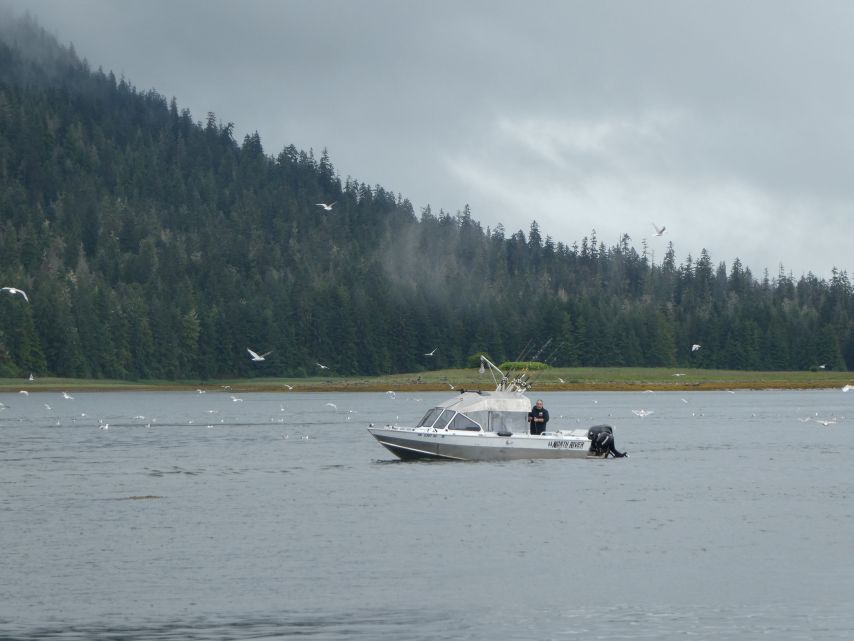
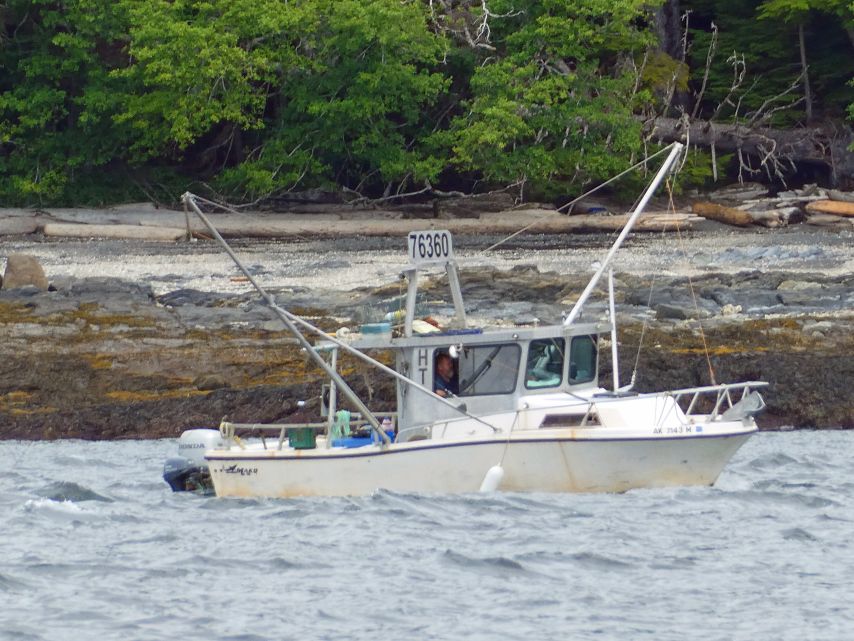
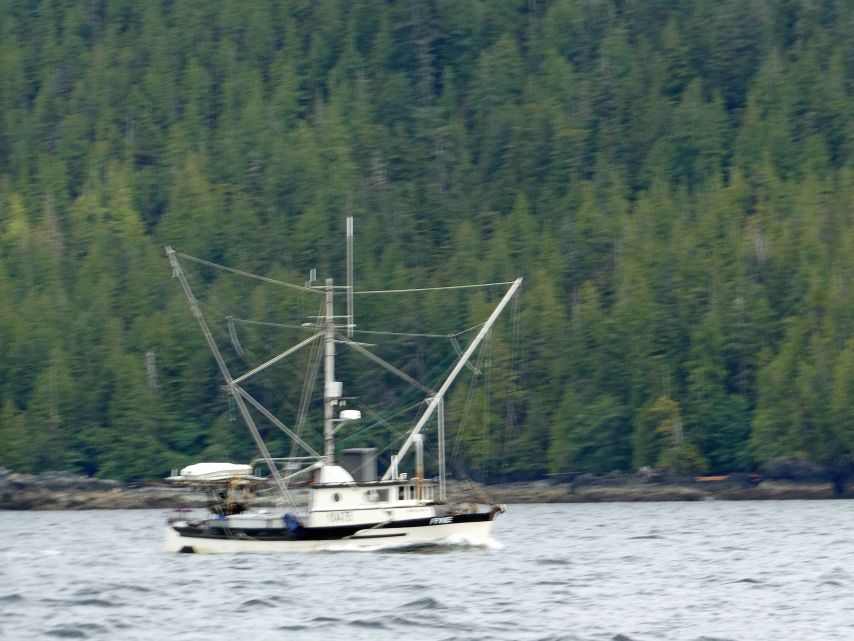
Today, July 1, marks a lively chapter in Ketchikan’s summer rhythm, as the salmon fishing season hits its stride. Local waters are now open for King (Chinook), Sockeye, and the early arrivals of Coho (Silver)