We played tourist today by walking into town, taking pictures, and conversing with the locals. One gentleman, Mr. Bird, suggested that we visit his father’s farm in Forkland, AL, about ten miles away. I don’t think we’ll be able to visit but I did look it up on the web, Hay Art in Forkland, definitely a different art form.
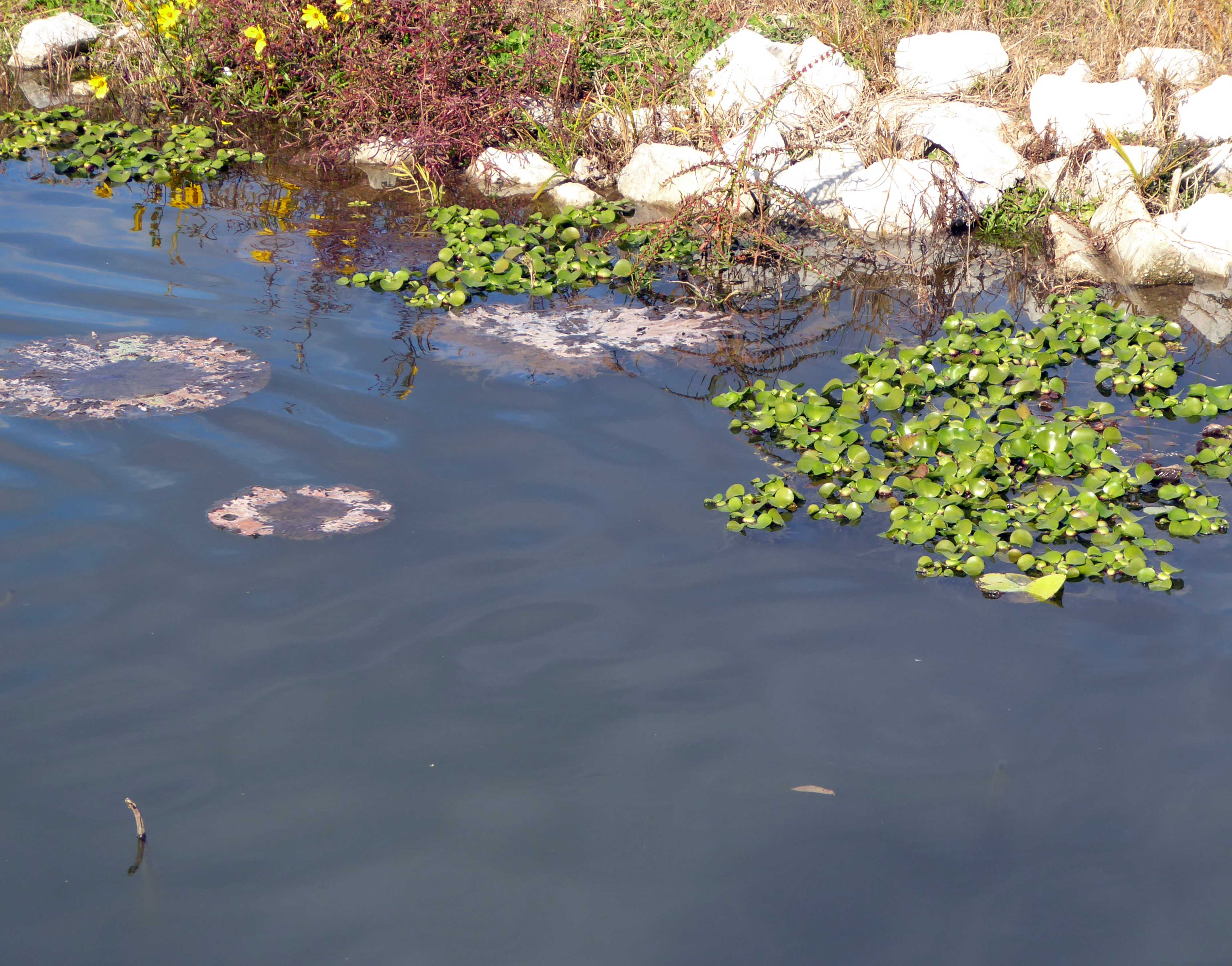
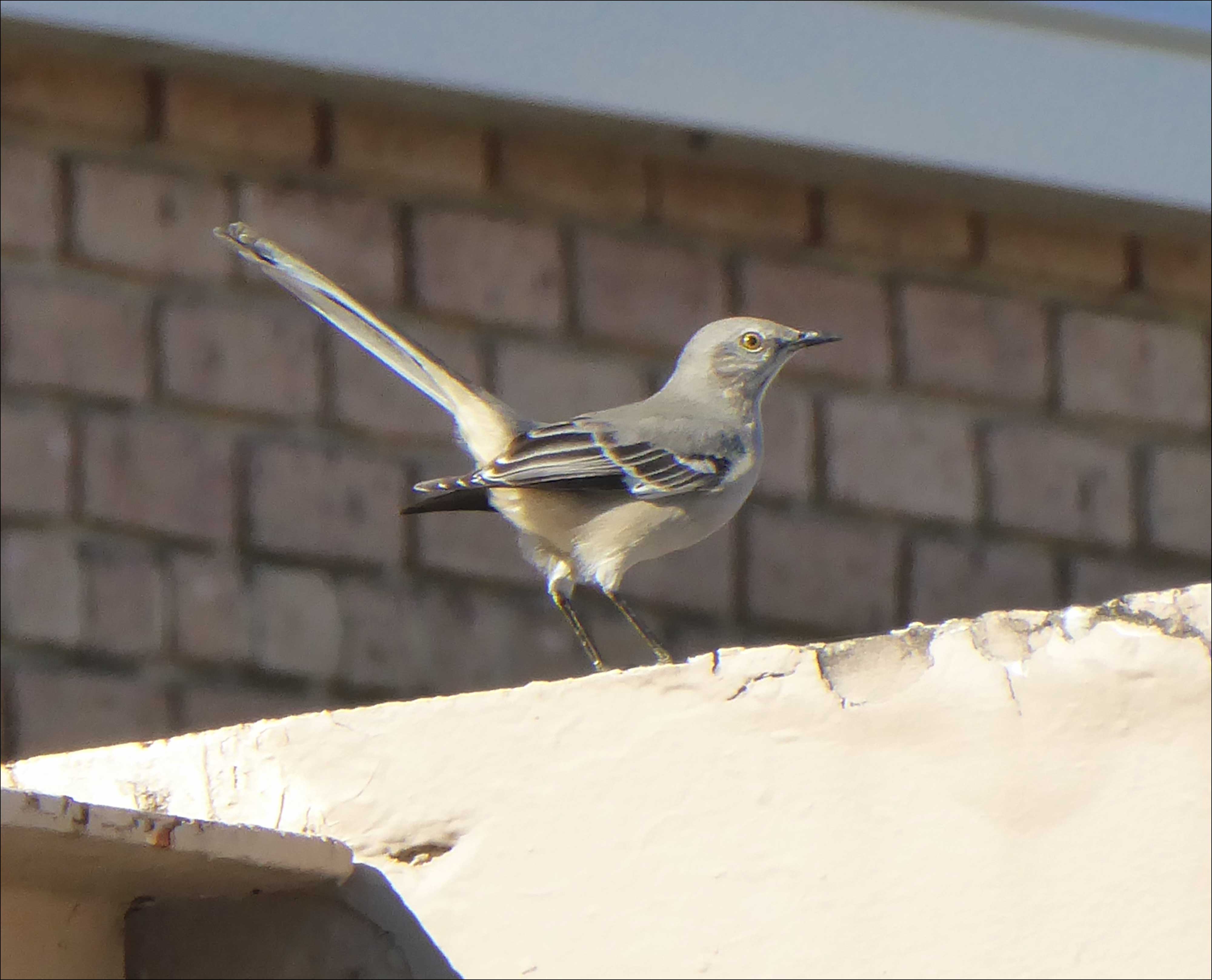
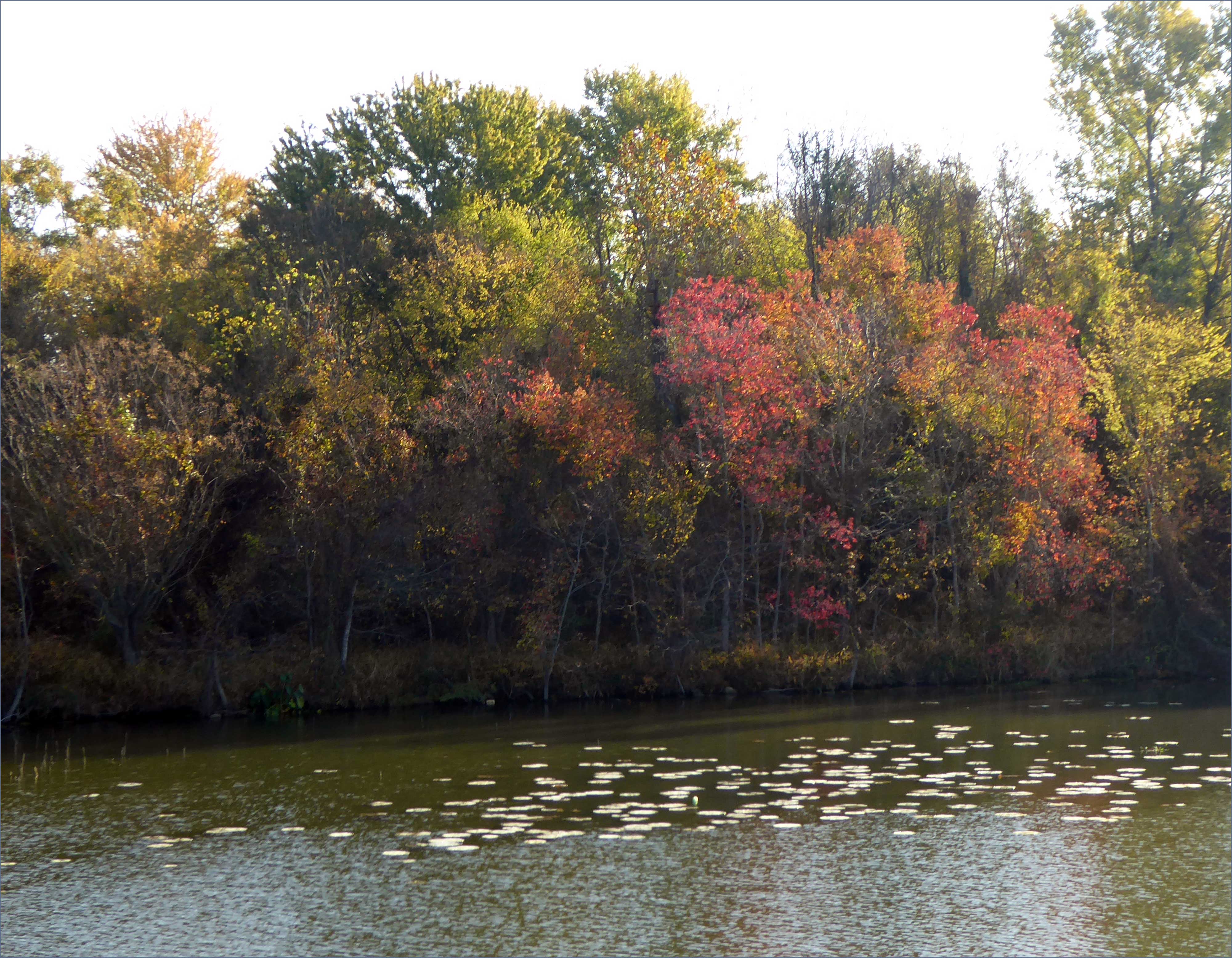
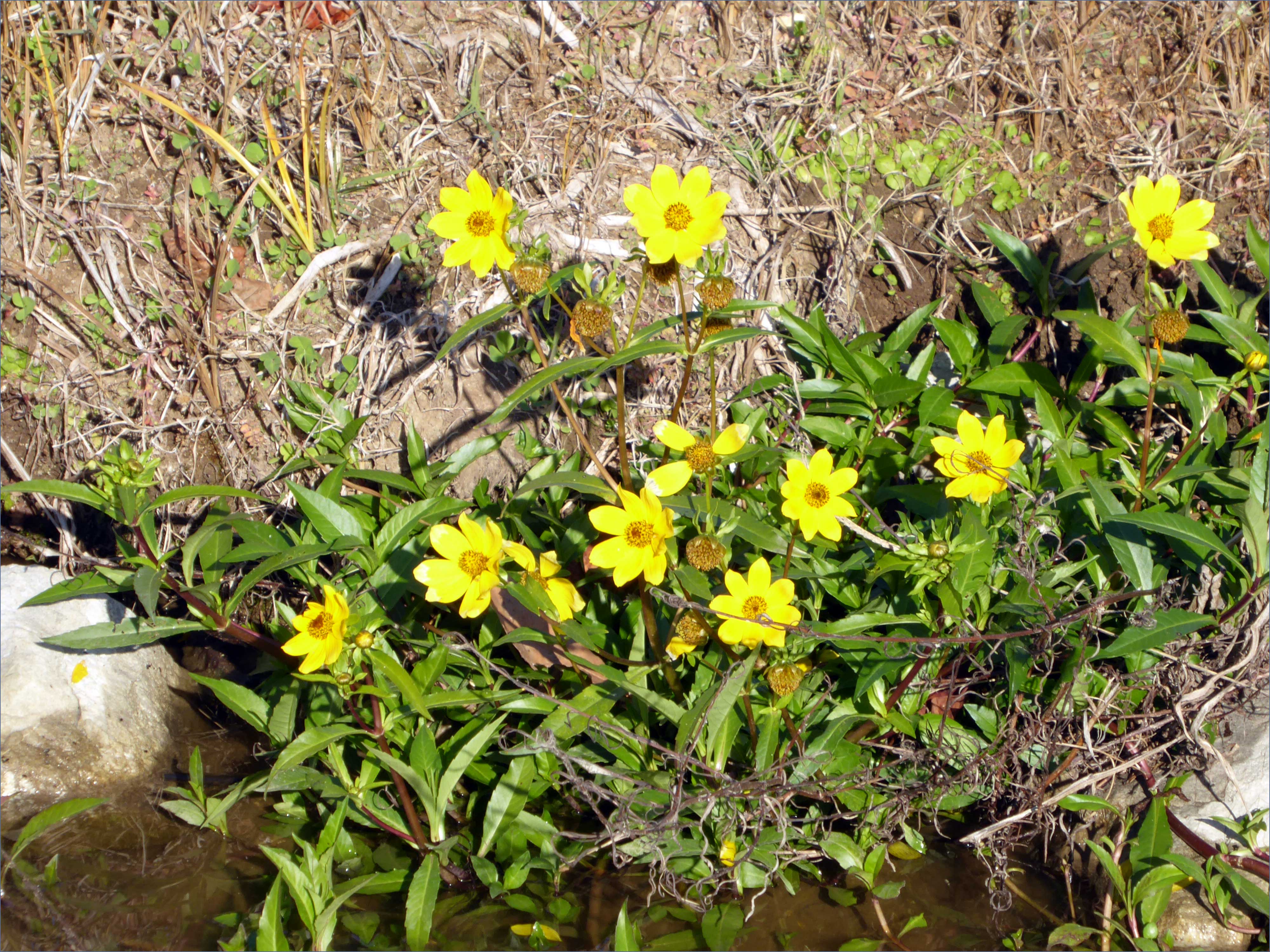
A little from Mother Nature on our way into town.
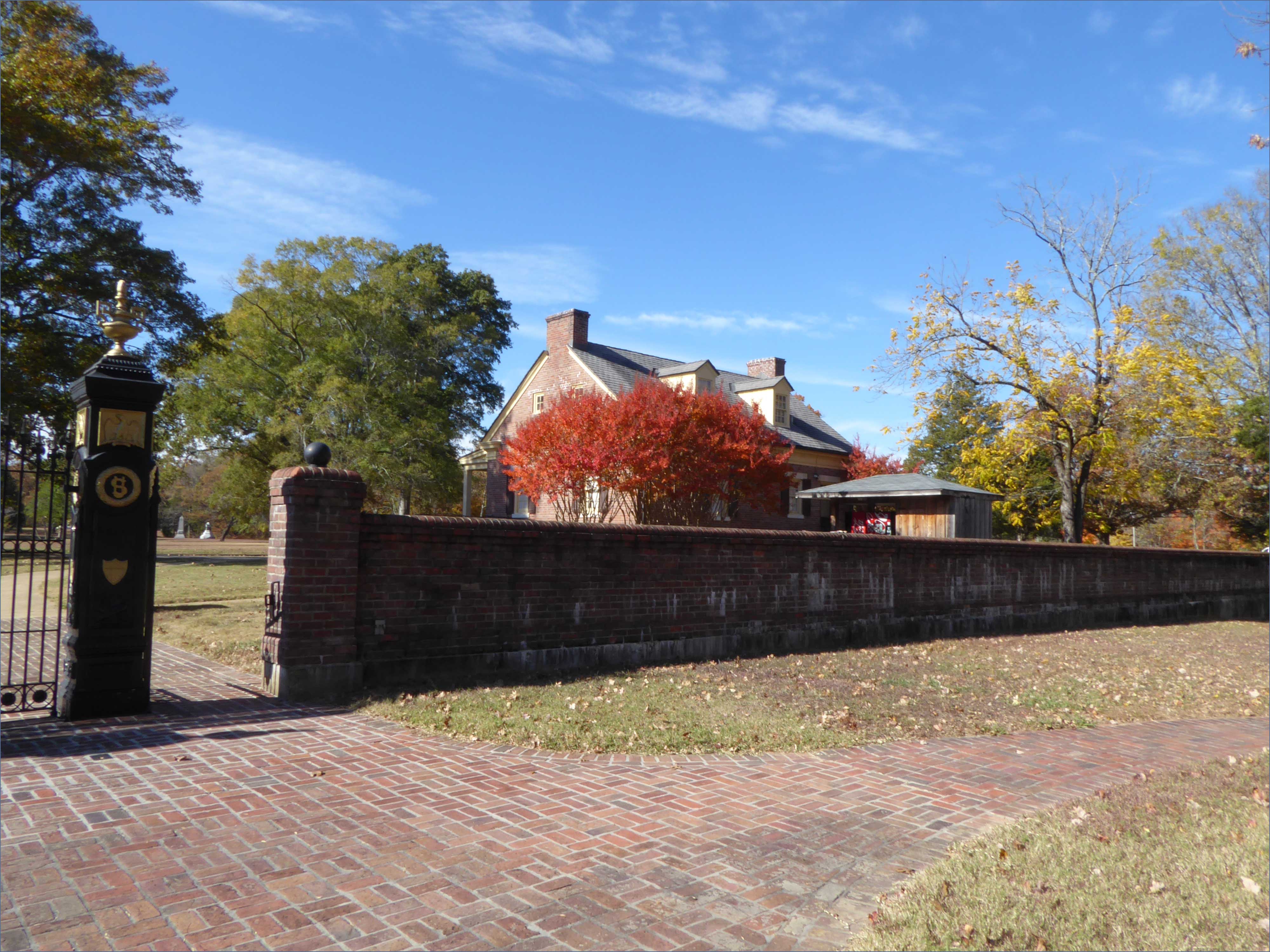
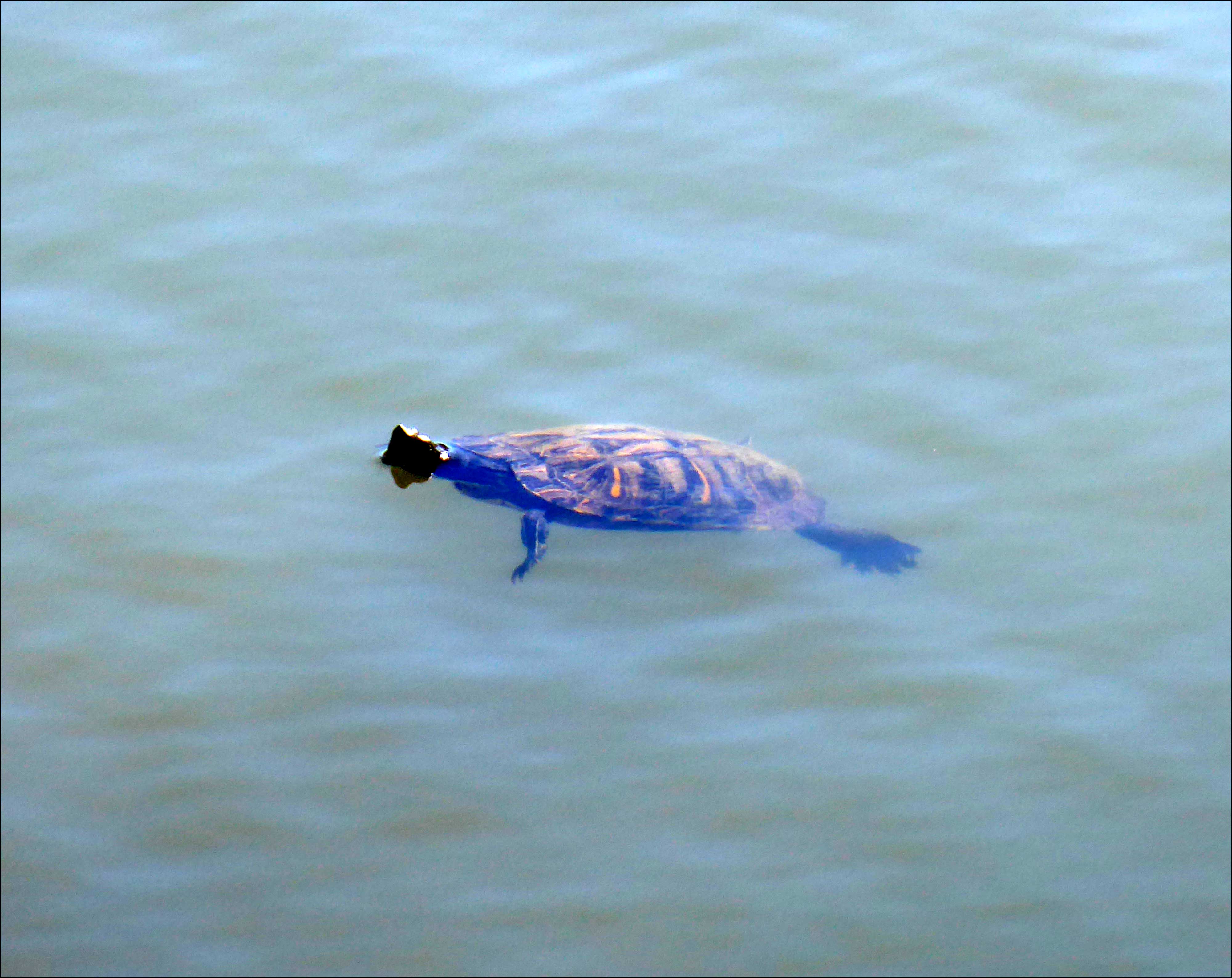
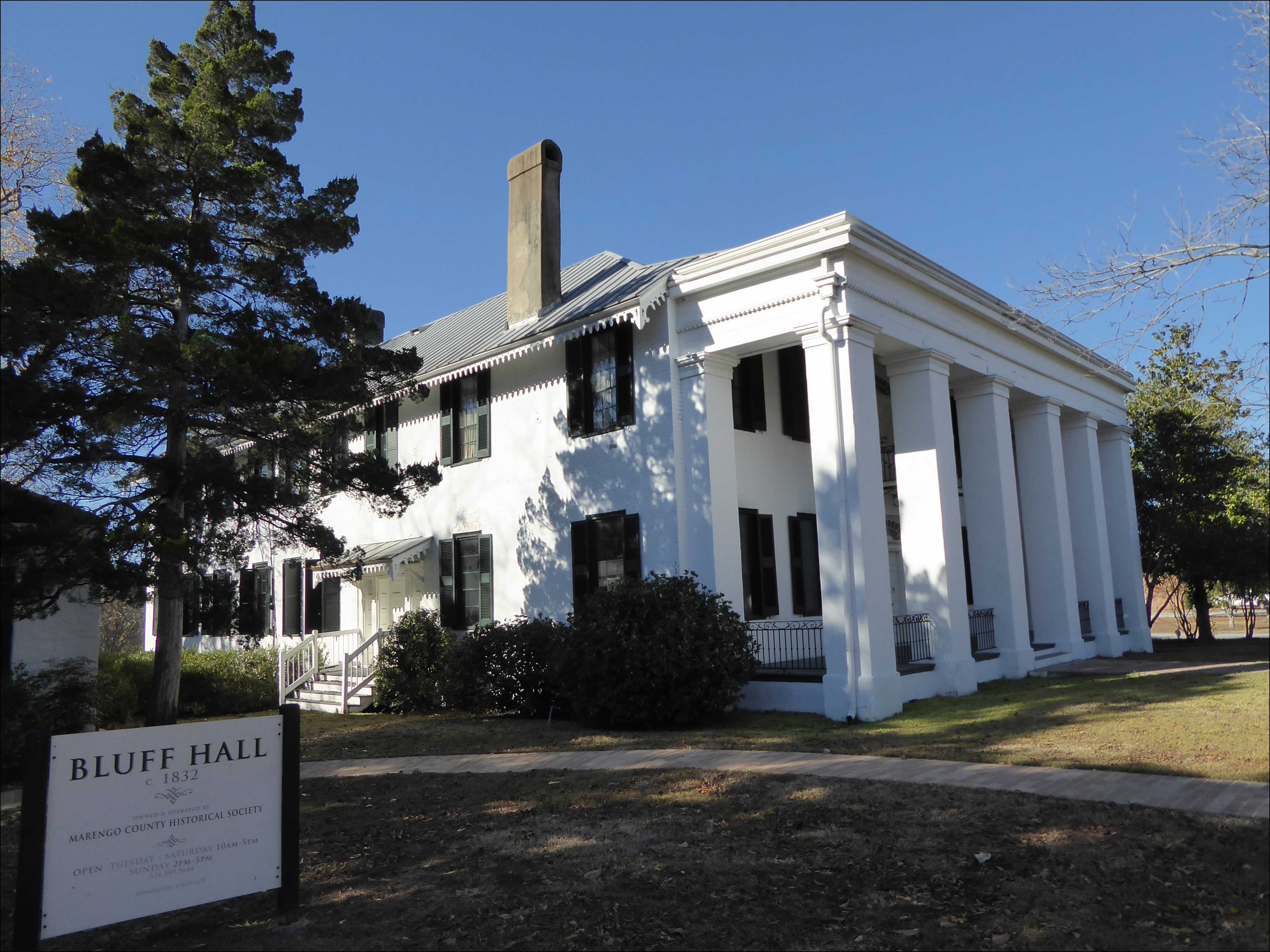
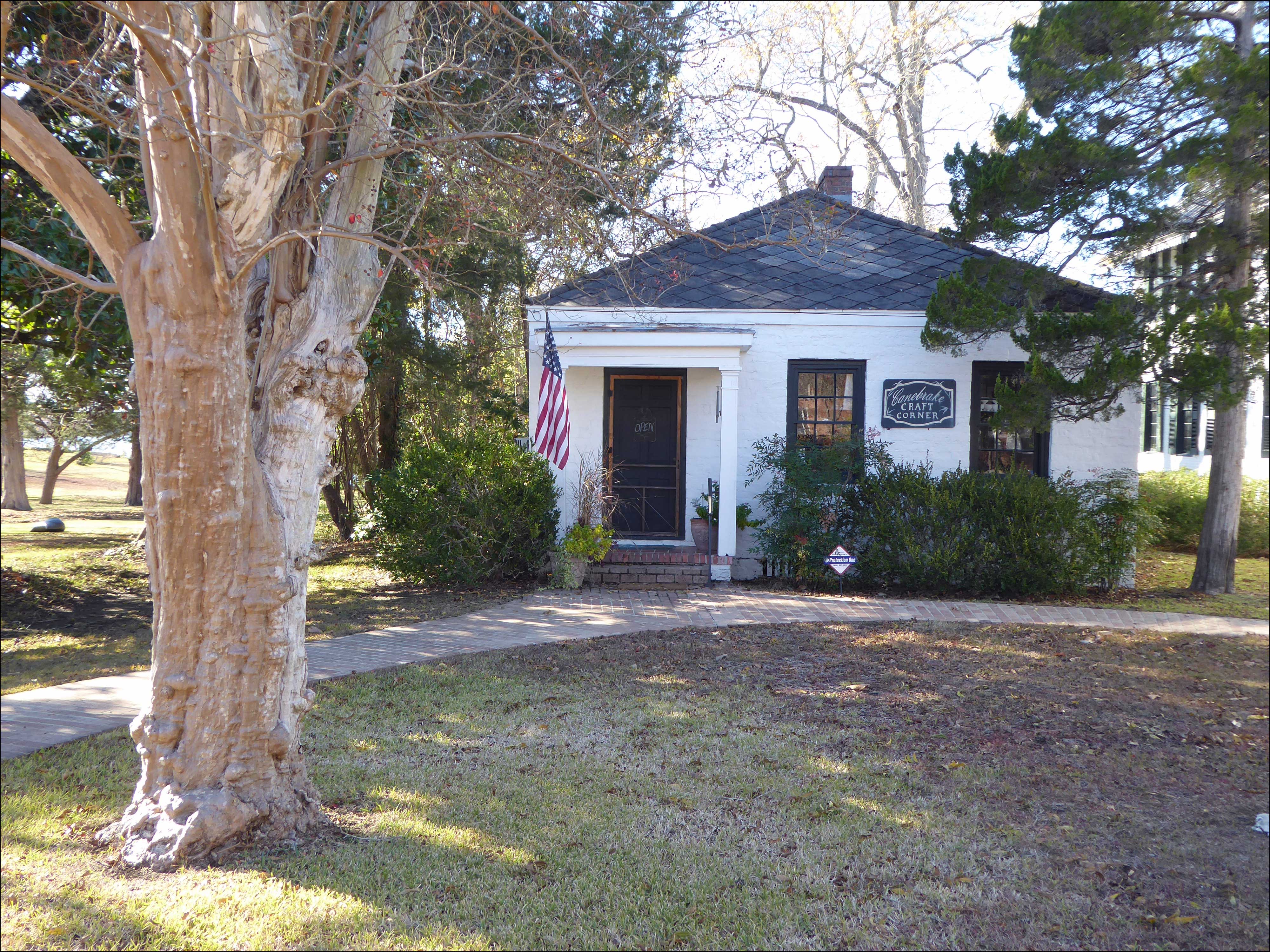
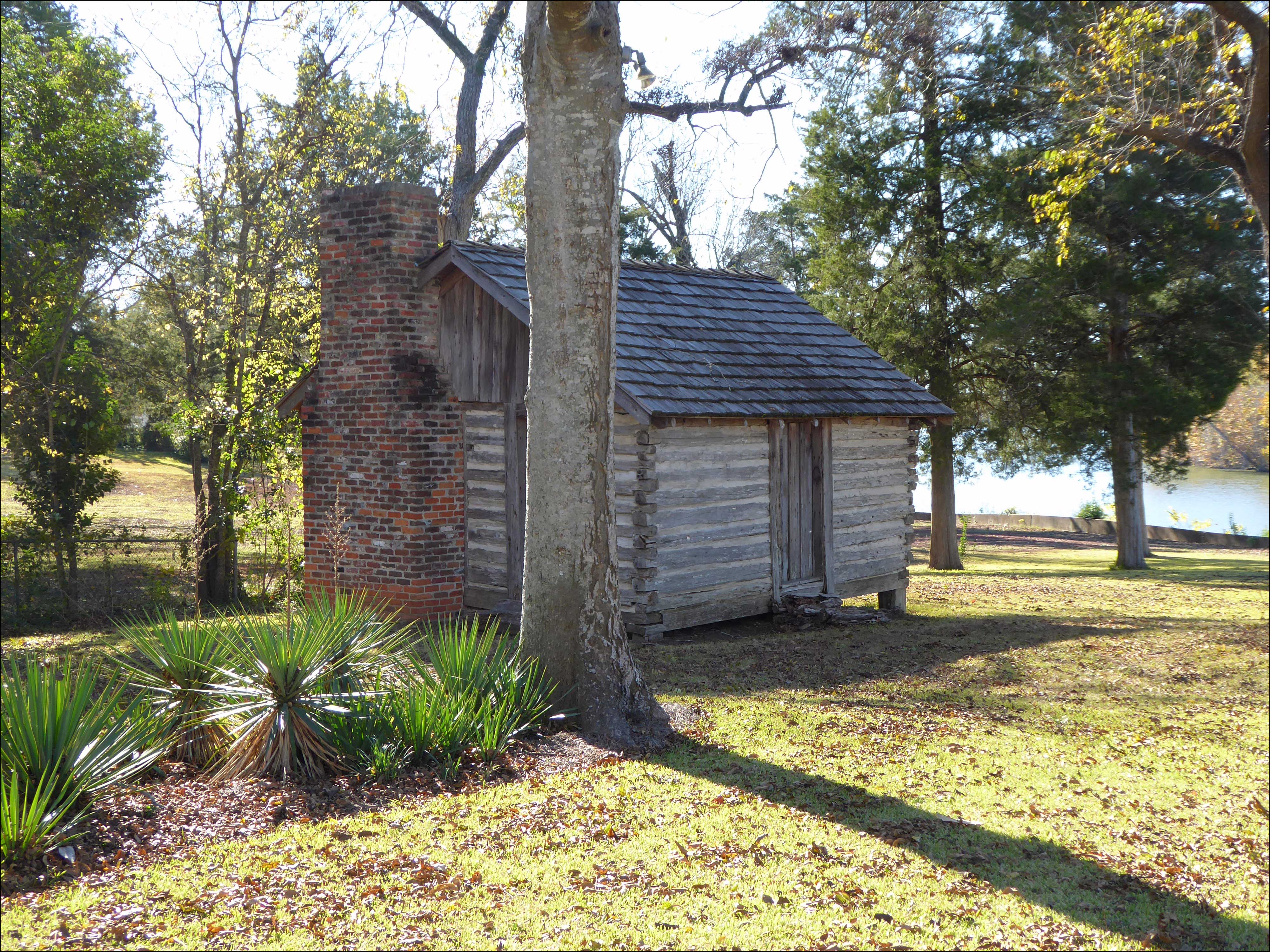
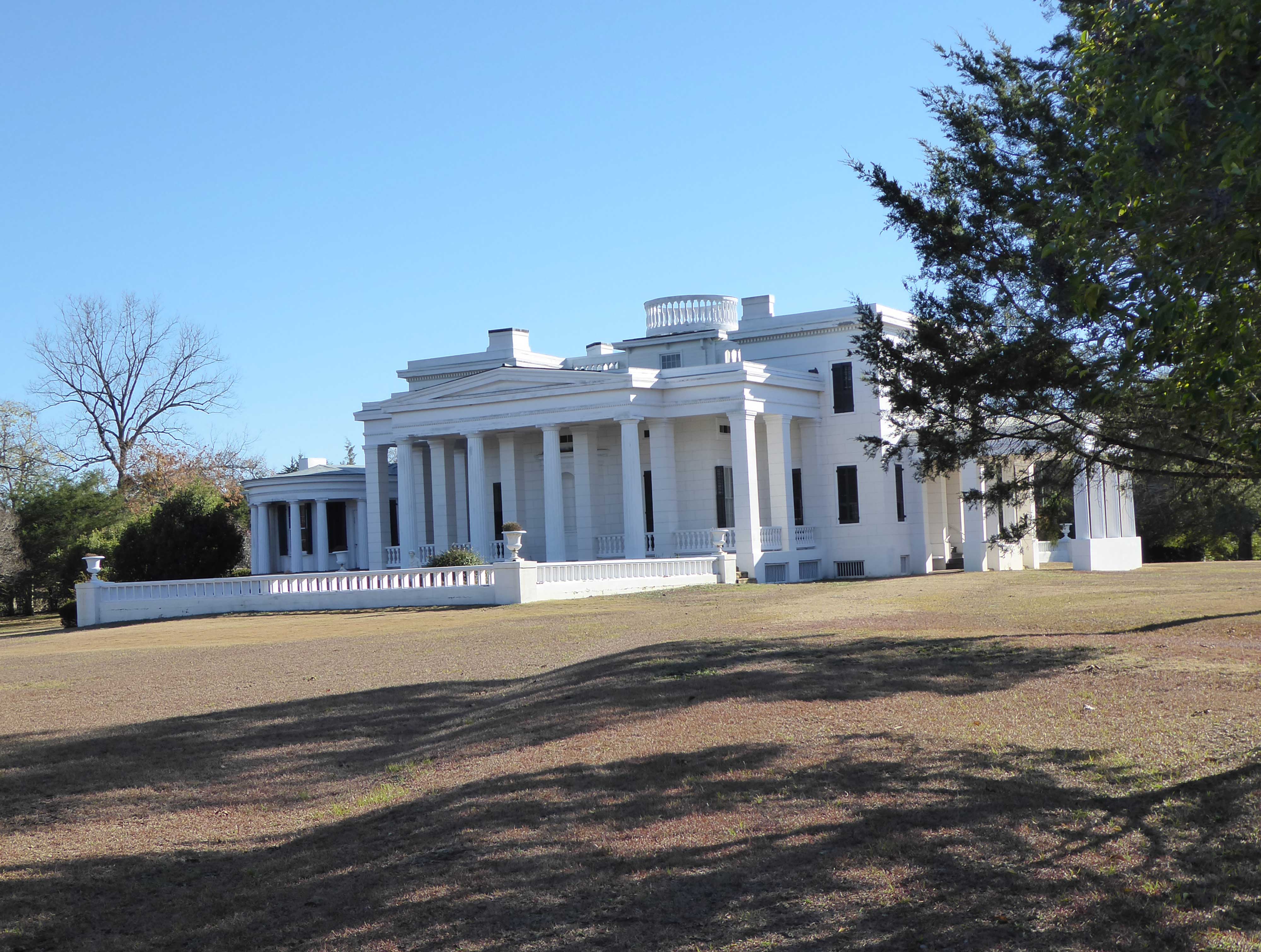
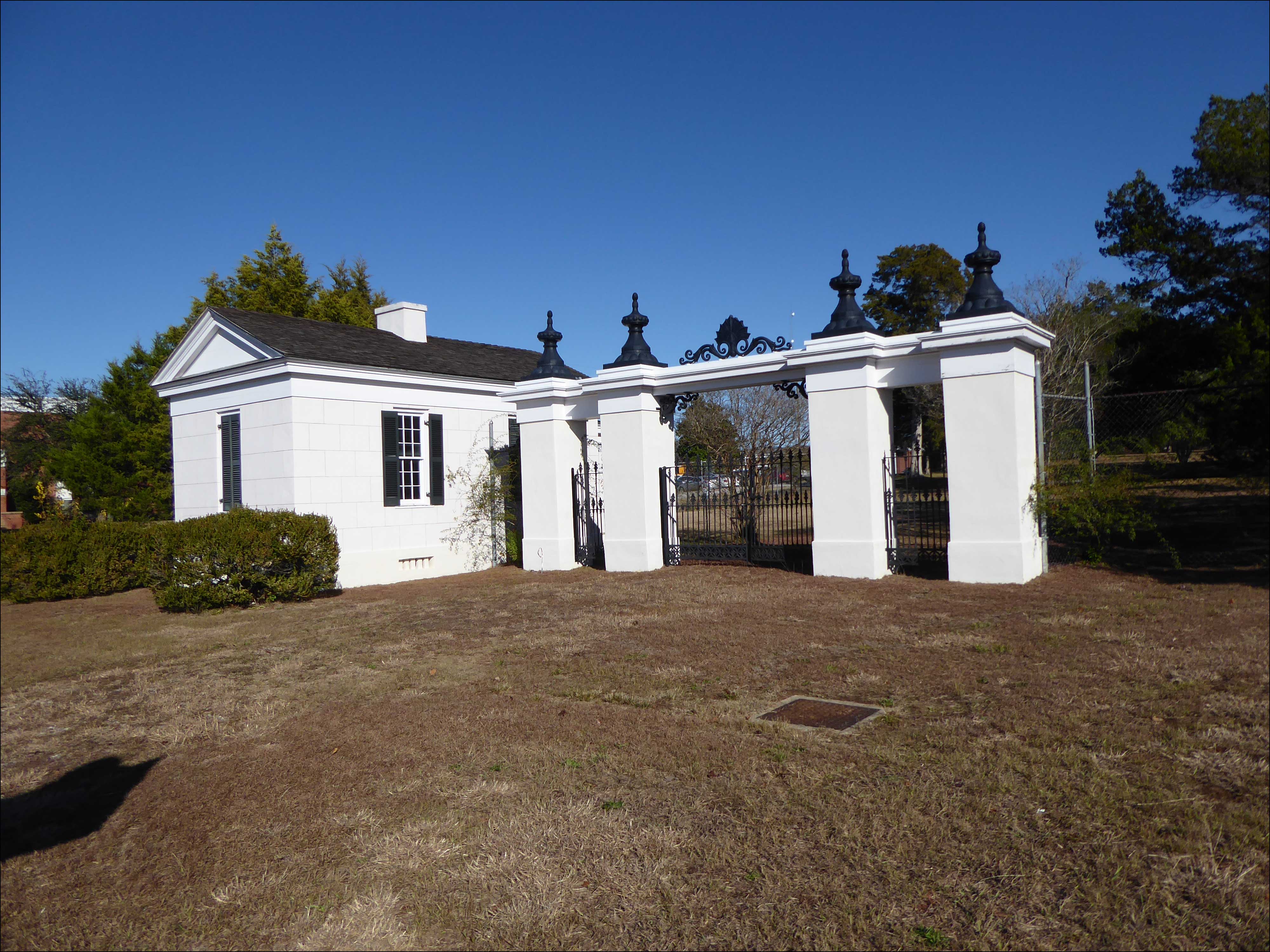
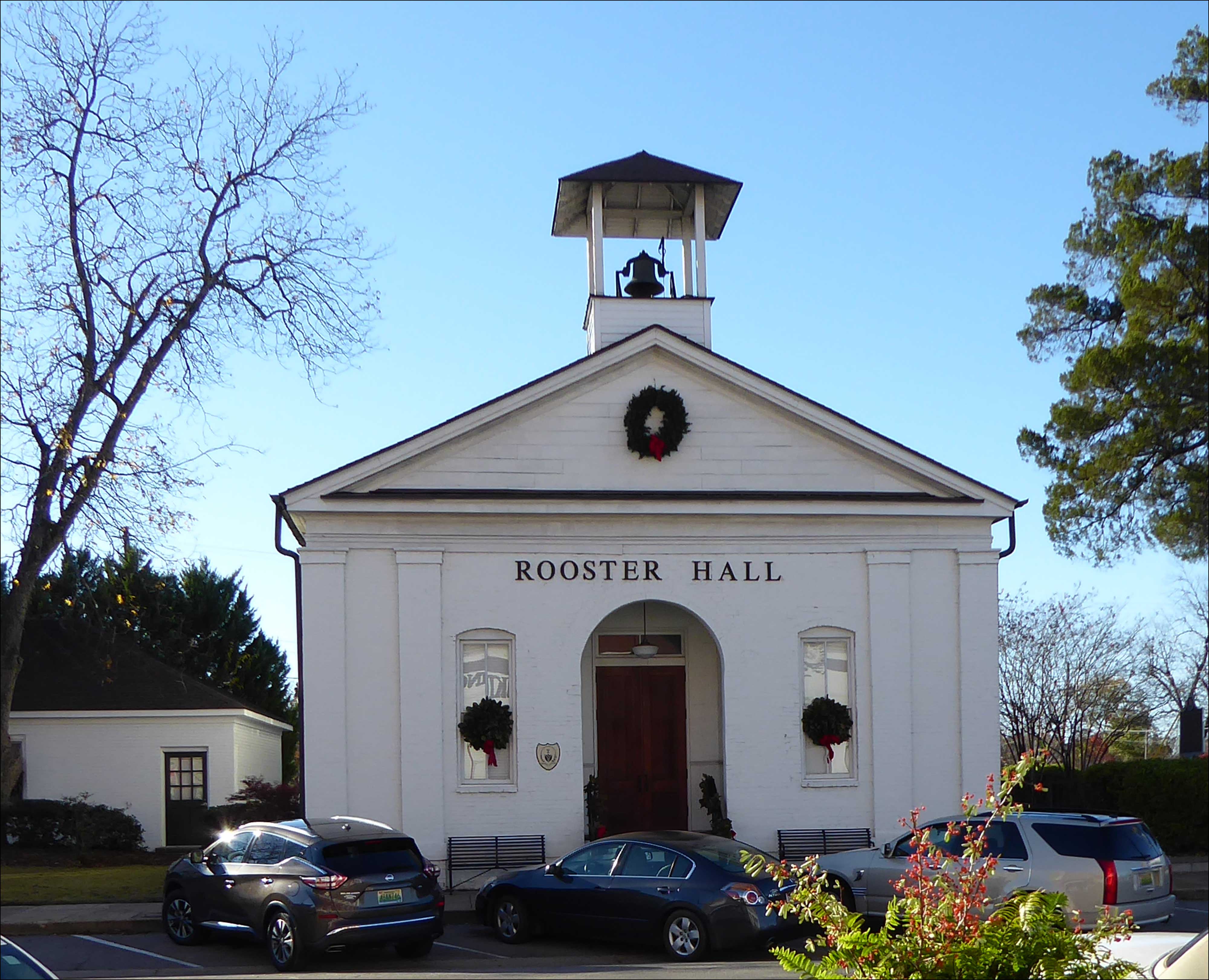
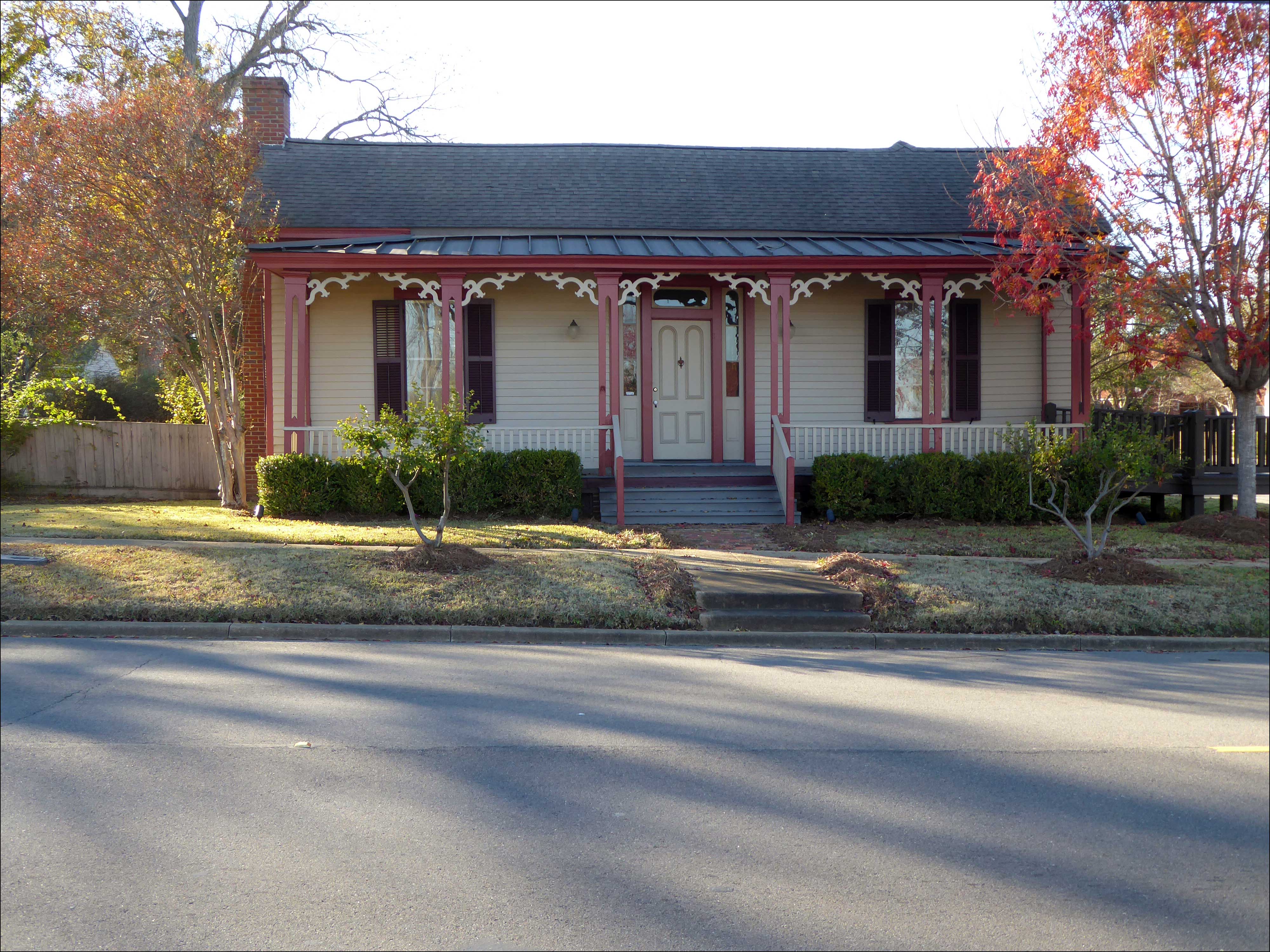
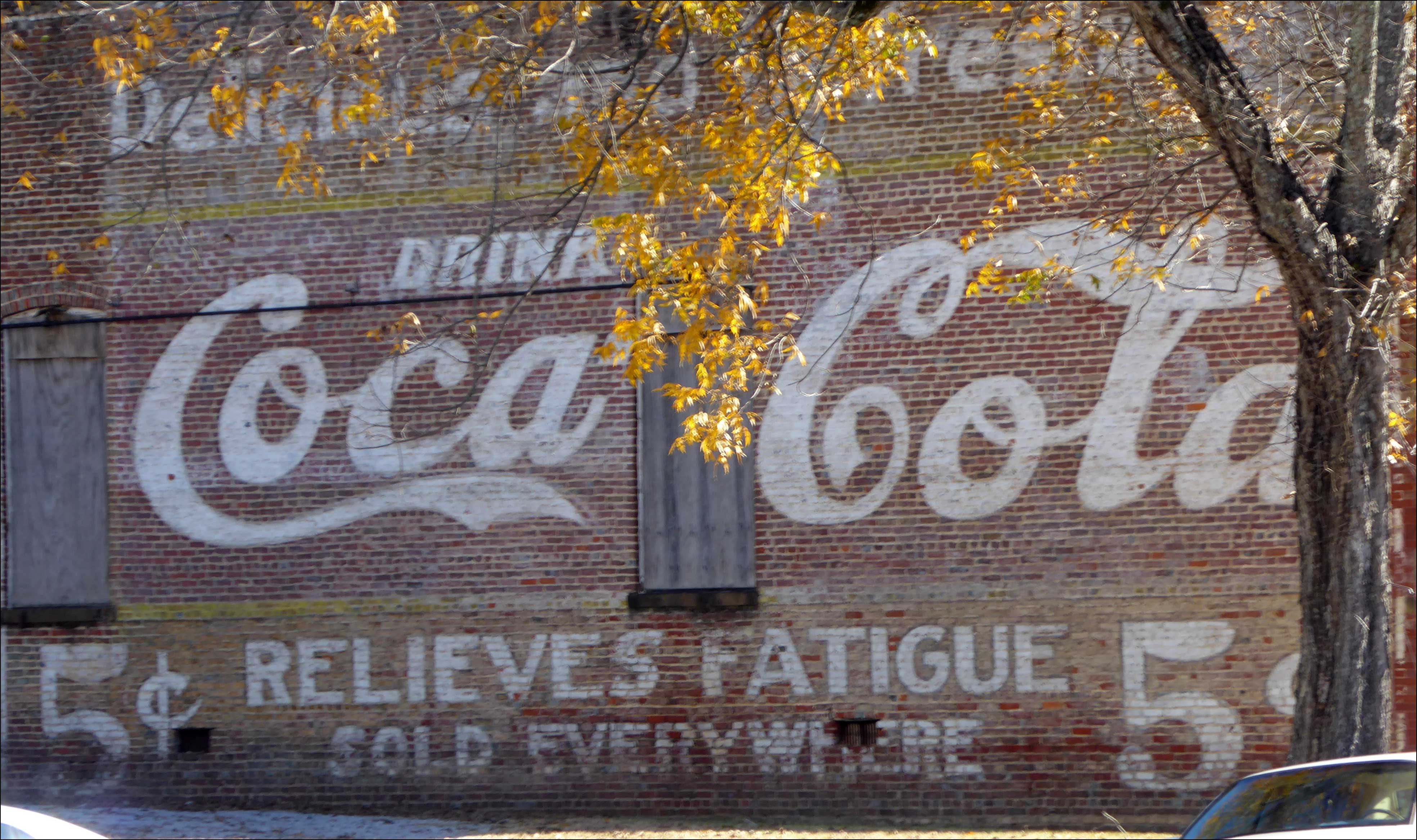
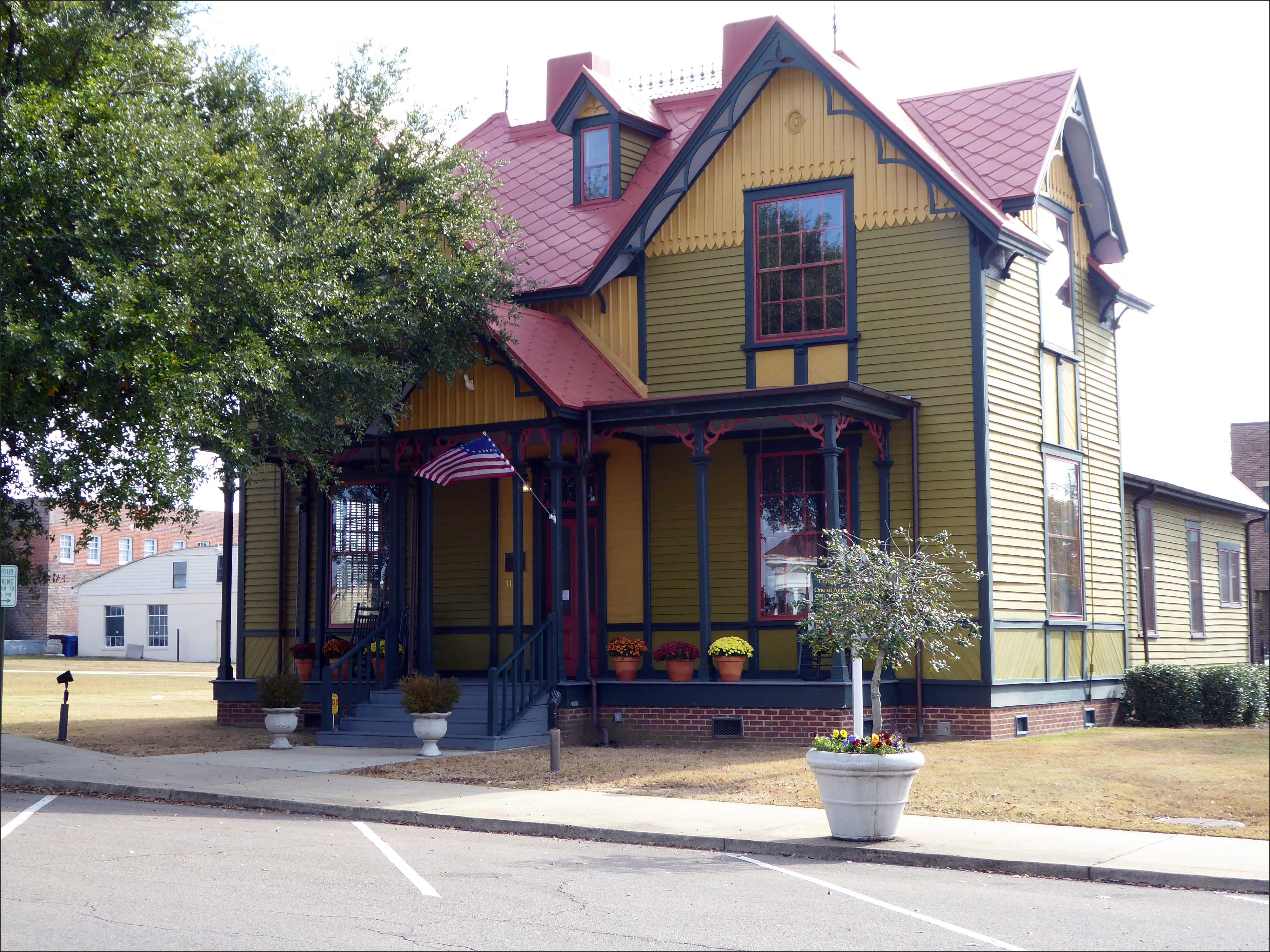
MockingbirdNice day for a dip in the river.Situated on historic White Bluff overlooking the Tombigbee River. Bluff Hall was built in 1832 by slaves of Allen Glover for his daughter, Sarah Serena, and her husband Francis Strother Lyon. Lawyer and planter, F.S. Lyon, served in both the Confederate and the United States congresses. Frequent war-time visitors in his house were General Leonidas Polk and General Zachary Deas. – Alabama Historical MarkerPart of Bluff Hall, currently a gift shop.Cabin located behind Bluff HallBuilt during 1843-1861, Gaineswood evolved from a two-room “dogtrot” cabin into a Greek Revival style mansion. General Nathan Bryan Whitfield, the builder, was his own architect, though he had no formal training. The labor was done mostly by slaves, some of whom were extremely accomplished carpenters and plasterers. Three styles of Greek architecture are represented in the house: Doric-style outside, Ionic for the interior, and Corinthian in the drawing room. Gaineswood contains much of its original furnishings as well as several inventions of the builder. – Rural SW ALGaineswood GatehouseThis is one of the oldest buildings in Demopolis. It was built in 1843 by the Presbyterians of Demopolis using locally-made bricks. It served as their sanctuary until after the Civil War. During the reconstruction period, a garrison of Federal troops, stationed in Demopolis, moved the county seat from Linden, AL, and used this building for a courthouse. – Rural SW ALThe Laird Cottage is a restored 1870 residence with Greek Revival and Italianate style. The building now serves as the headquarters of the Marengo County Historical Society. It has a museum that contains exhibits and works of Geneva Mercer, national and international acclaimed sculptor and painter from the nearby community of Jefferson. – Rural SW ALWho remembers Coca Cola for a nickel?
And on our way back to Andiamo, a little more from Mother Nature.
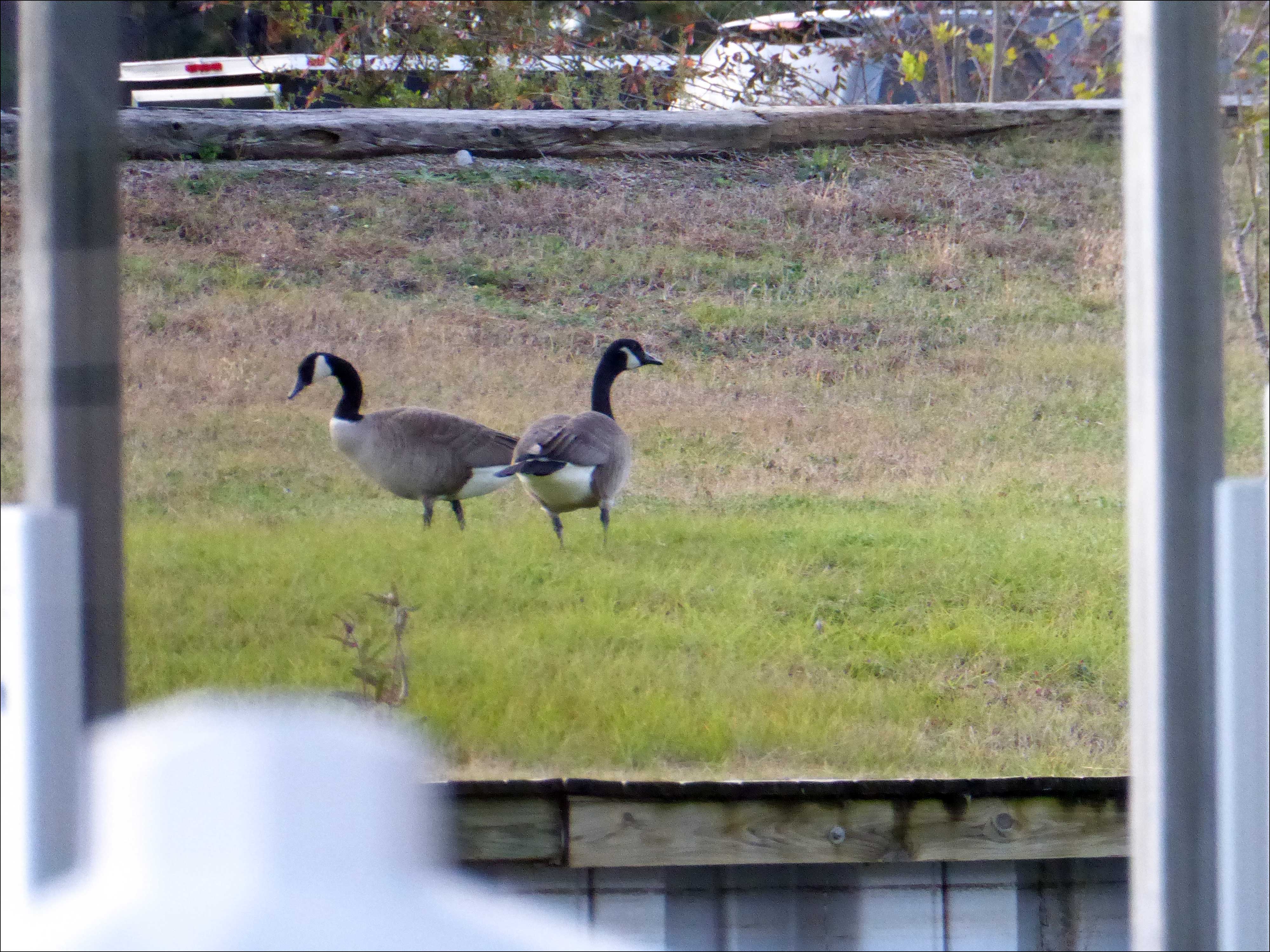
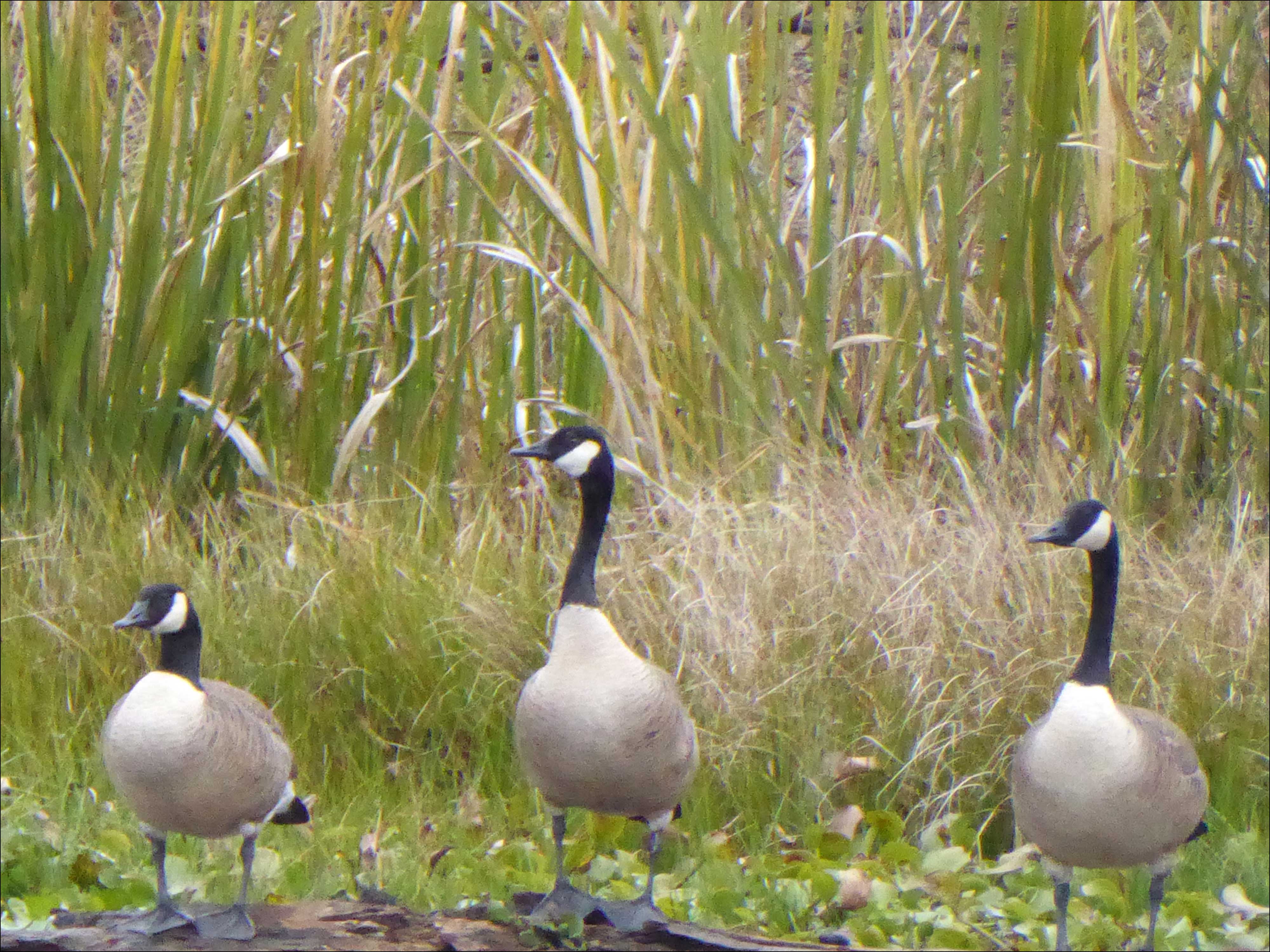
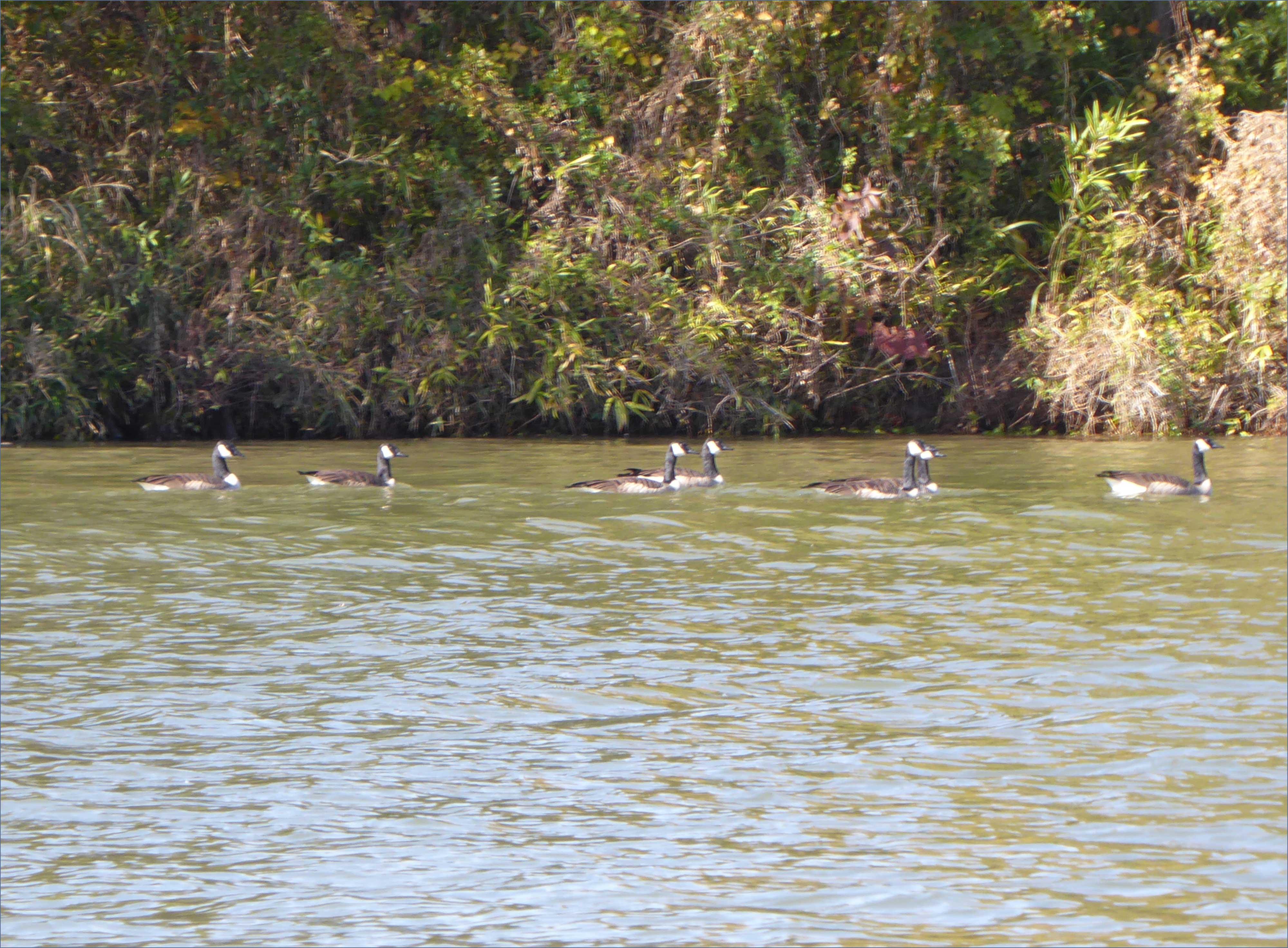
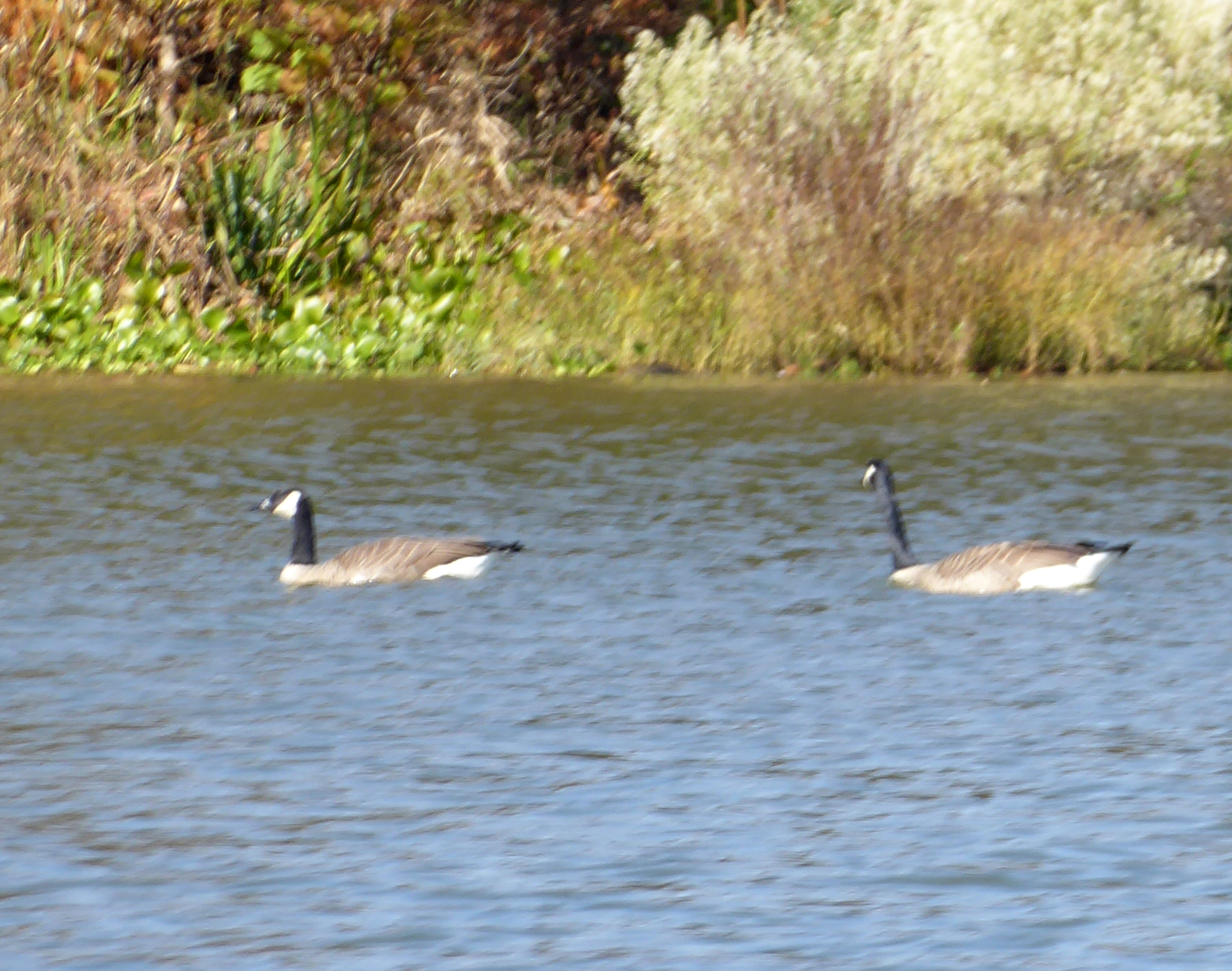
Out of respect for Mother Nature, Andiamo is at Kingfisher Bay Marina waiting out a southern storm and possible tornado. The storm has brought us a range of weather conditions. After the first front passed the temperature rose from 65 to 85 degrees. The next segment brought us about 14 hours of light to heavy rain followed by clear skies and sunshine. Rick and I took advantage of a two-hour break in the storm to get provisions for the boat. By the time we arrived back at the marina, the temperature had dropped and the winds were back, it sure is nice to have a cozy little boat and geese to come home to.
The storm has passed but the yuletide festivity of Christmas on the River is calling us and we plan to engage in at a few of the activities before leaving Demopolis.
“Christmas on the River (COTR) is an annual event that is in its 45th year. It is a holiday celebration with several events over four days, main events are always the first weekend in December. We celebrate with a “Special child” and the announcement of our “St. Nick”. We have a reading of the Christmas Story and lighting of the park with a Santa visit, then on Friday and Saturday we have Christmas in the Canebrake, candlelit tours of historical homes, Canebrake children’s plays, the Alabama State BBQ Cook-Off, Fair in the Square arts and crafts show, a day parade and a nautical night parade with a fireworks show and semi-formal Gala on the Tombigbee.”
We won’t be attending the semi-formal Gala, somehow our semi-formal attire didn’t make it to the boat, but we do plan to visit the historical homes, attend the Alabama State BBQ Cook-Off, and perhaps stay for the nautical parade.
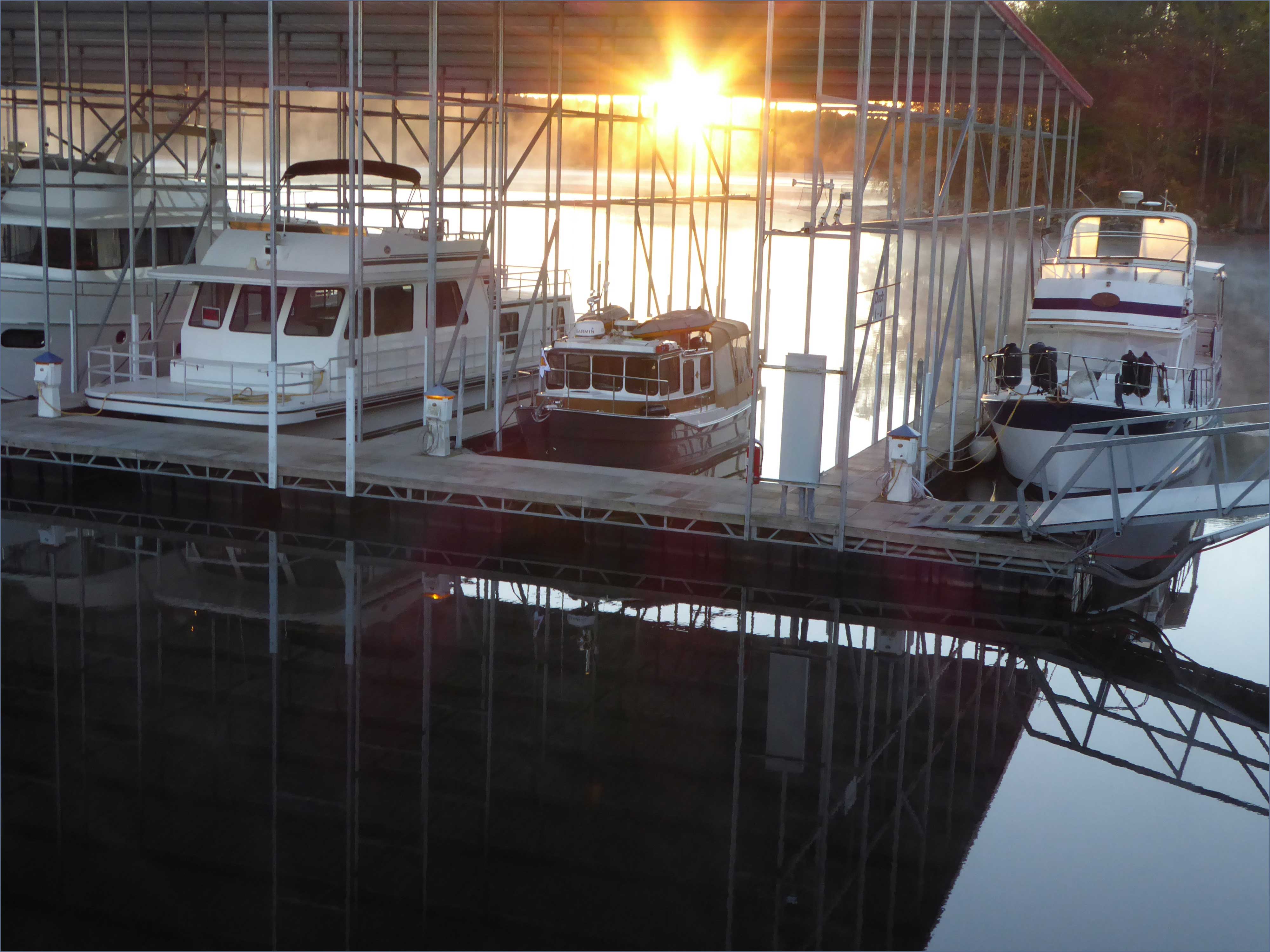
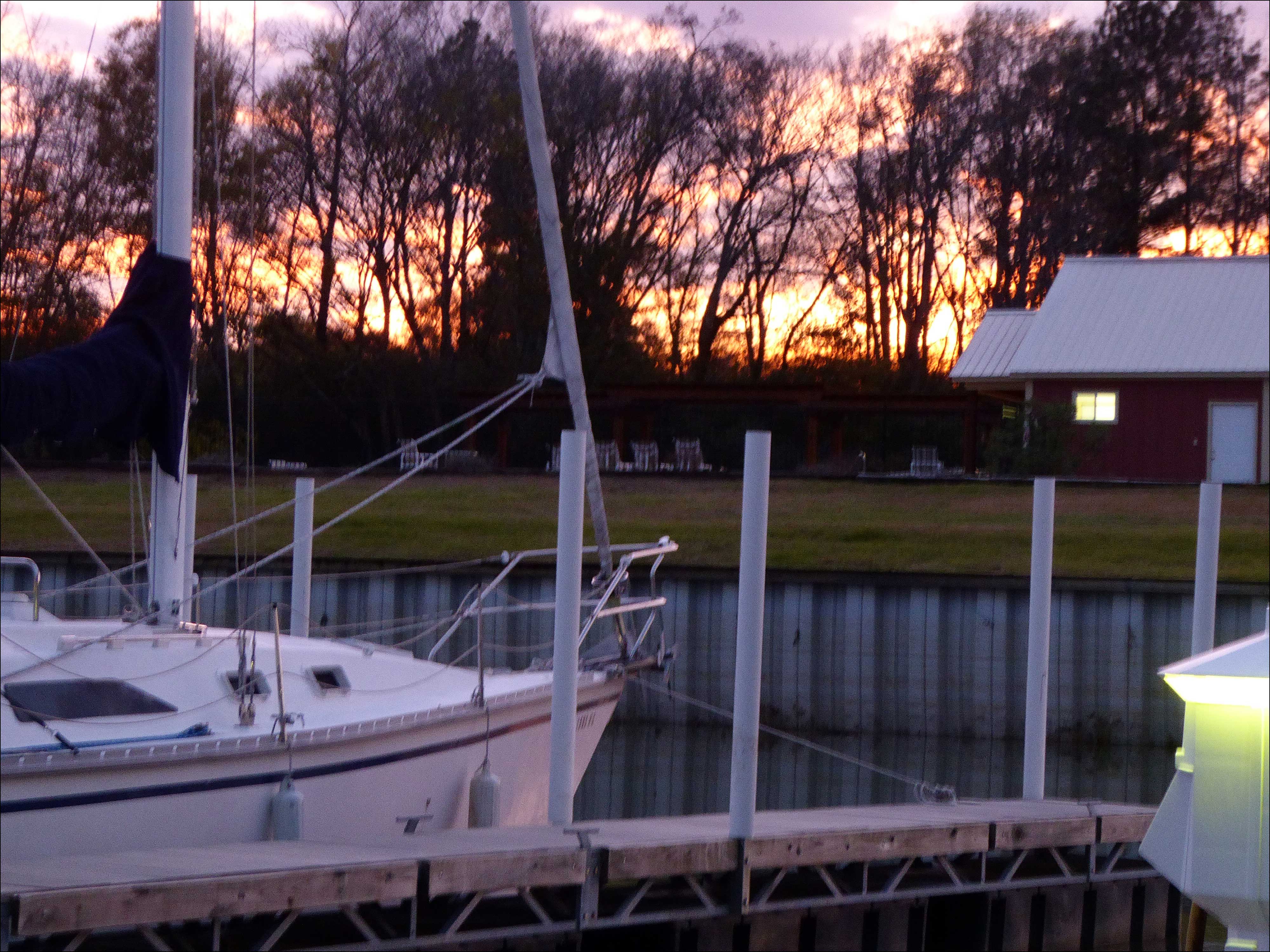
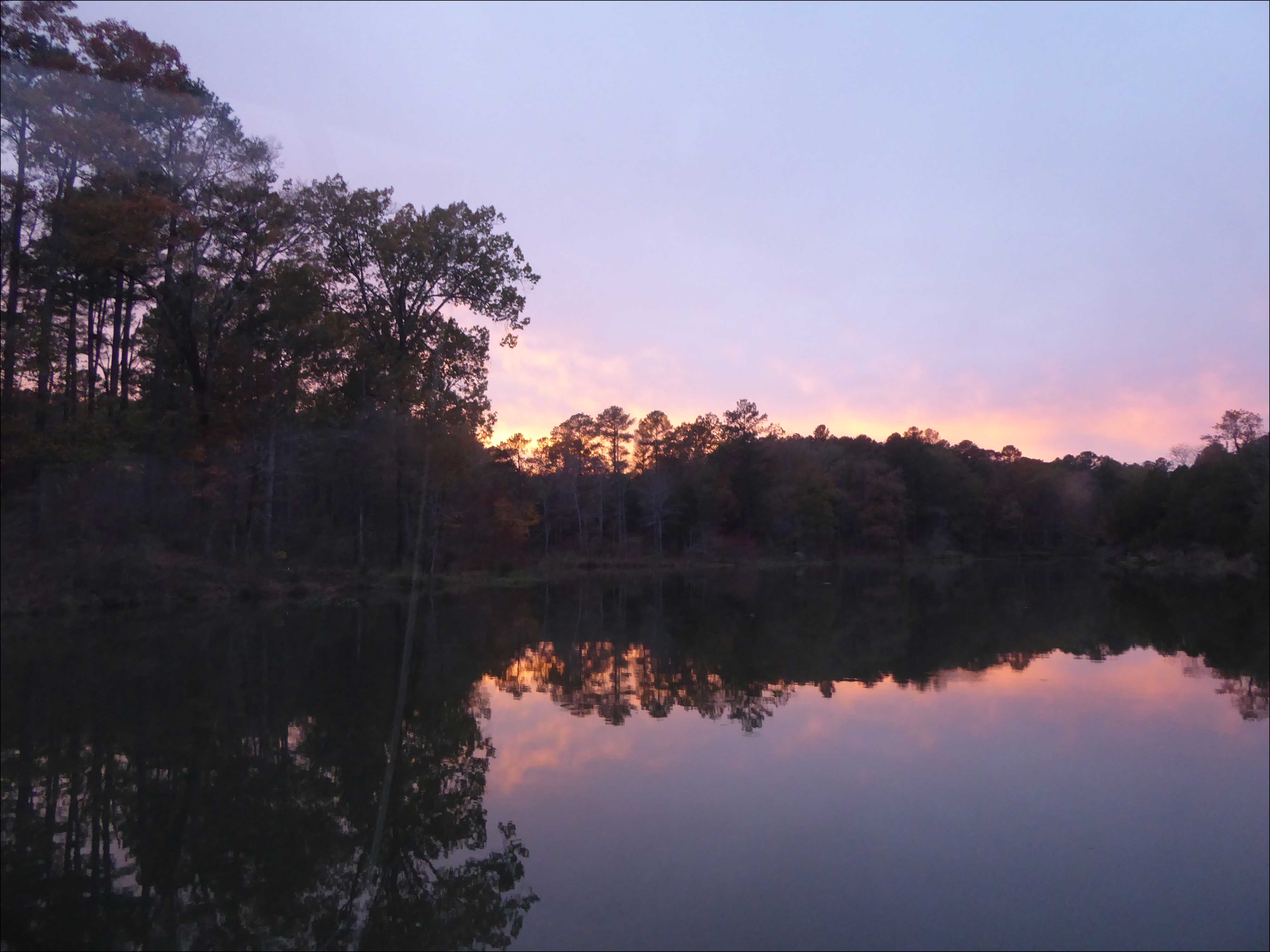
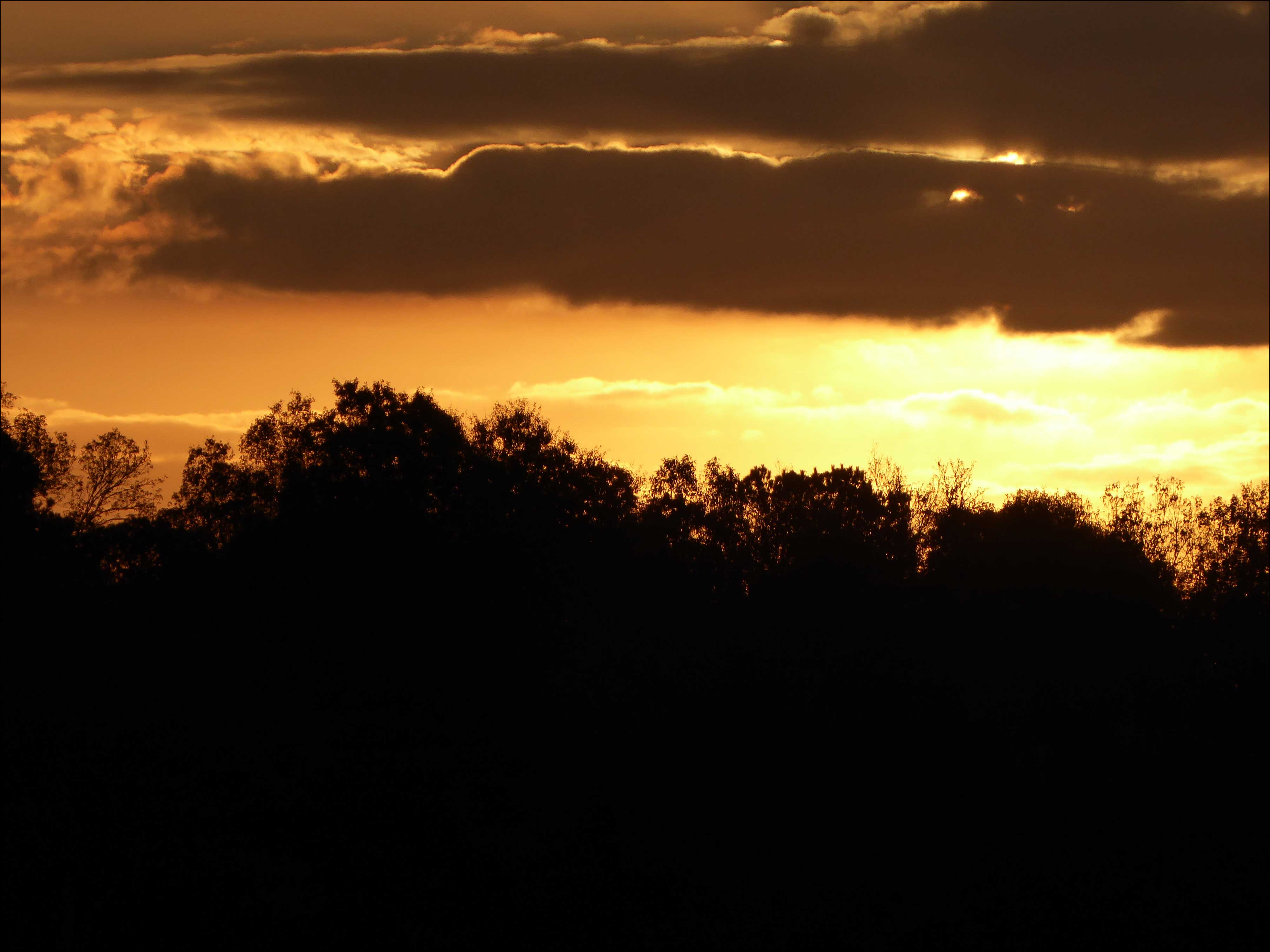
Sunset at Kingfisher Bay Marina
World War II History
At Pirate’s Marina Cove, I learned that we were only 10 miles from Aliceville, AL, site of the largest German prisoner of war camp in the United States. The camp was in operation from June 1943 through September 1945 and housed up to 6000 prisoners. After the war, the camp was dismantled and sold for scrap with only an old stone chimney to mark its location.
Chimney Remains from Aliceville POW Camp
Most World War II POW camps were located in the South because of the higher expense of heating the barracks in other areas. By the end of the war, every state except Alaska, Nevada, North Dakota, and Vermont had POW camps. These camps held 371,683 Germans, 50,273 Italians, and 3,915 Japanese POW.
Today we continued down the River Section of the Tenn-Tom.
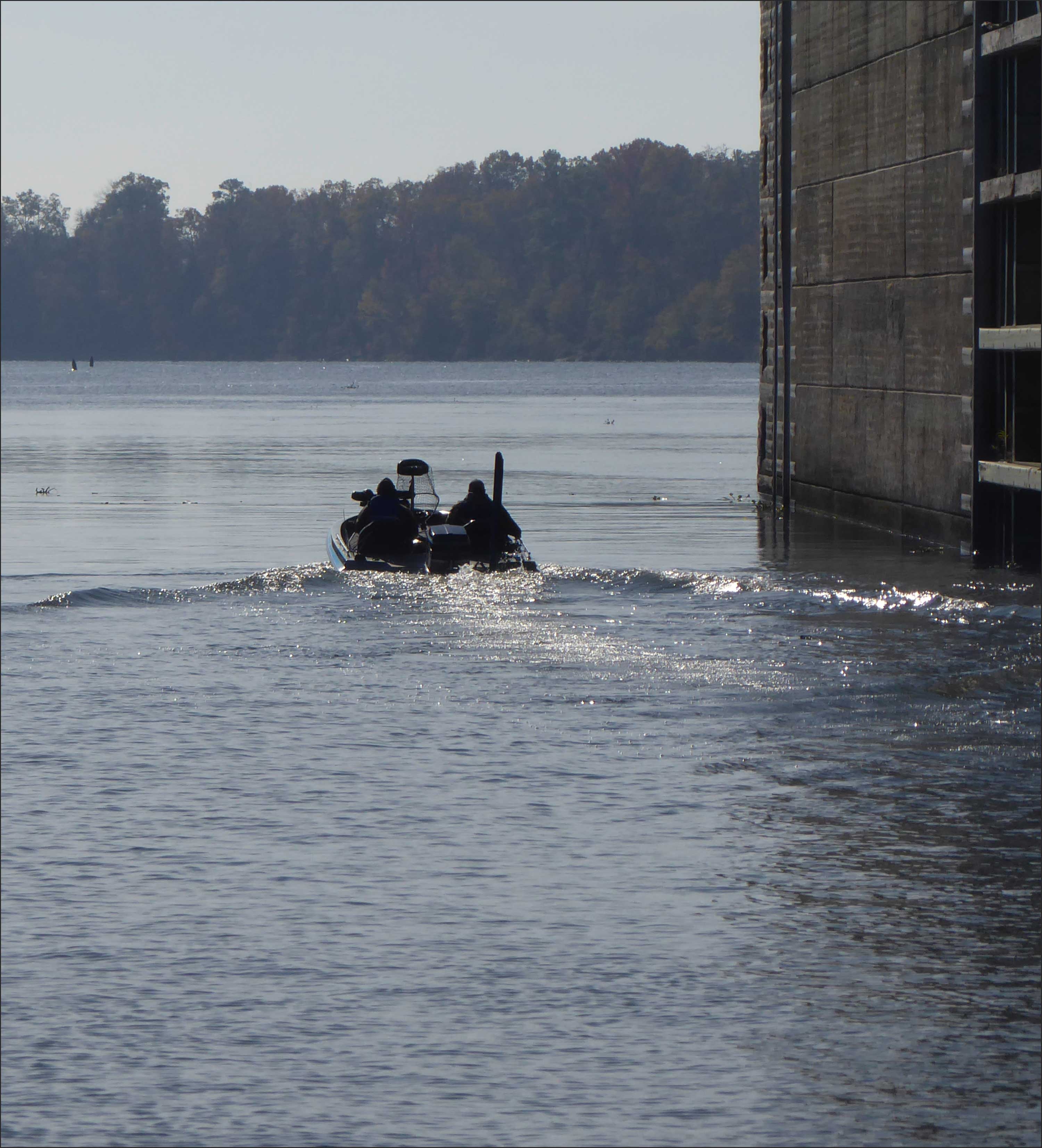
John C. Stennis Lock (30’) – Frist time we shared a lock with a fishing boat.Do you think she is giving me “the evil eye?”
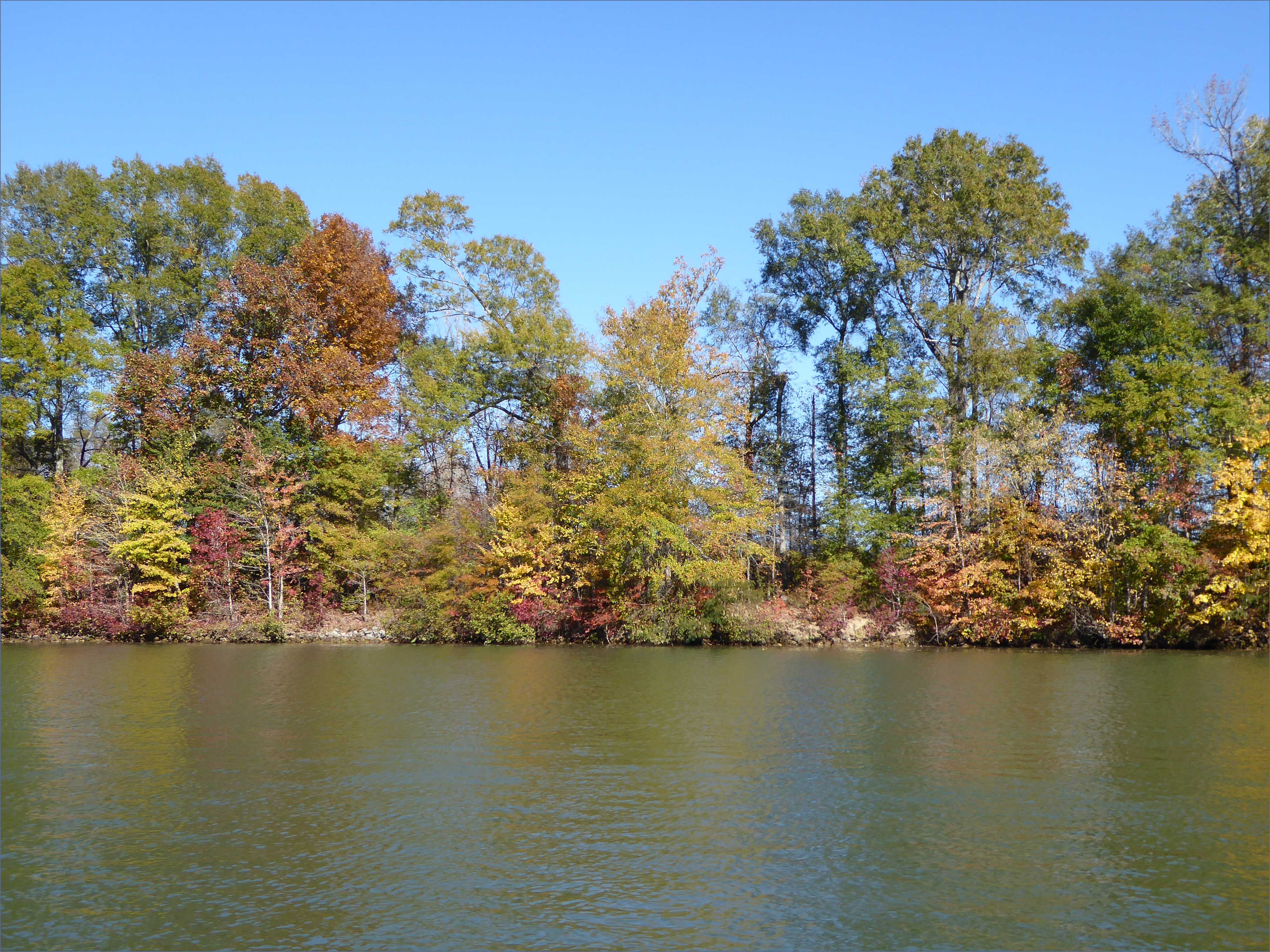
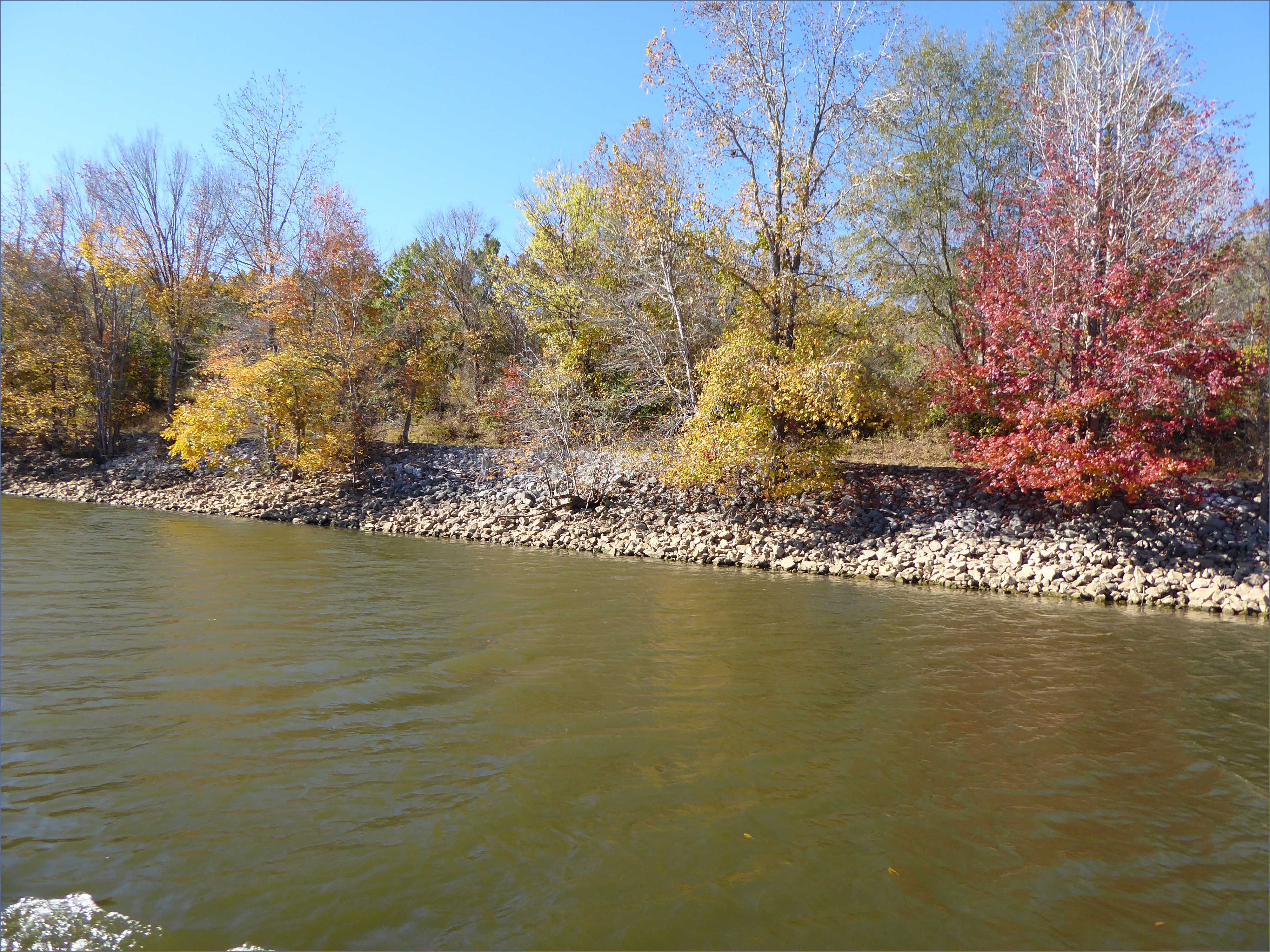
Views from the river.
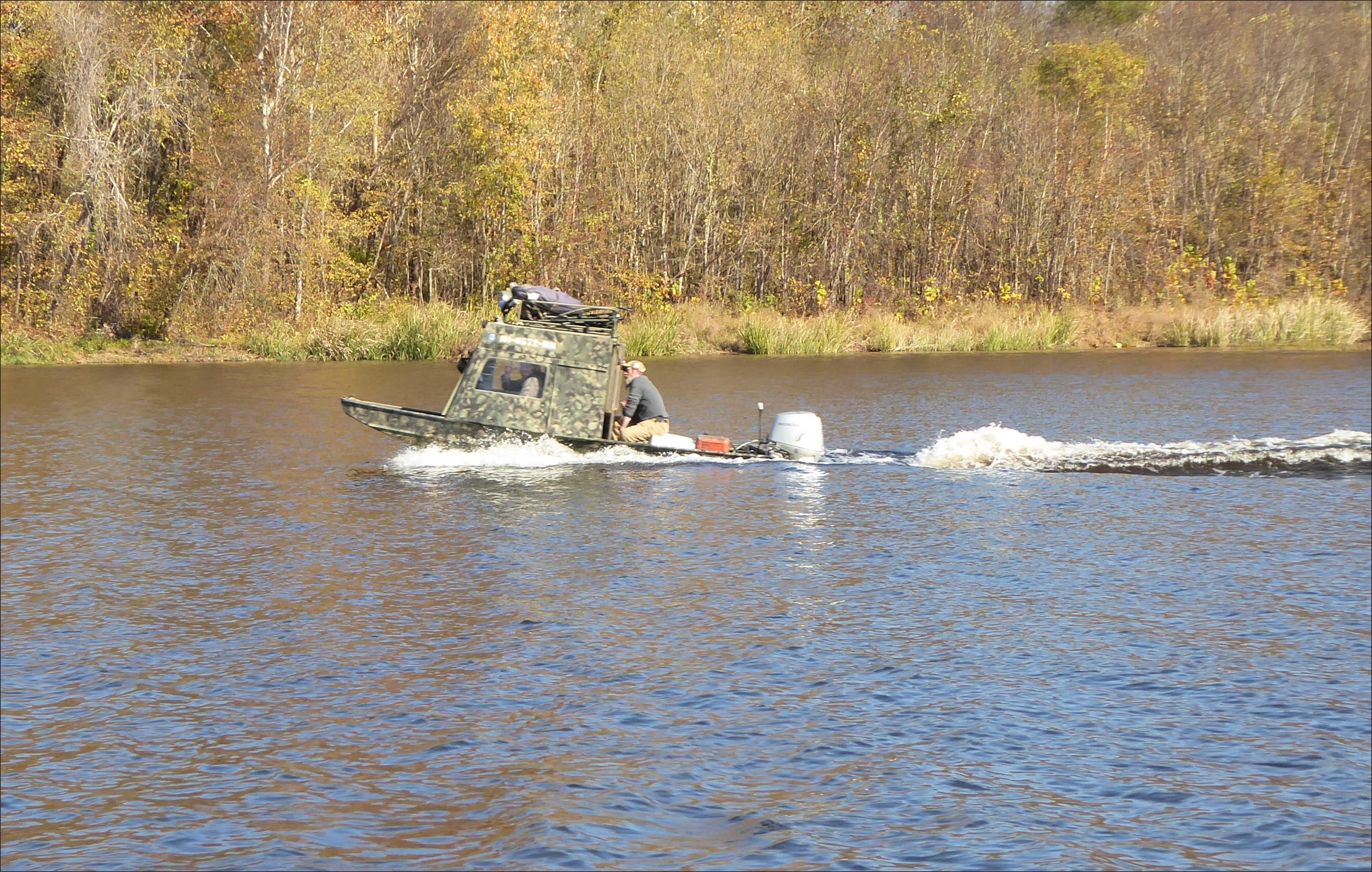
Duck Hunters
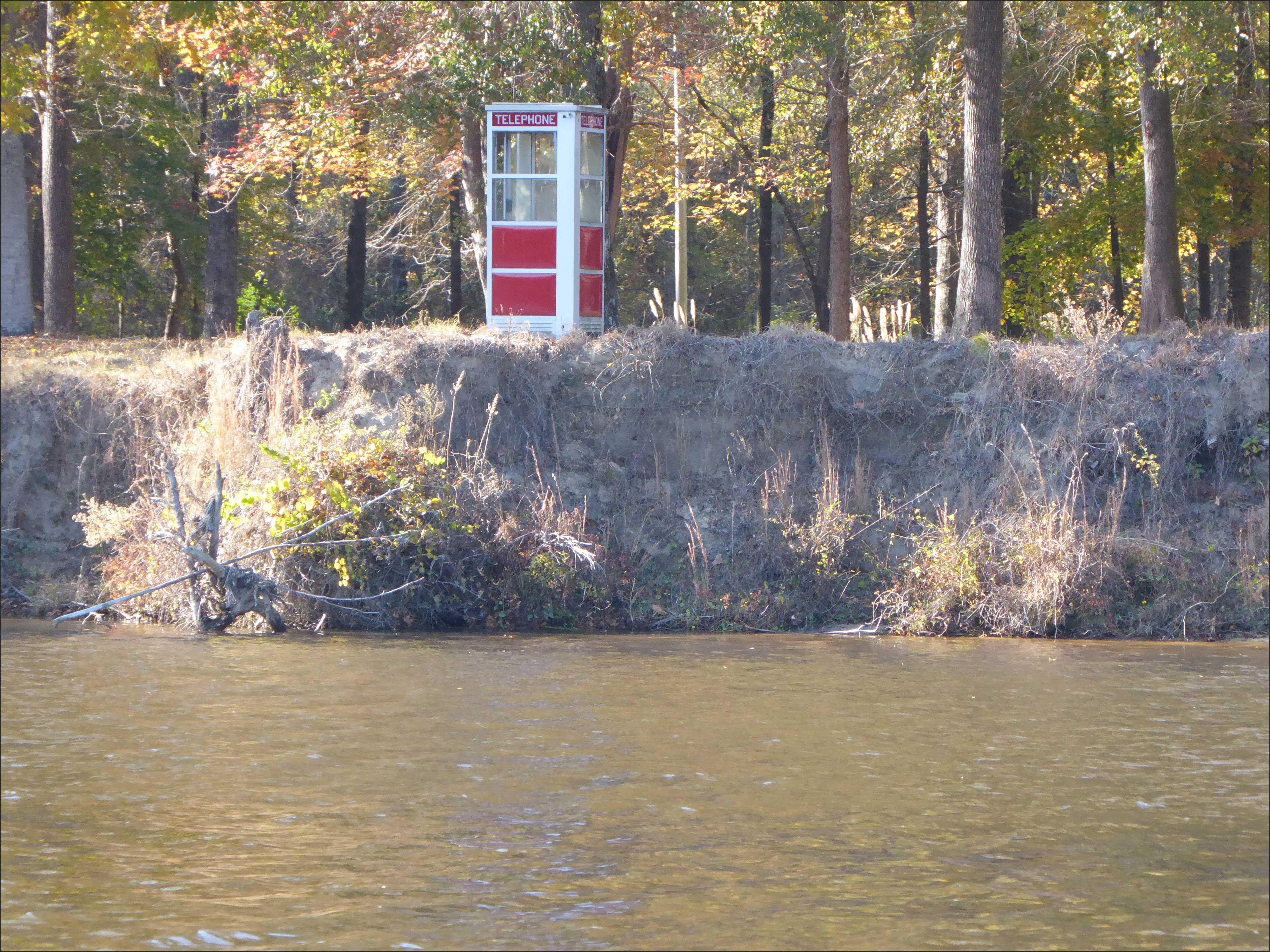
I think this might be the last fall for this tree.Any interest in making a phone call?
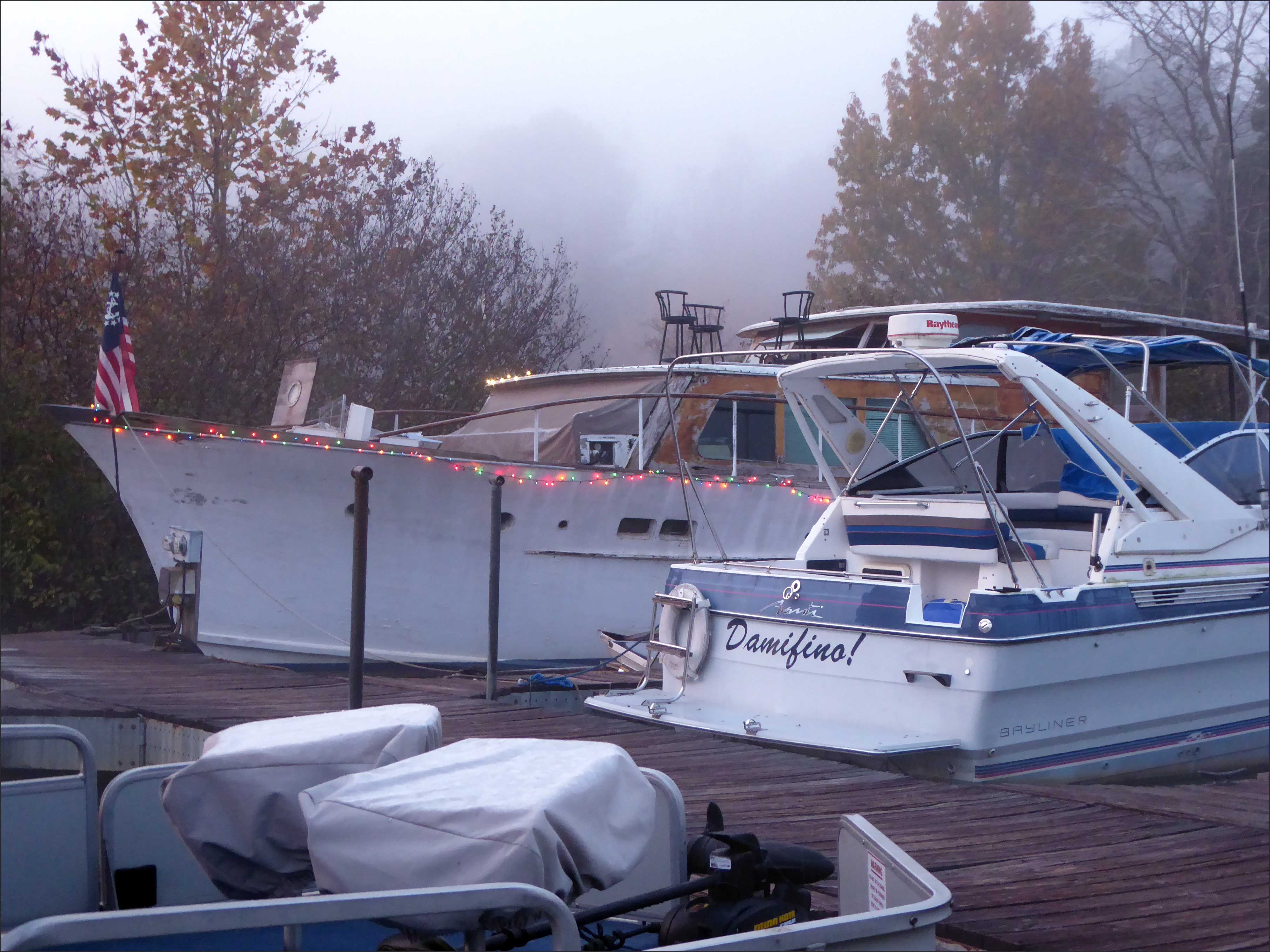
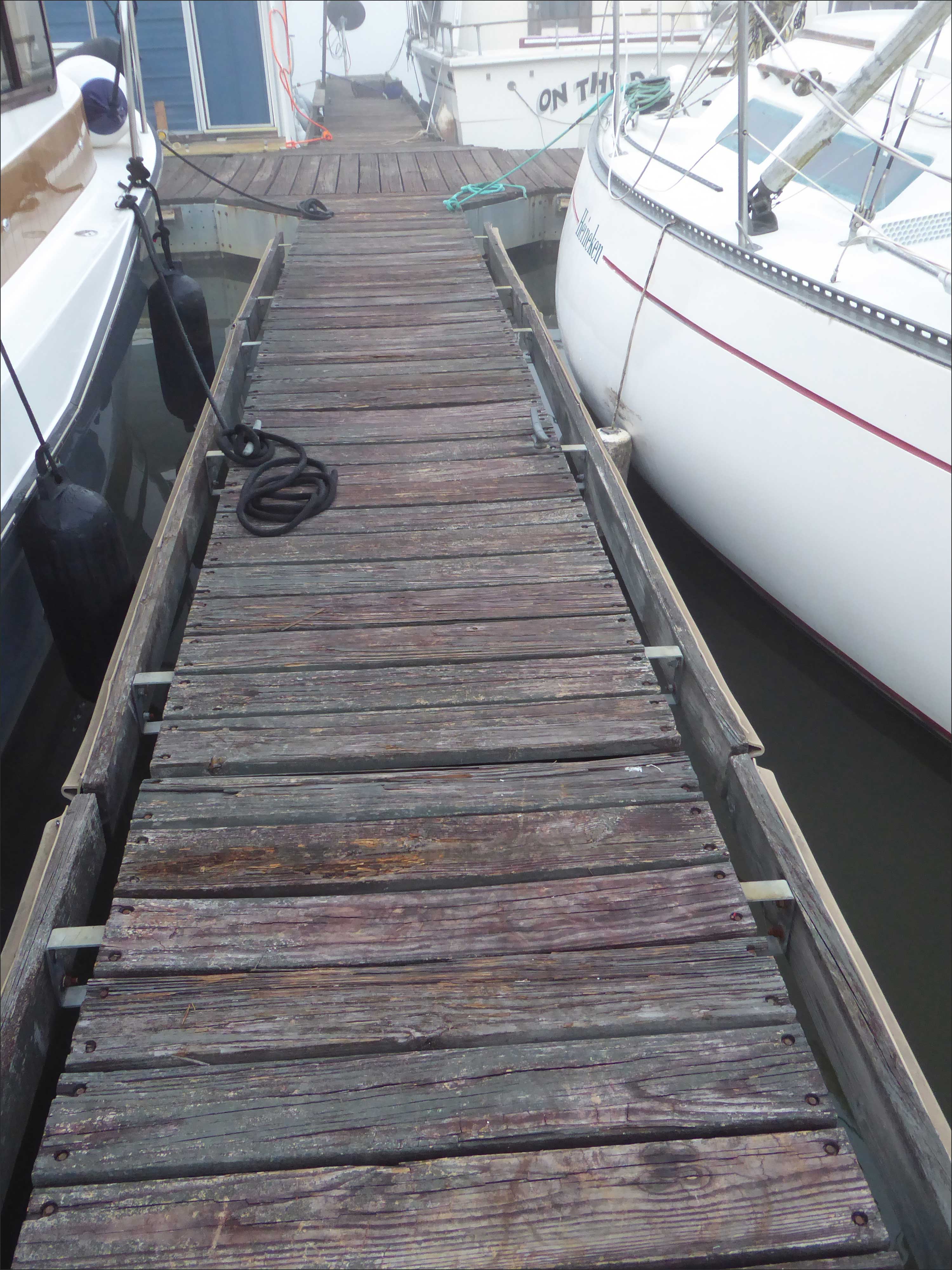
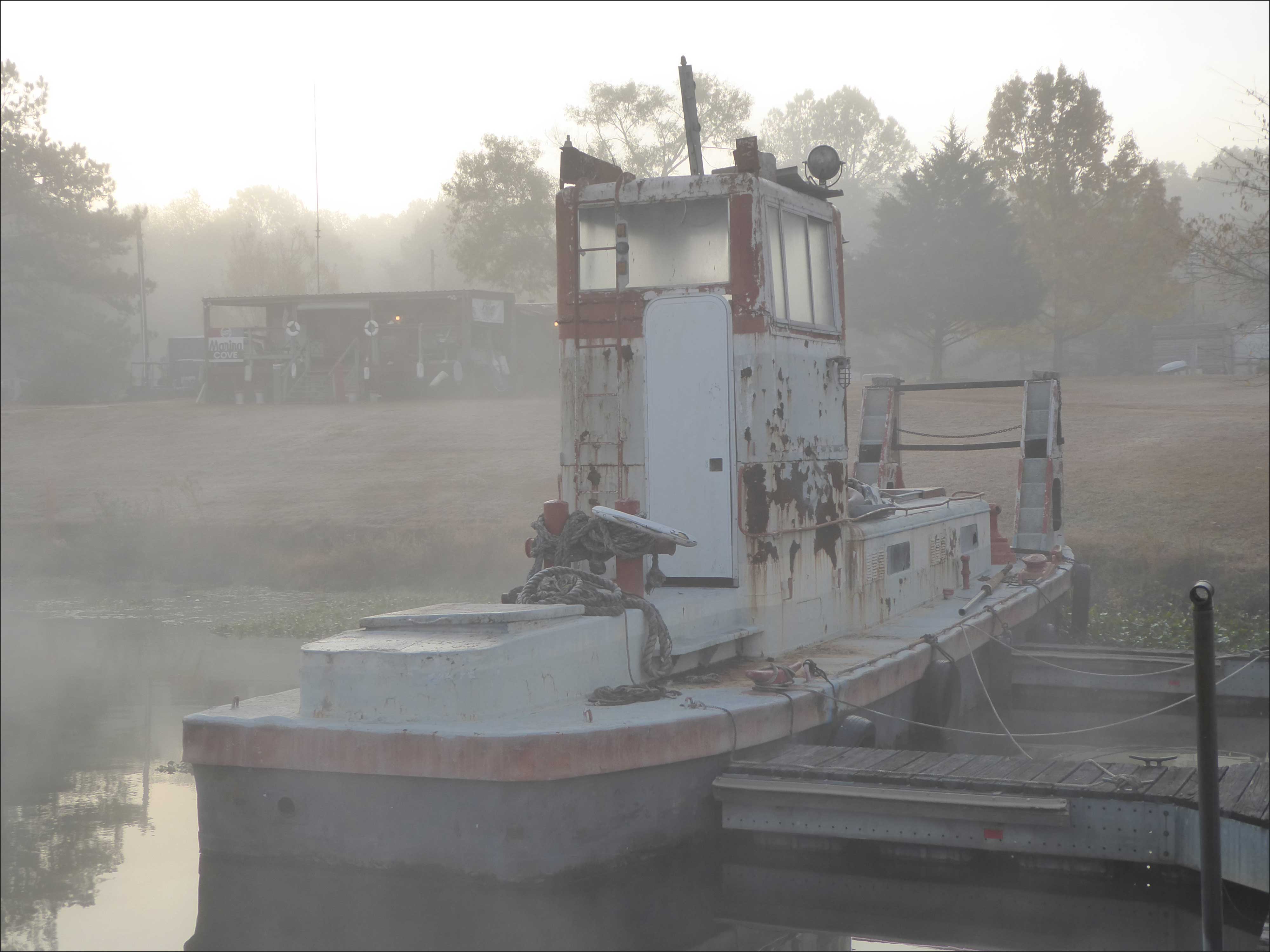
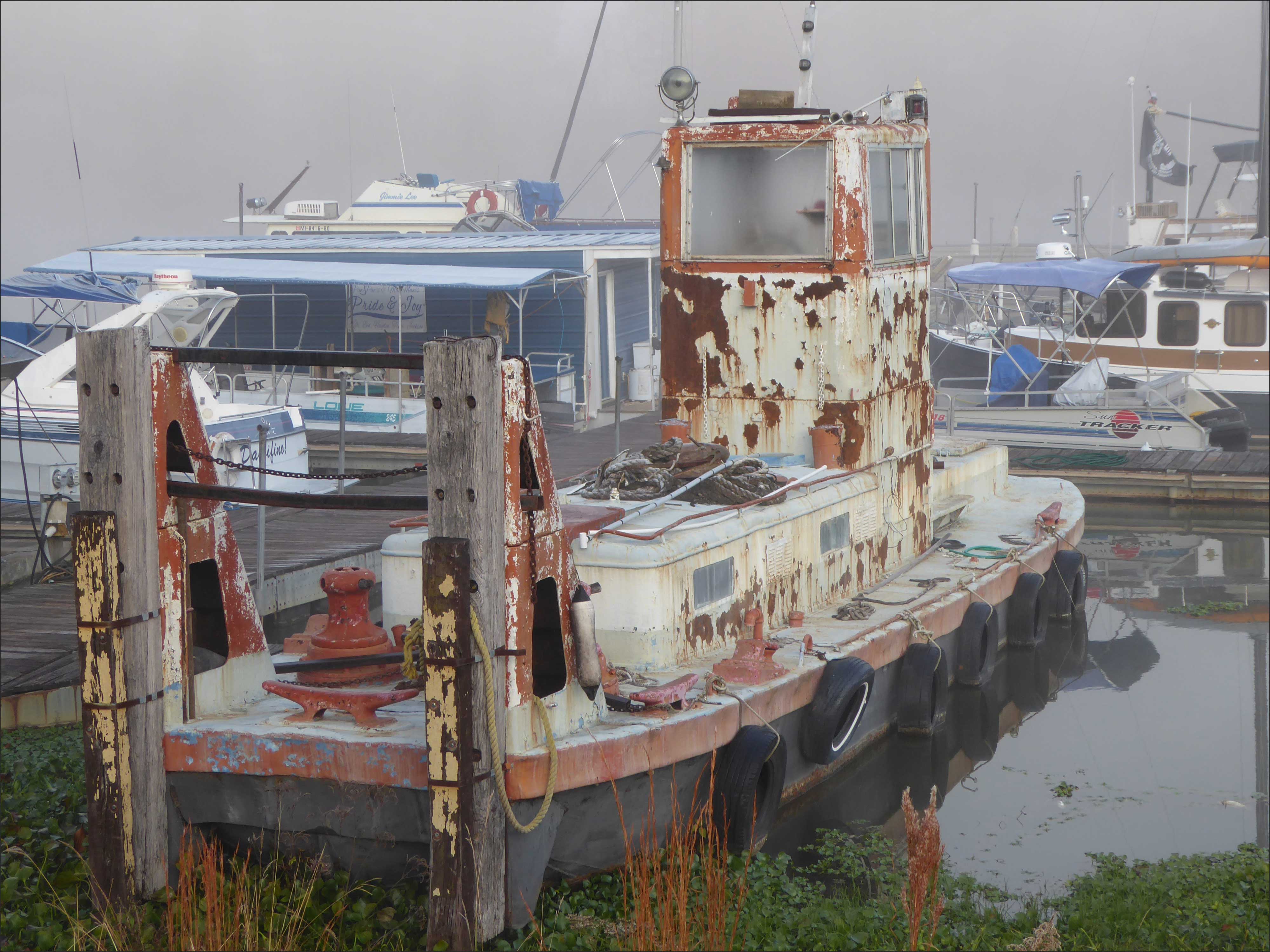
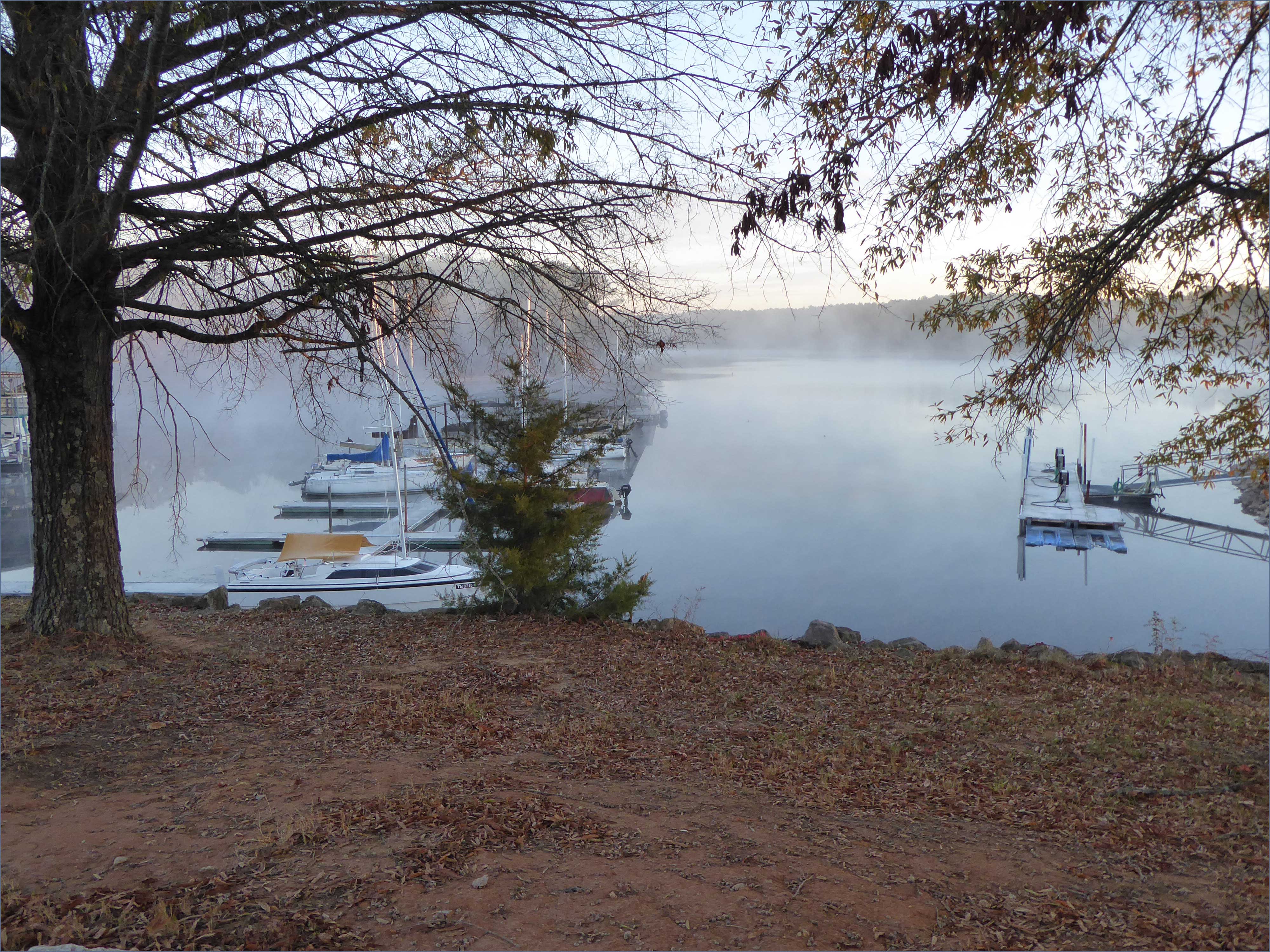
Next up, Pirate’s Marina Cove, Pickensville, AL. Rick and I use an Internet site called “Active Captain” for advice on marinas and anchorages. Thus far, the lowest rated marina has been Pirate’s Marina Cove and it was not highly rated by our fellow Loopers. In spite of these “not so glowing” recommendations, and since Rick needed access to the Internet, we decided to check it out. It is a very old marina, needs a complete make-over, and is a bit creepy. Of course, the fog added to the ambiance.
This boat doesn’t look like it should float, but she has the holiday spirit.Narrow and rickety docks,VERY Old Tow Boat
November 27, 2016 – Sunday
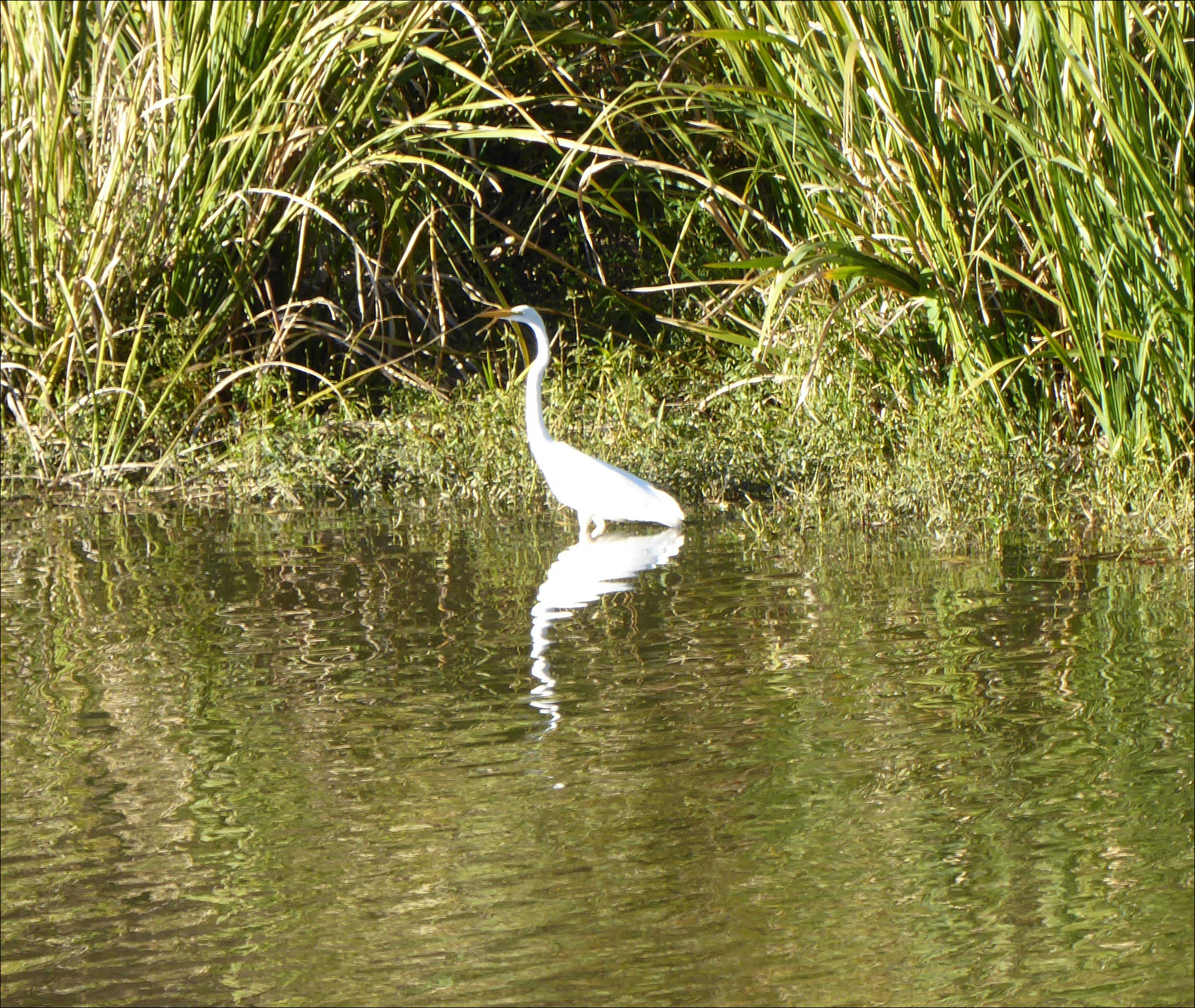
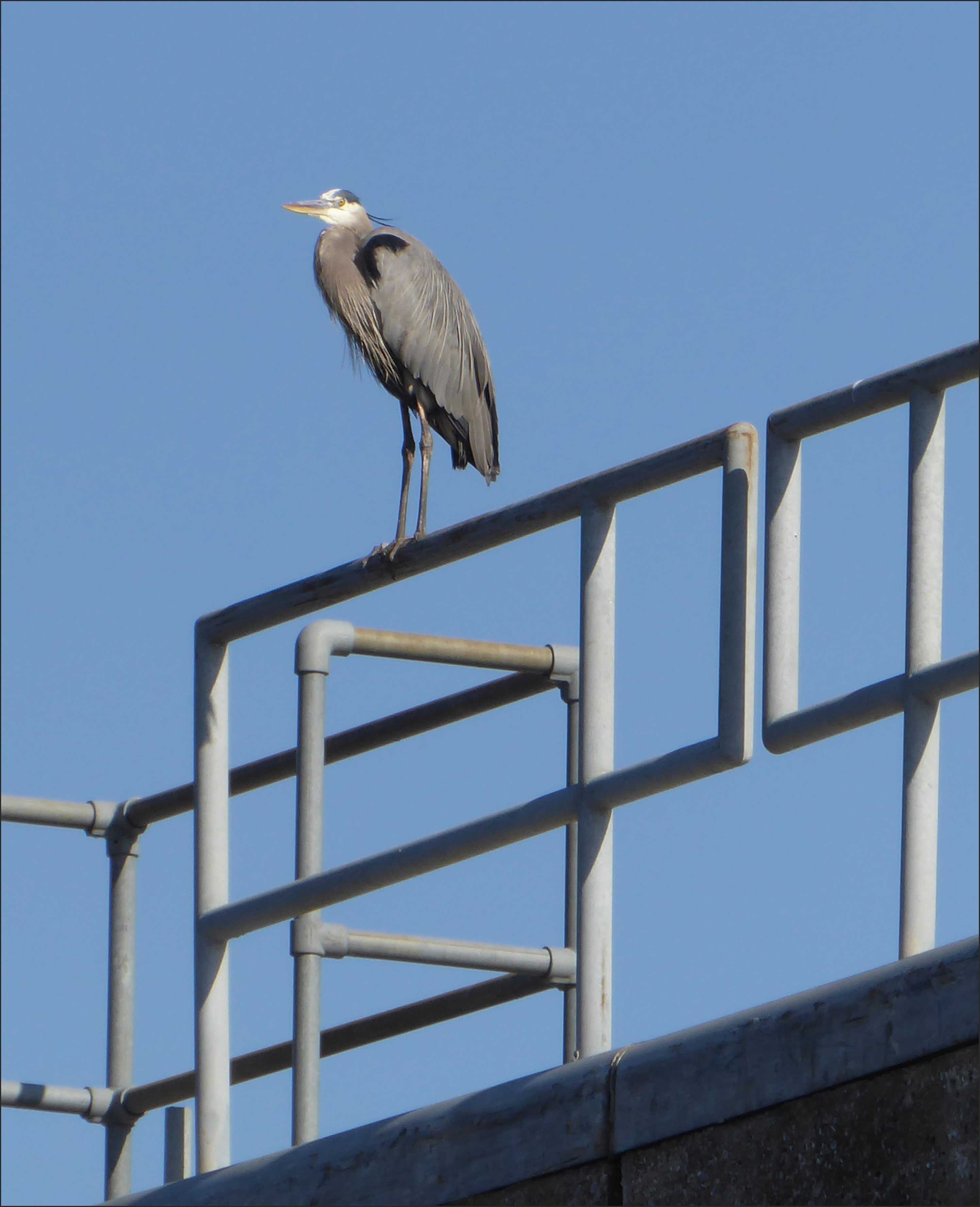
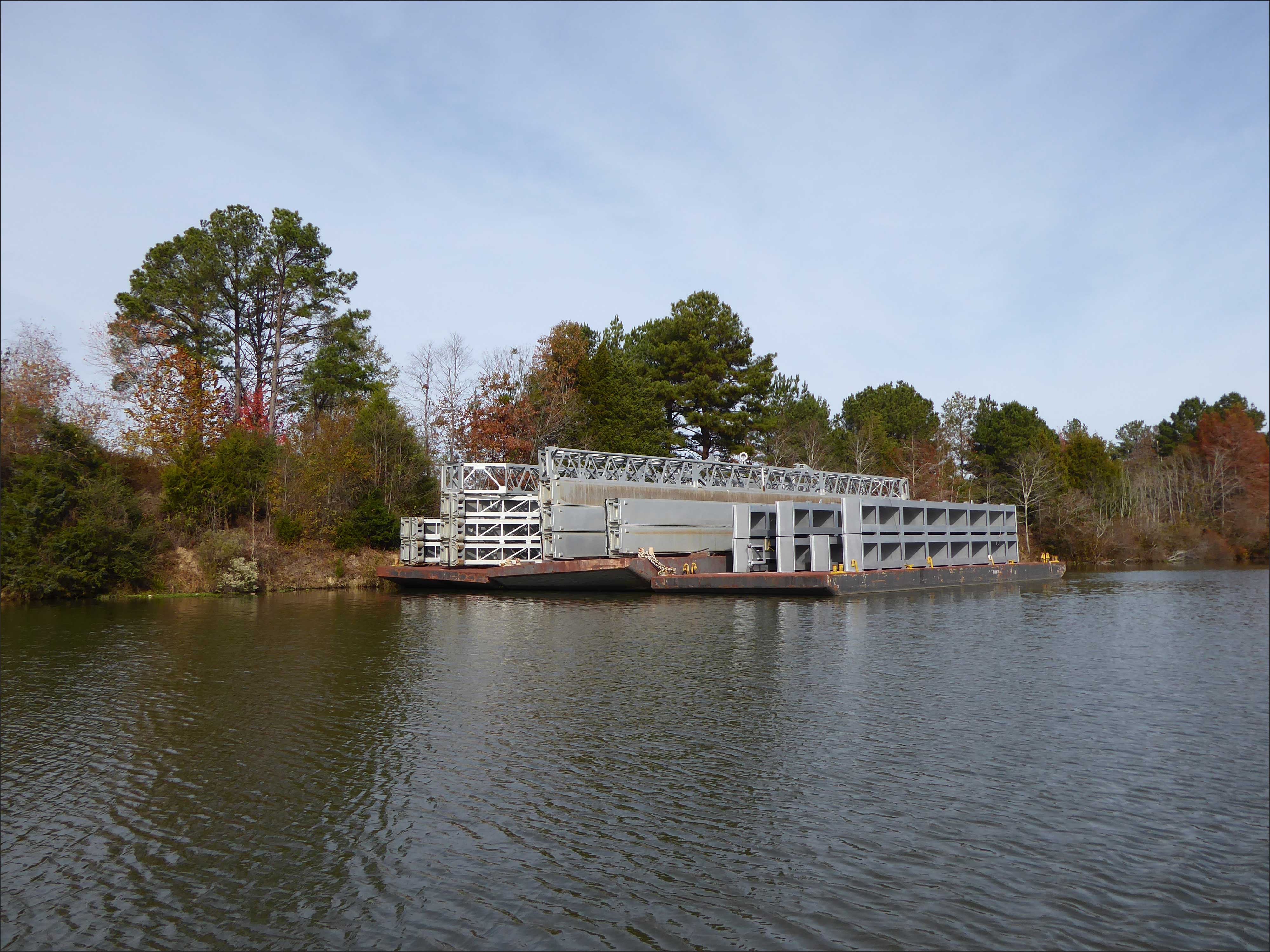
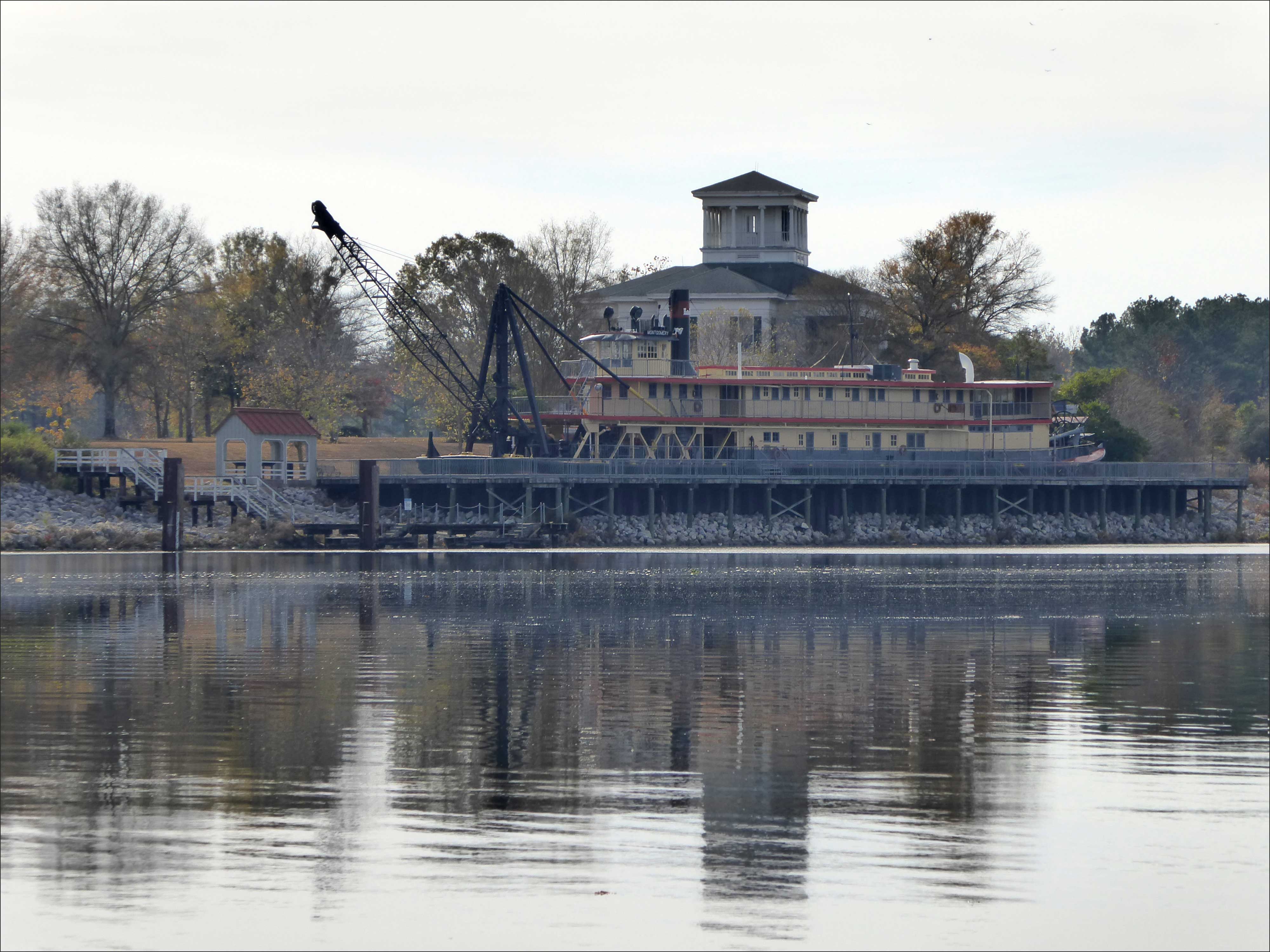
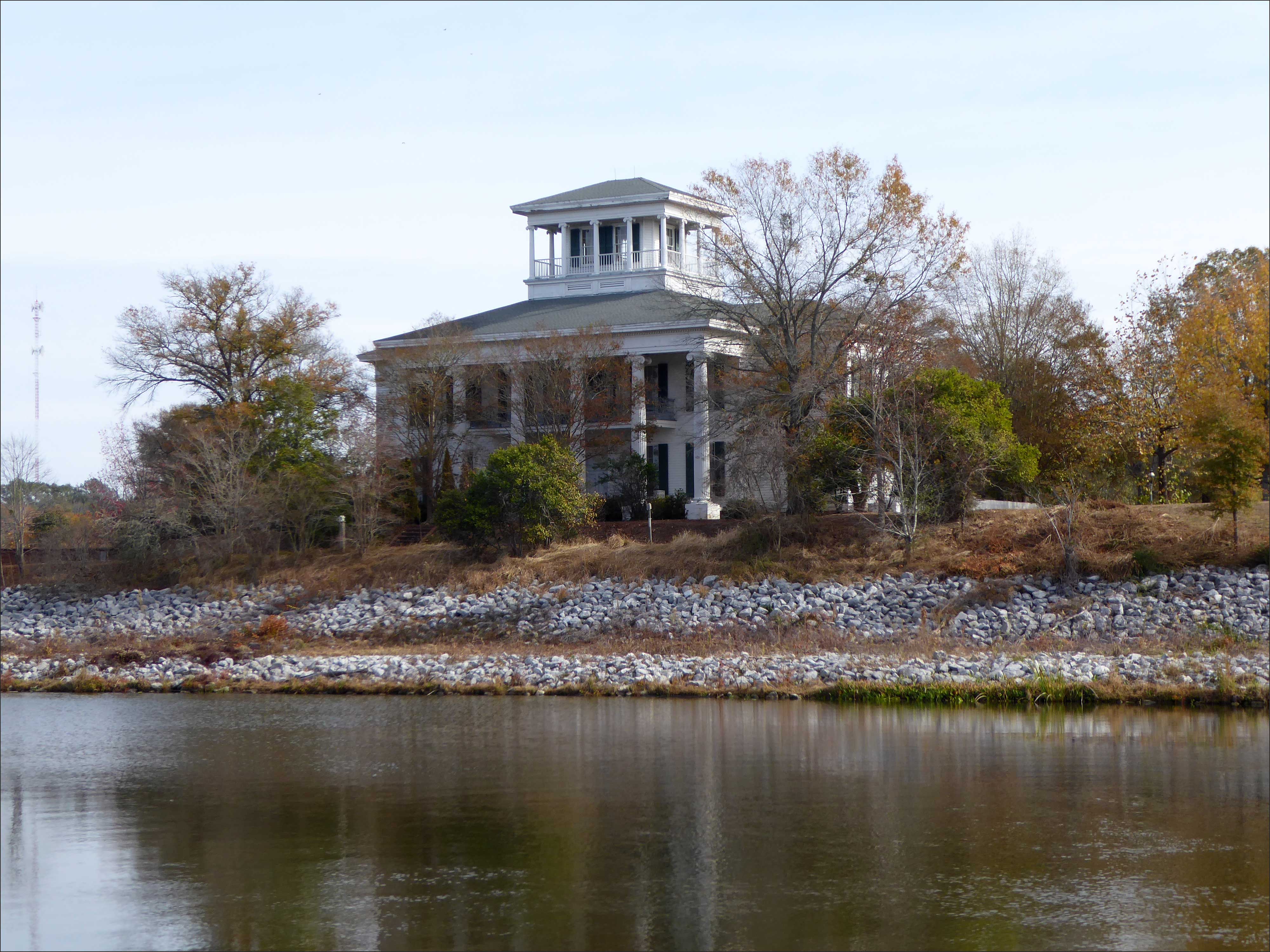
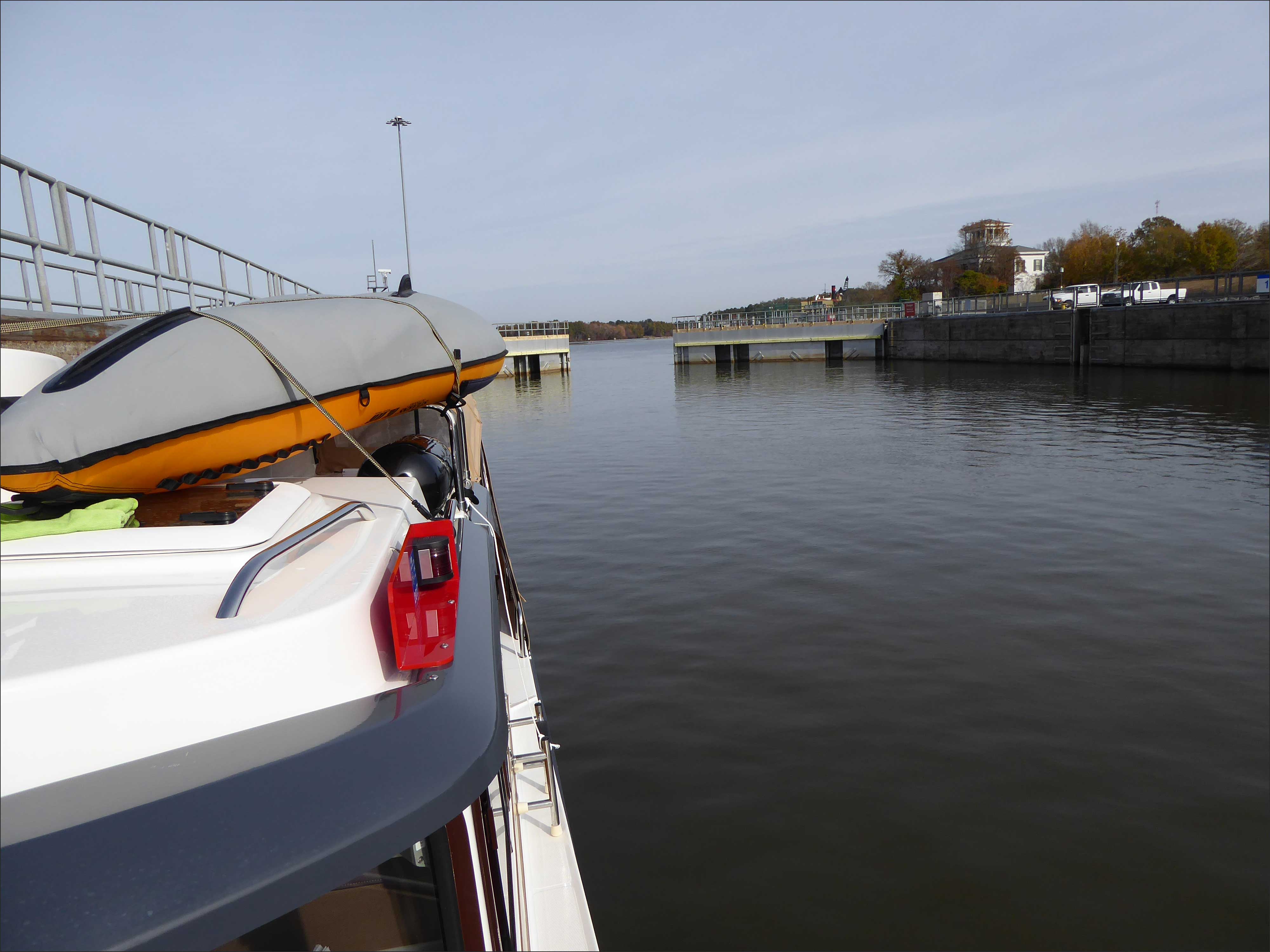
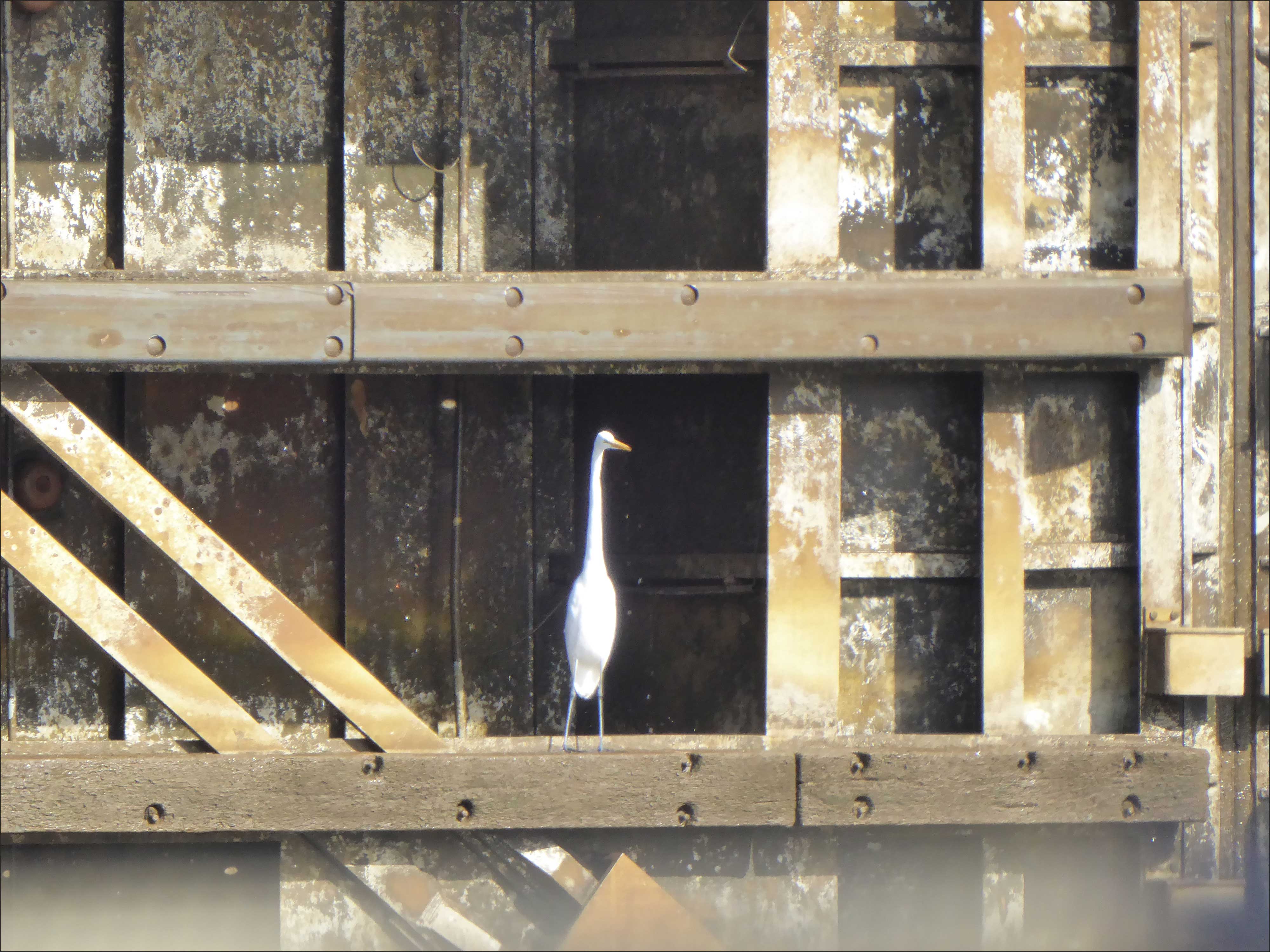
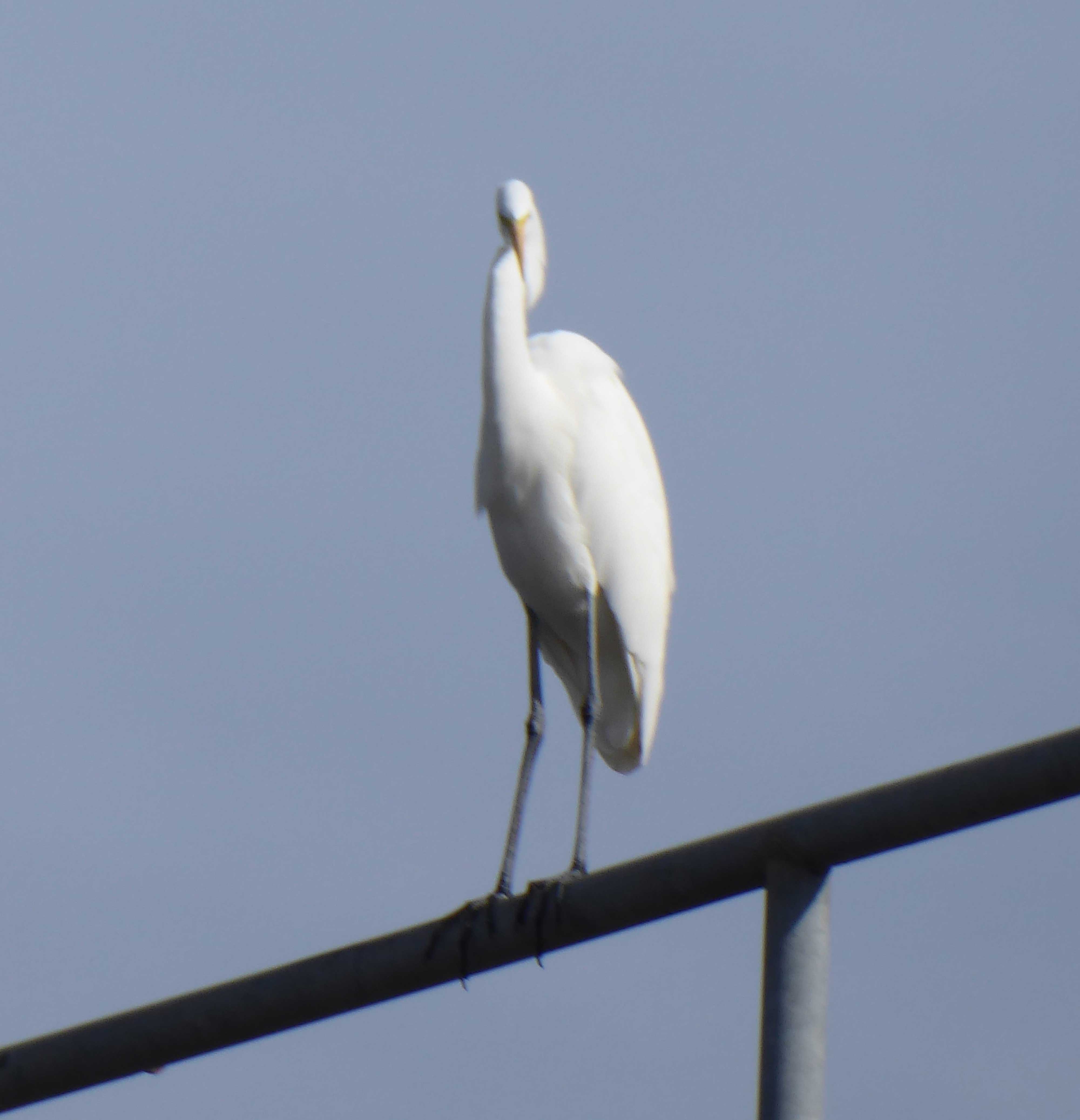
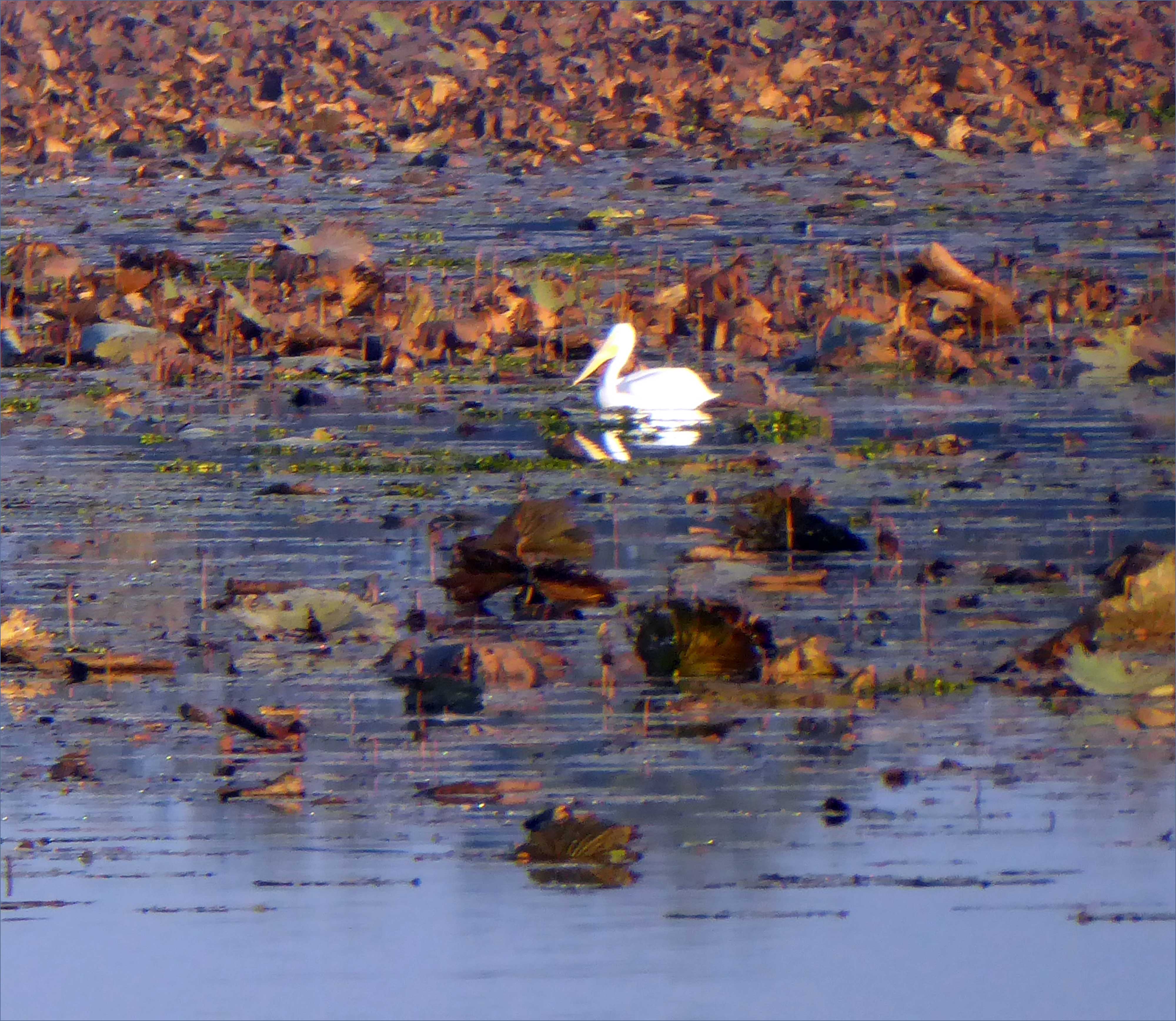
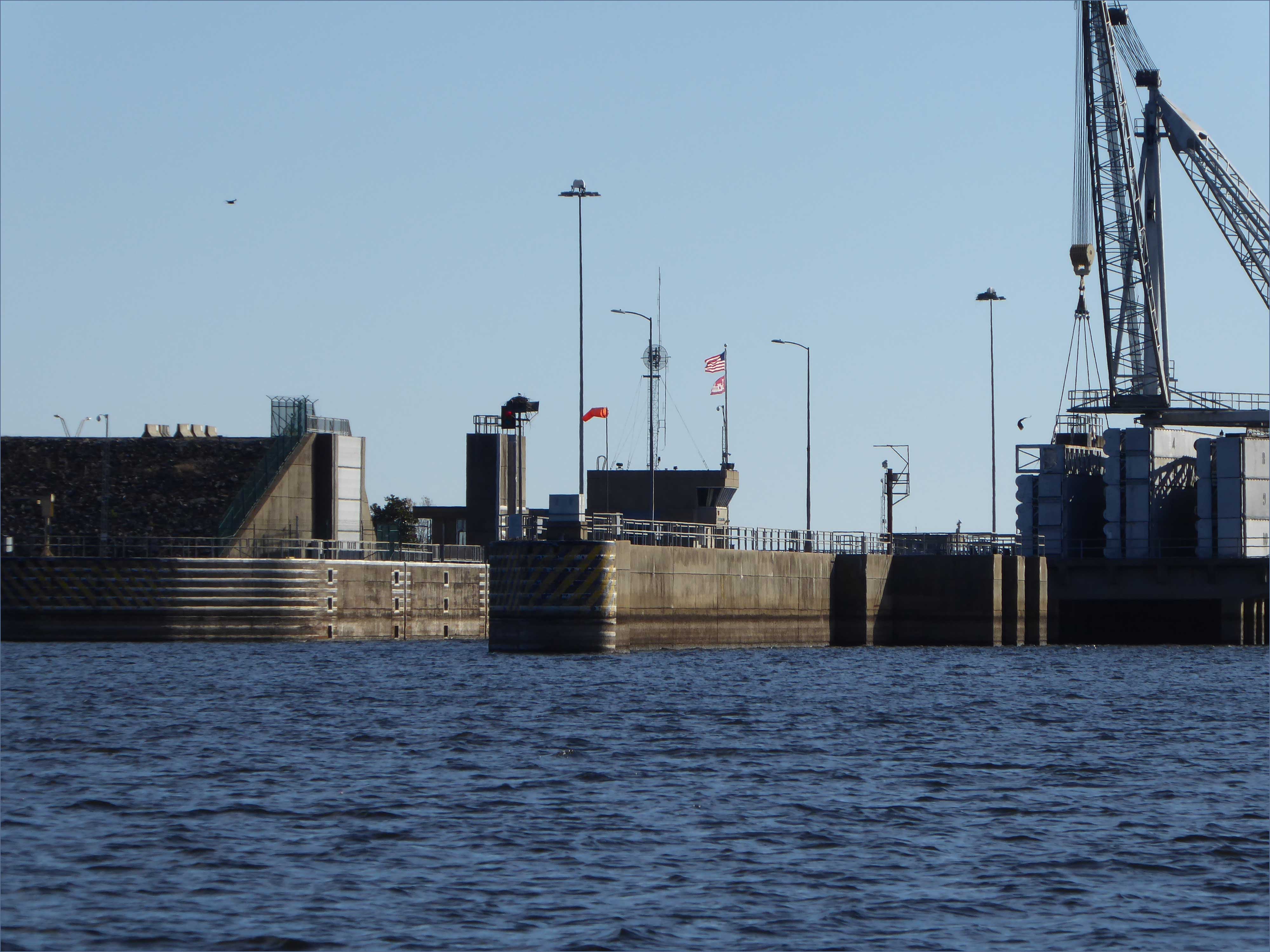
Spare parts for the Bevill Locks are stored in the cove.The U.S. Snagboat Montgomery was the last steam-powered sternwheeler to ply the inland waterways of the south. For nearly six decades, the Montgomery labored to keep seven of the South’s major rivers navigable.The Tom Bevill Lock and Dam Visitors Center is an authentic reproduction of a mid-nineteenth Century plantation house surrounded by extensive lawns with scattered rows of shade trees.Tom Bevill Locks (27′) – Doors ClosingToday, instead of a Great Blue Heron we have a Great Egret in the locks with us.
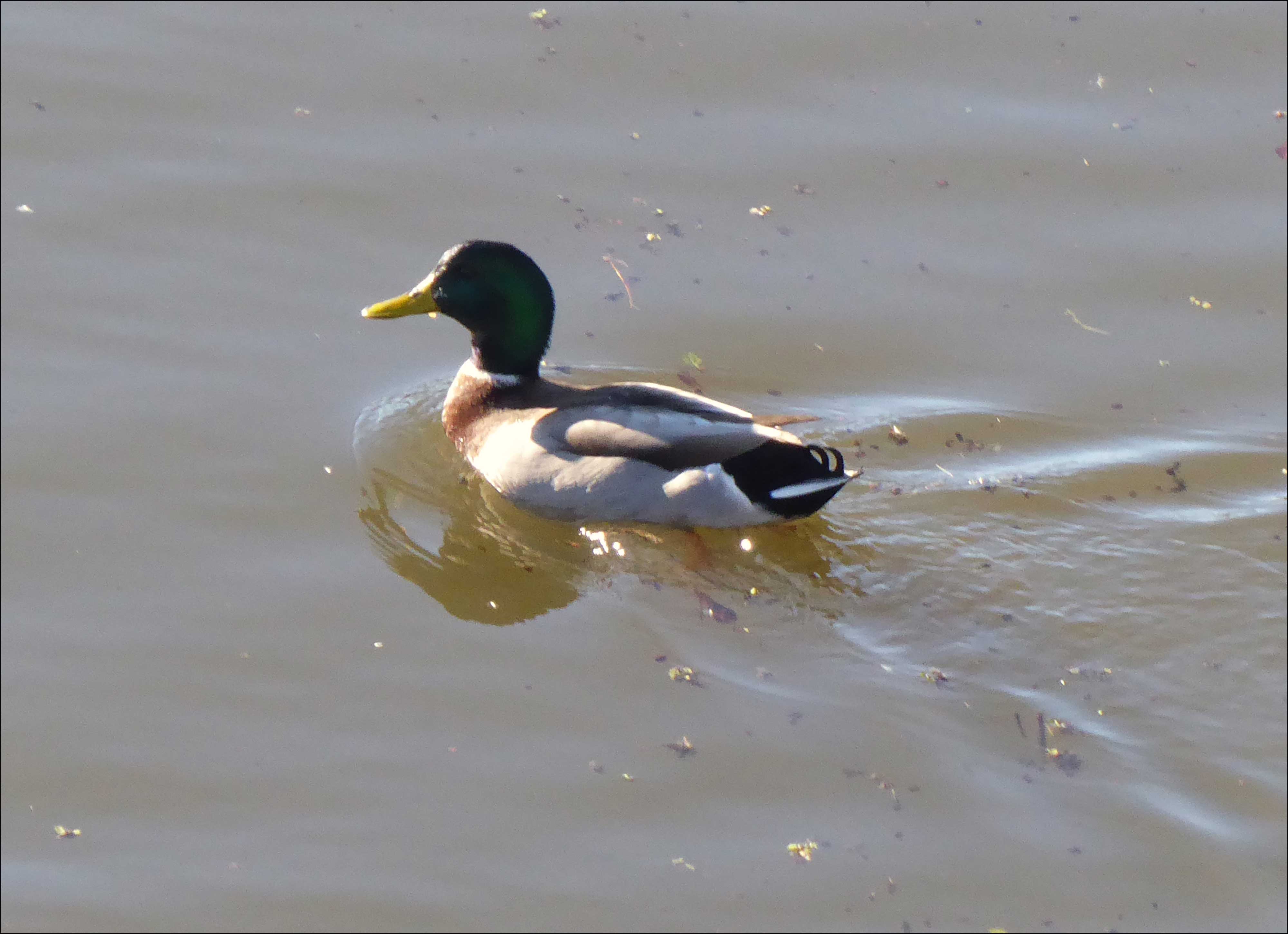
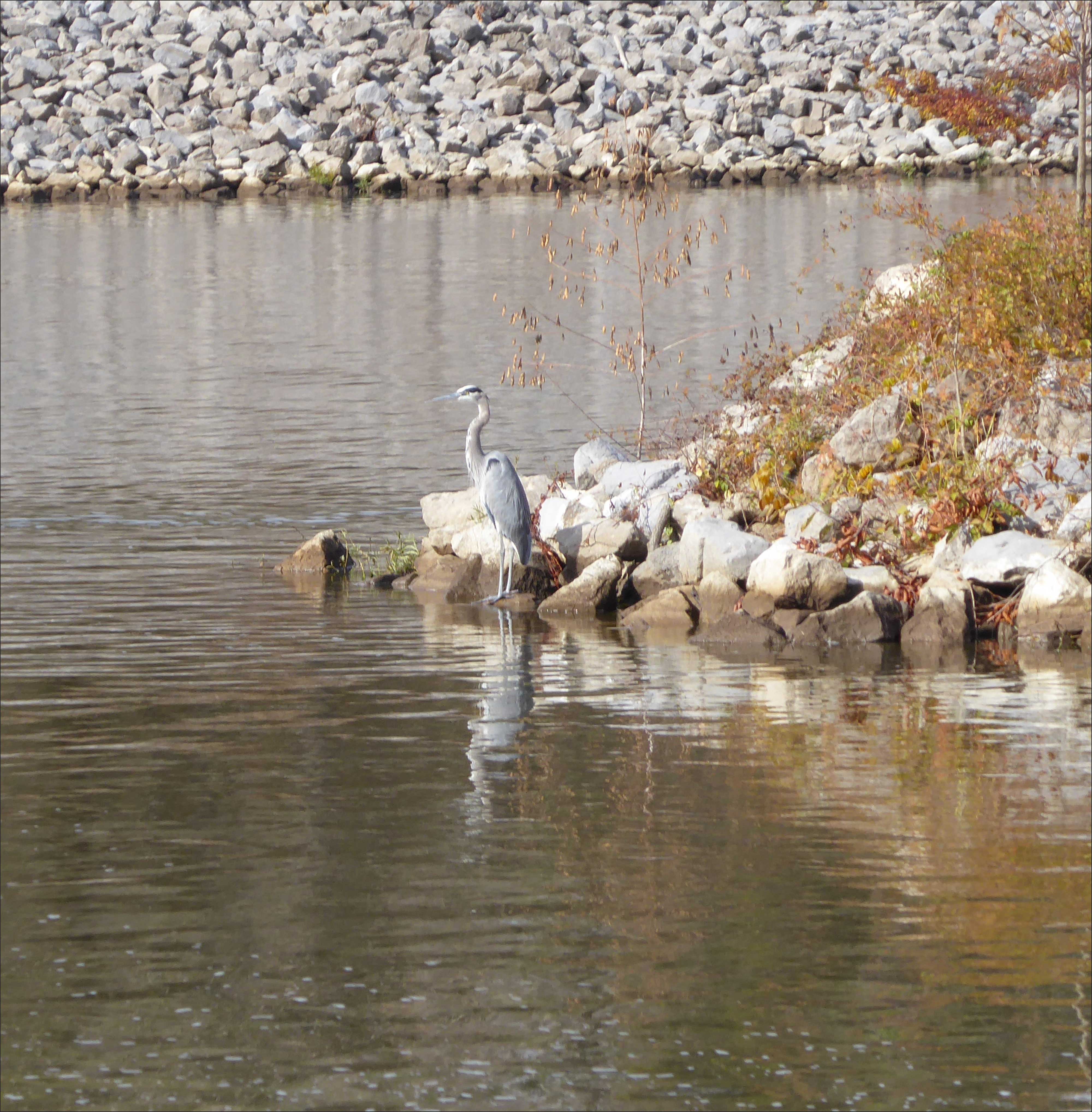
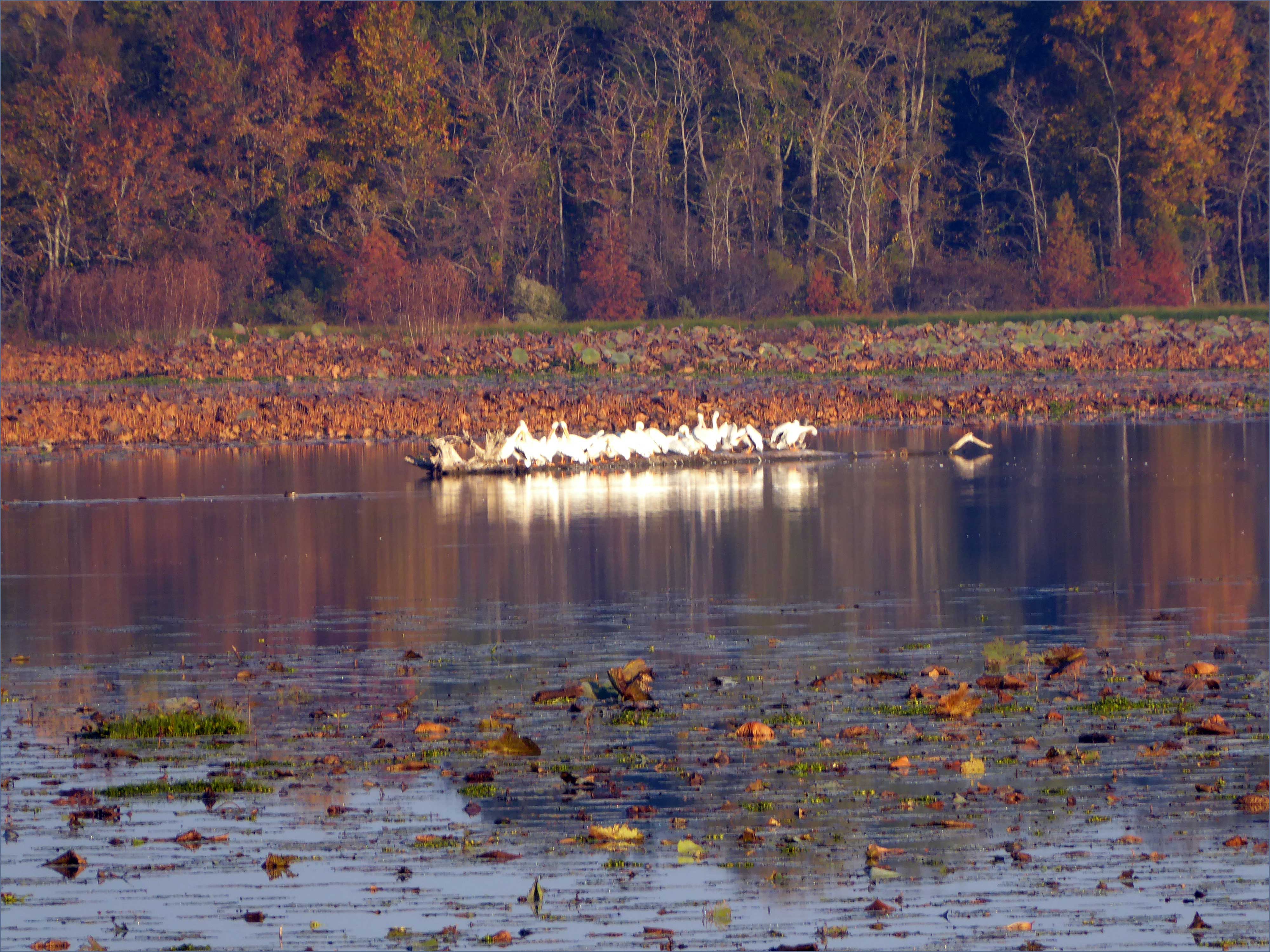
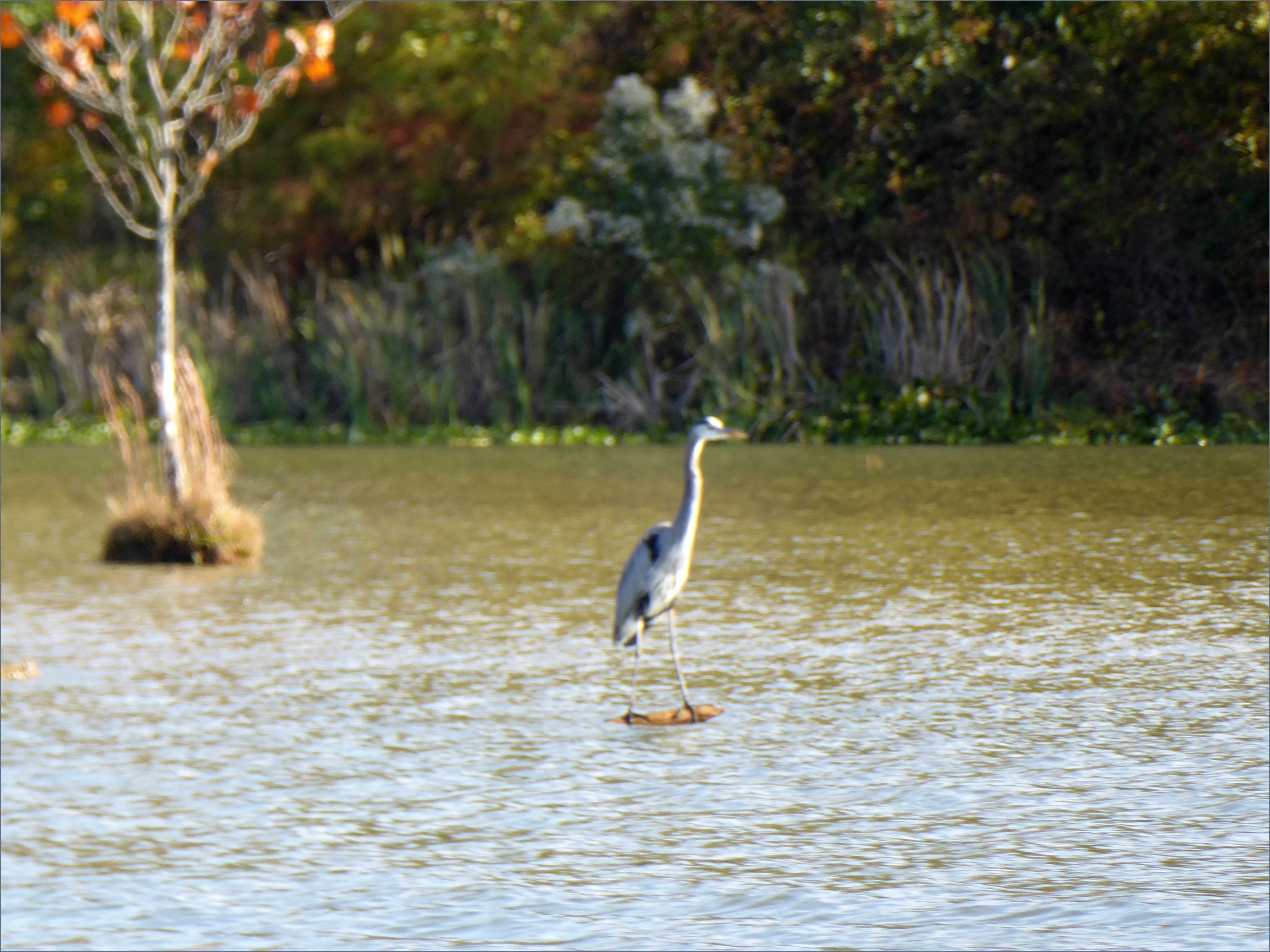
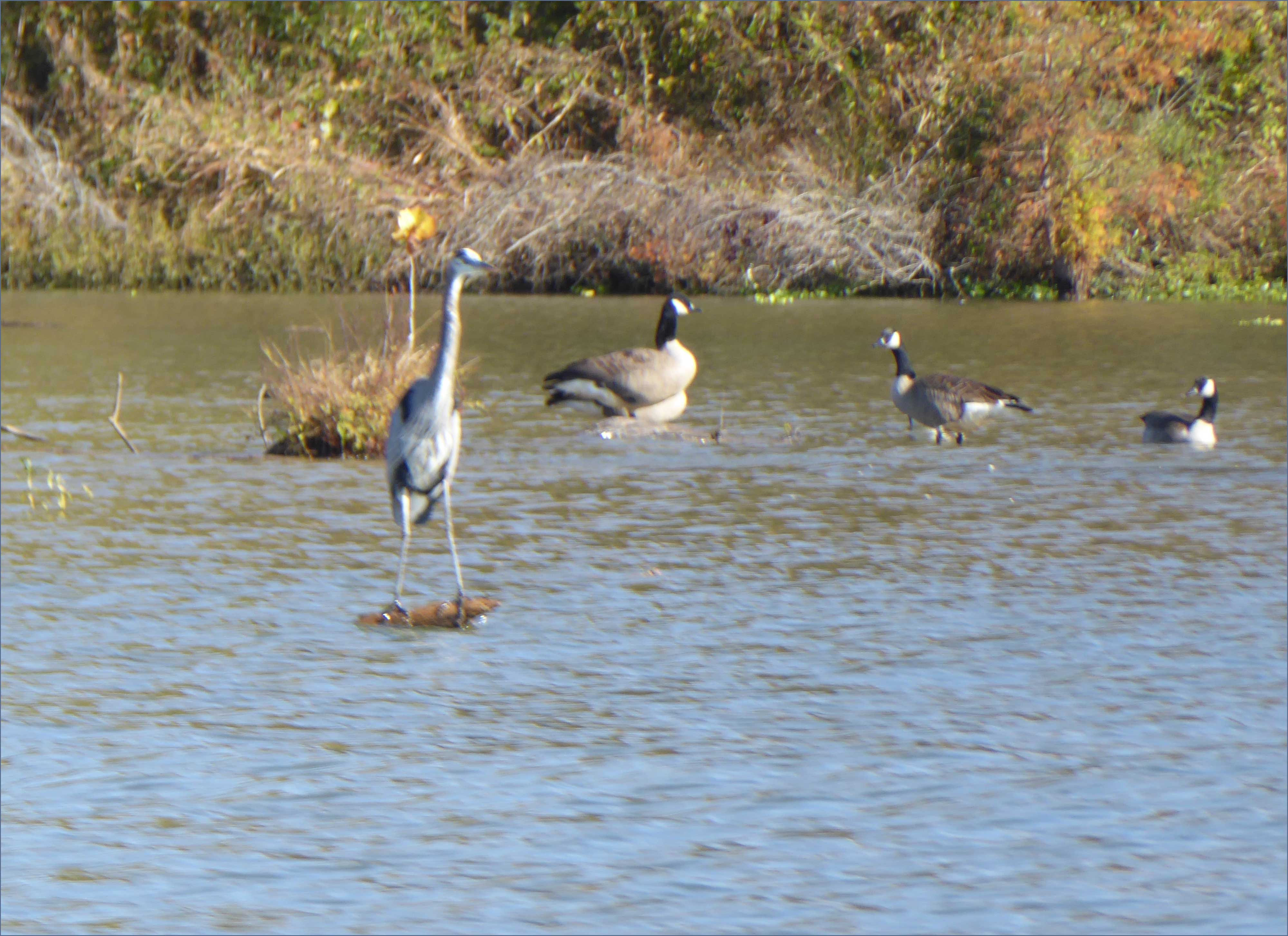
Another good bird watching day.
We ended the day anchored at Sumter Landing Recreation Area
End of another wonderful day on the river.
November 28, 2016 – Monday
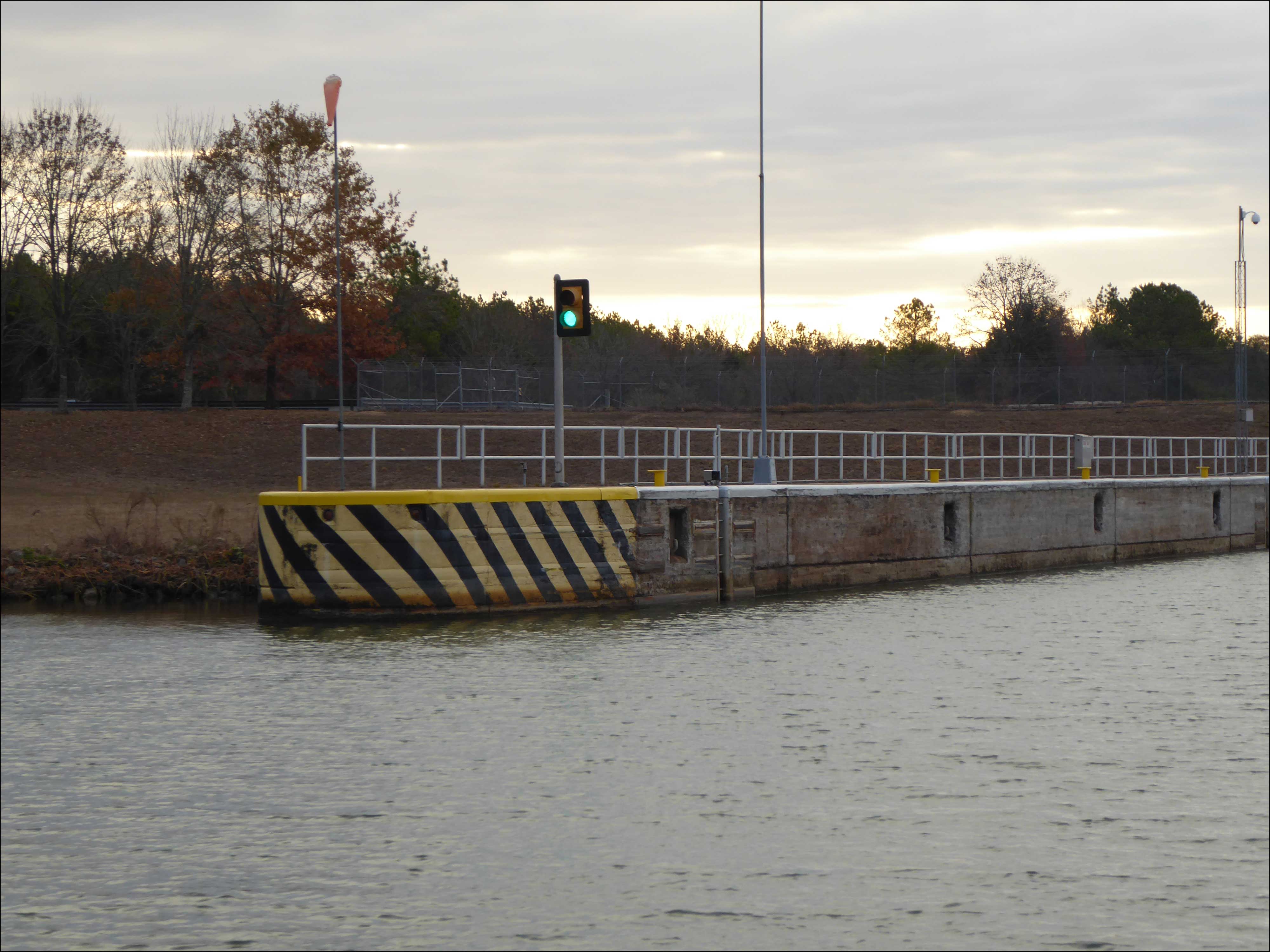
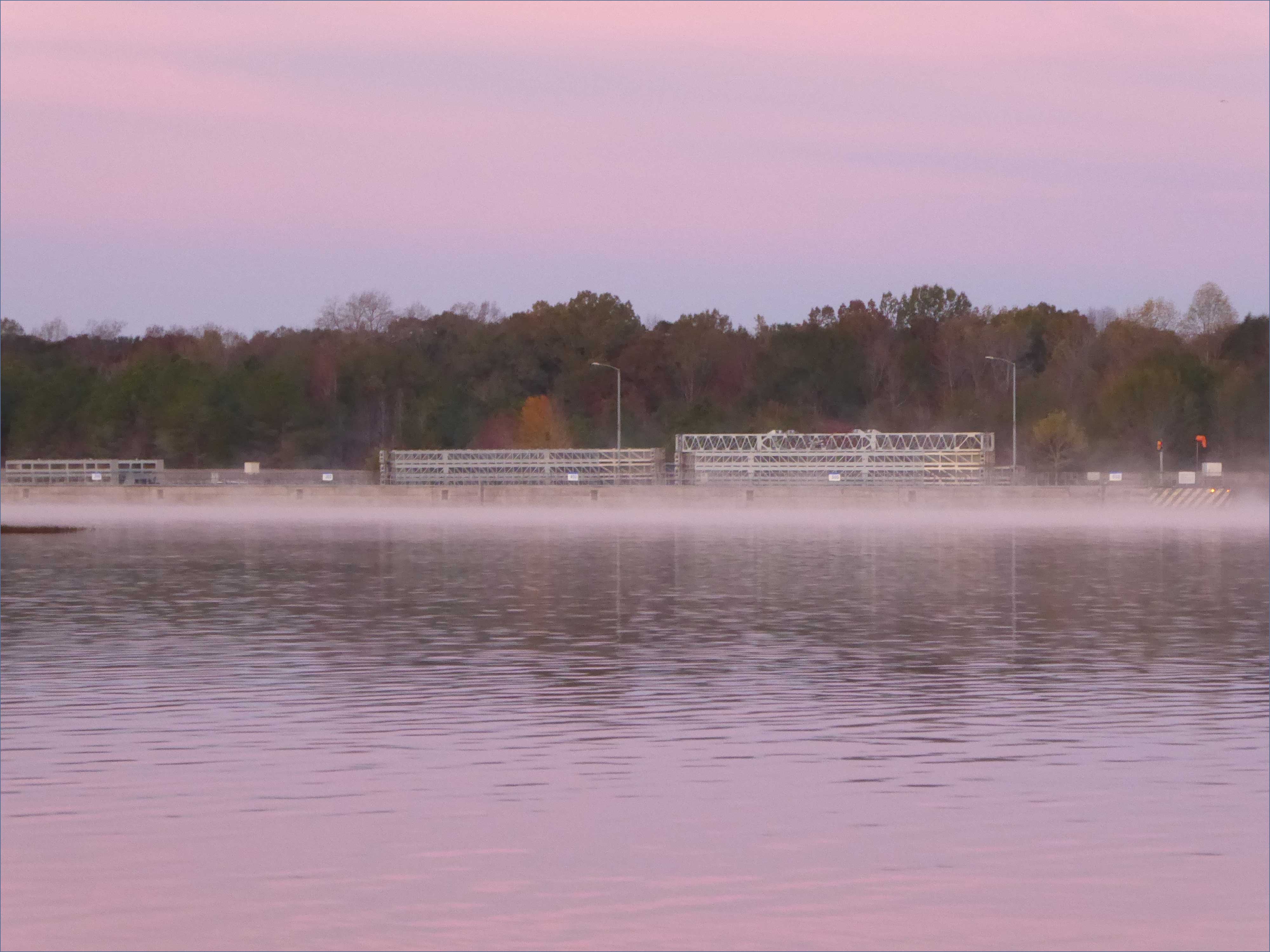
We weighed anchor at sunrise and proceeded to Helfin Lock and Dam,” our last lock on the Tenn-Tom. (Note: “to weigh anchor” is the opposite of “to drop anchor,” as it means to raise the anchor)
Sunrise at Sumter LandingBefore seven we had the “Green Light” to enter Heflin Locks (32′)
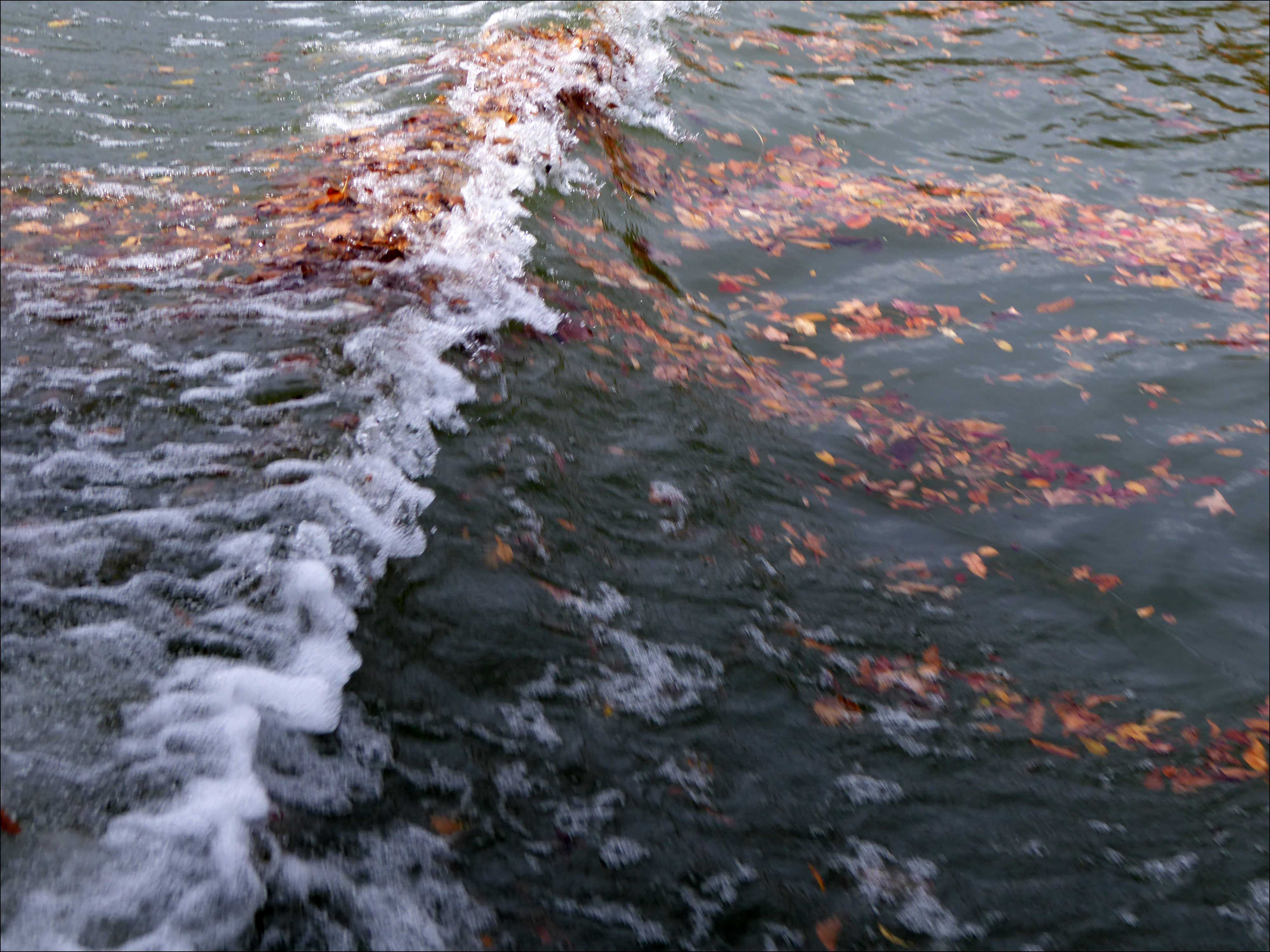
Today has been unique in several ways. We were not just rolling down the river, we were Rock’n and a Roll’n. The wind was 20-25 knots with gust up to 40, creating wave action of 12 to 18 inches, a shower of leaves and, from time to time, a rolling boat.
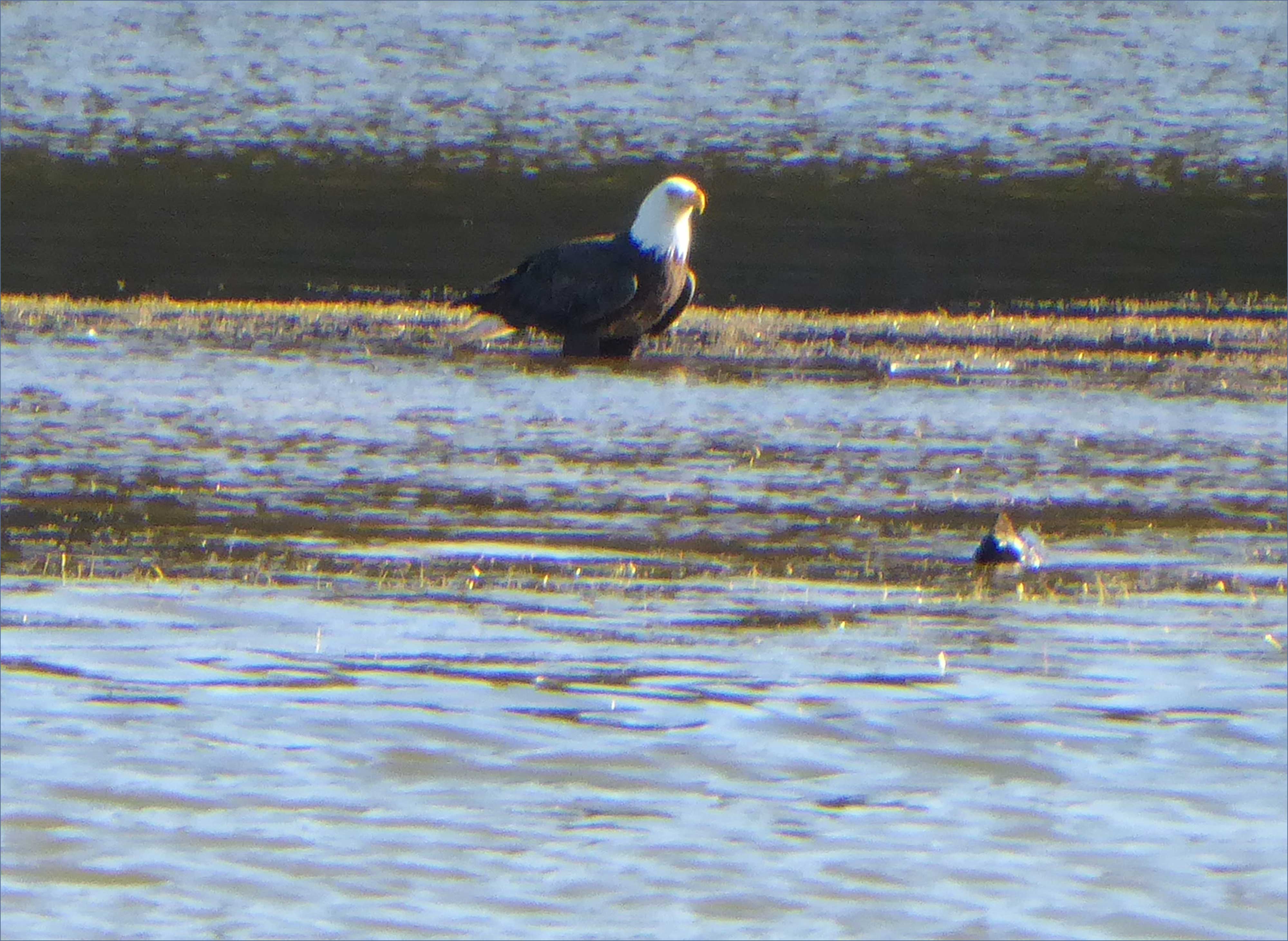
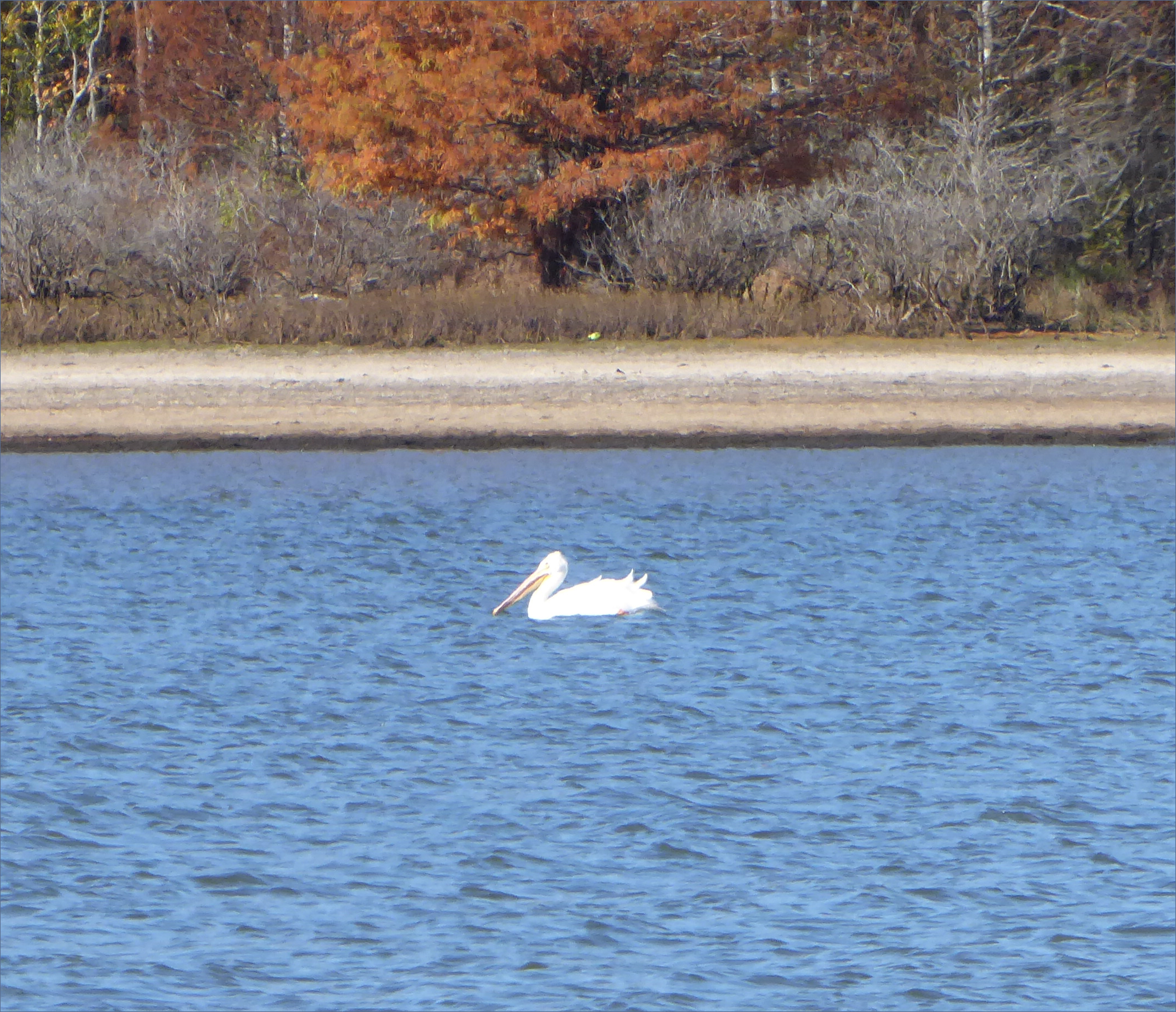
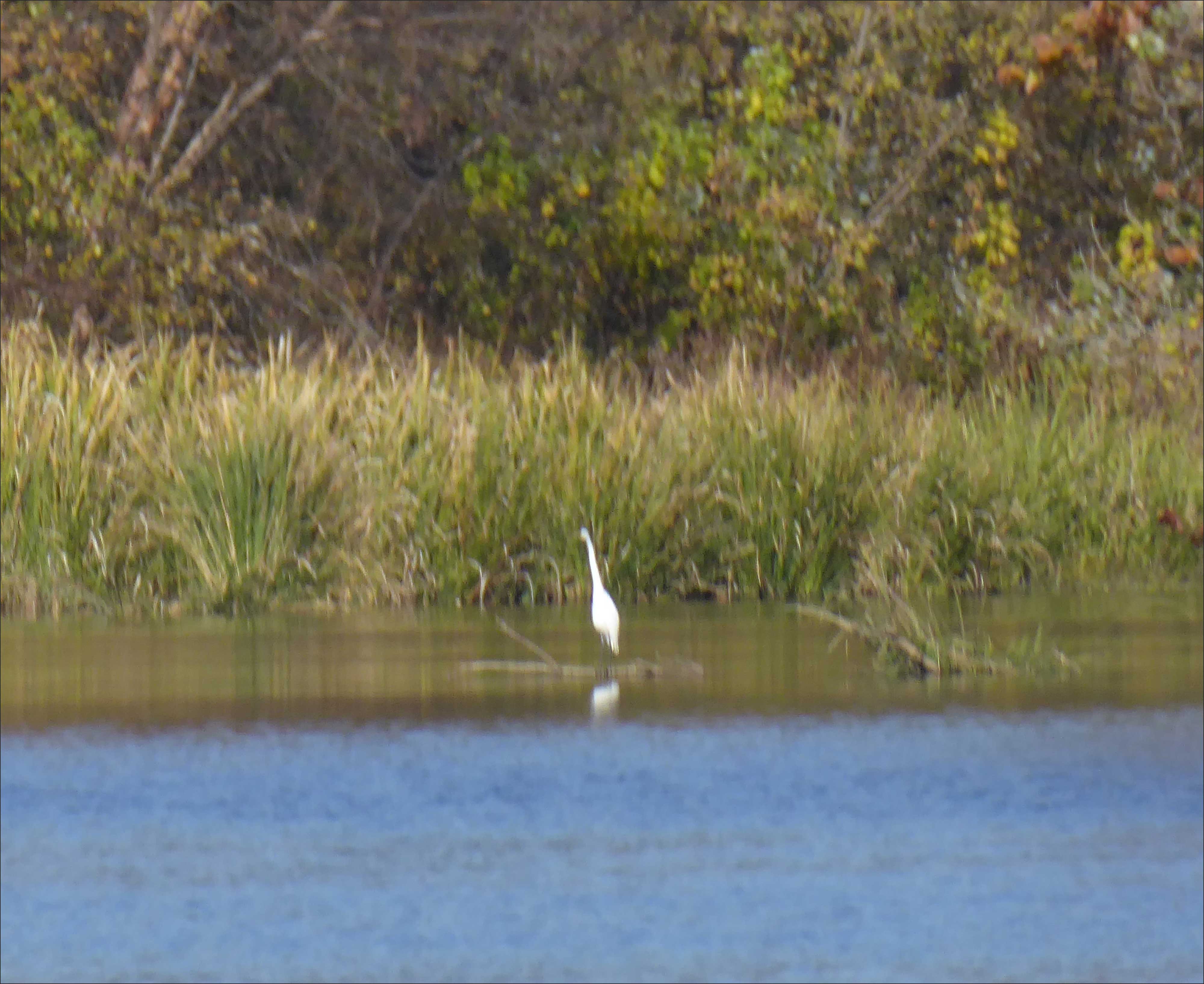
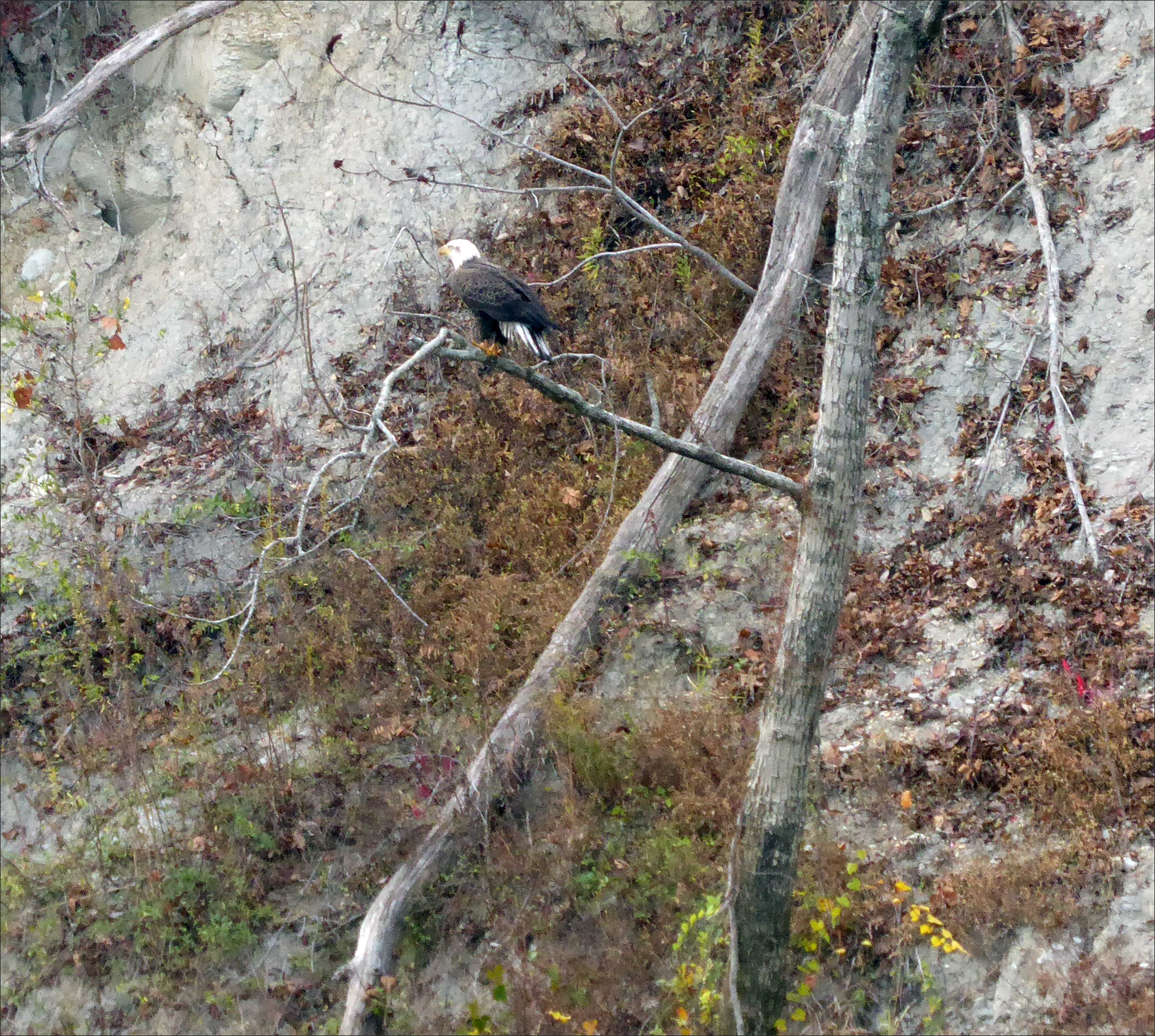
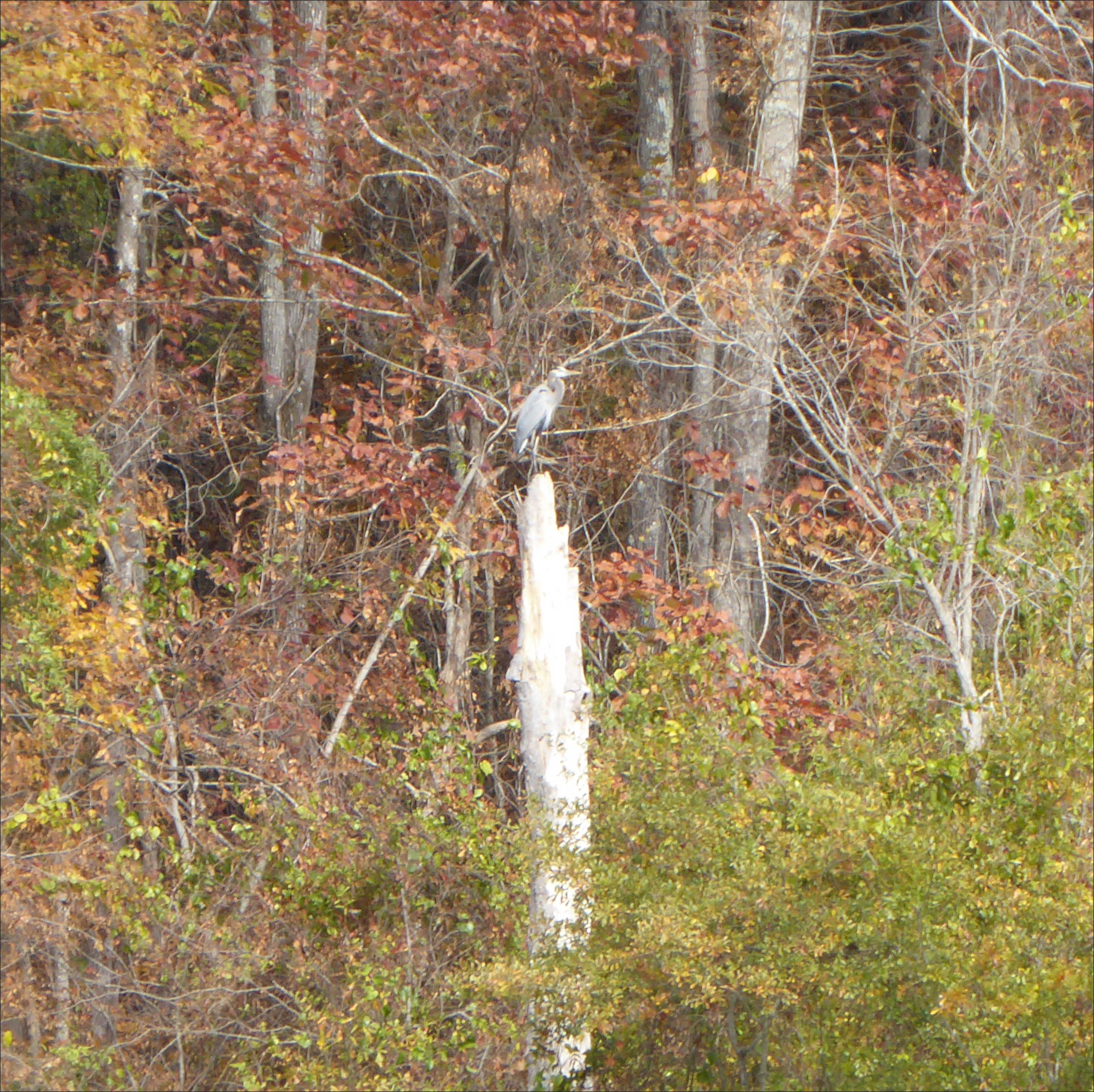
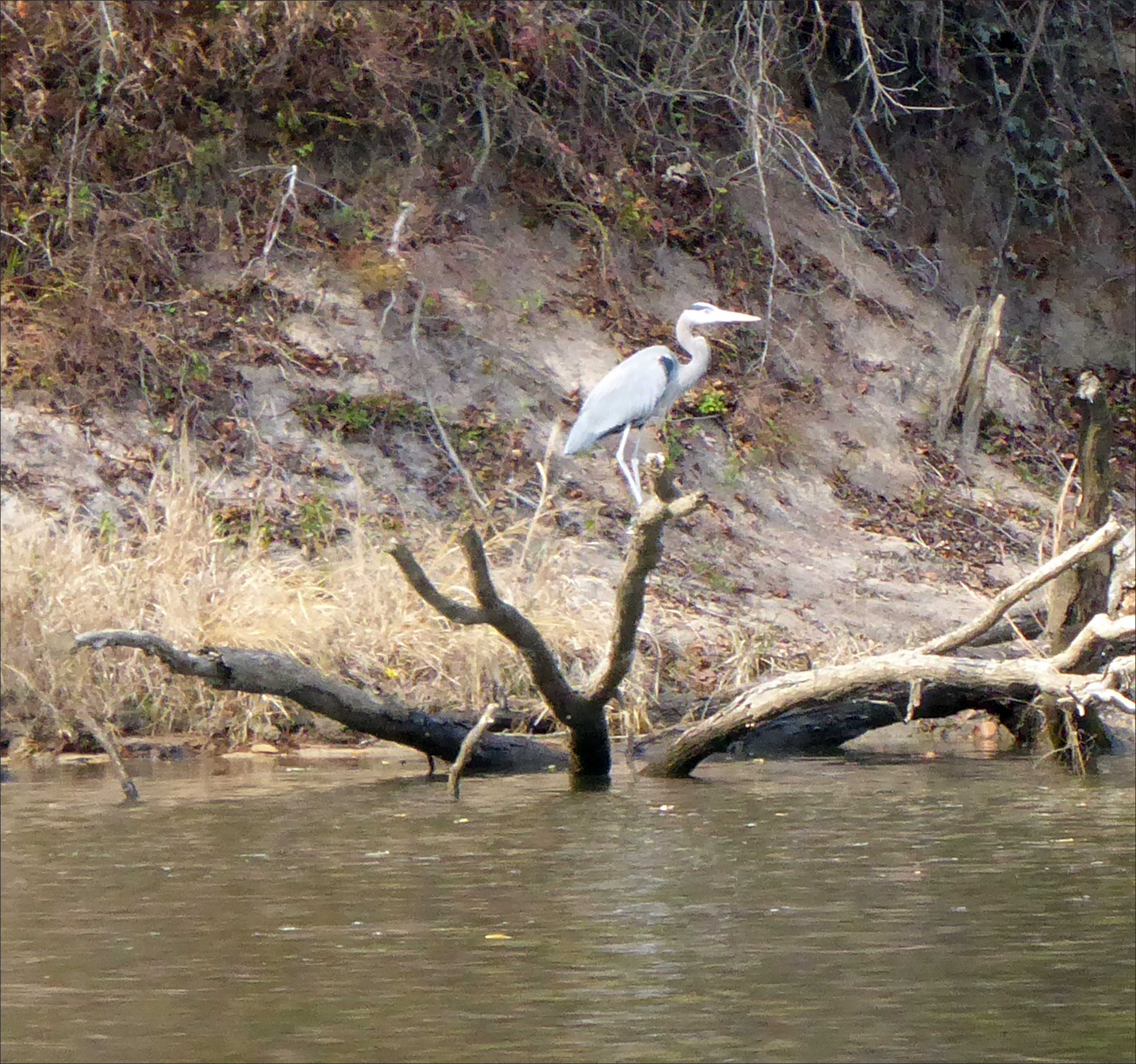
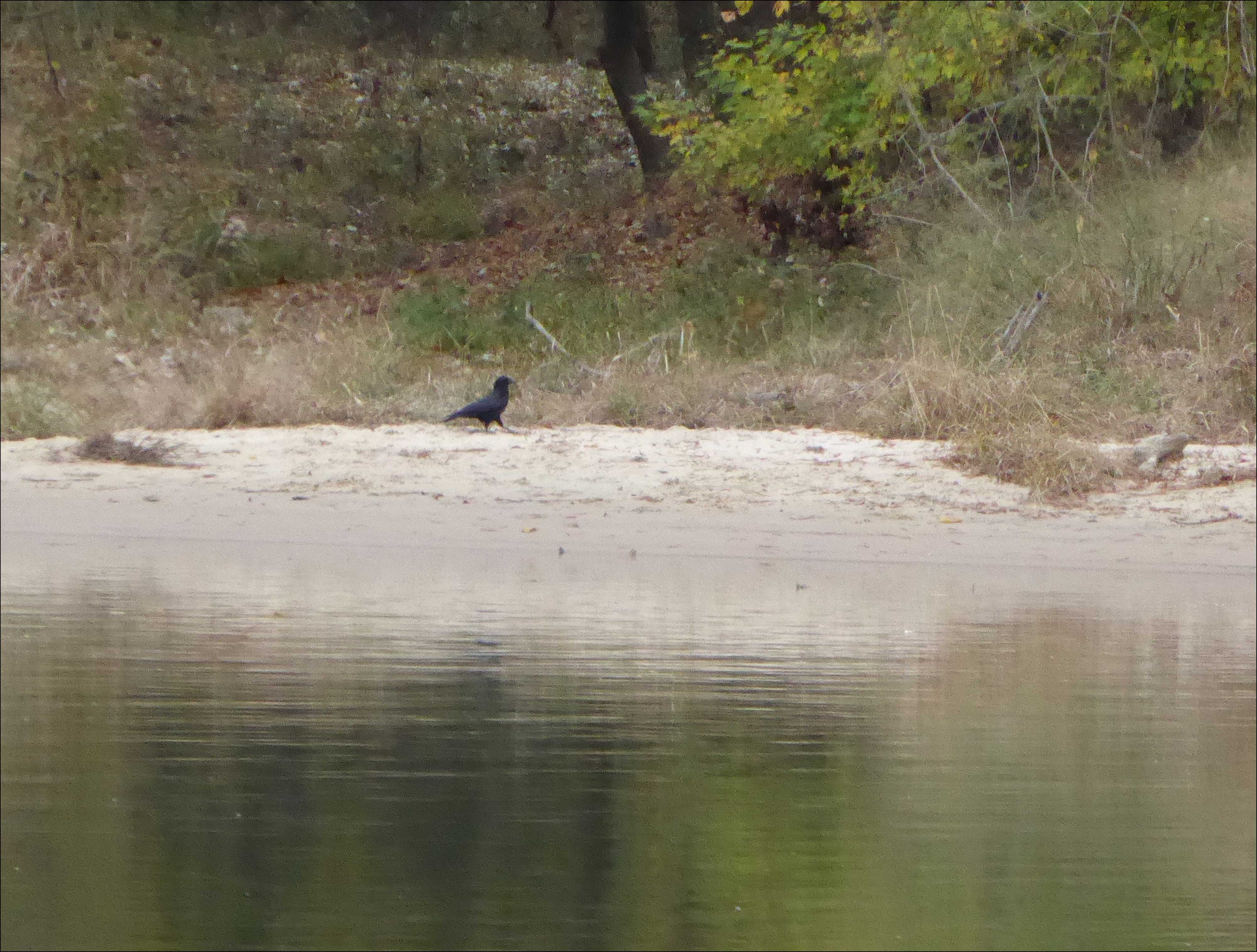
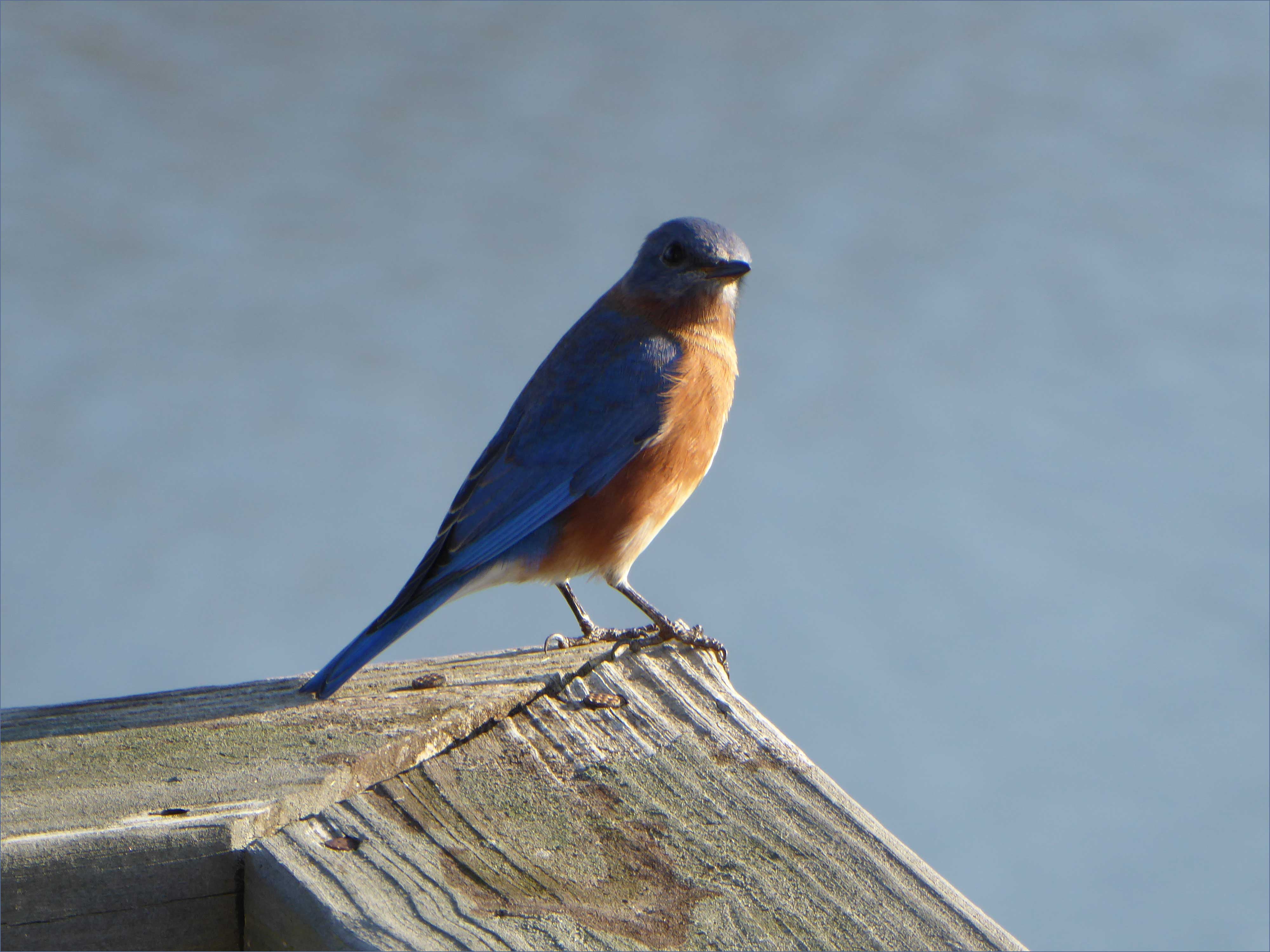
We saw several herons, an eagle catching a fish, and several other birds, however, I managed to get only one bird picture for the day.
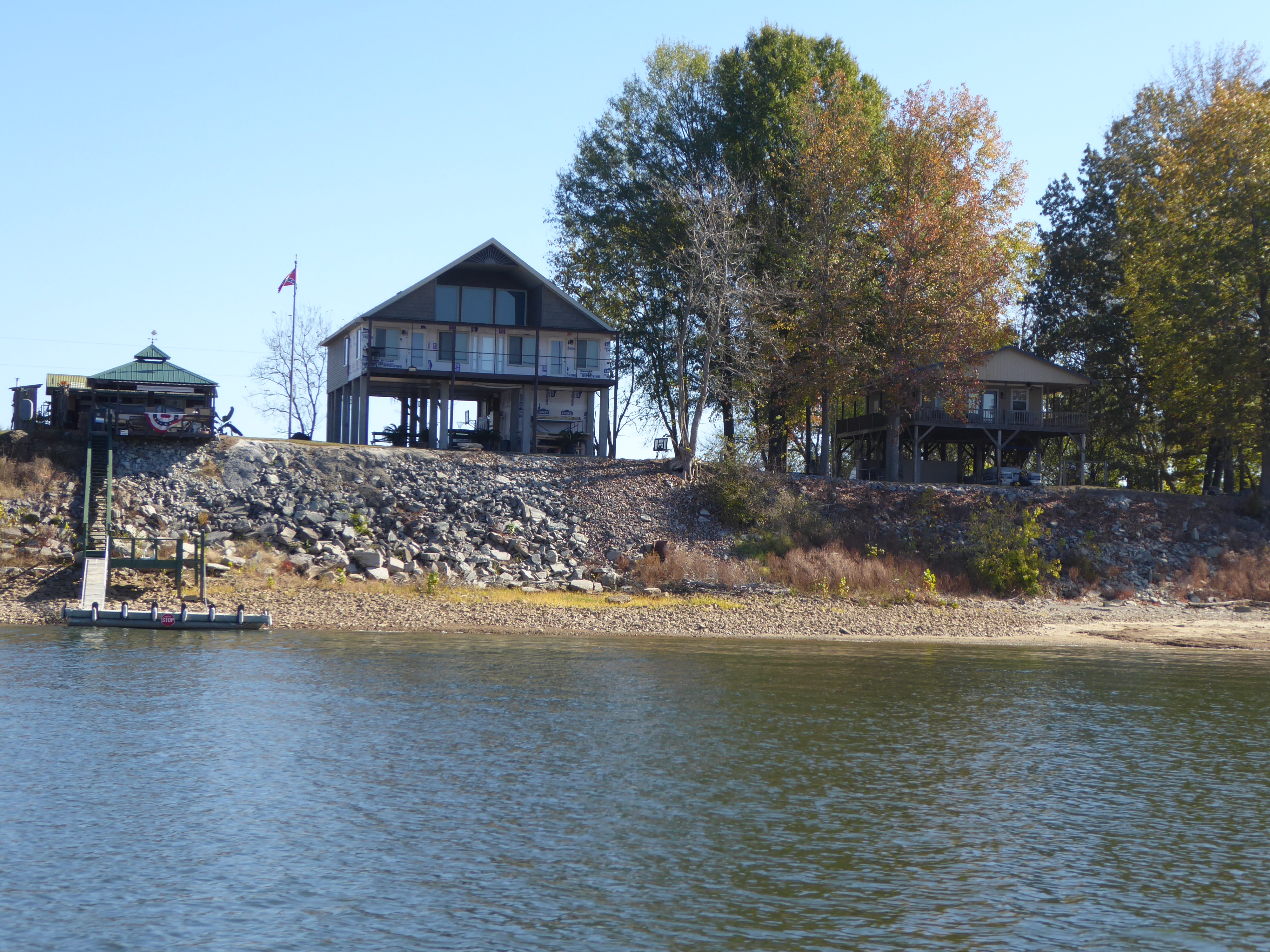
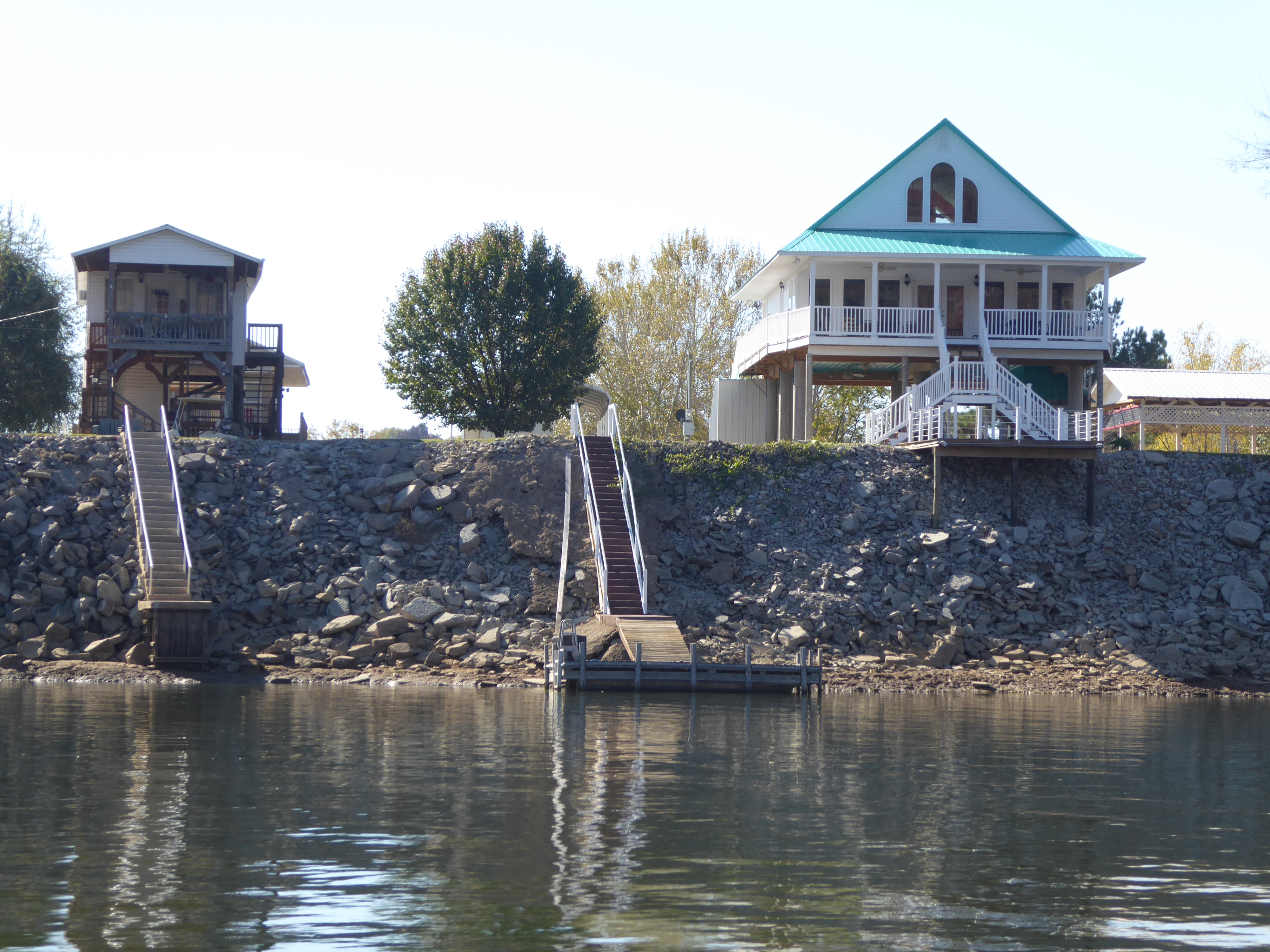
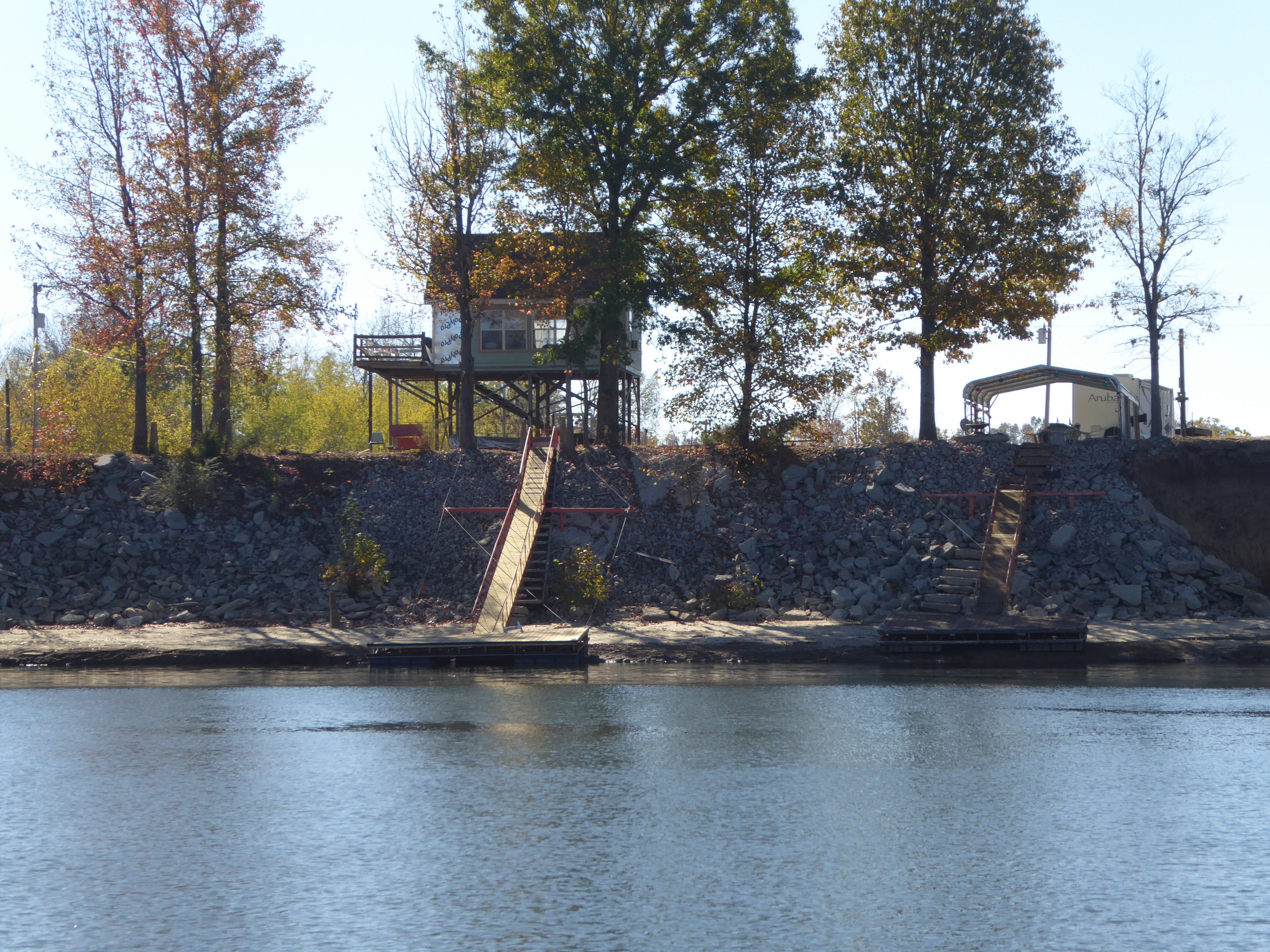
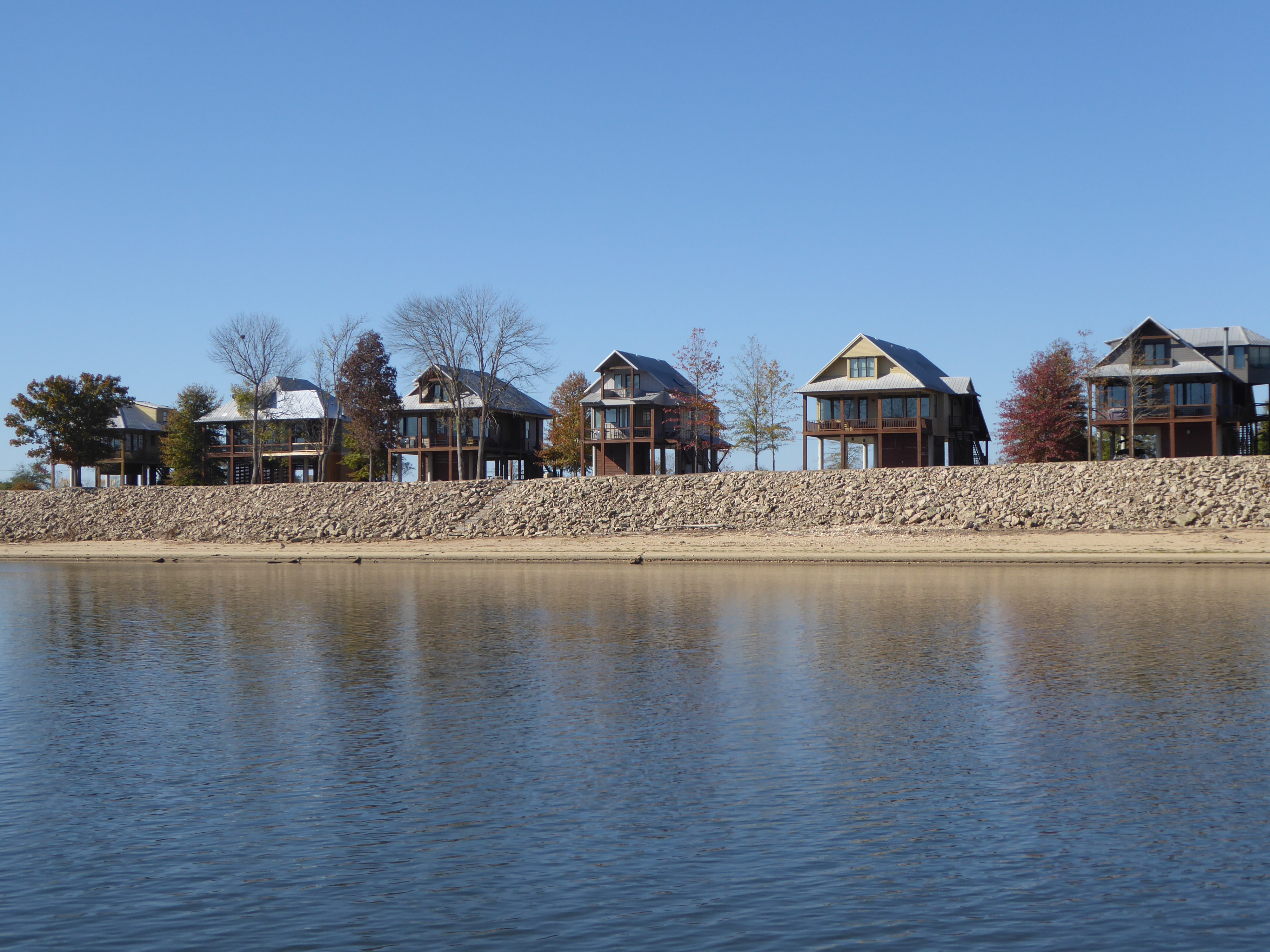
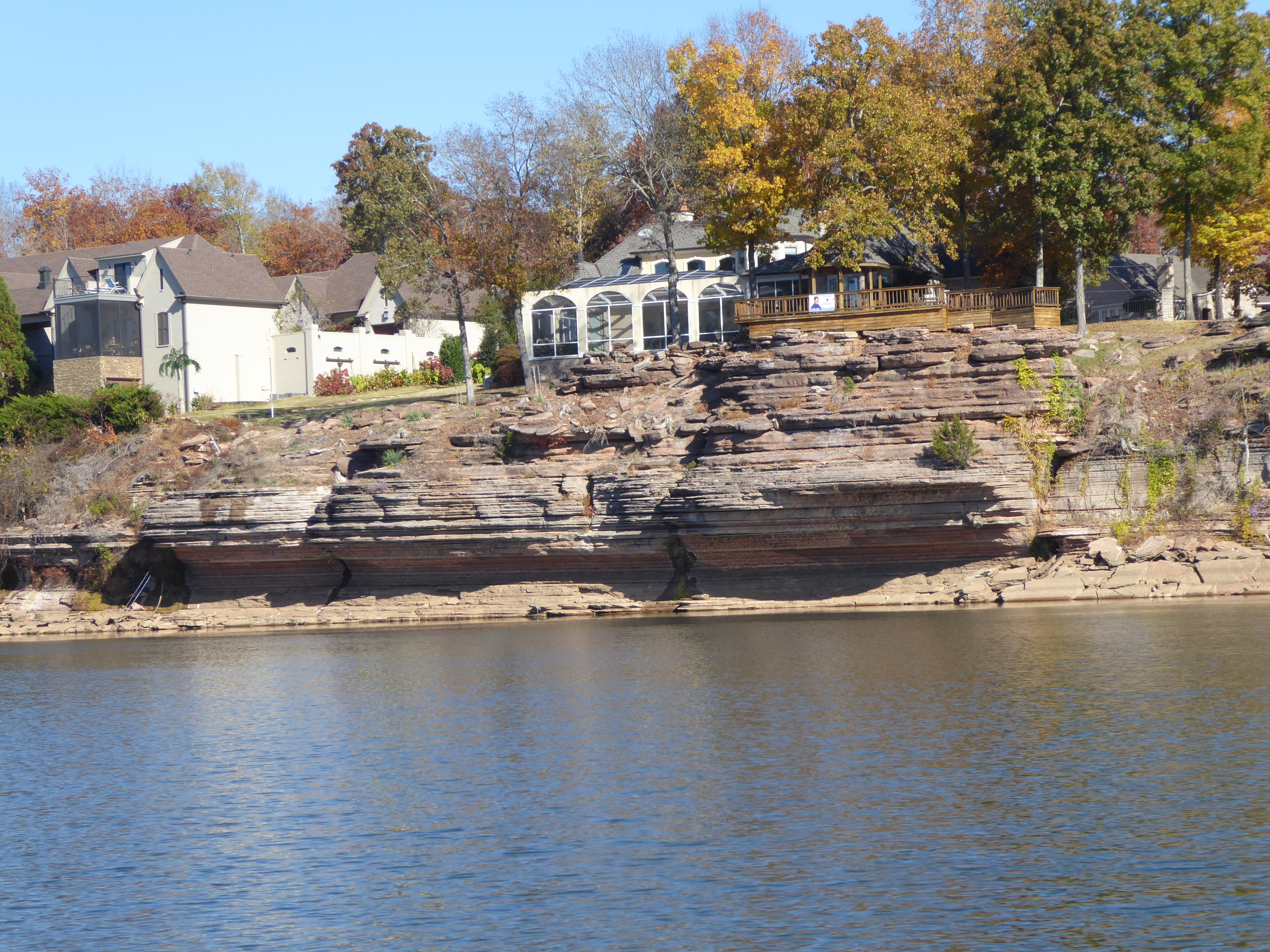
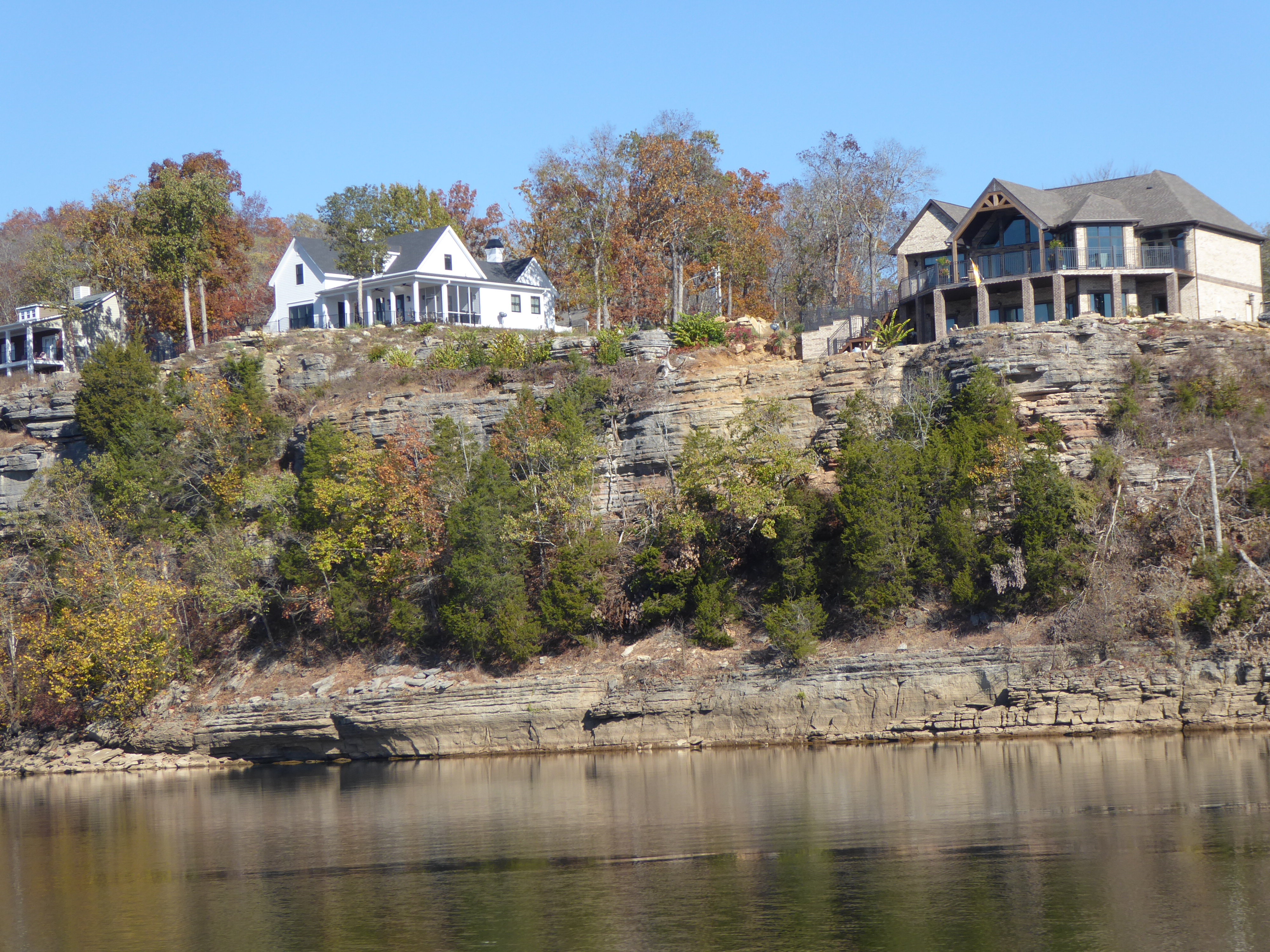
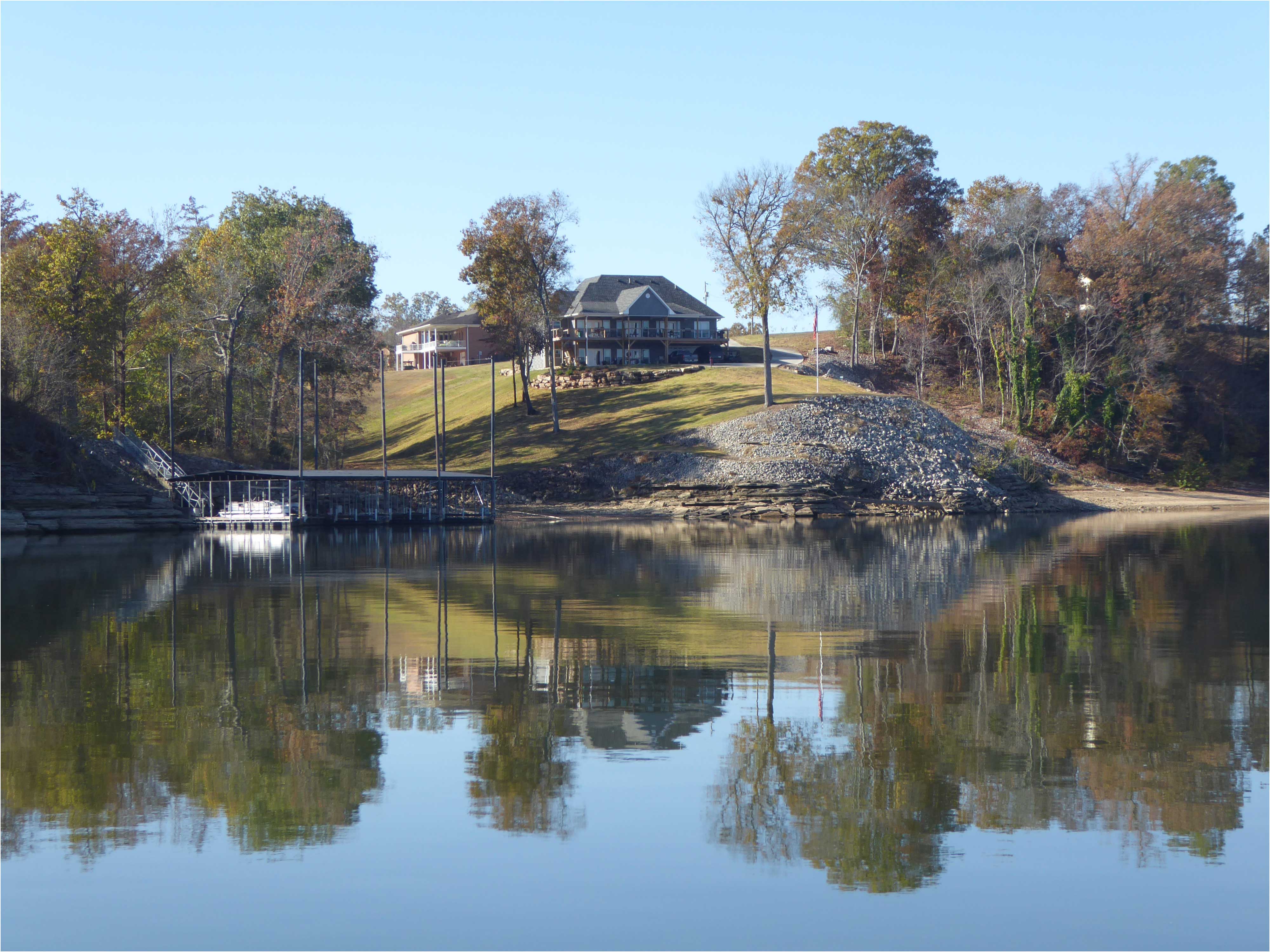
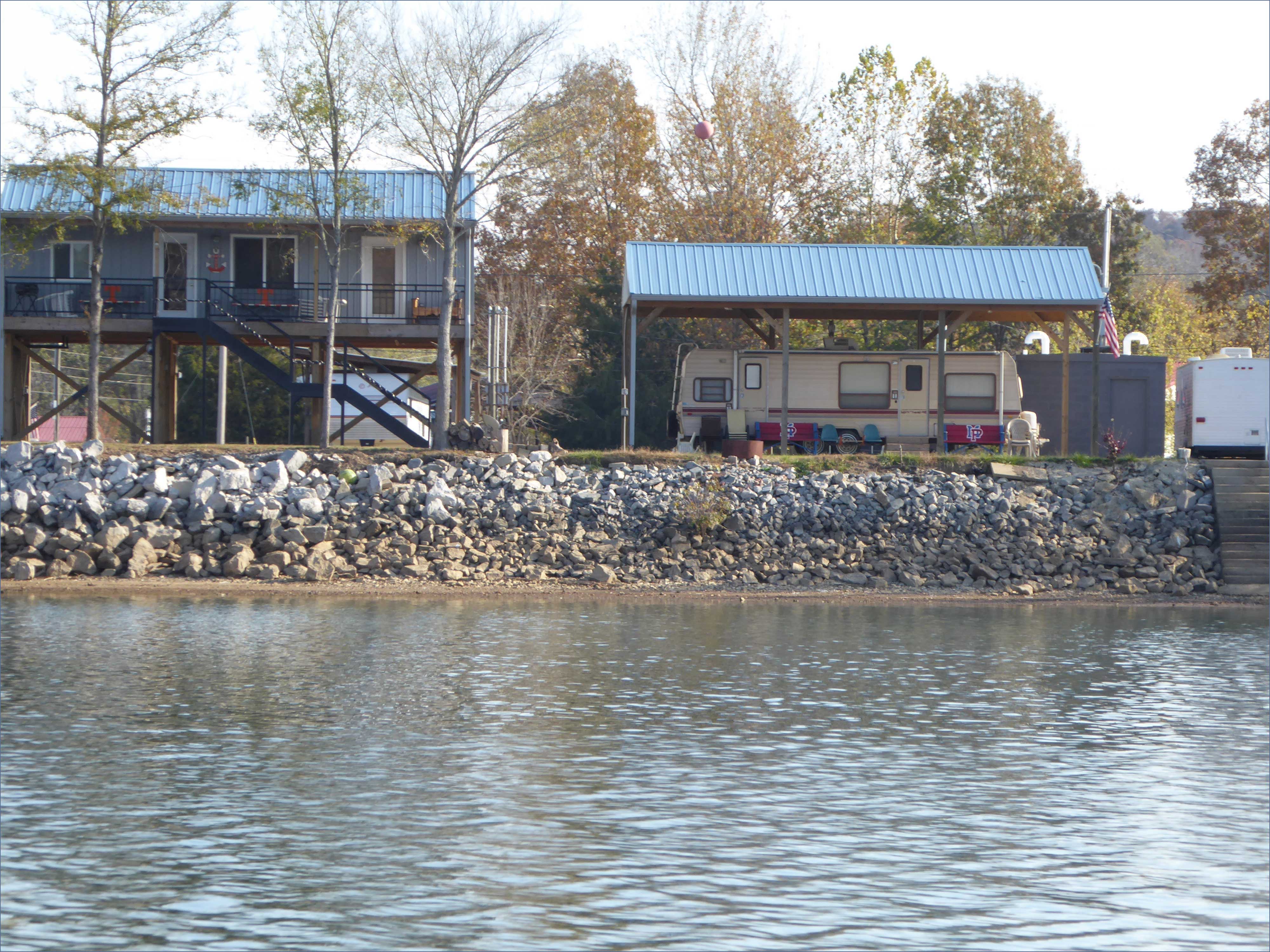
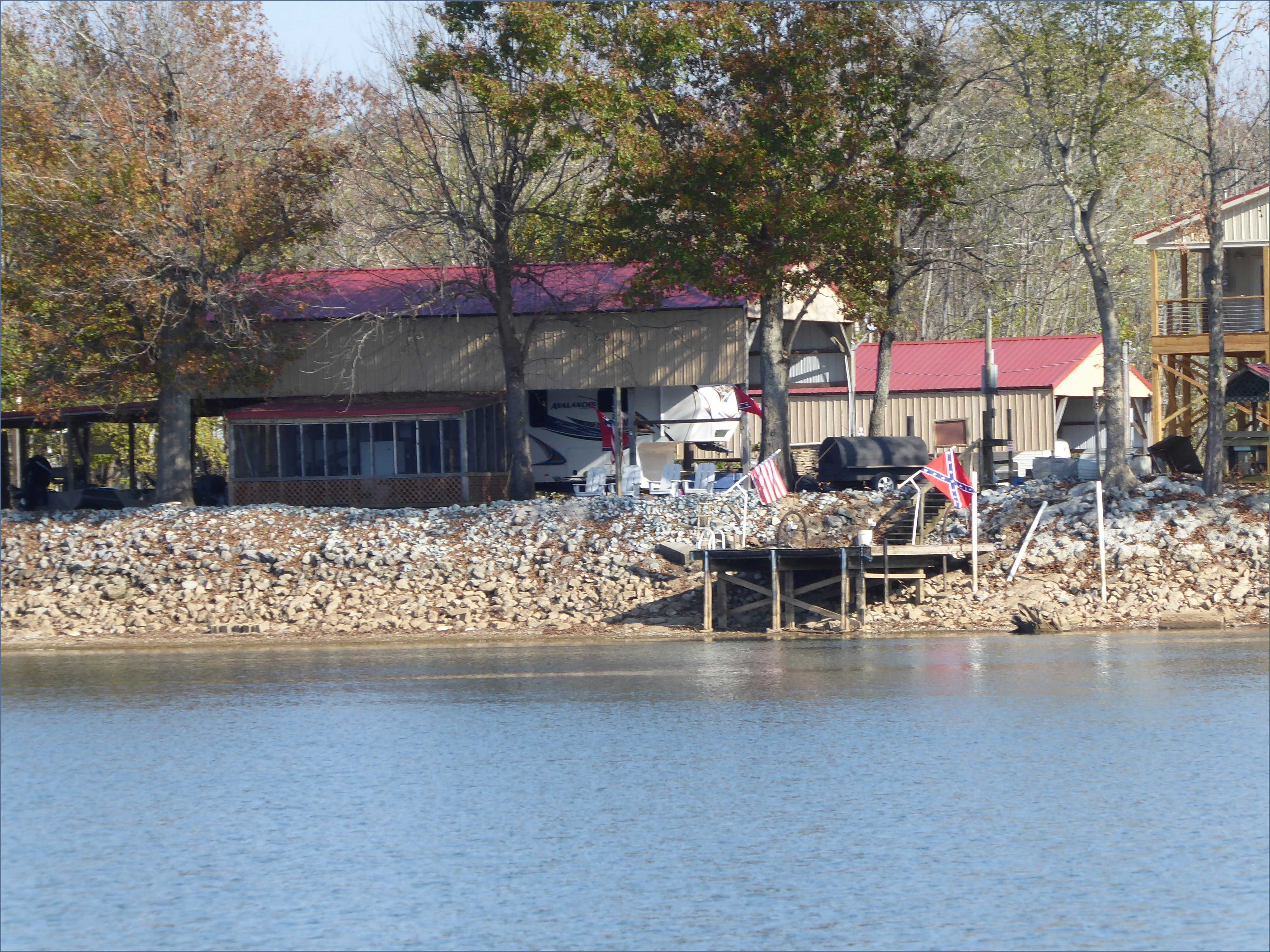
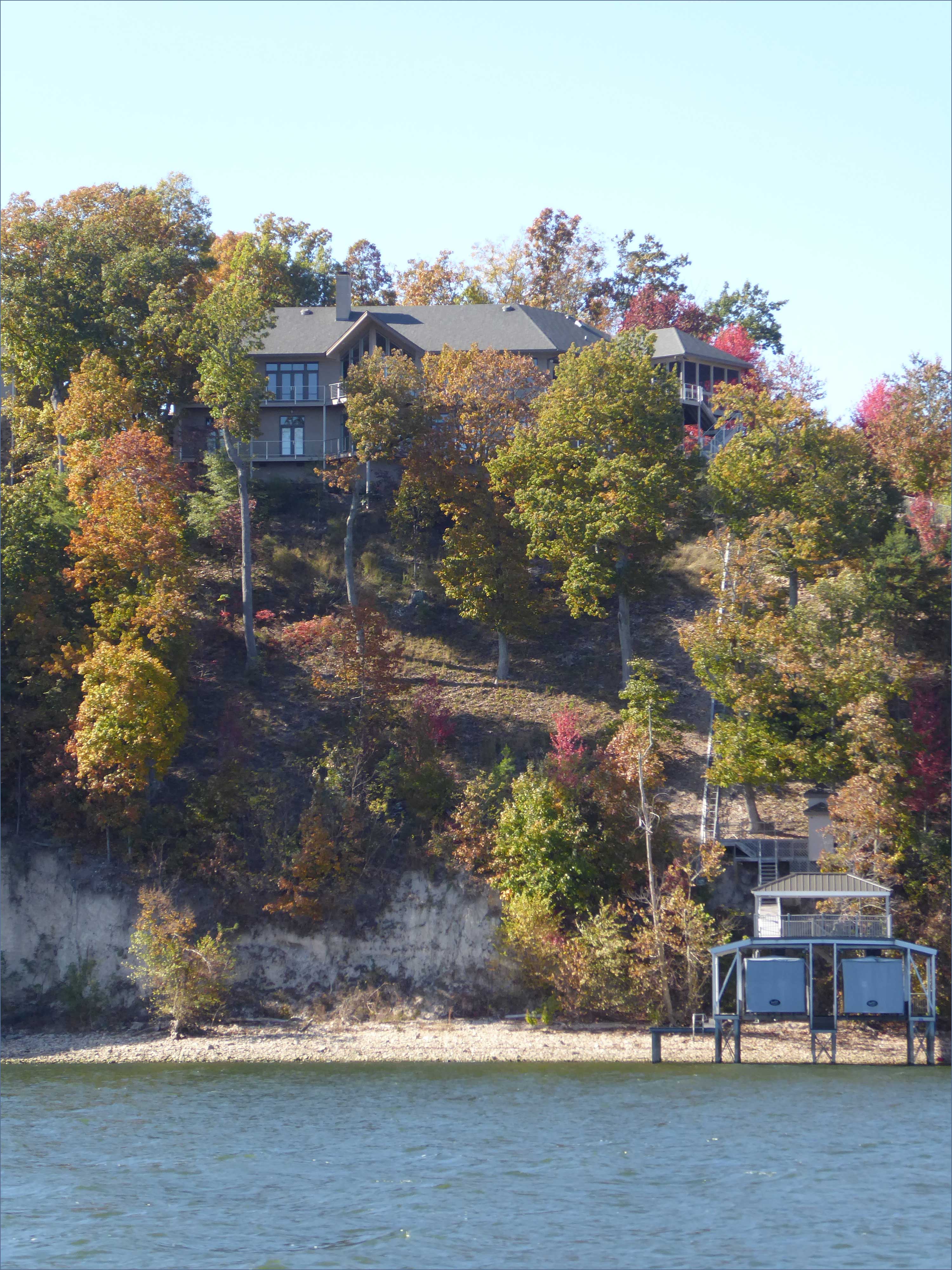
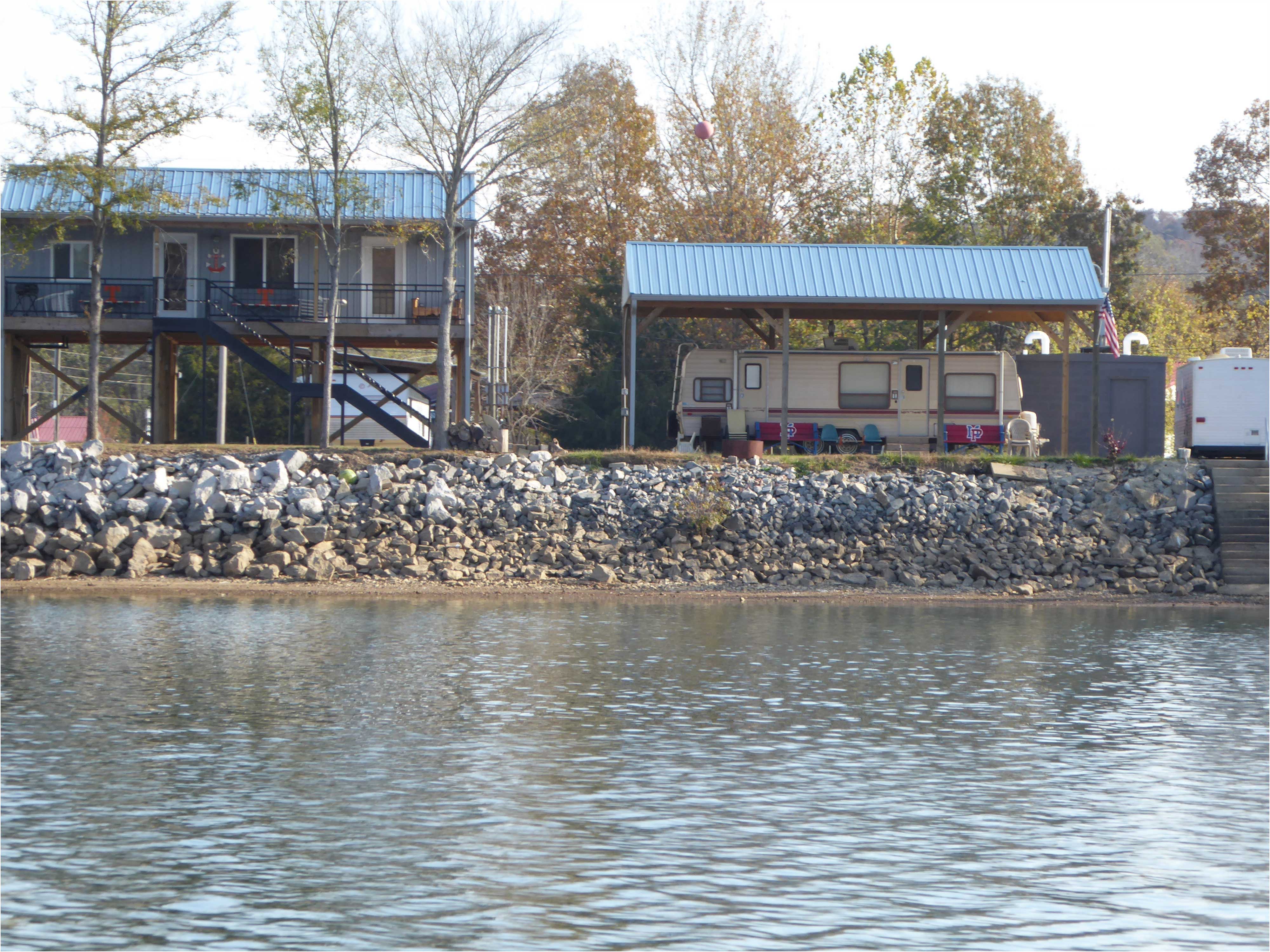
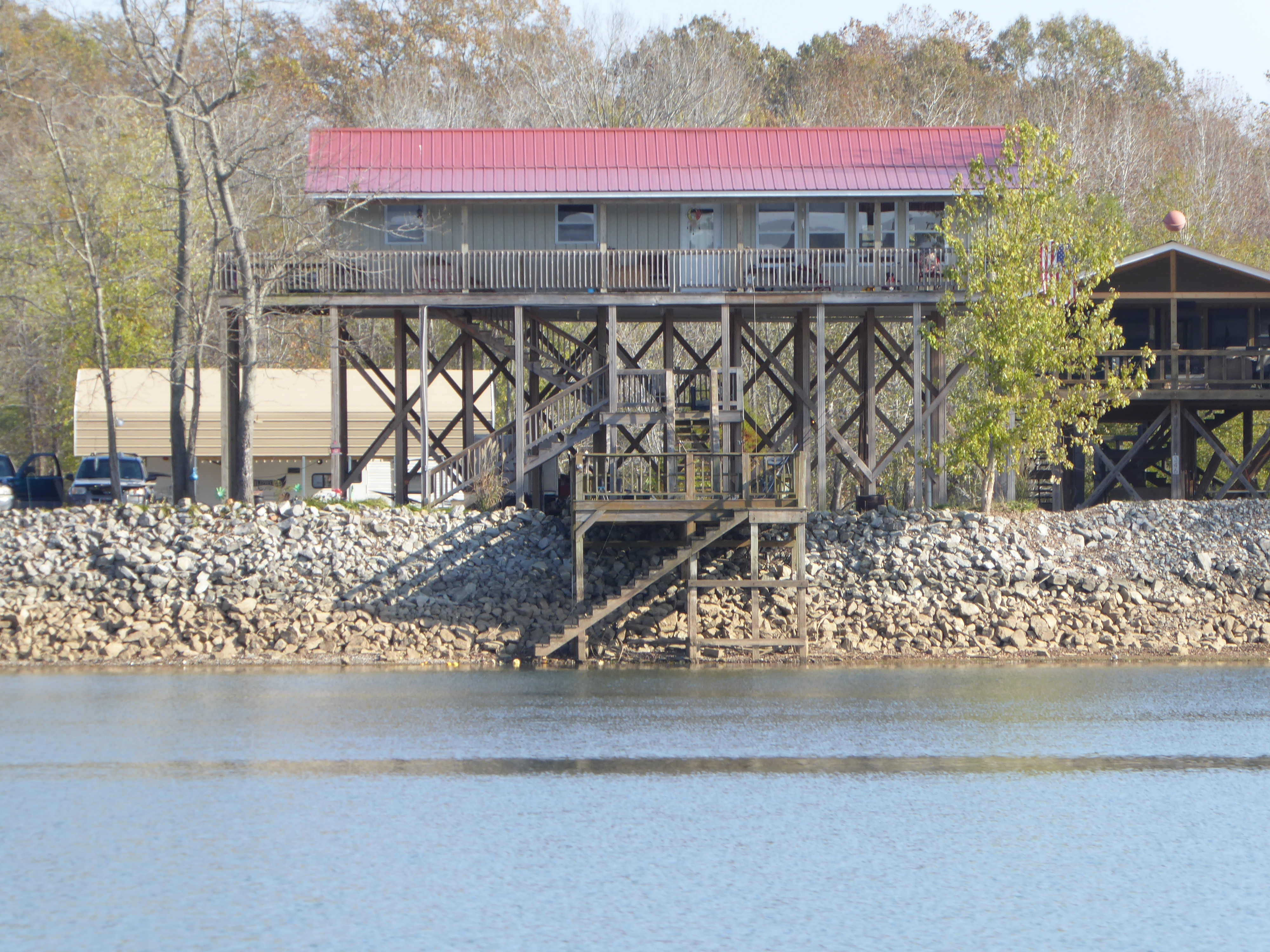
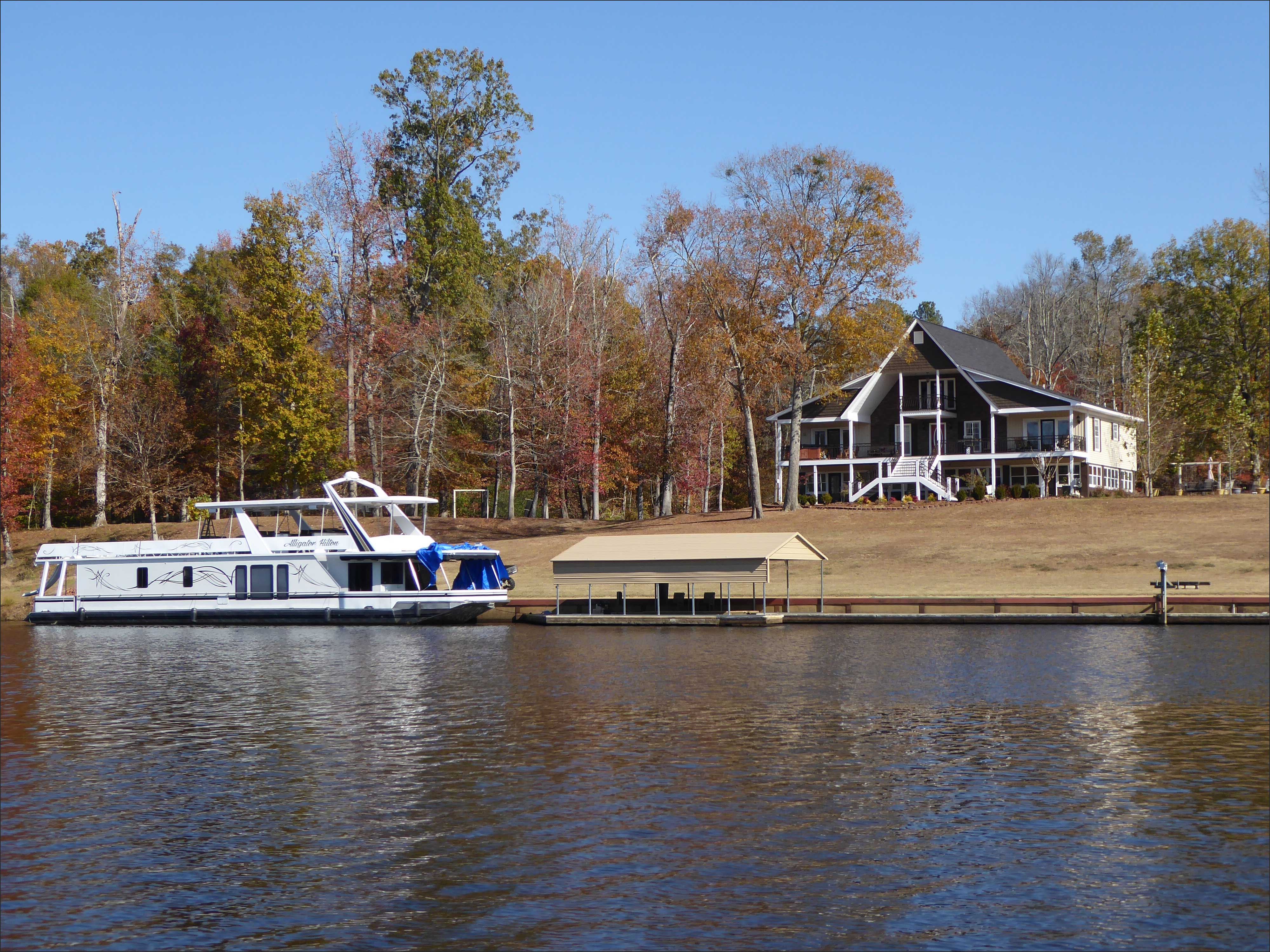
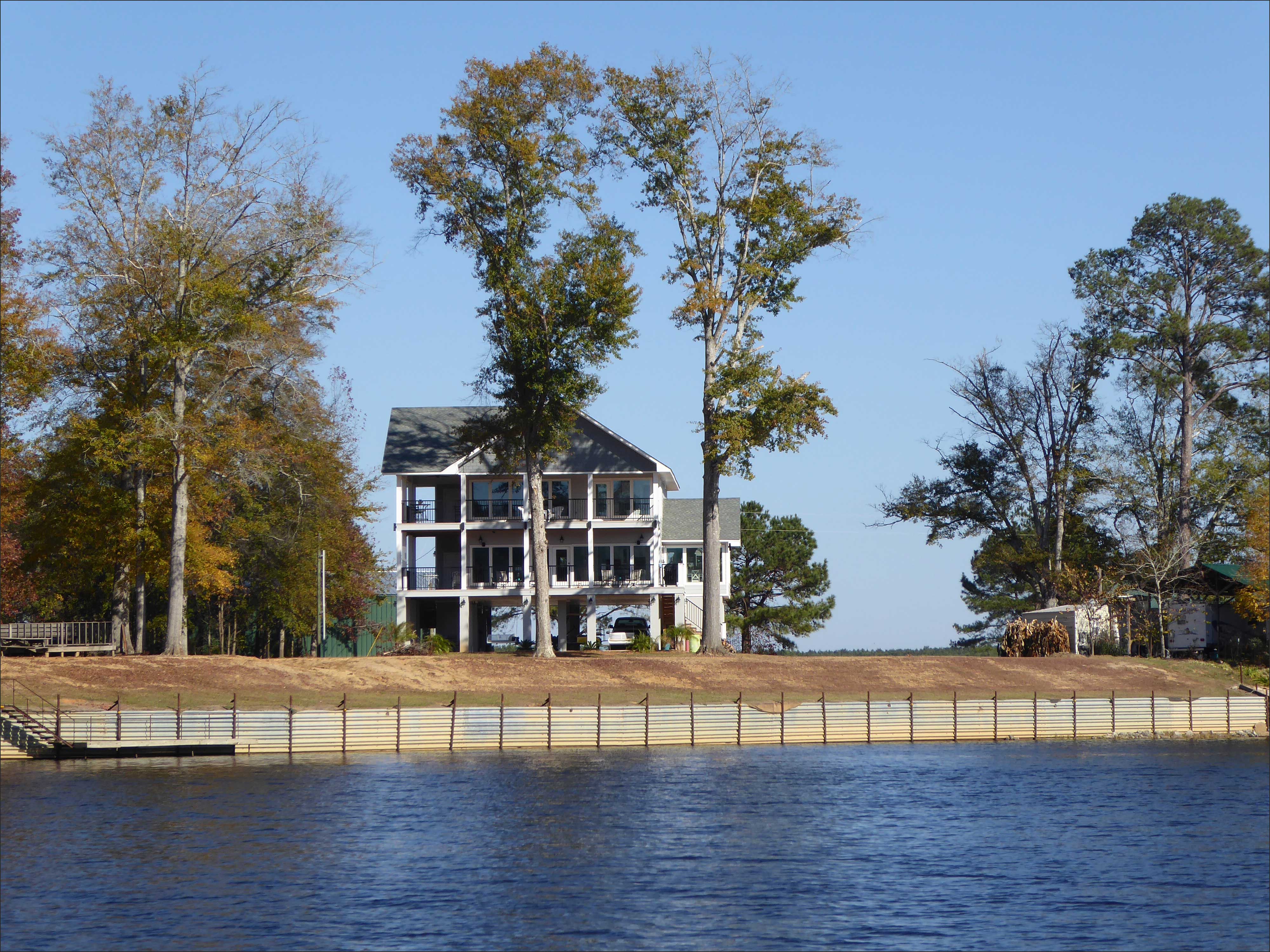
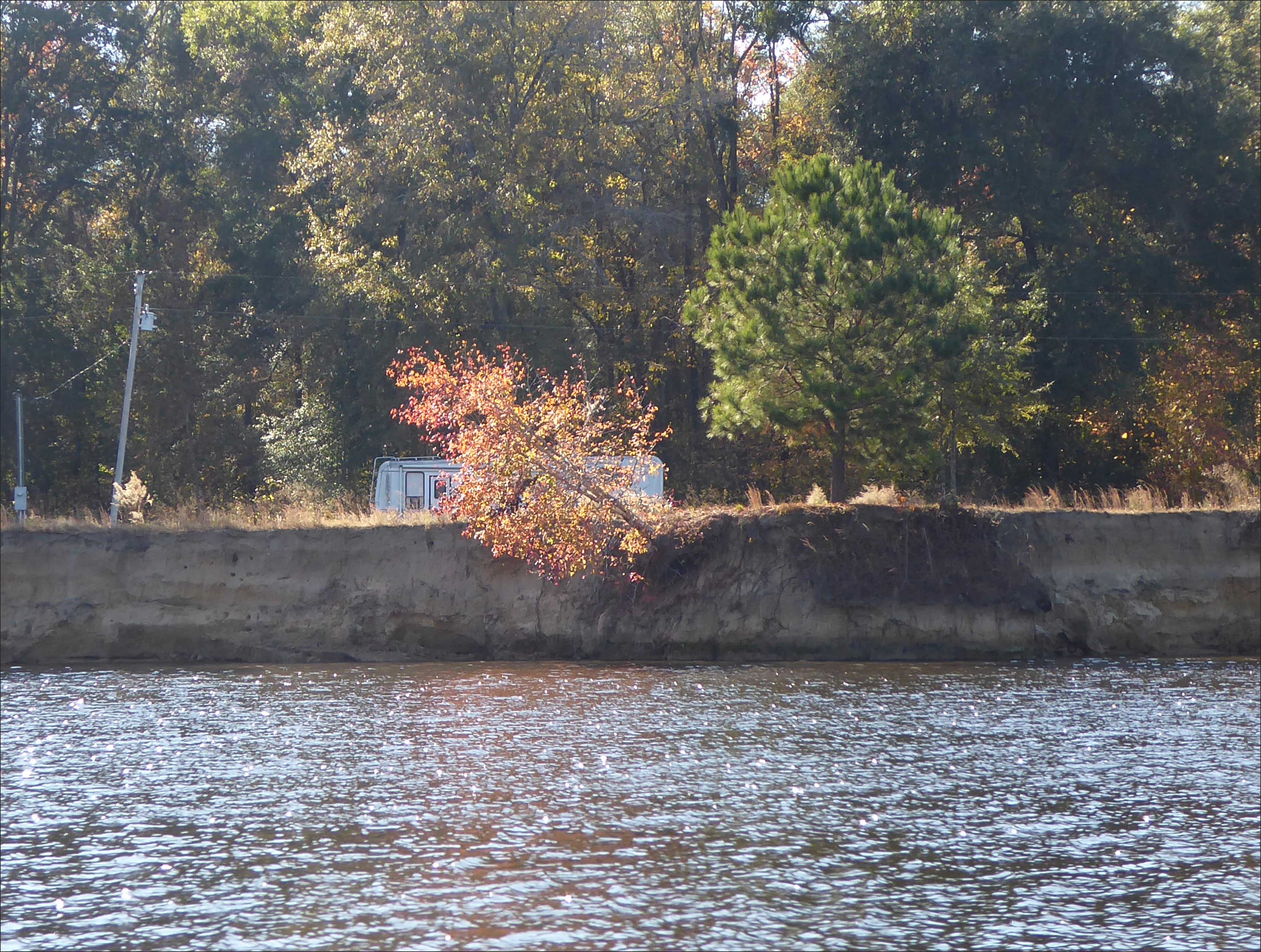
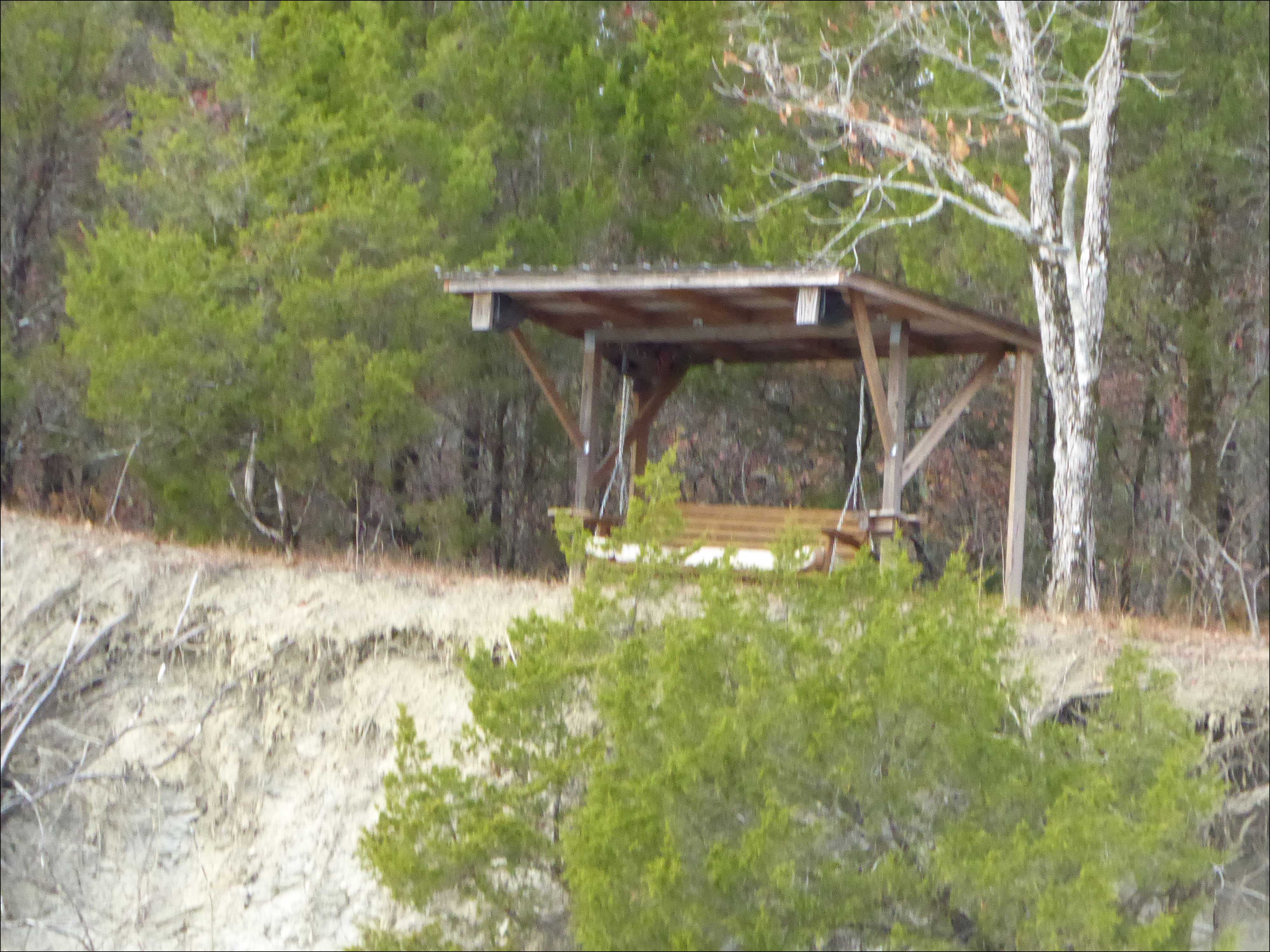
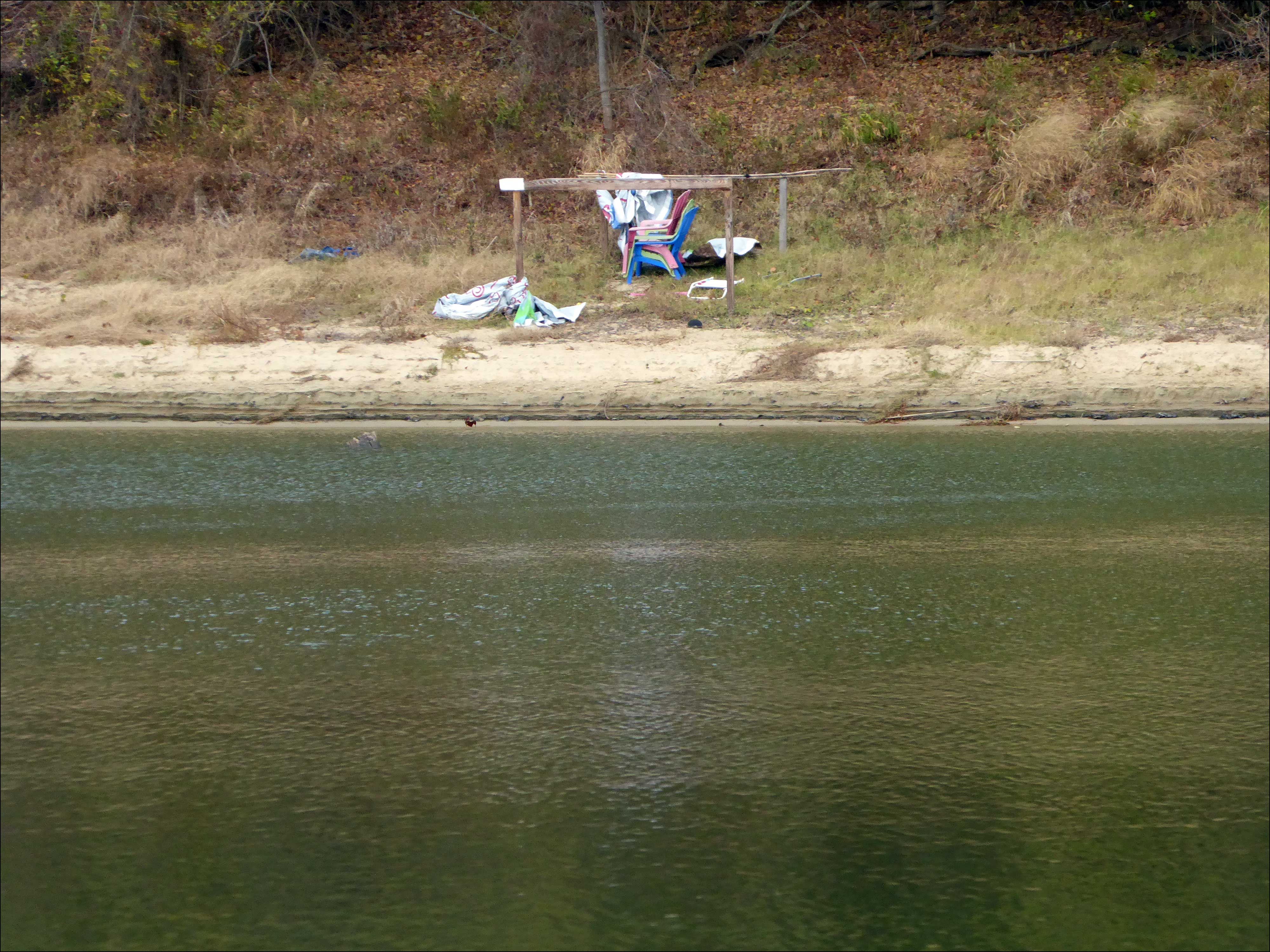
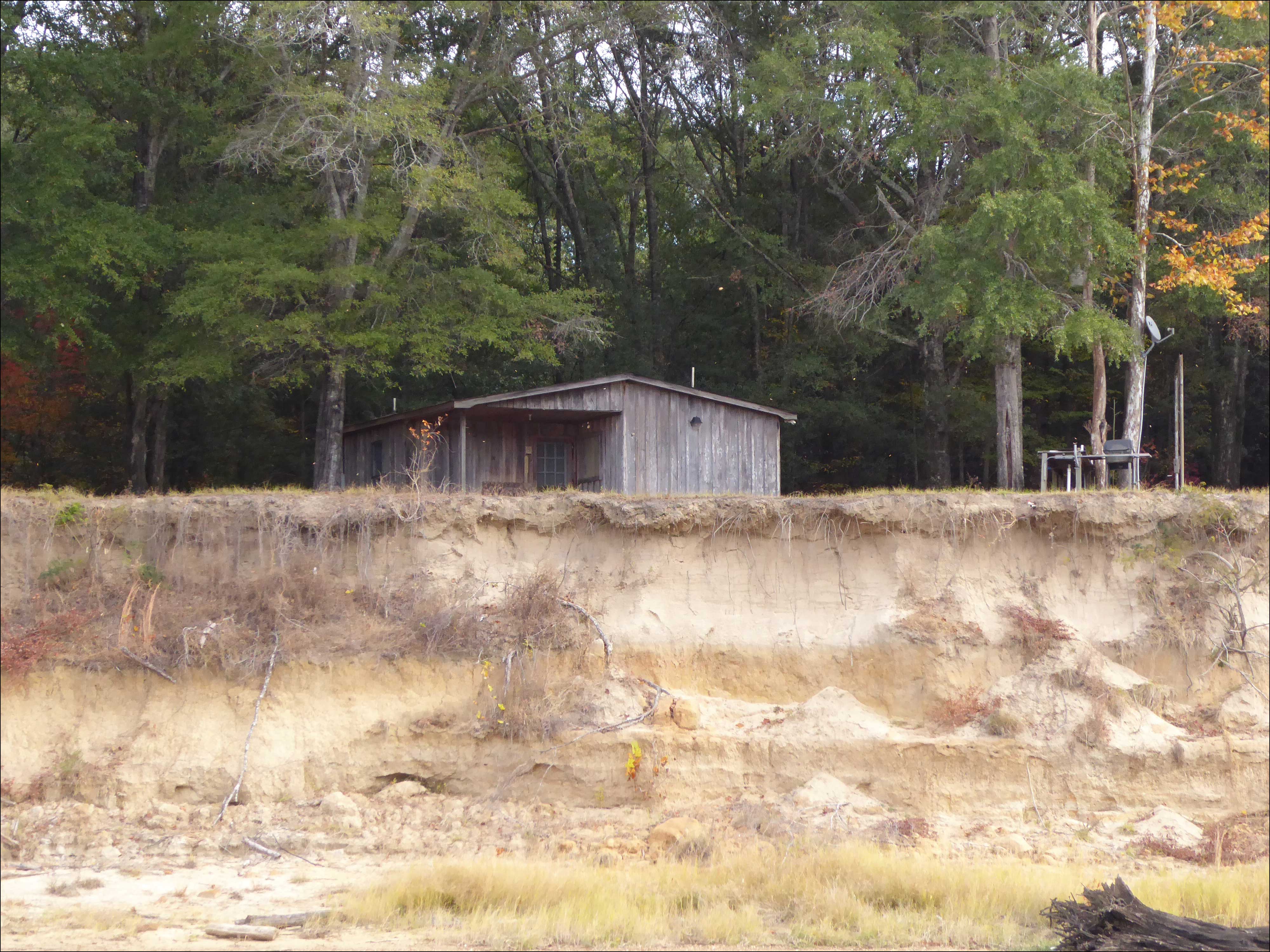
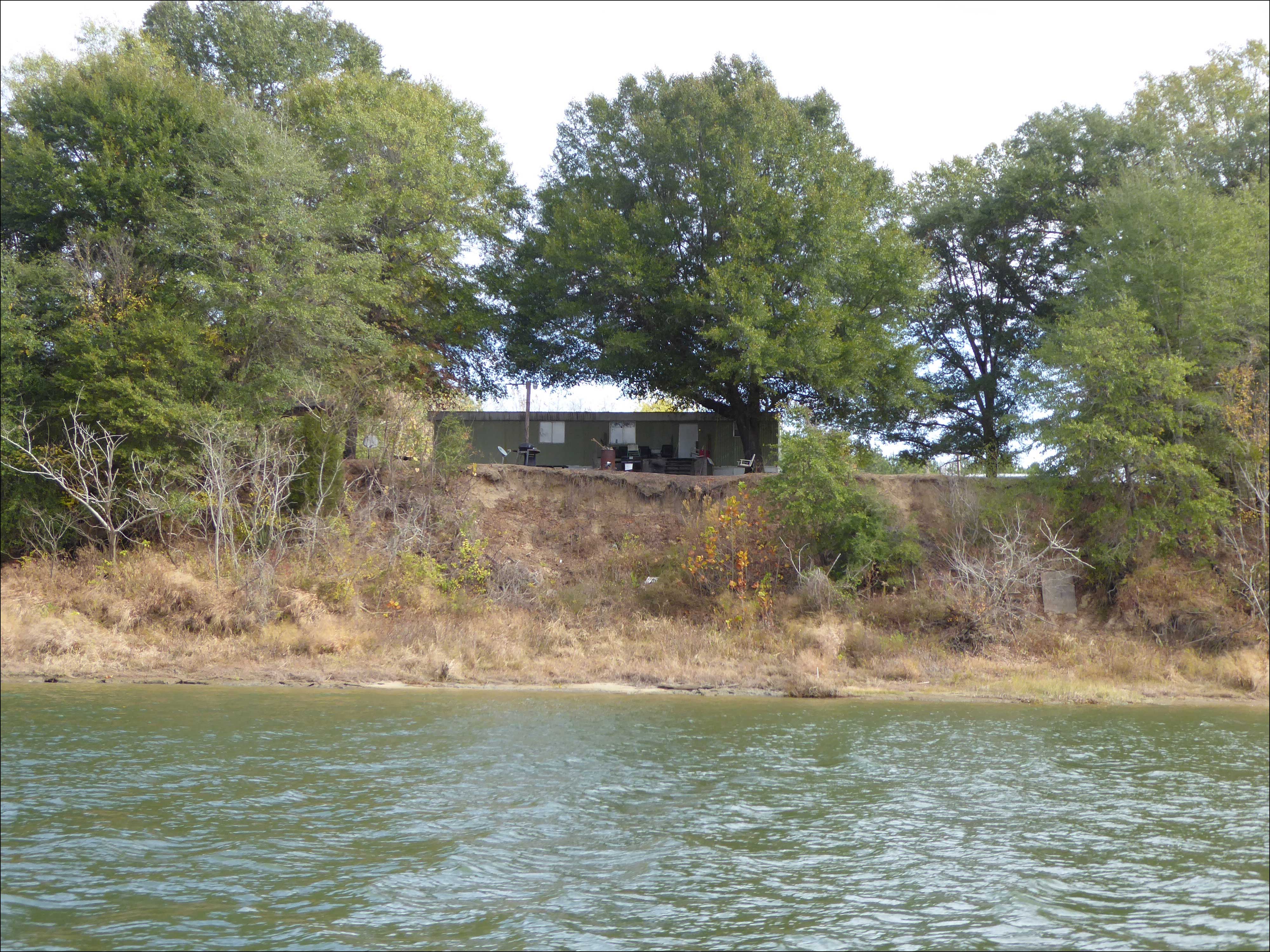
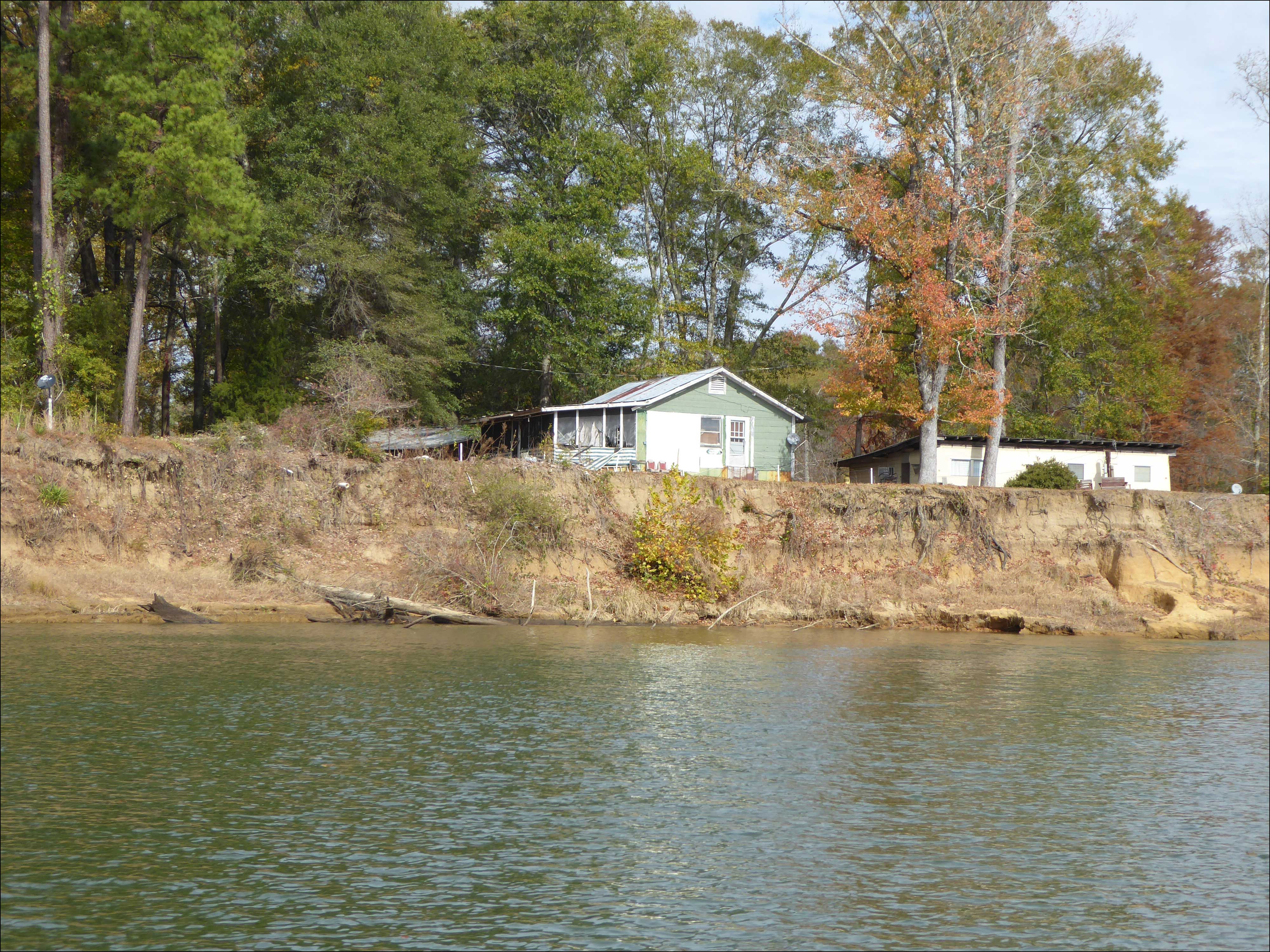
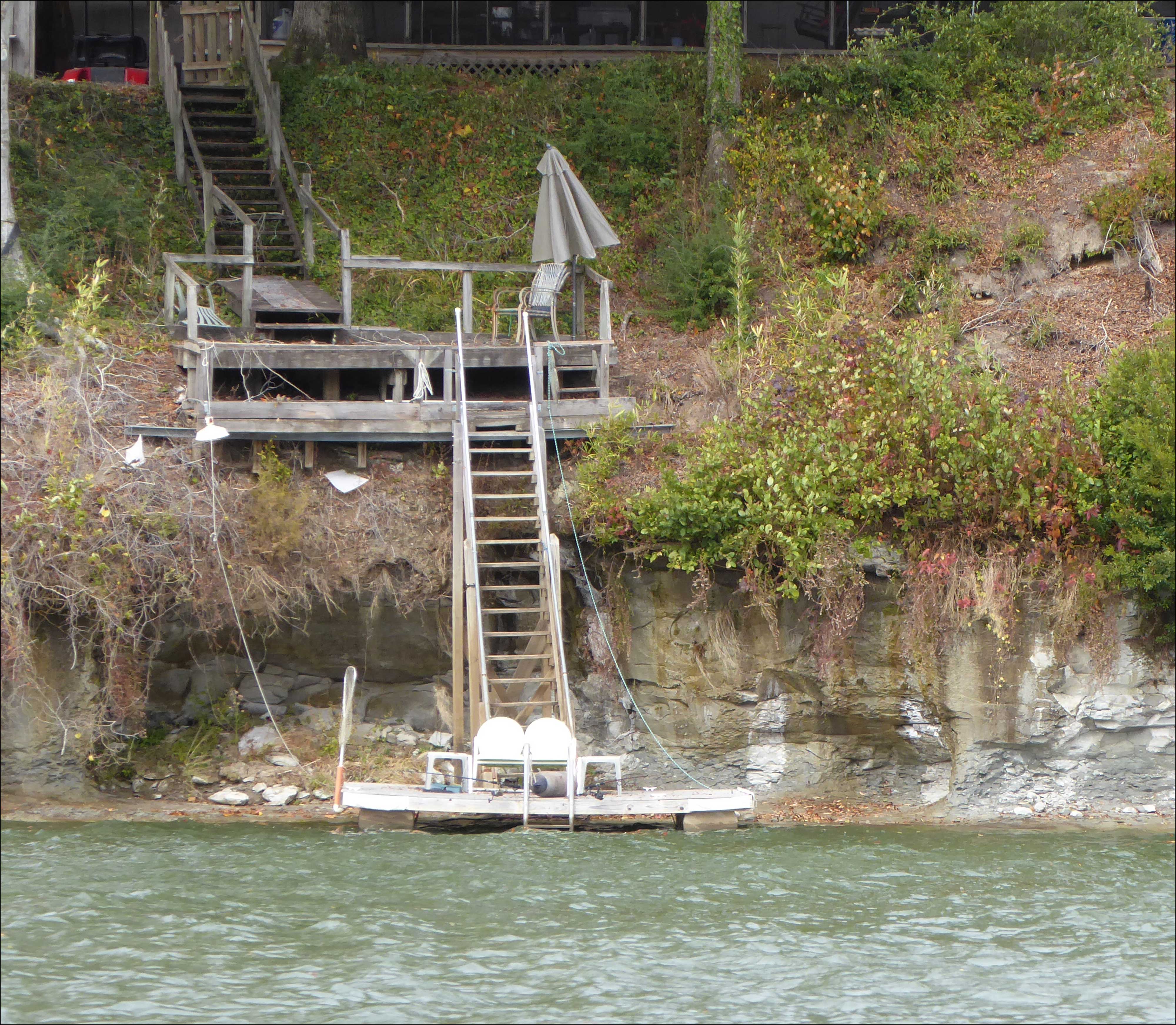
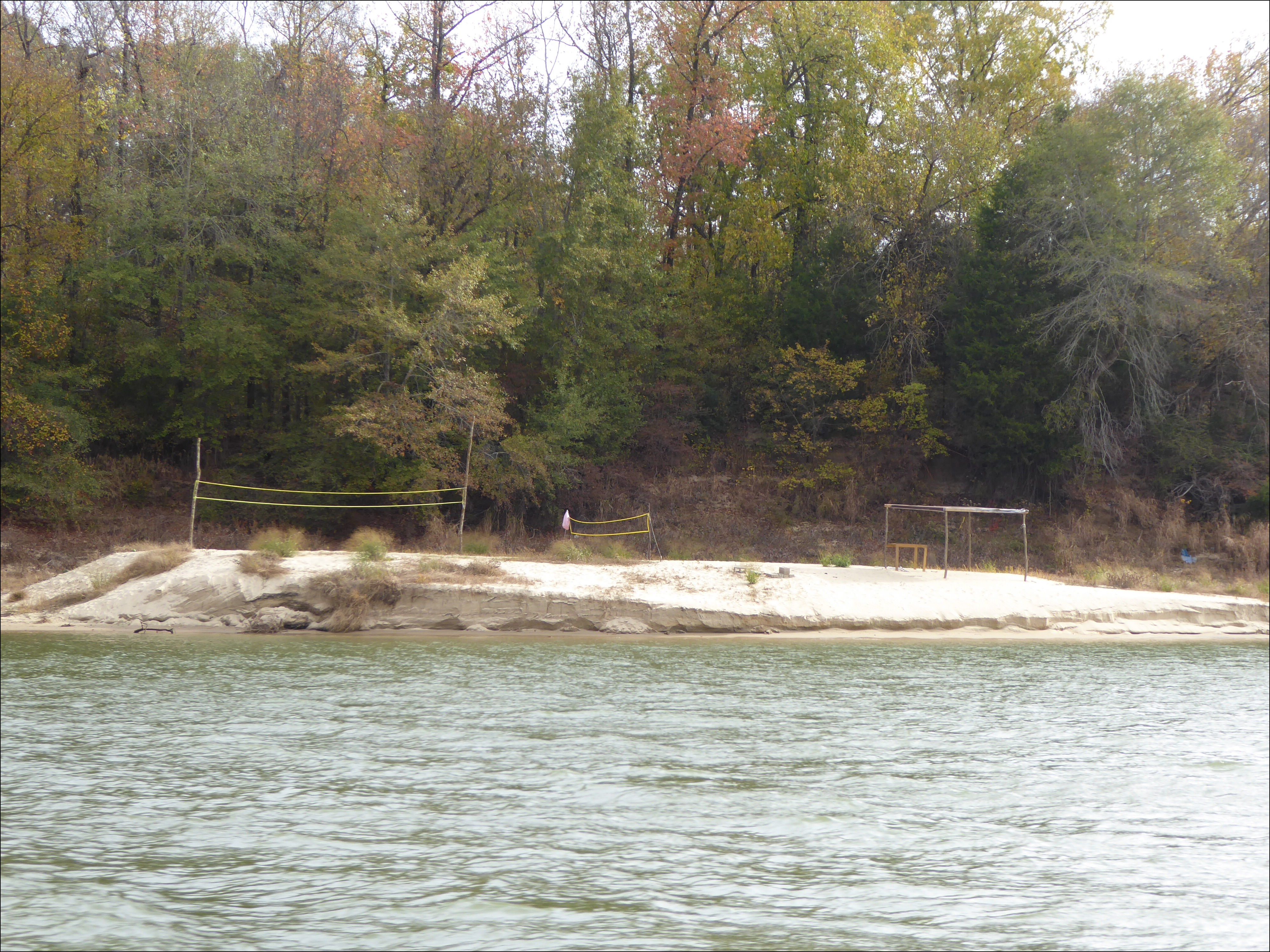
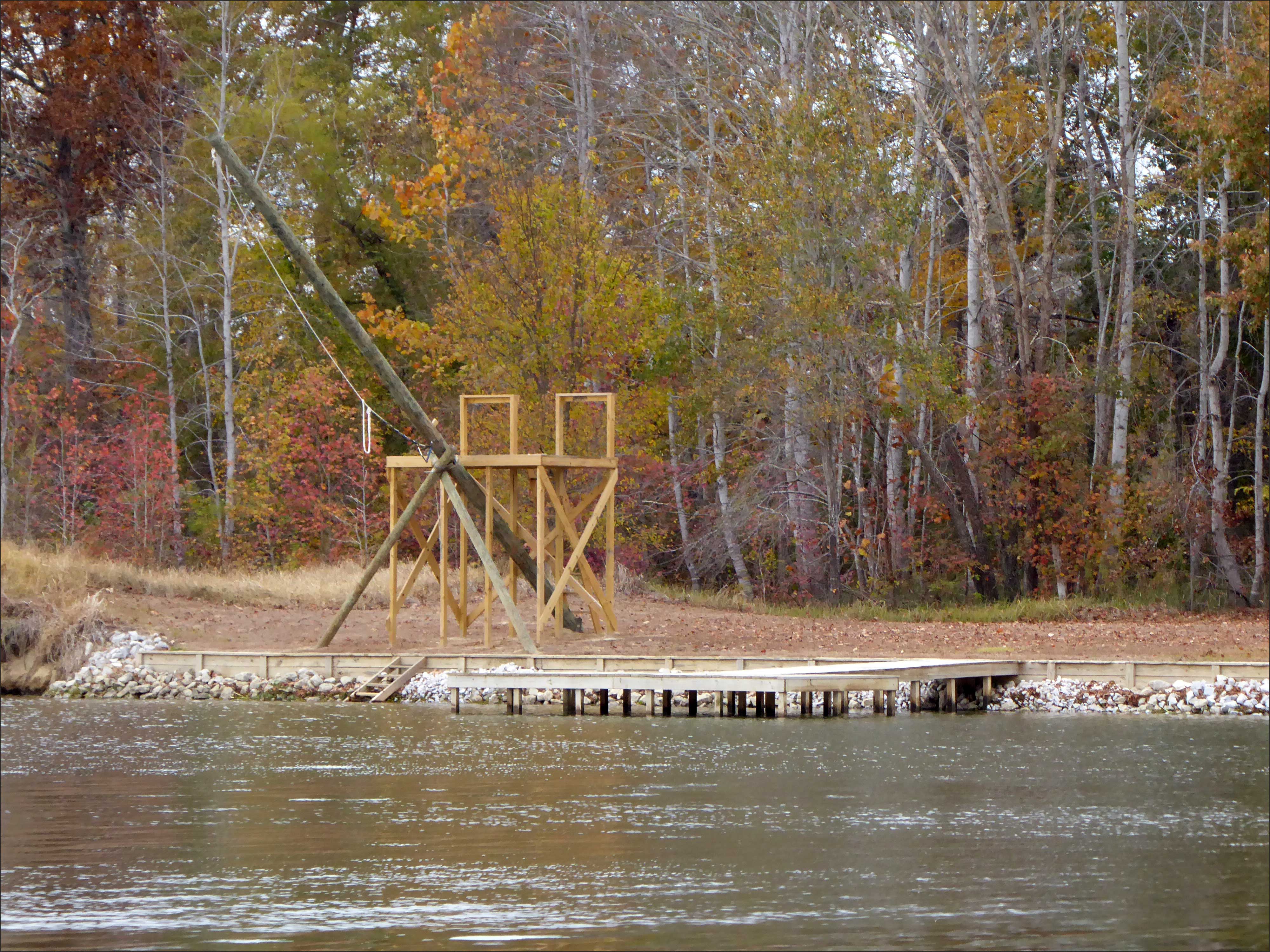
Below are samples of the houses and play areas on this section of the river.
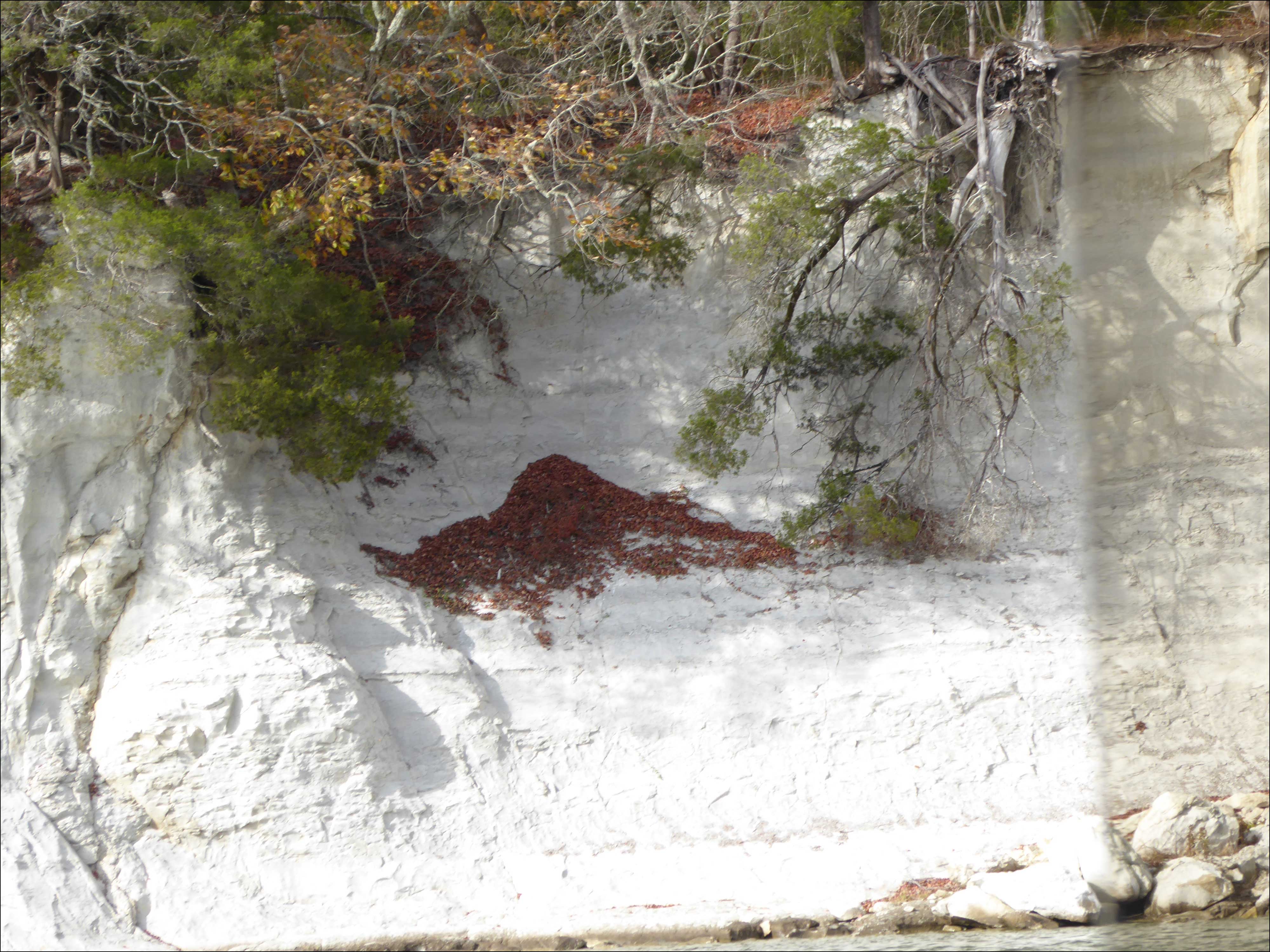
We cruised by the White Cliffs of Epes, these cliffs are part of the Selma Chalk formations which were deposited at about the same time as England’s famous White Cliffs of Dover.
Today we finished the 149 mile River Section of the Tenn-Tom and entered the Black Warrior-Tombigbee Waterway. This waterway will take us to Mobile Bay, AL.
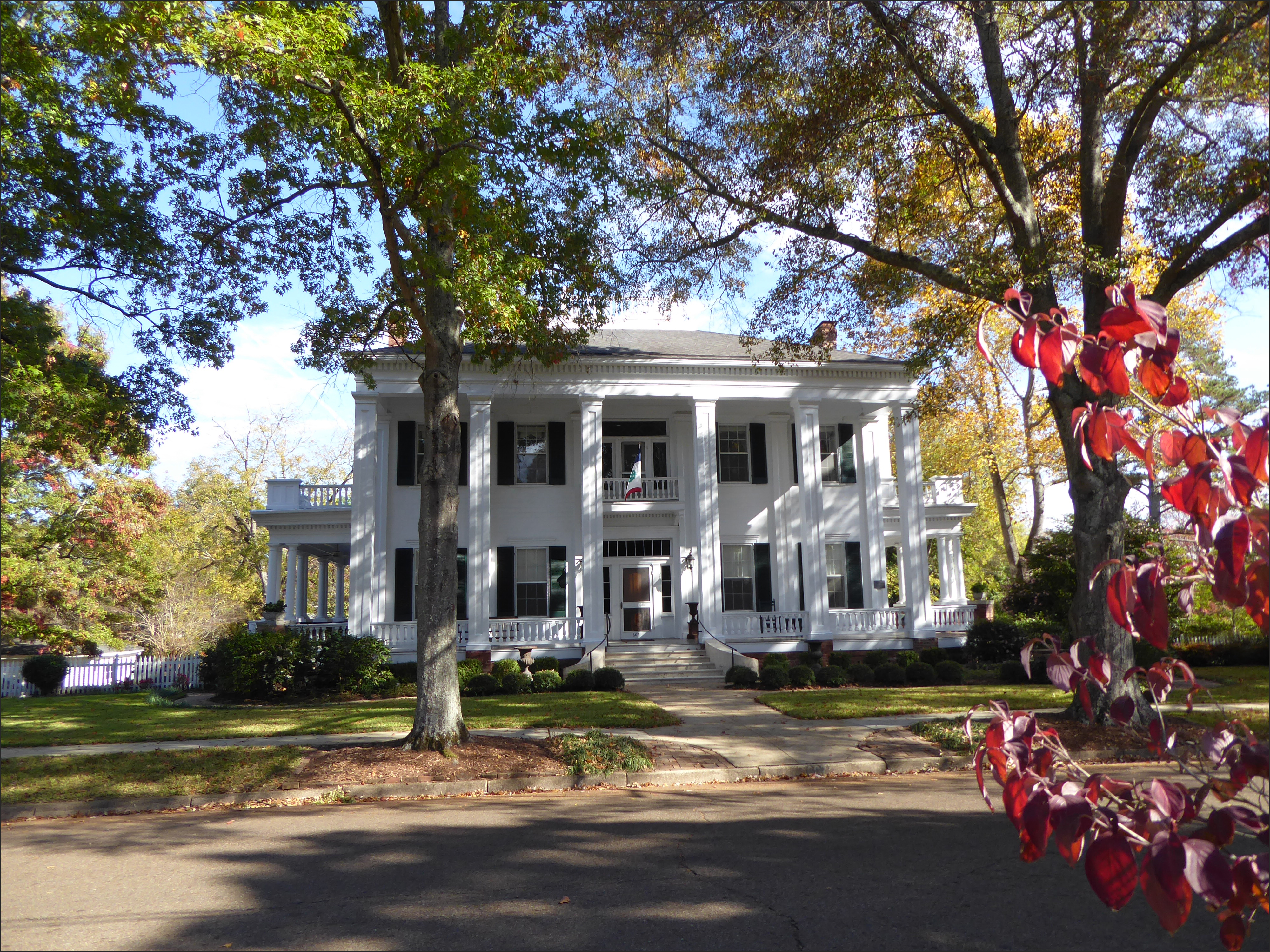
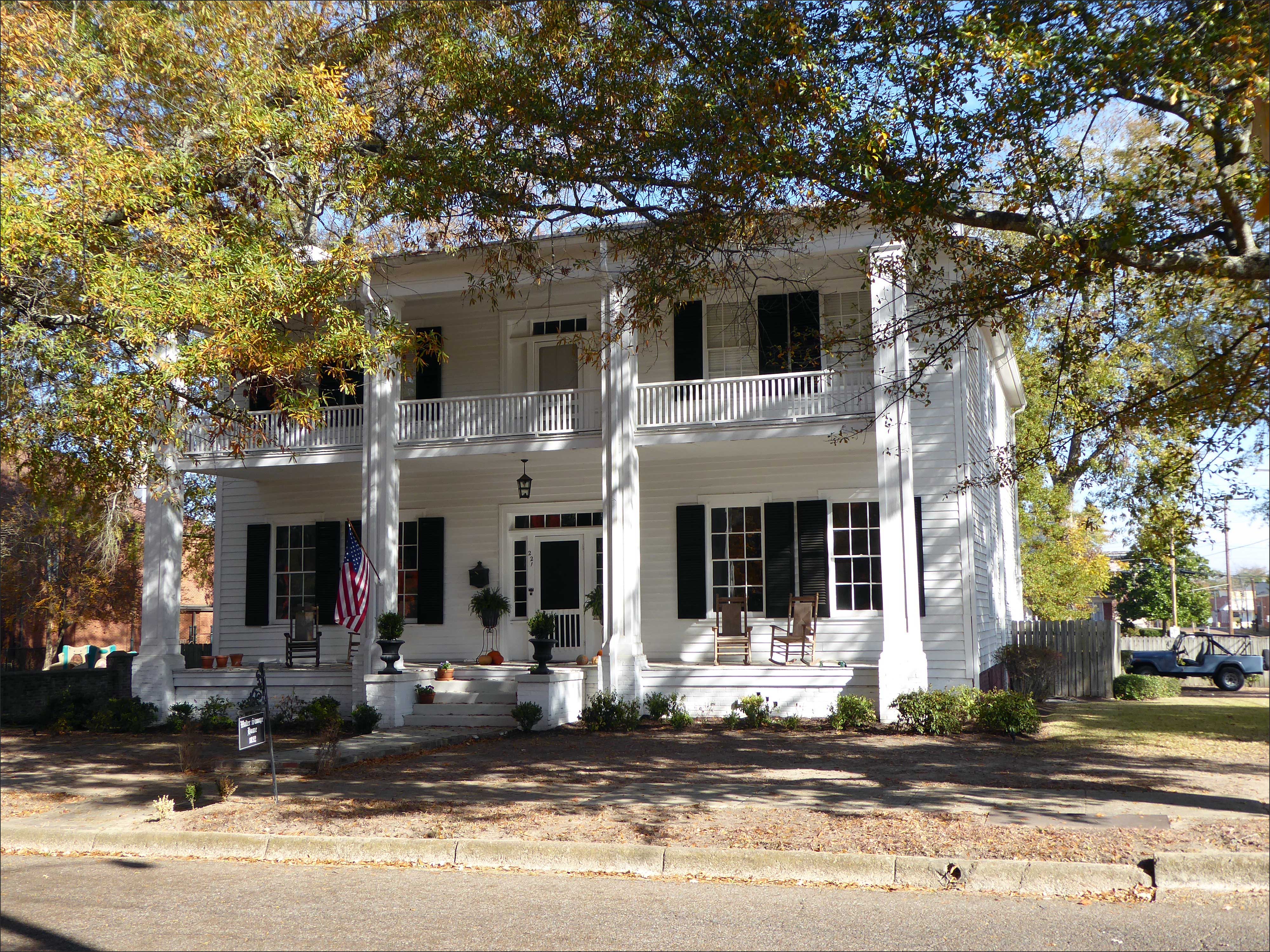
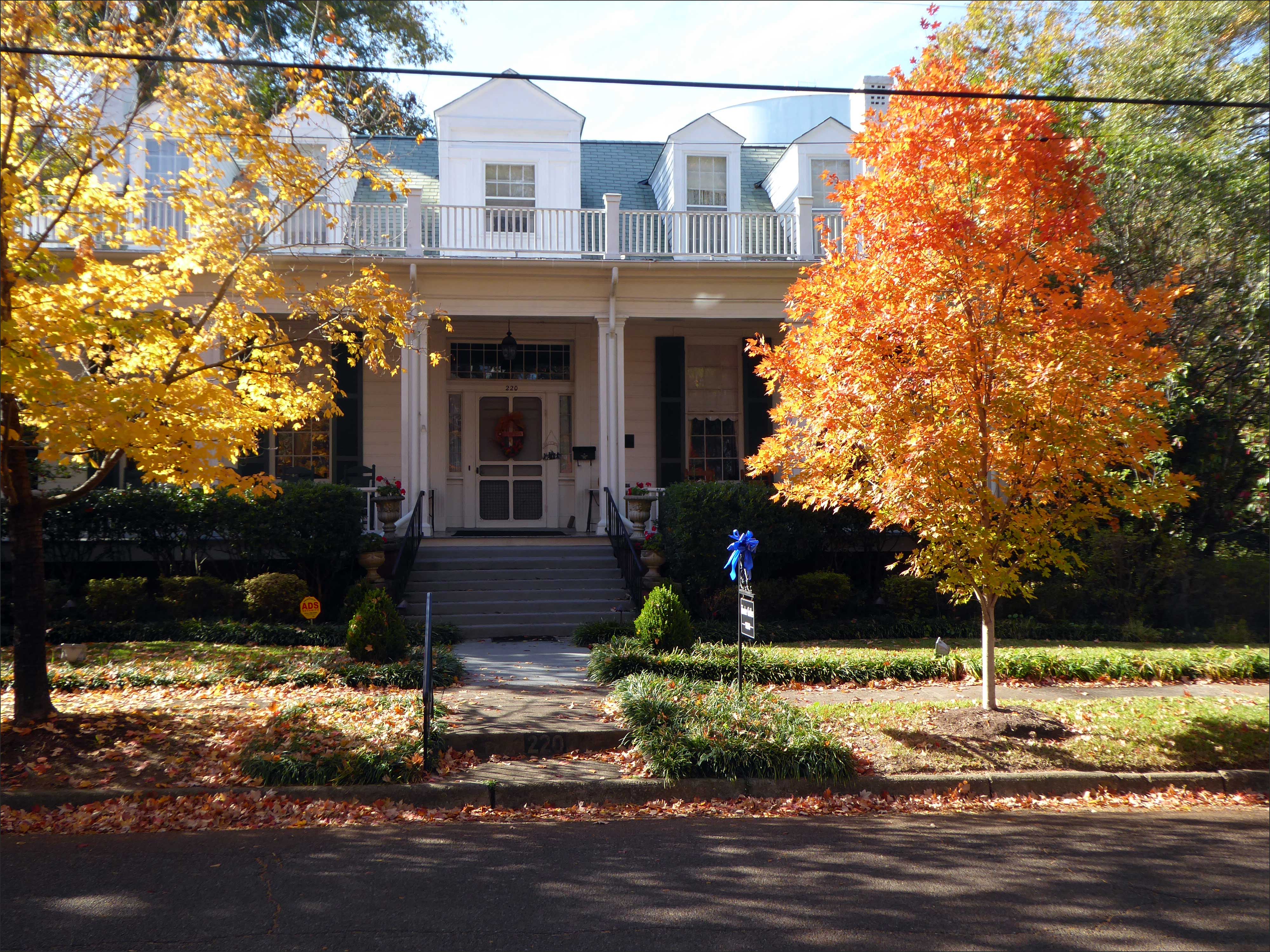
Today we visited Columbus, Mississippi, we were hoping to visit some of the antebellum homes, the home of Tennessee Williams, and the Friendship Cemetery. Unfortunately, most of the homes were closed for the holiday weekend. However, we did enjoy our tour around town.
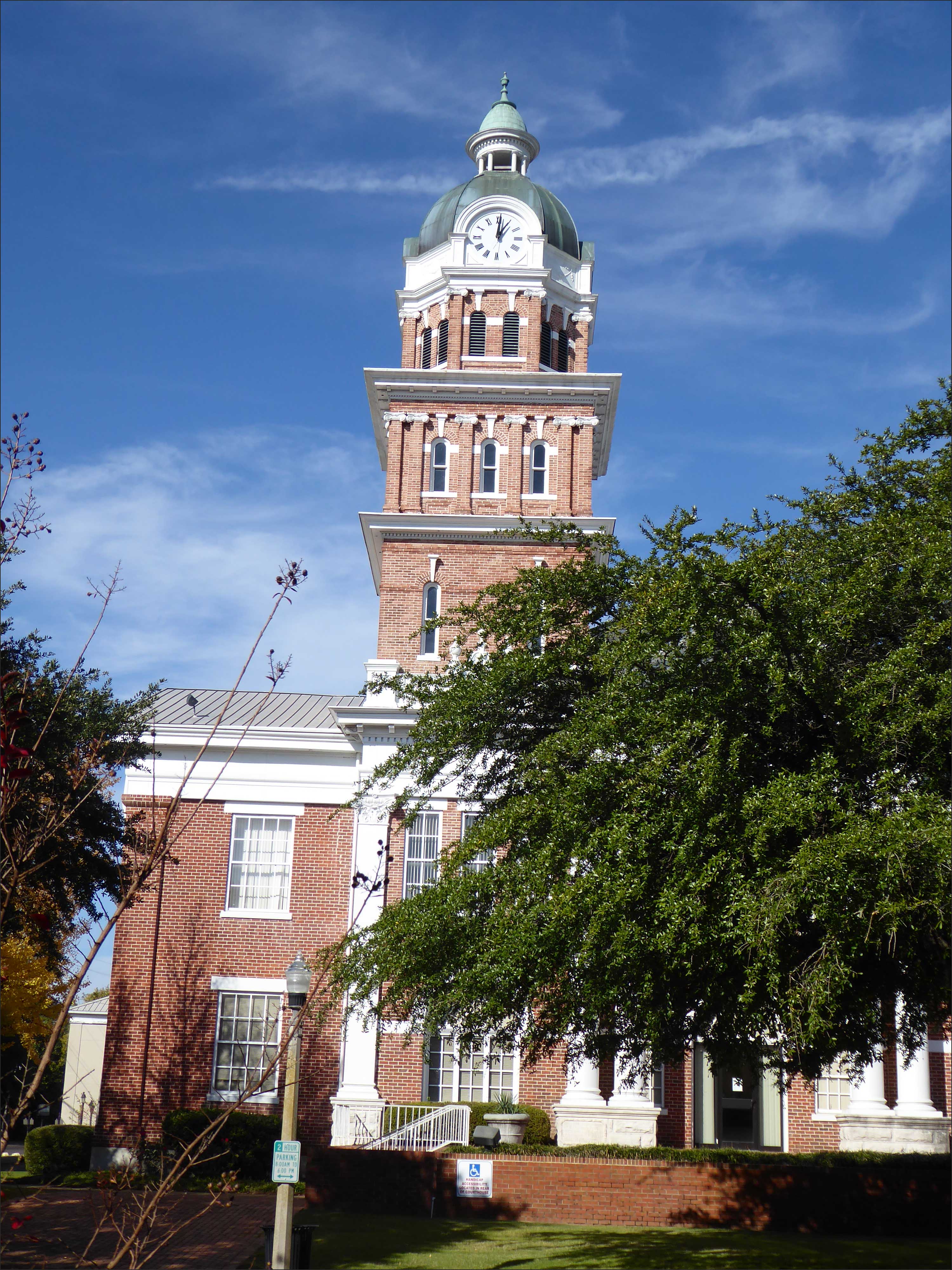
Birthplace and first home of playwright Tennessee Williams, author of A Streetcar Named Desire, Cat on a Hot Tin Roof and The Glass Menagerie.Lowndes County Courthouse – Meeting place for the Mississippi Legislature after the city of Jackson, MS fell to Union forces.Whitehall ca 1843 – James Walton Harris built this antebellum home in 1843. During the Civil War, it served as a hospital for Confederate soldiers and during World War II the Columbus Civil Air Patrol unit frequently met in the living room of Whitehall, the basement became the “Drop in Hanger,” a servicemen’s club.Walter Swoope ca 1852
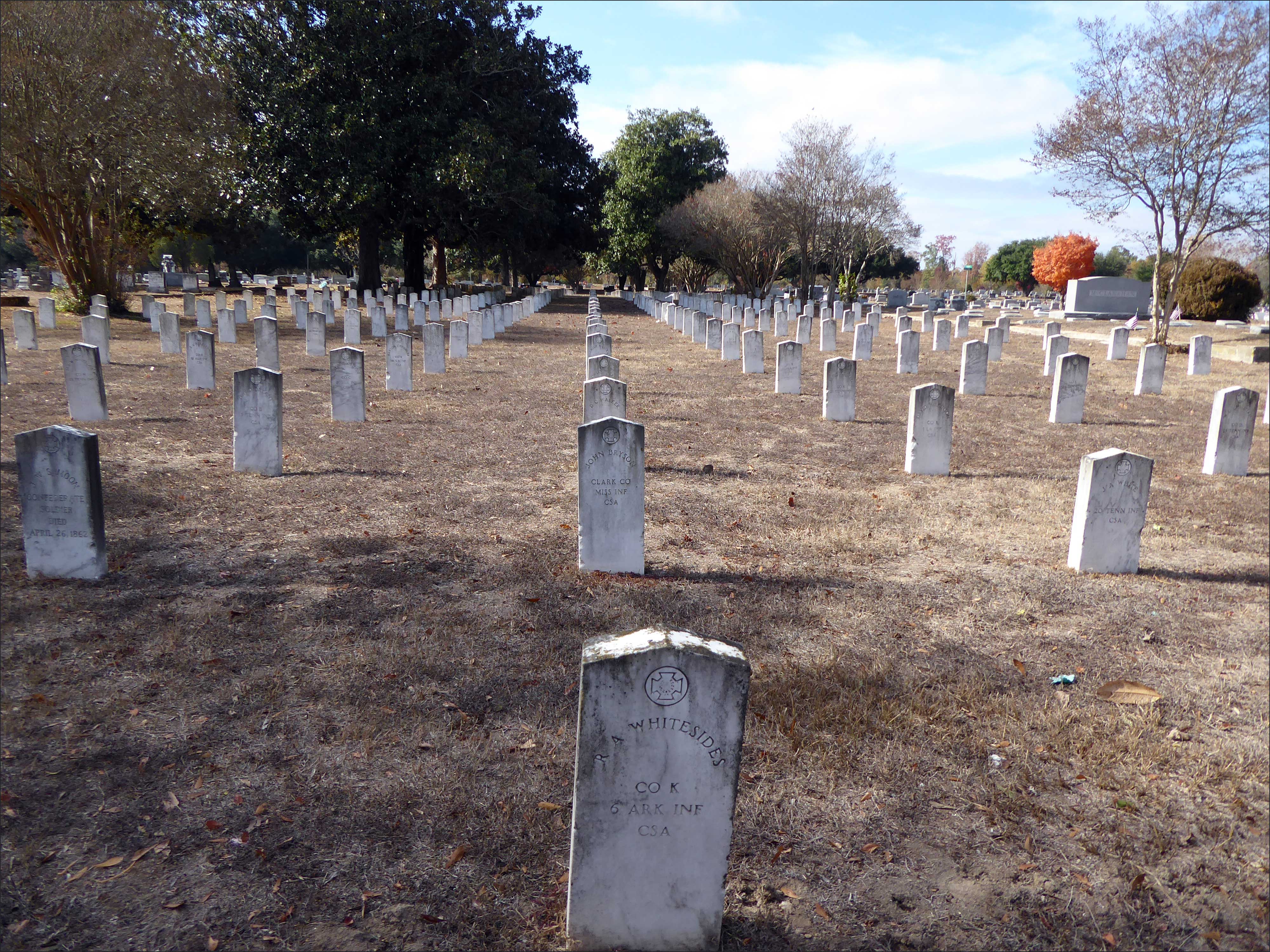
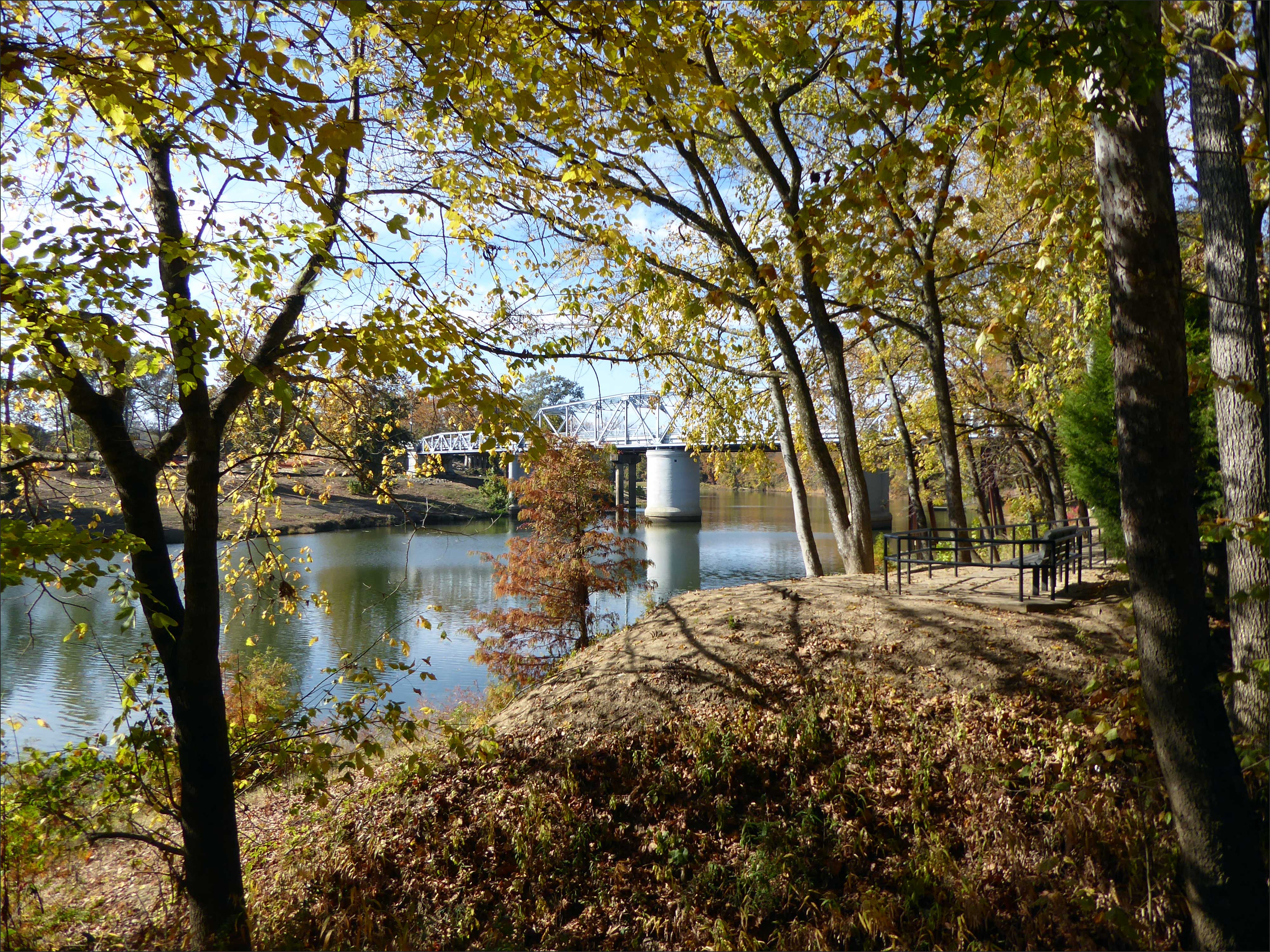
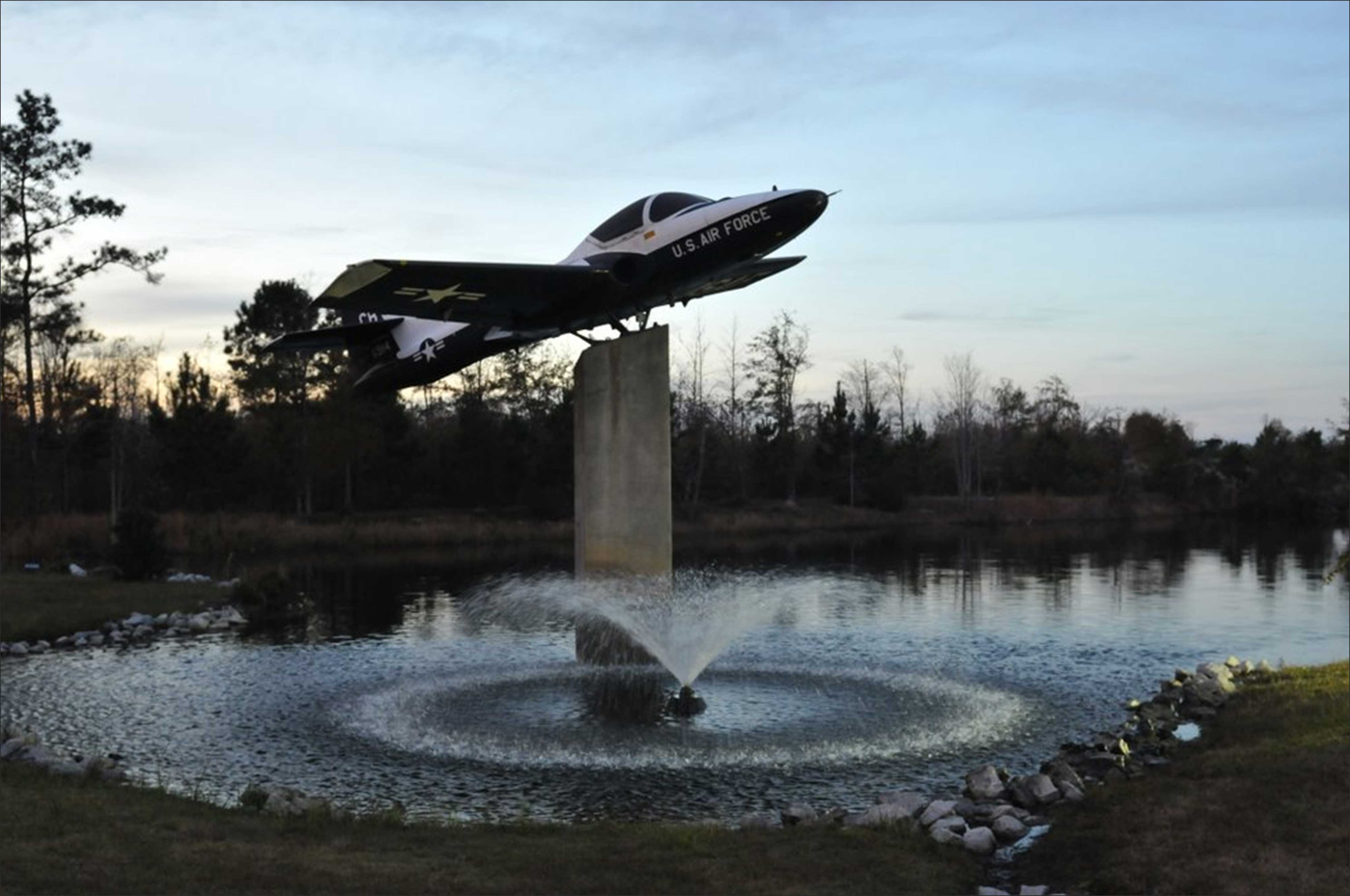
Twelve Gables ca 1838Graves of the Confederate soldiers buried at Friendship Cemetery. Mrs. Canant, a volunteer nurse for the Confederate Army, the only Confederate nurse officially recognized by the United States government, is also buried there. The graves of the Union soldiers were moved to the National Cemetery in Corinth, MS.Columbus is located on the banks of the Tombigbee RiverT-37 Tweet at the Entrance of Columbus Air Force Base (picture from Panoramio)
Thanksgiving has always been my favored holiday and I always loved being able to spend it with family. However, that was rarely possible when we lived overseas. Our first year overseas we were invited by our friends, Candi and Bob, for Thanksgiving dinner with several military families and I realized that celebrating with family, longstanding friends, new friends, and sharing traditions and friendships are what is important.
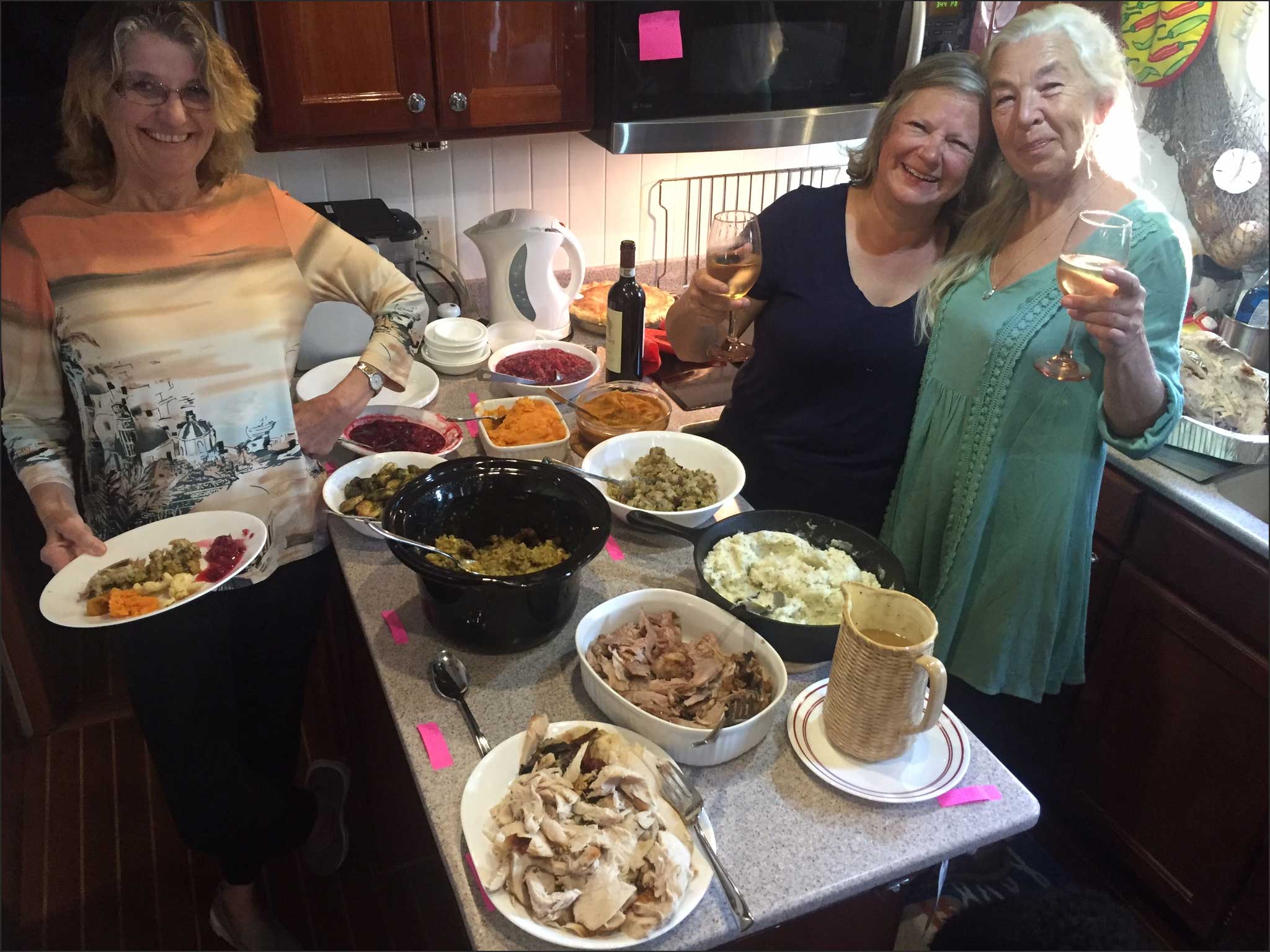
Today we celebrated with new friends. Before dinner, we each shared what we are most thankful for, as I reflect on the information shared, we are all thankful for our family and friends that have made us what we are today…thank you!
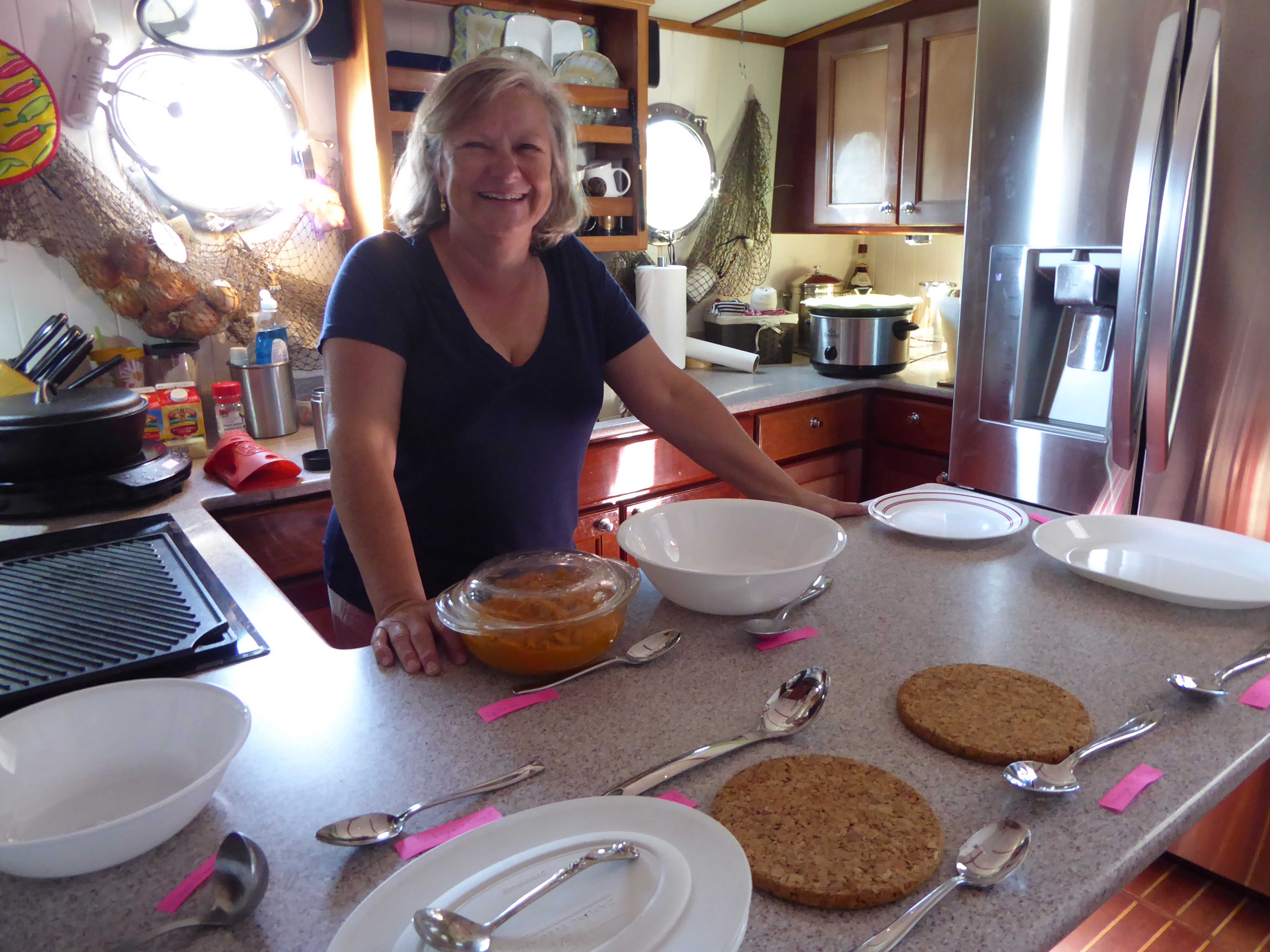
Today’s celebration began with our outstanding cooks Phyllis and Alyce.
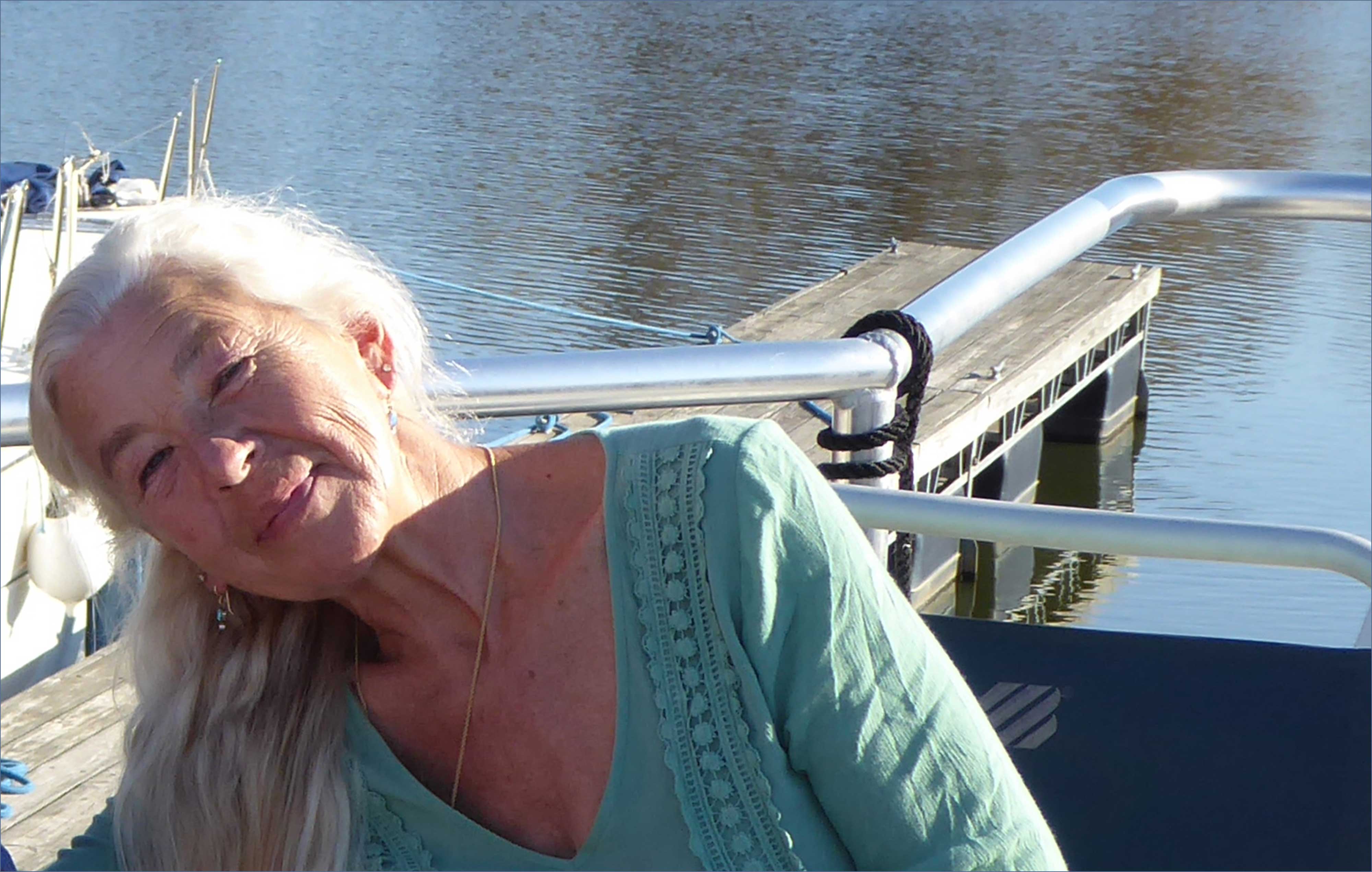
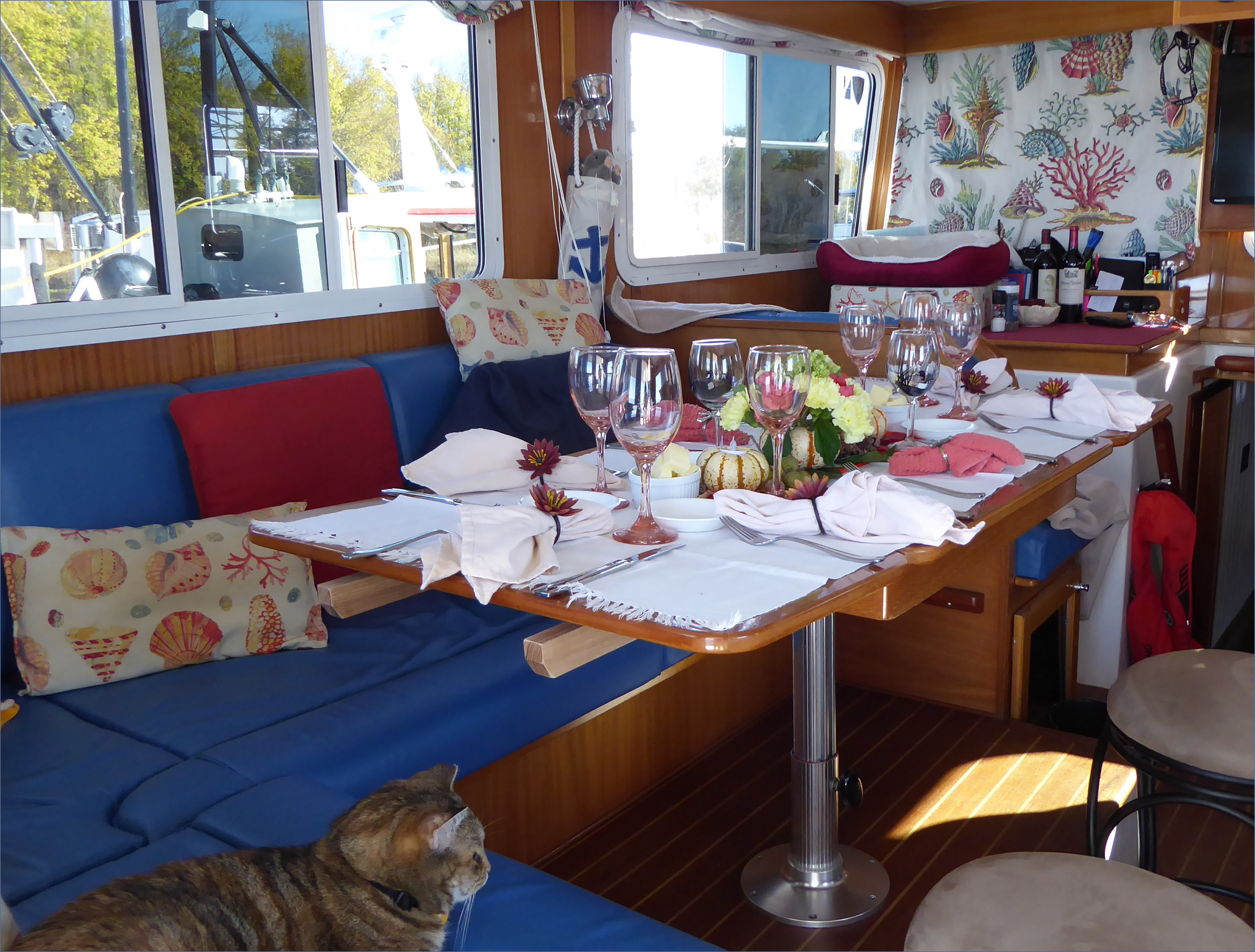
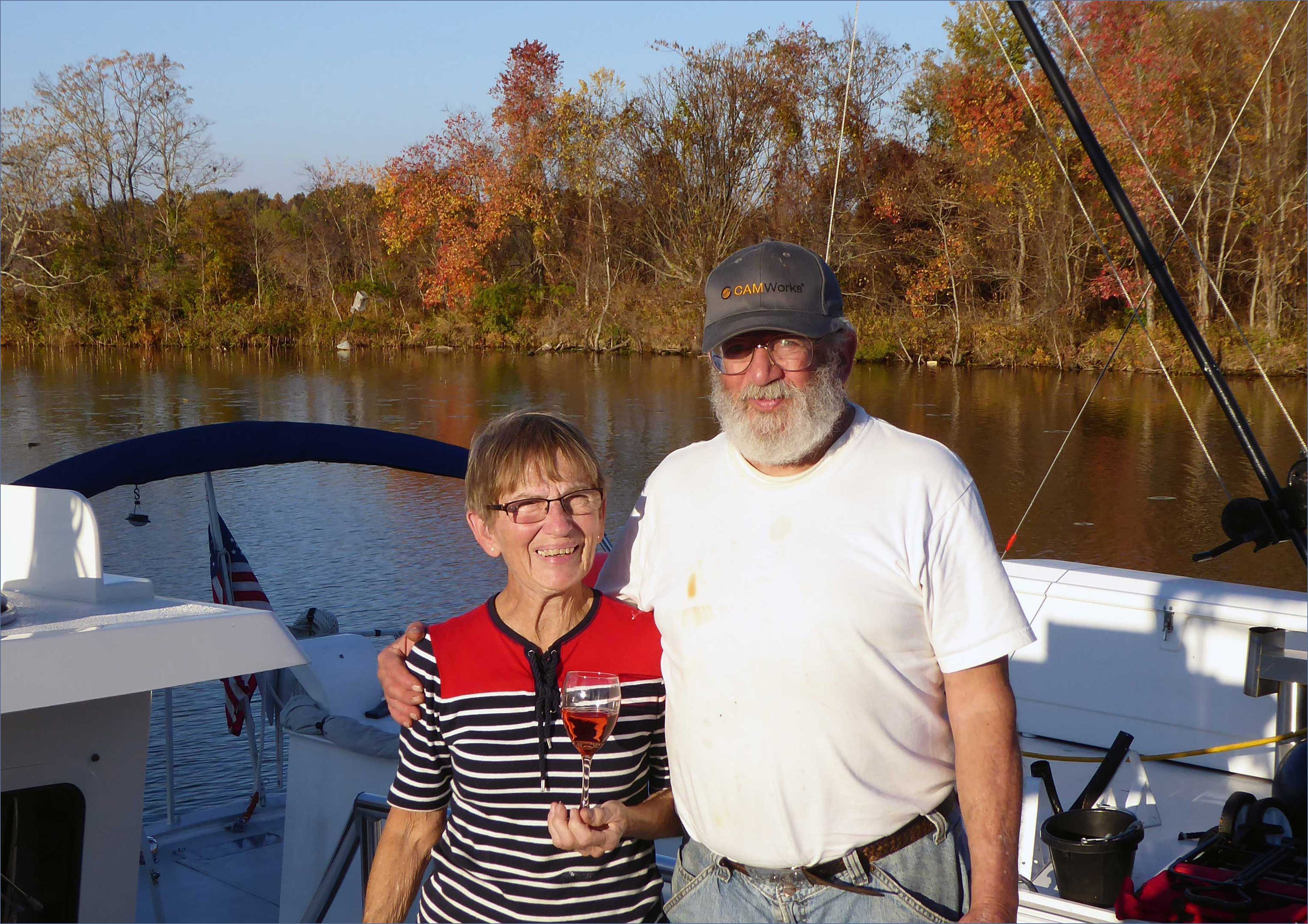
Phyllis on of AvocetAlyce of Aurora BThanksgiving TableThanksgiving DinnerDavid and NancyDick, Phyllis, Rick, Nancy, Wayne, and Alyce
The beauty of our surroundings…
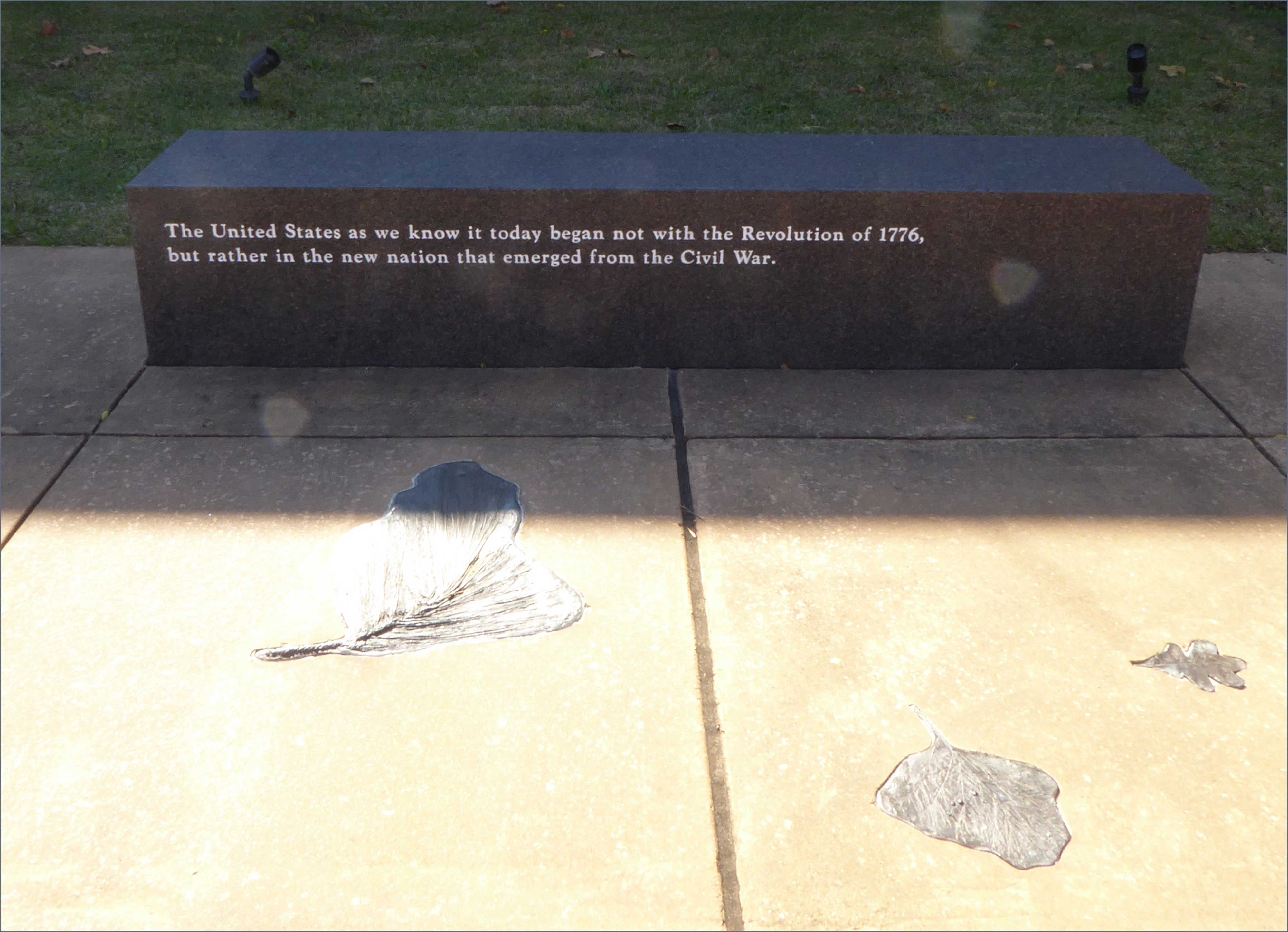
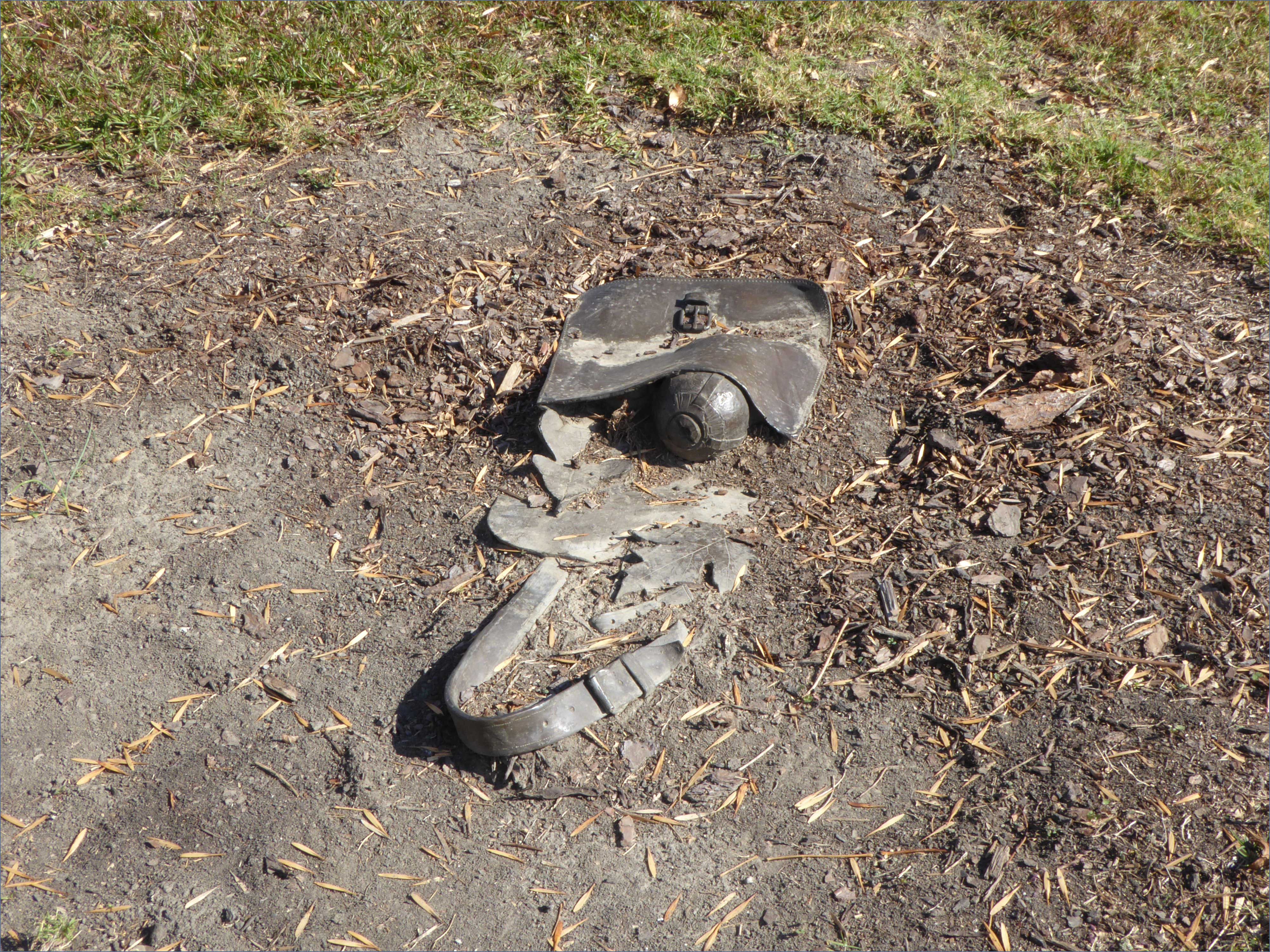
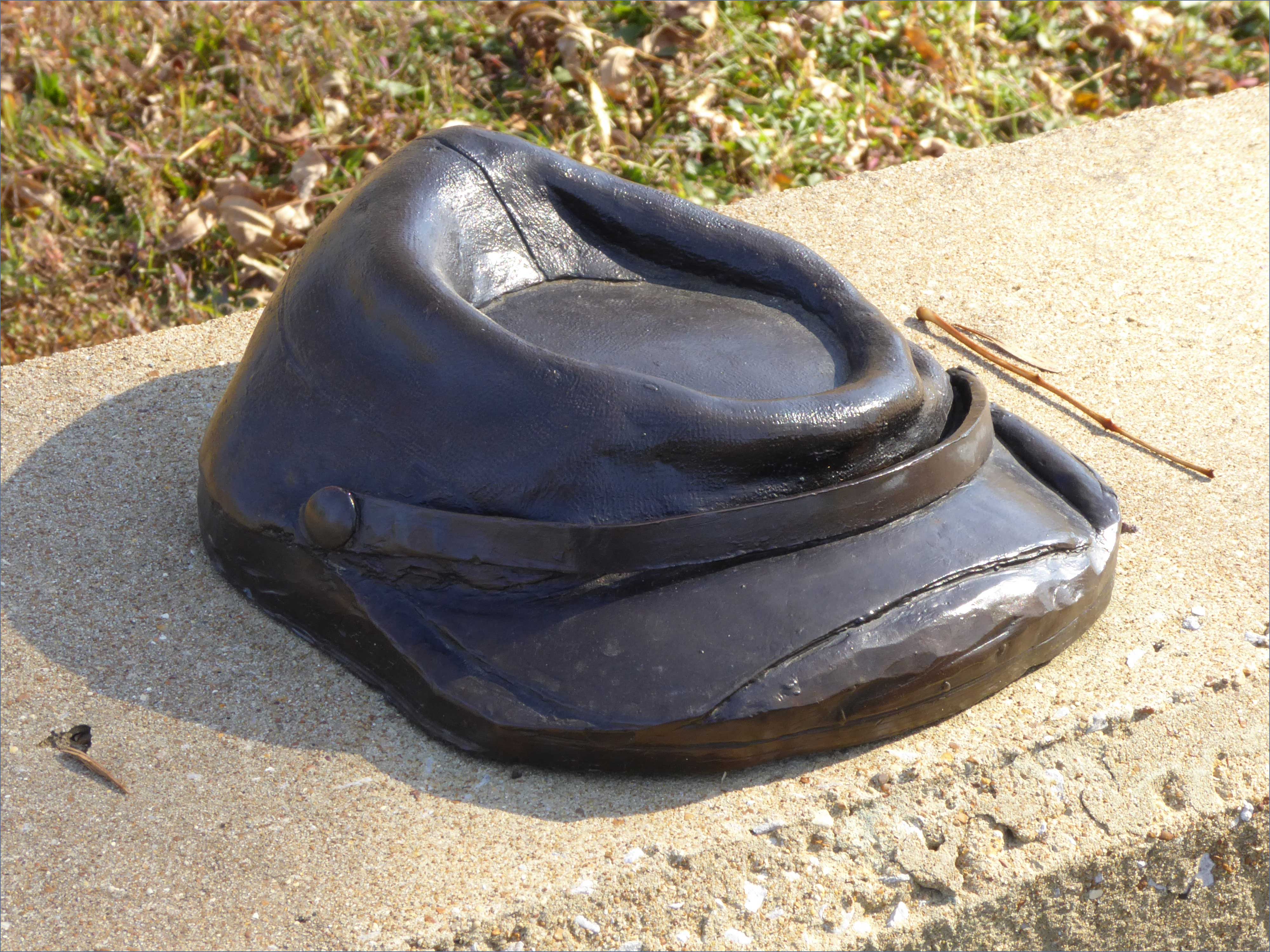
Civil War History (April 12, 1861 – May 9, 1865)
Columbus, MS had an arsenal that made gunpowder, handguns, and a few cannons. Wanting to seize the arsenal, the Union ordered an attack on Columbus, that attack was stopped by General Nathan Bedford and the arsenal was moved to Selma, Alabama, which provided a more strategic location for the confederate army.
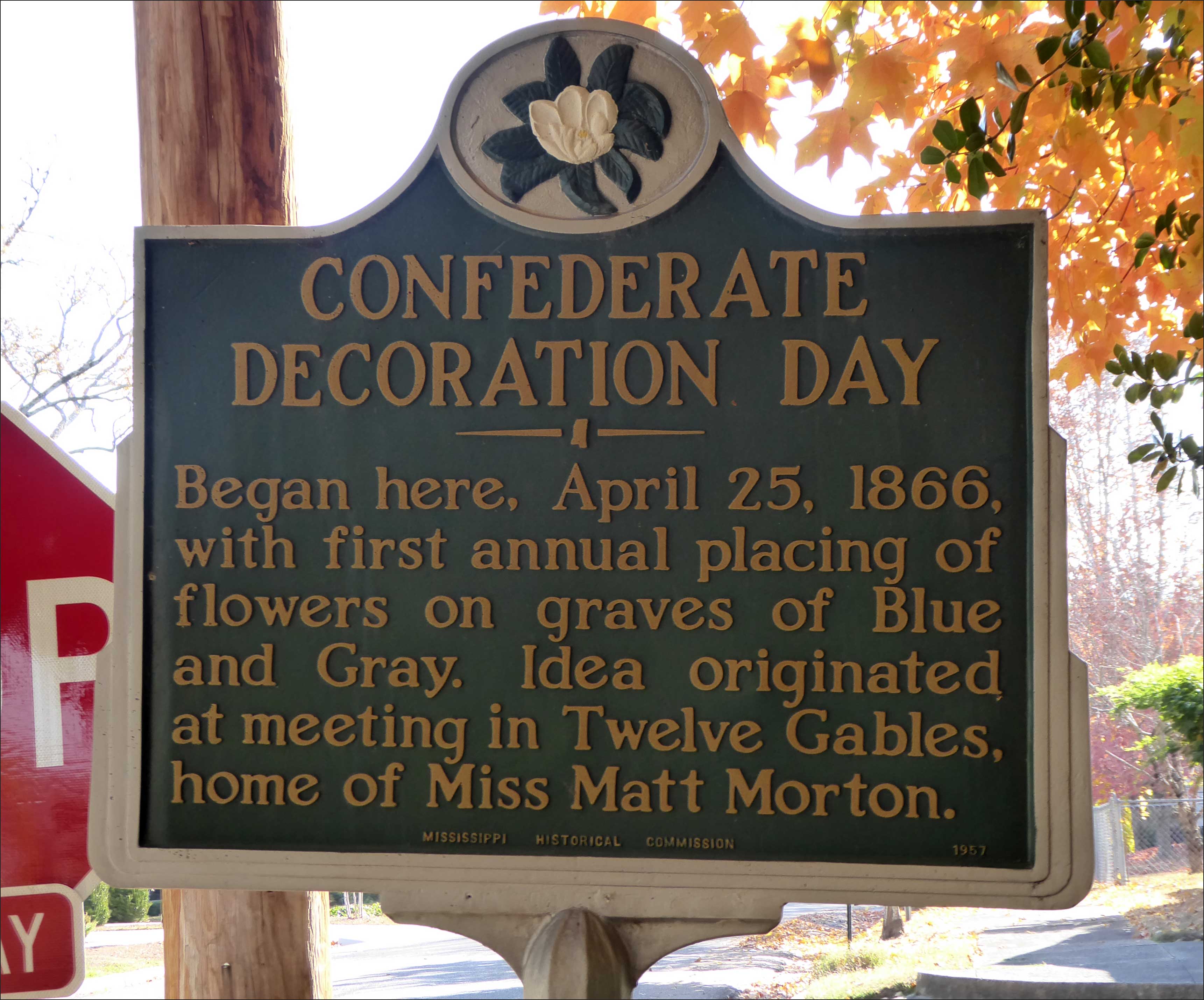
Many of the casualties from the Battle of Shiloh, both confederate and union, were sent to the make-shift hospitals at Columbus. At Columbus, many of soldiers perished and were buried in the town’s Friendship Cemetery. On April 25, 1866, ladies from the Annunciation Catholic Church, one of the make-shift hospitals, decorated the Union and Confederate graves with flowers, and the poet, Francis Miles Finch, commemorated the occasion with the poem “The Blue and the Grey.”
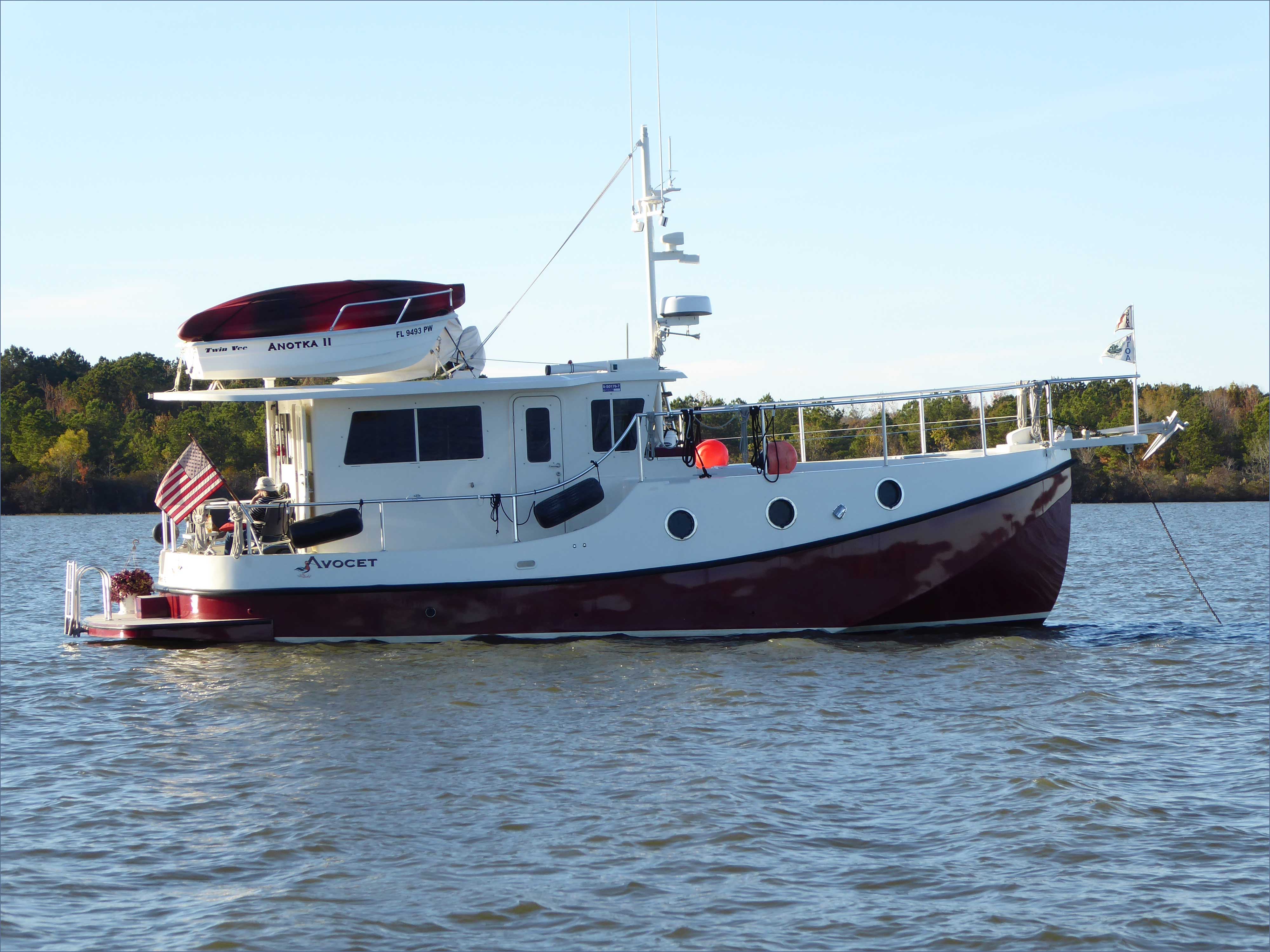
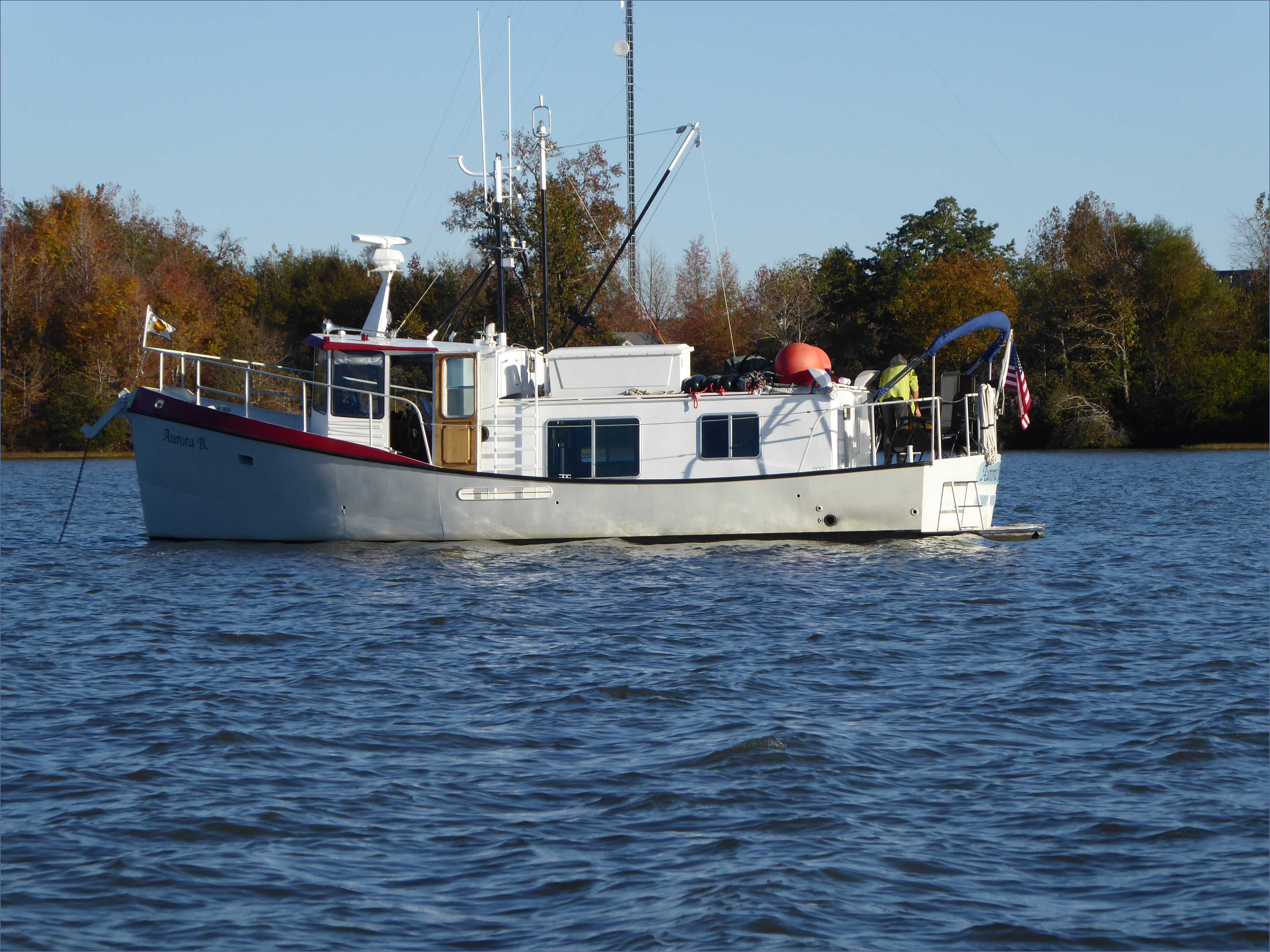
Before we get to Mobile Bay we will have to transit 12 locks. Ten locks on the Tenn-Tom and two on the Black Warrior-Tombigbee. As we prepared for our entrance into the first lock, Jamie Whitten (84’), we discovered that Avocent and Aurora B will be in the lock with us. Our first “docktails” on the Loop were with them at Green Turtle Bay Marina, good people, we look forward to visiting them.
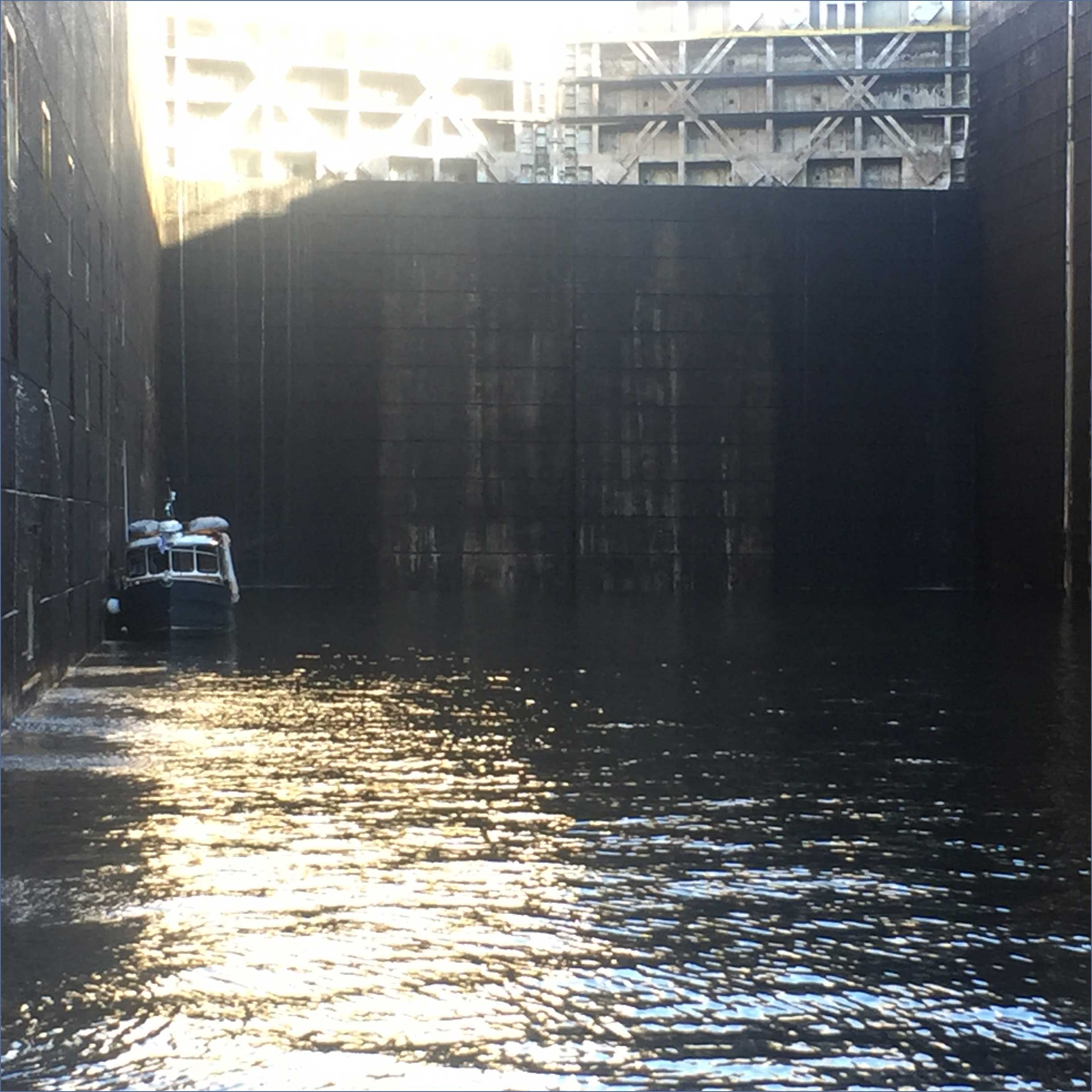
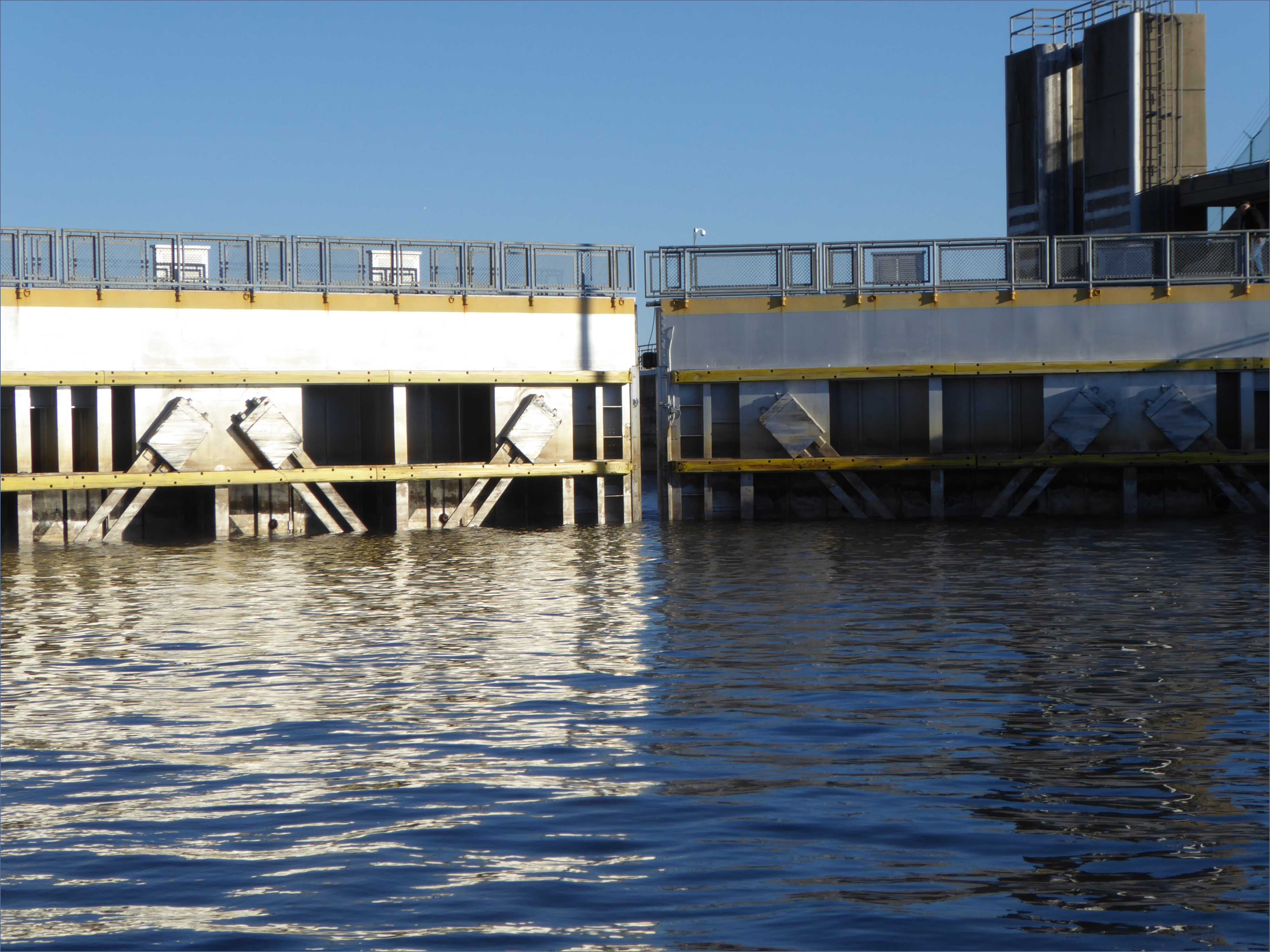
Jamie Whitten Lock – 84 FeetAndiamo at Whitten Lock. Photo courtesy of Dick on Avocent.Doors Opening at Whitten Lock
Avocent, Aurora B, and Andiamo spent the rest of the day going through most of the Canal Section of the Tenn-Tom, transiting three addition locks; GV “Sonny” Montgomery (33’), John Rankin (32’), and Fulton (26’) locks. At the end of the day, we all anchored near Smithville, MS in 5’ of water.
AvocetAurora B
November 22, 2016 – Tuesday
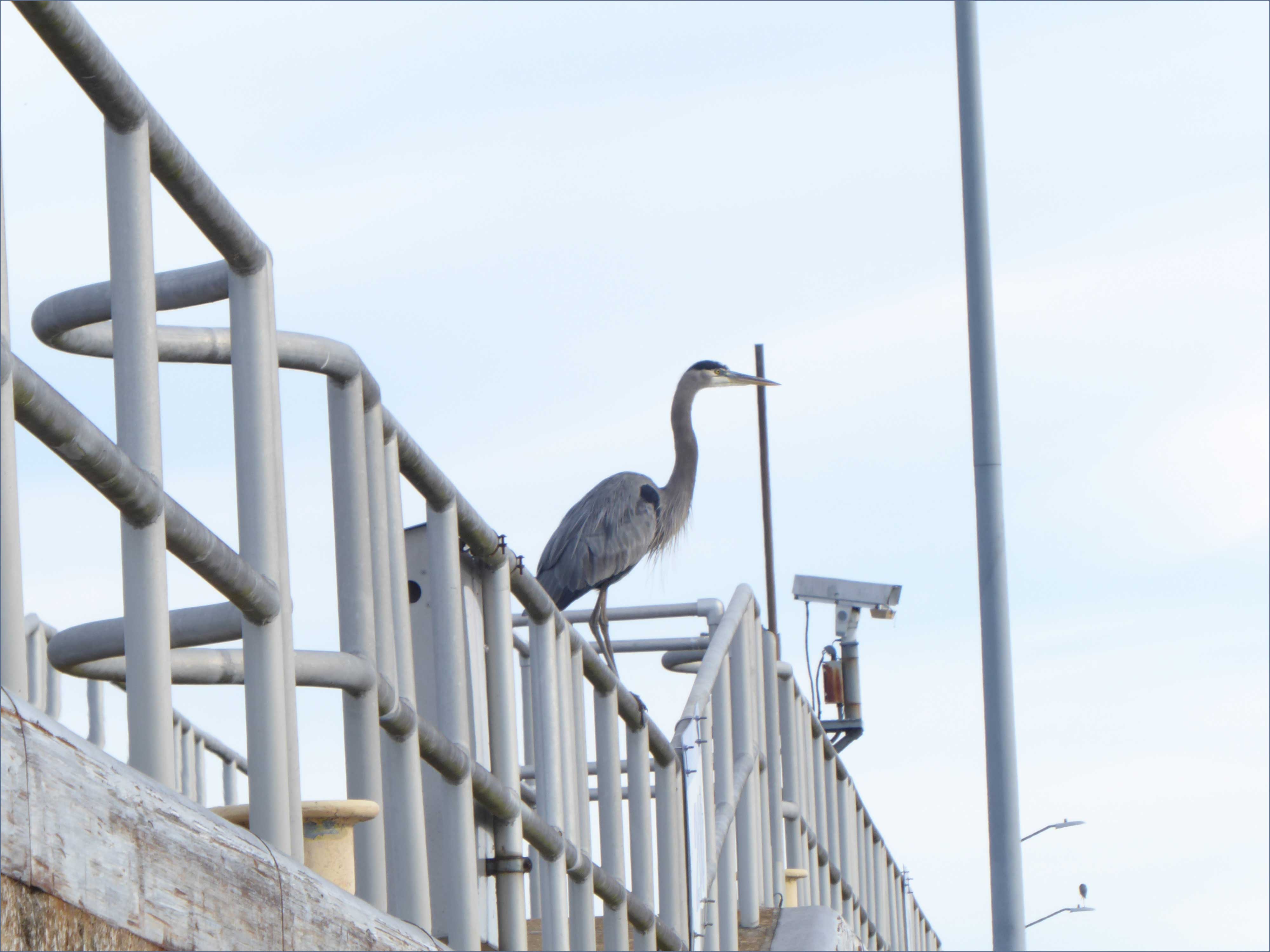
Sunrise at Glover Wilkens Lock, our first lock of the day. (25′)Amory Lock (25′) – Herons seem to love hanging around the locks.
The River Section of the Tenn-Tombigbee begins at the Amory Lock.
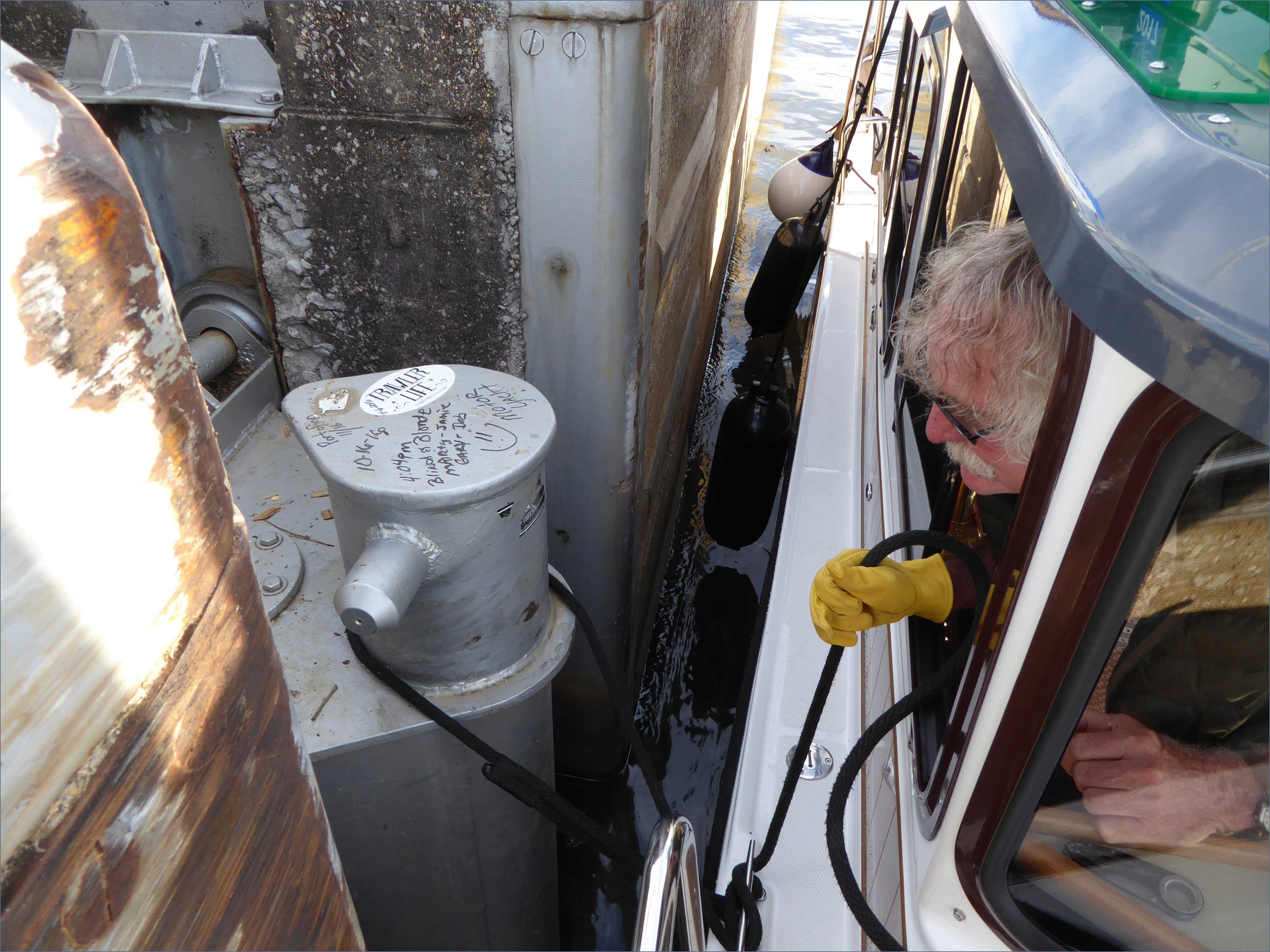
When entering locks on the Tenn-Tom boaters are required to tie up to a bollard to secure their boat.
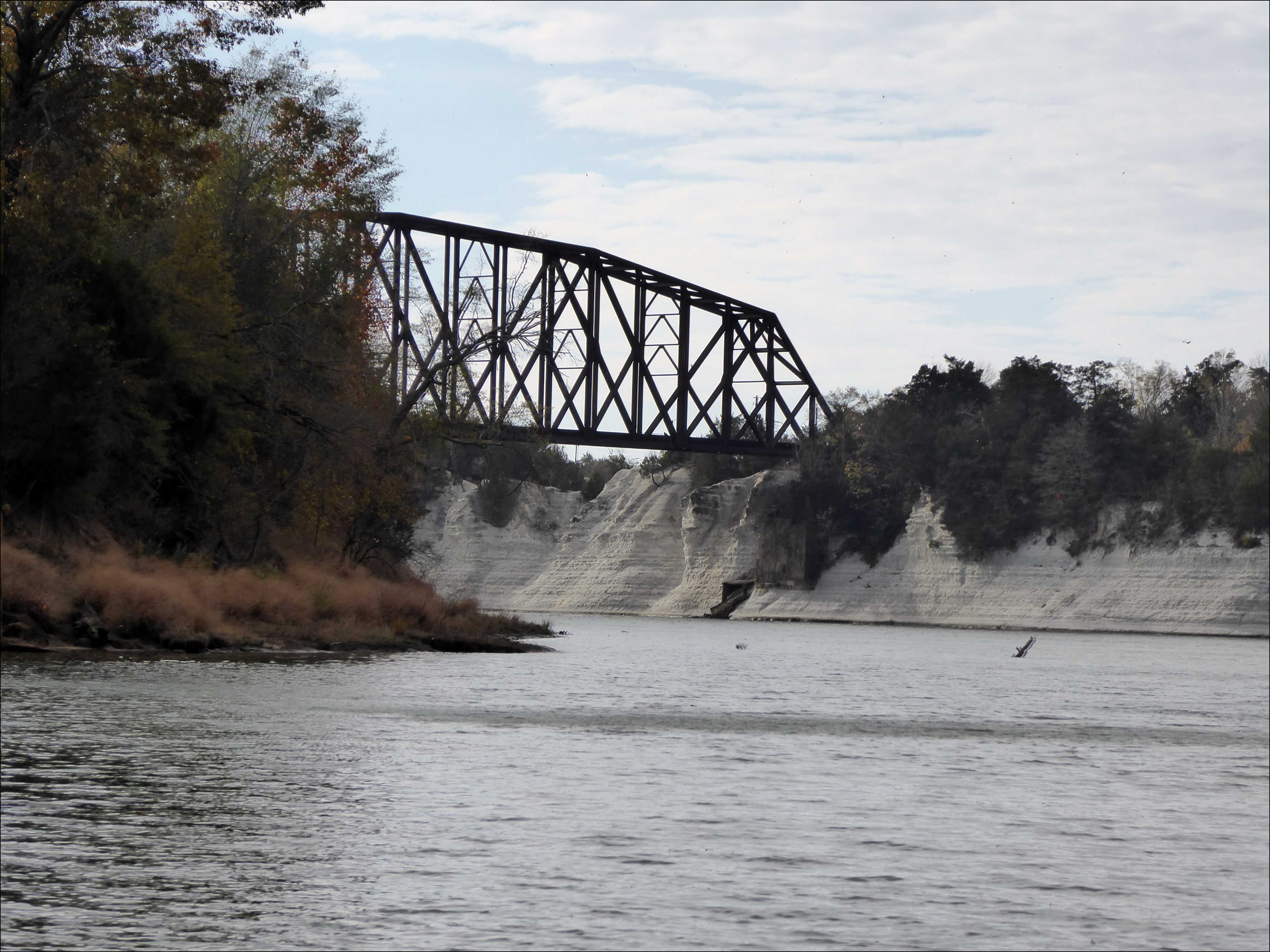
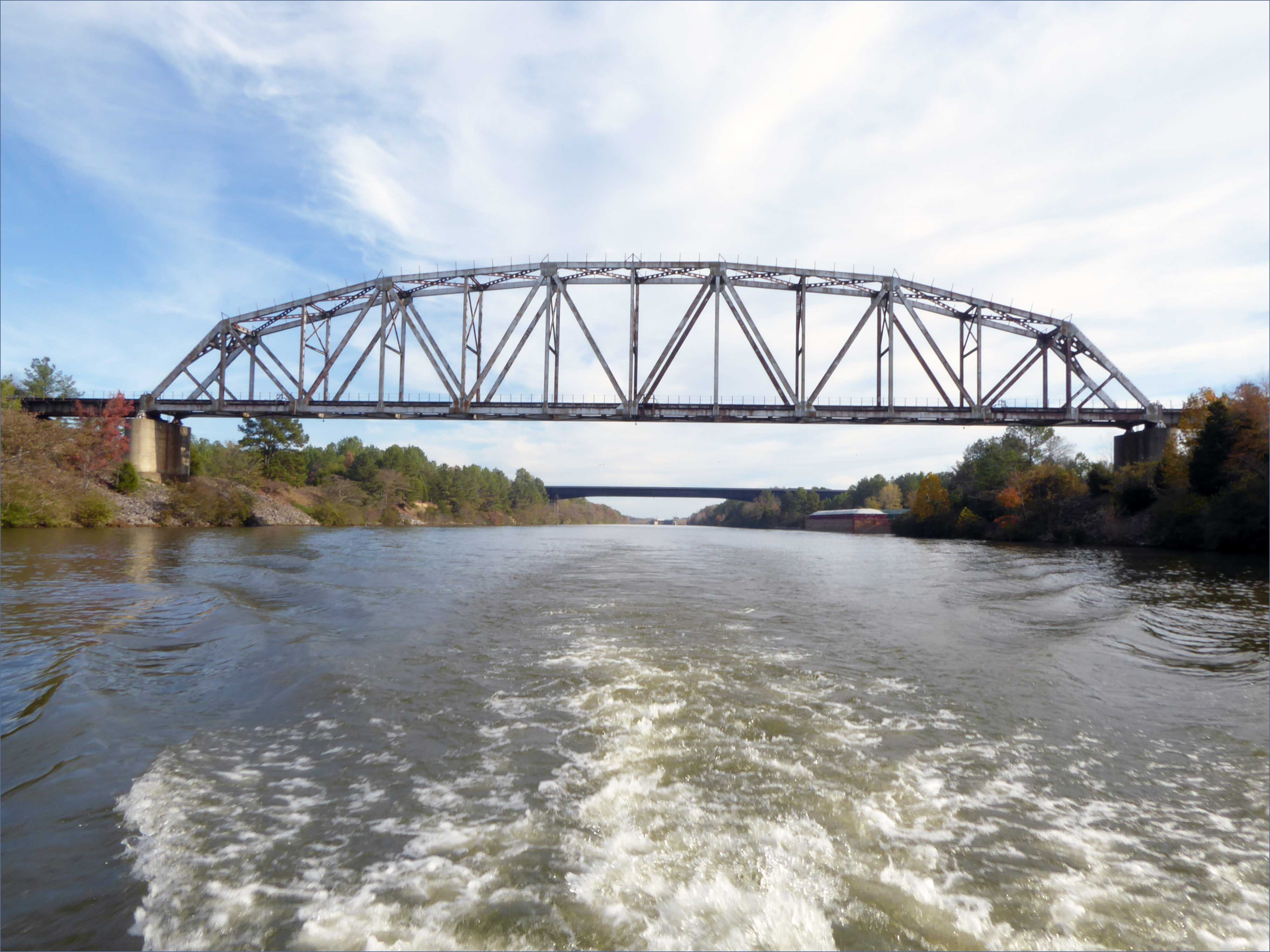
Burlington Northern Bridge and Mississippi Highway 6
At mile 357.5 we transited the Aberdeen Lock (28′), our third and final lock of the day.
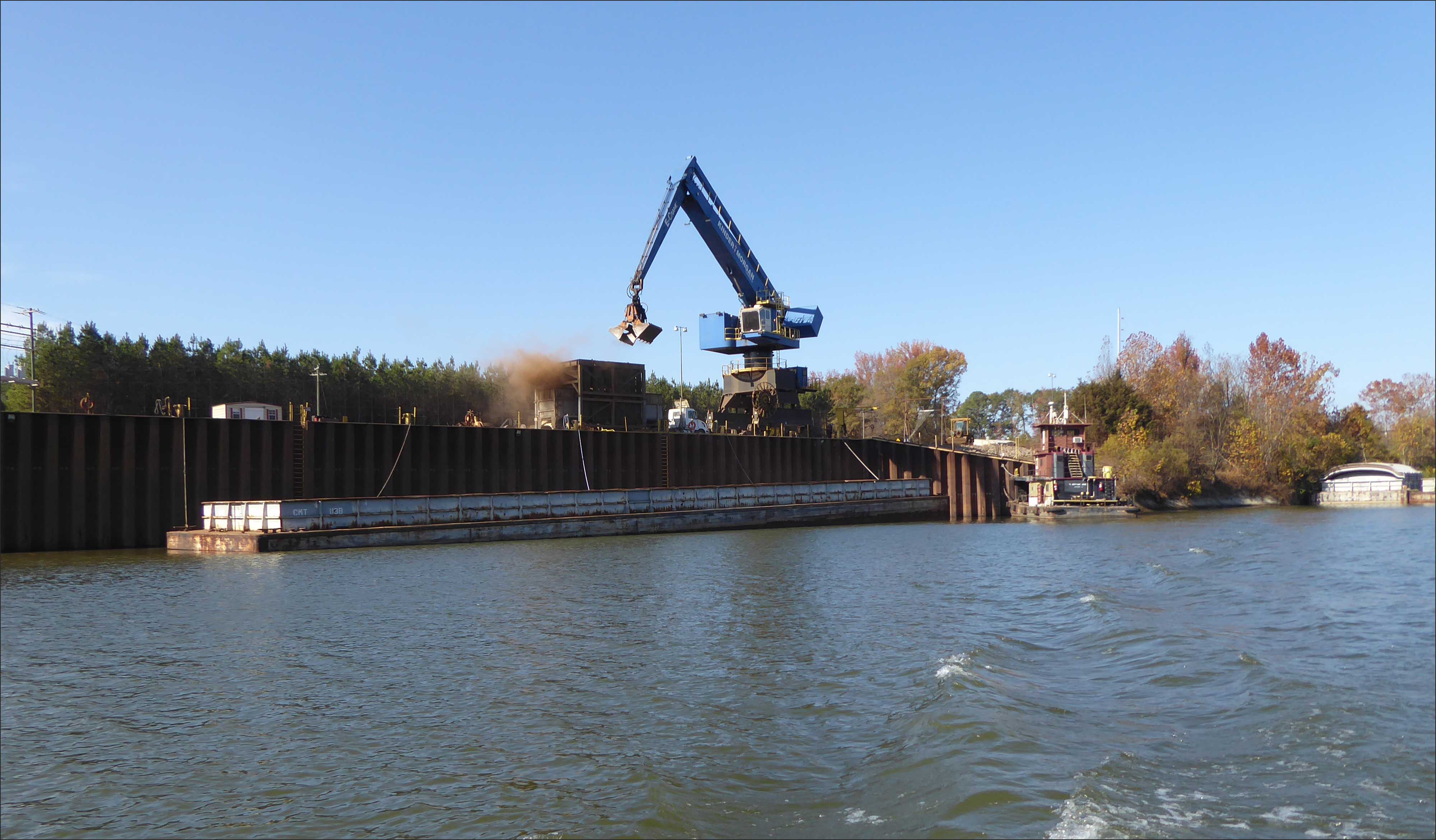
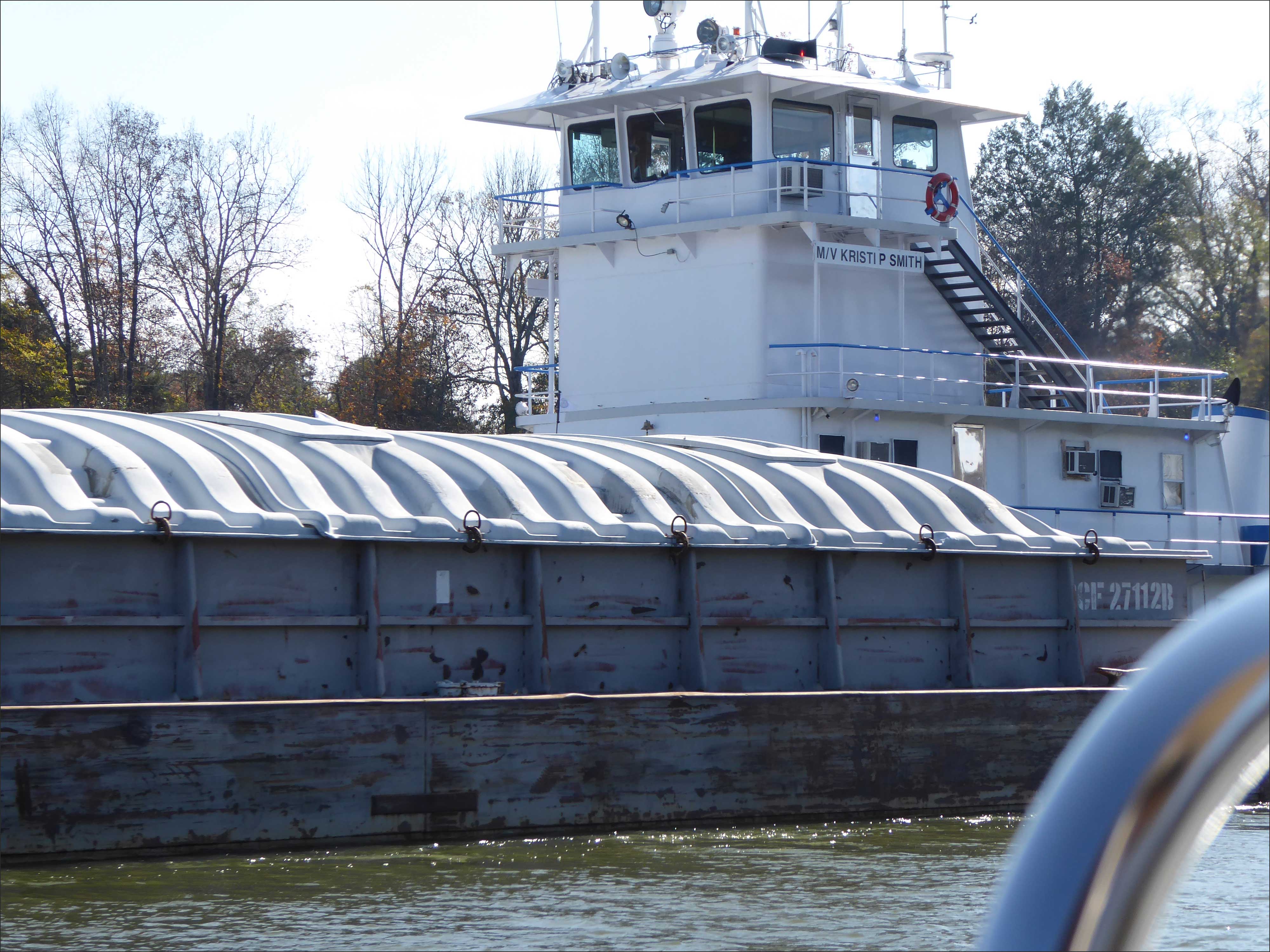
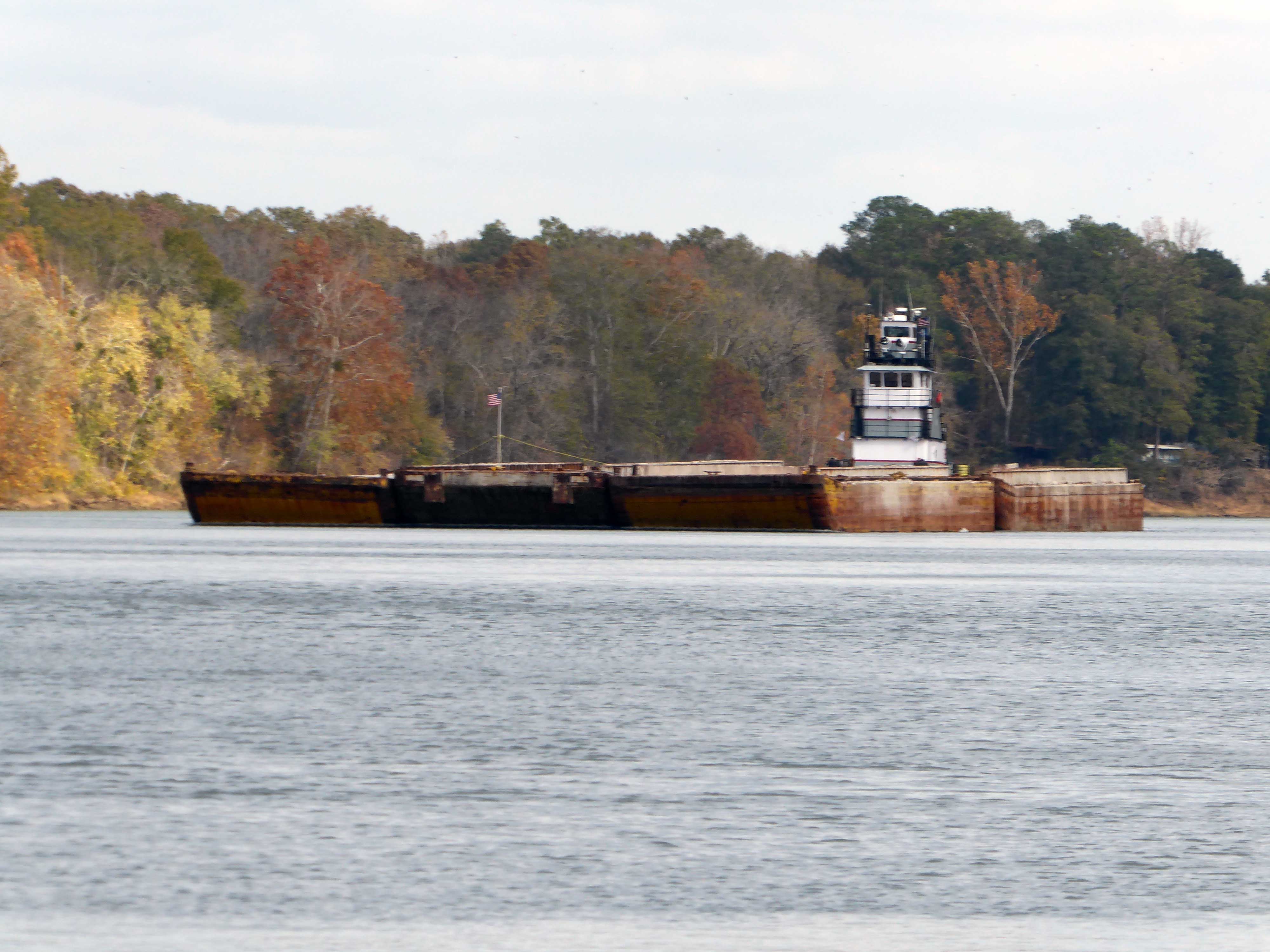
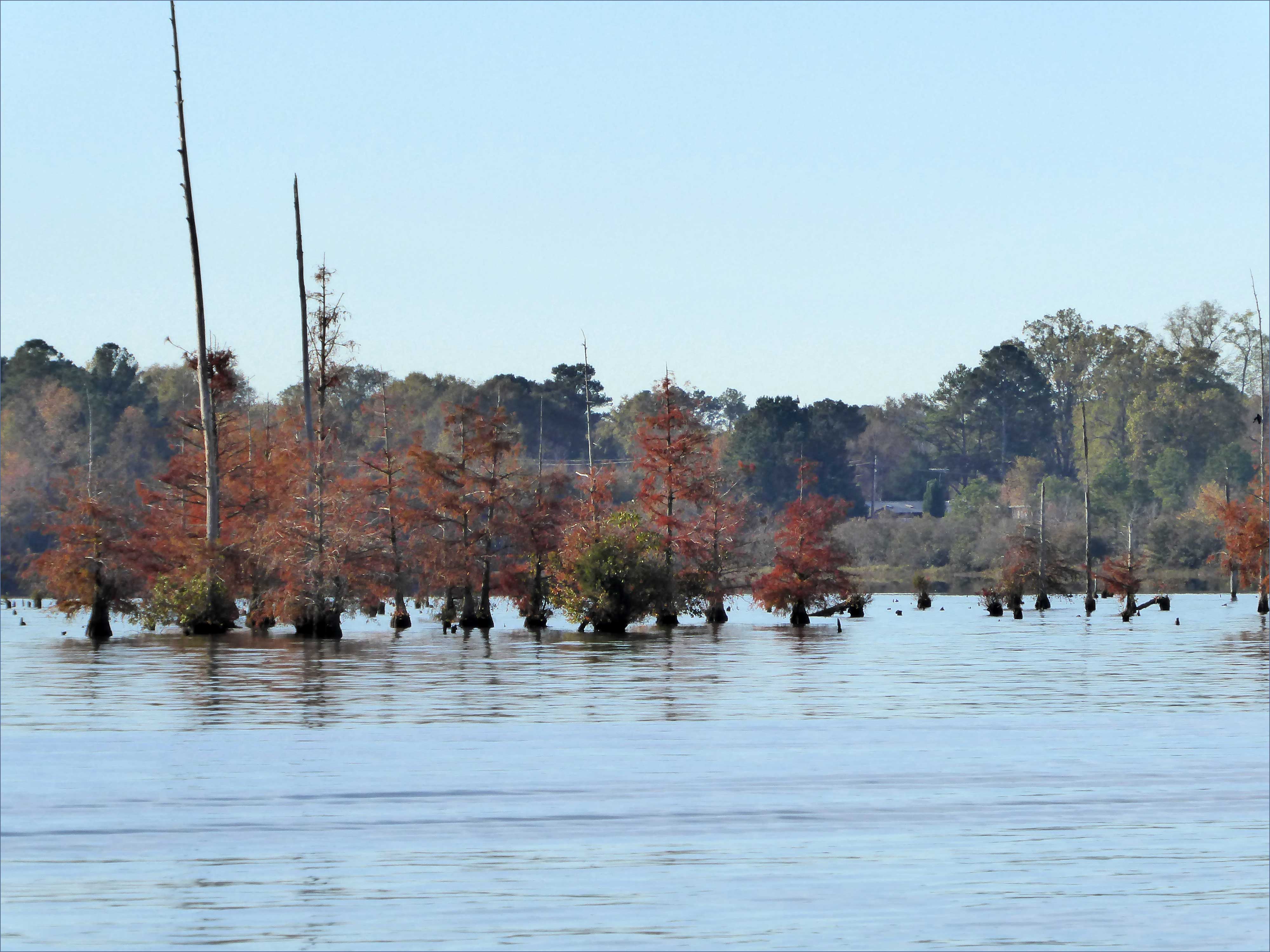
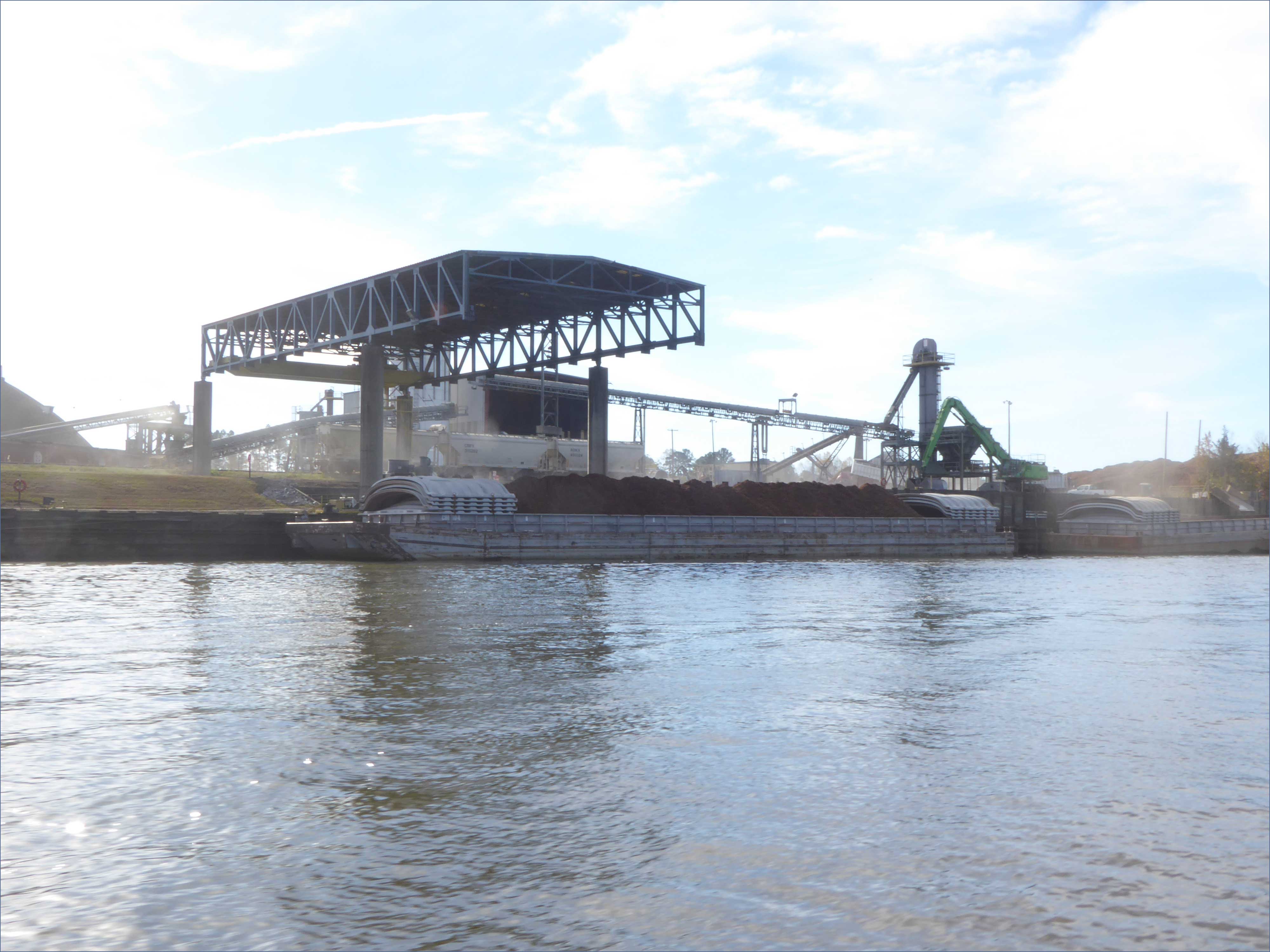
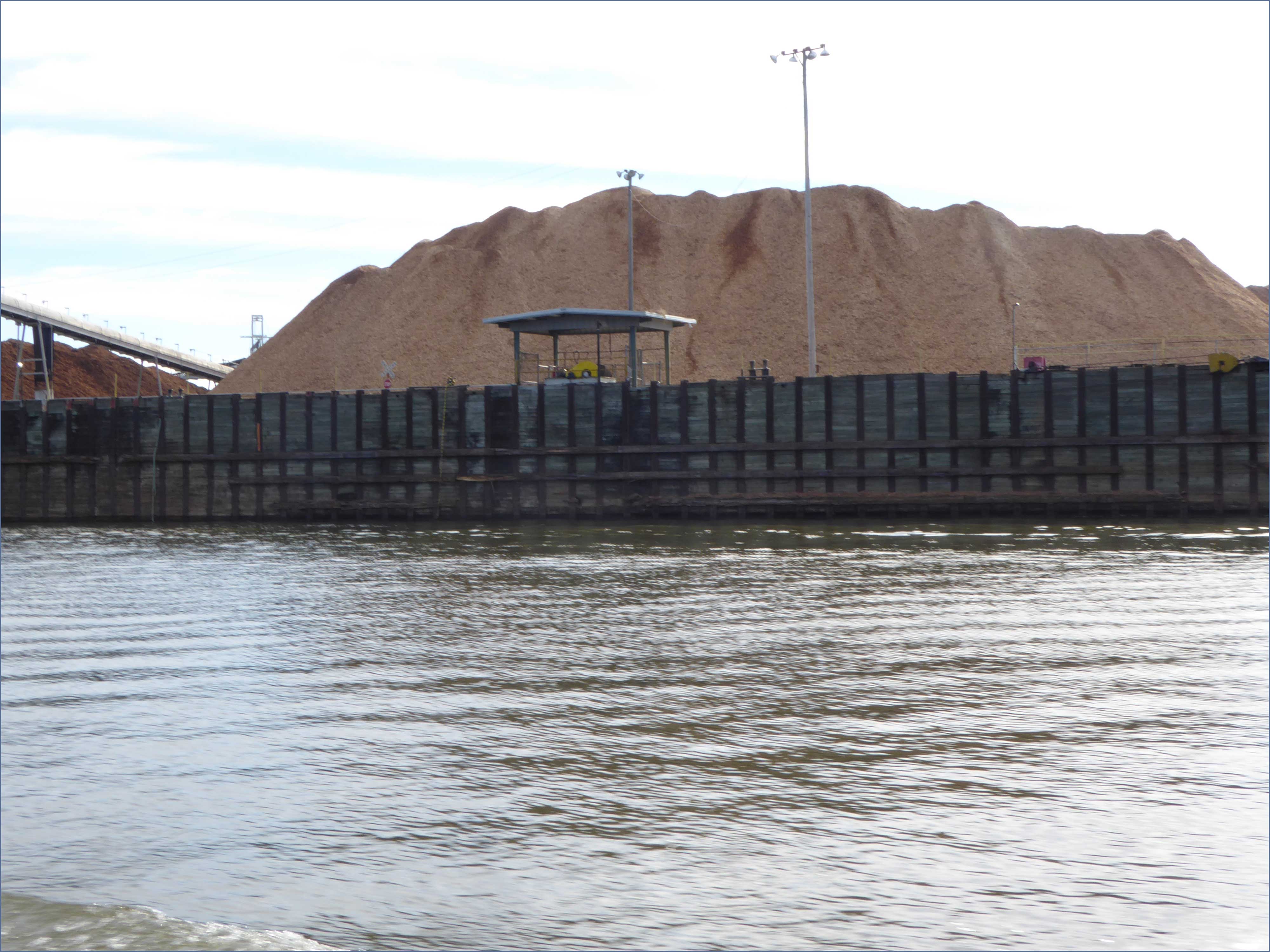
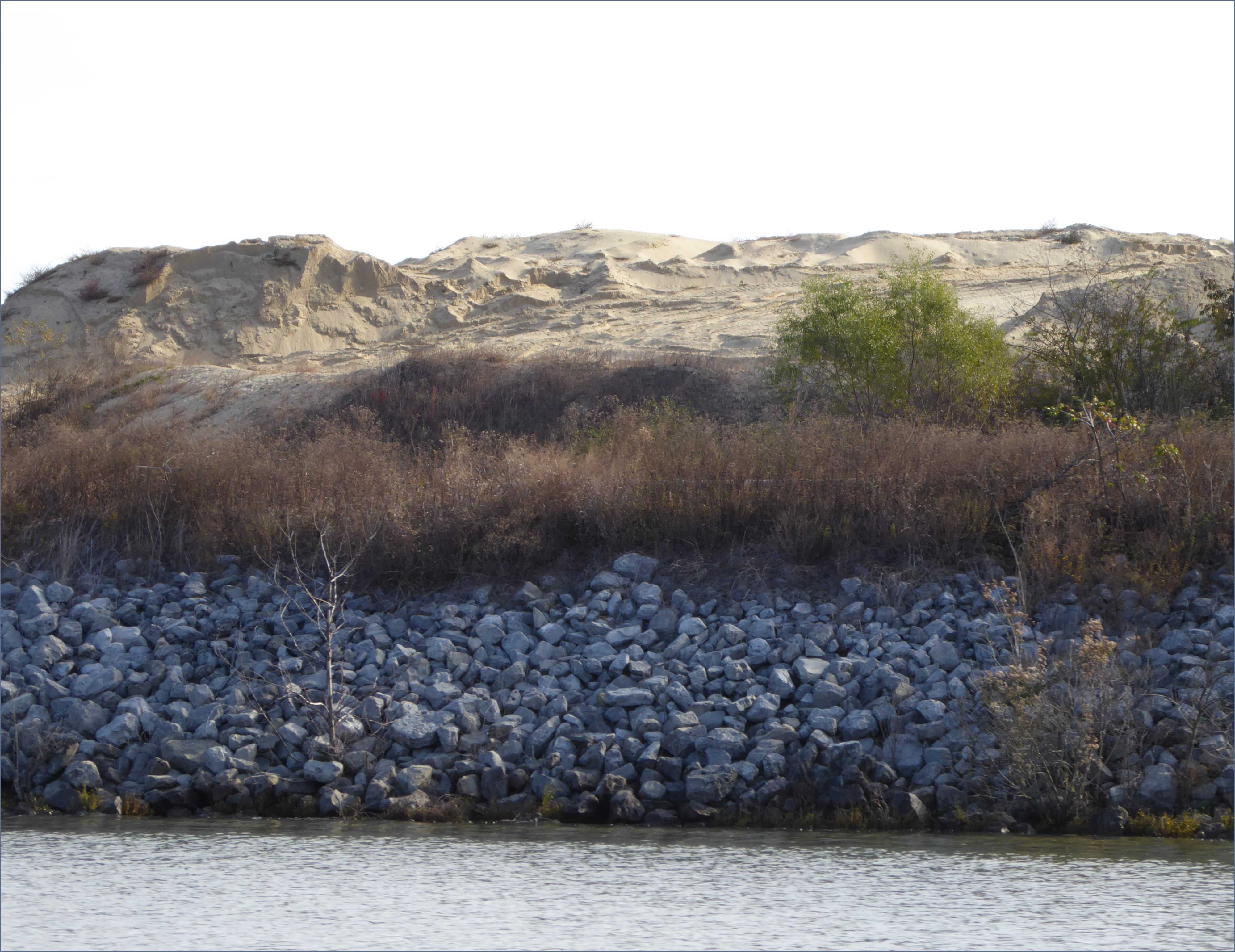
Continuing Down the Tenn-TomLoading BargesWood ChipsMississippi Sand Dunes
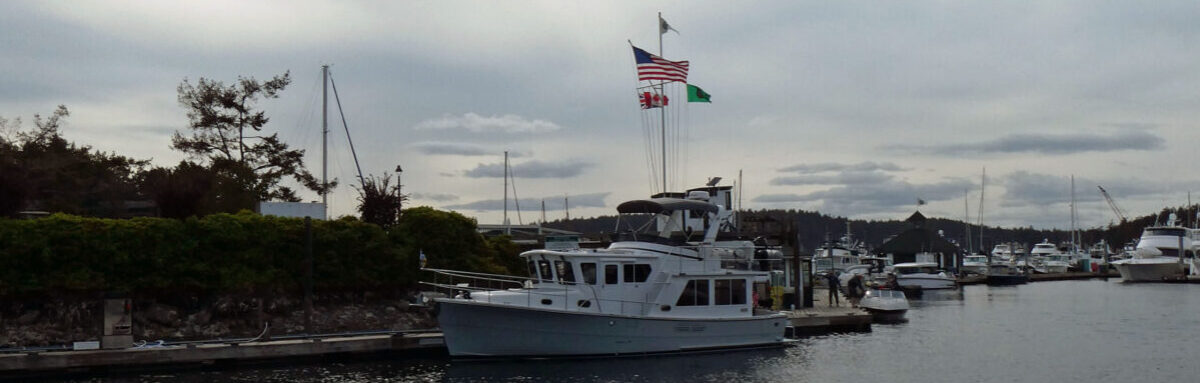
At the end of the day, Avocent, Aurora B, and Andiamo all pulled into the Columbus Marina at Columbus, MS. There are several looper boats spending time here while their owners have left for the Holiday Weekend. Only Dream Fever was here with her owners, Andy and Cathy, aboard.
Dream Fever joined us for docktails on Avocent. They will be leaving in the morning but Avocent (Dick & Phyllis), Aurora B (Wayne & Alyce), and Andiamo (Rick & I) plan to celebrate Thanksgiving here at Columbus Marina.
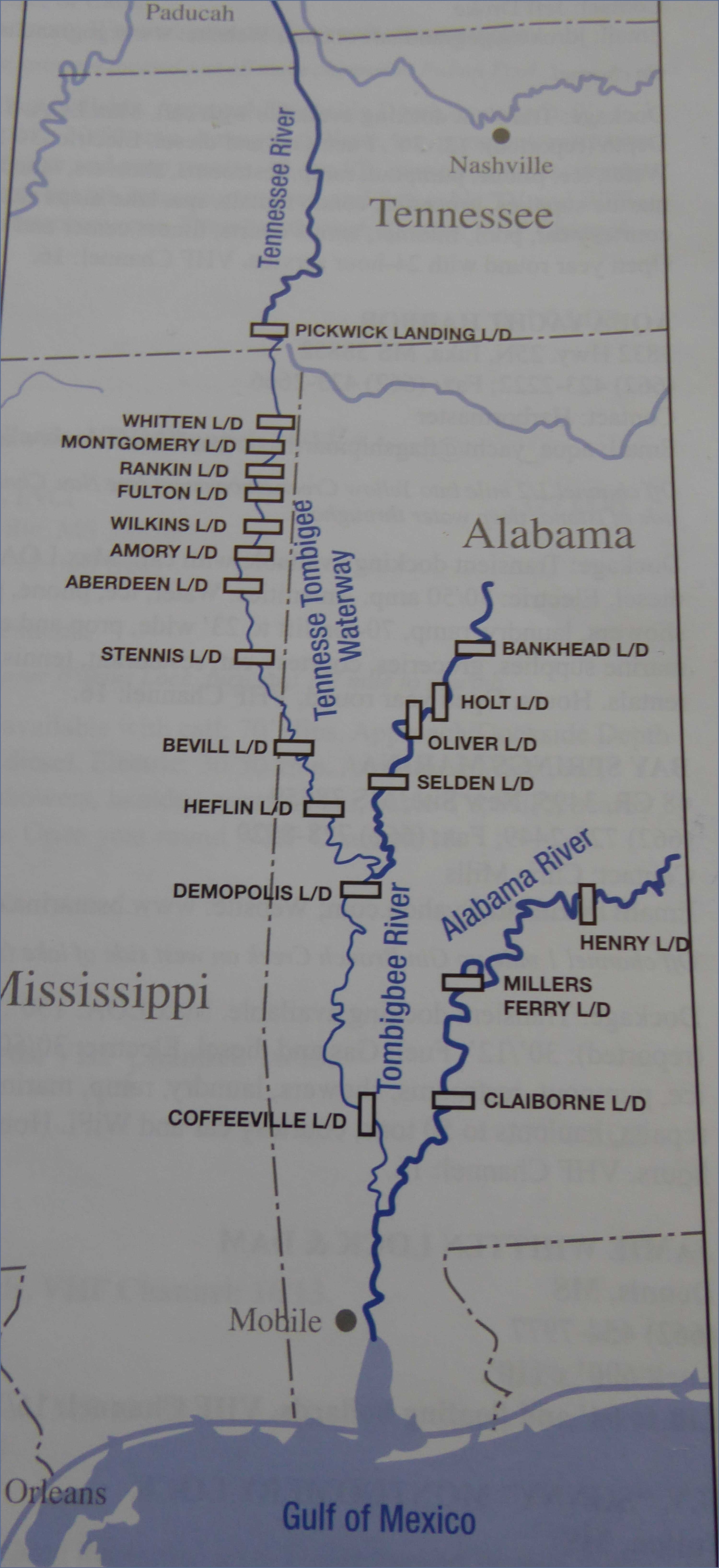
From the beginning of the Tennessee-Tombigbee (Tenn-Tom), to the Black Warrior-Tombigbee, to Mobile Bay is just over 470 miles. Sunday we started this portion of our journey. The Tenn-Tom Waterway is divided into three sections: Divide Cut, Canal Section, and River Section. The Divide Cut is 25 miles long, 280 feet wide, and provides a 9 –foot navigation channel, we found this not to be accurate, more on that later. The Canal Section is 52 miles long and connects dams and pools to form a 300 x 9-foot waterway. The 149 mile River Section connects the Tenn-Tom to the Black Warrior River at Demopolis, Alabama.
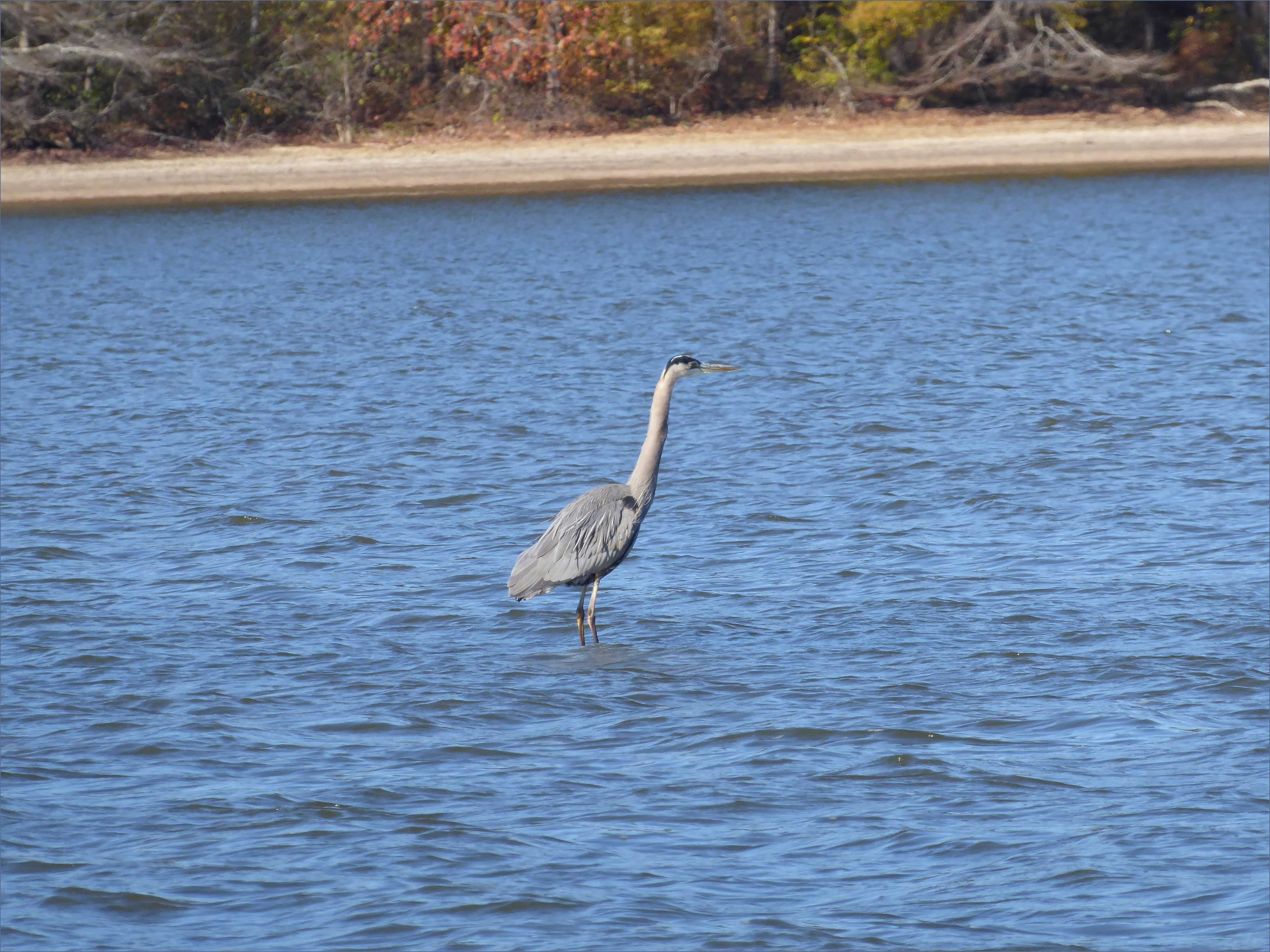
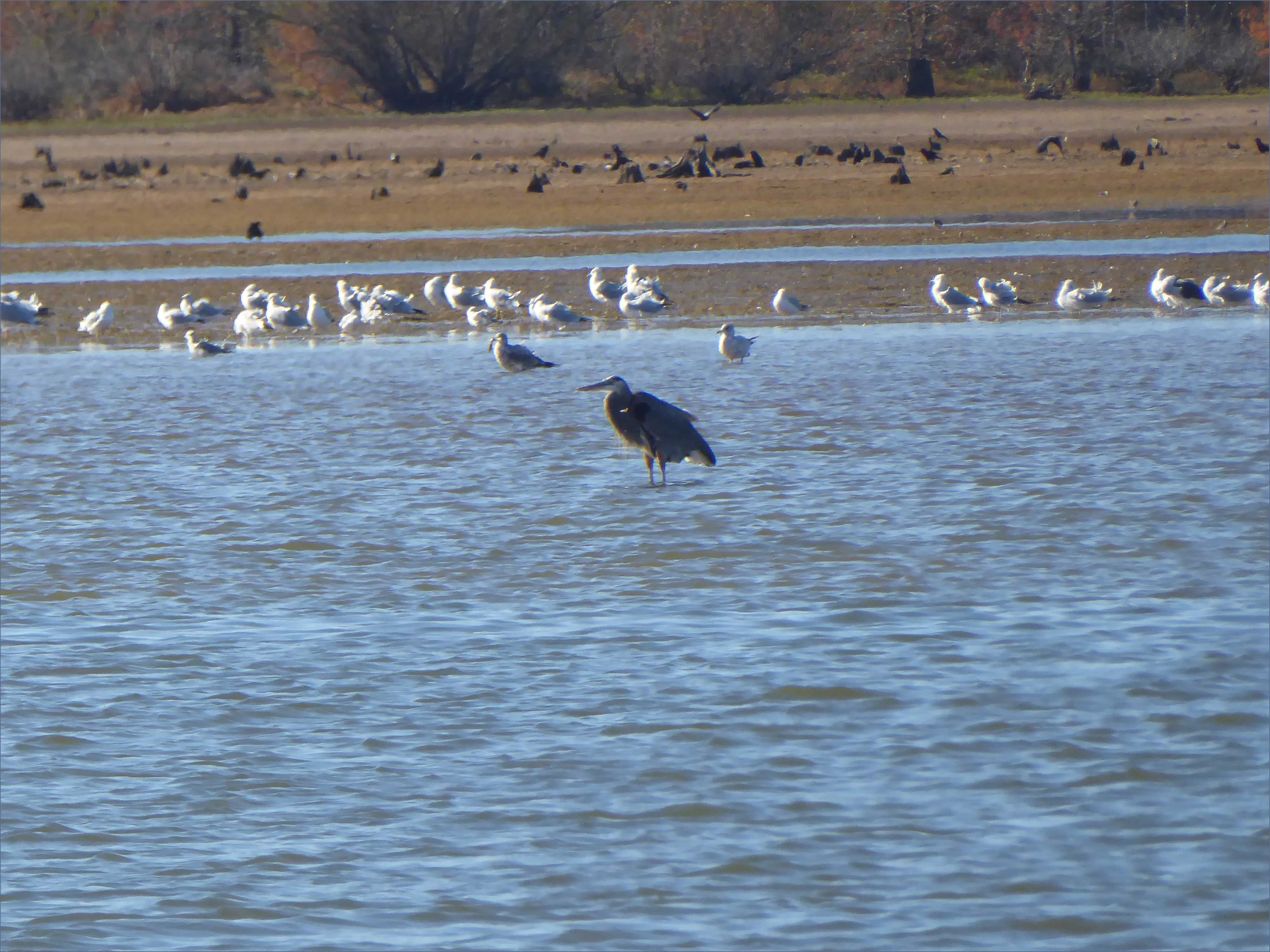
From Grand Harbor Marina to the beginning of the Divide Cut, we were surrounded by birds, we saw more Great Blue Heron in that section than we’ve ever seen in one stretch, I counted 35 but I’m sure there were more.
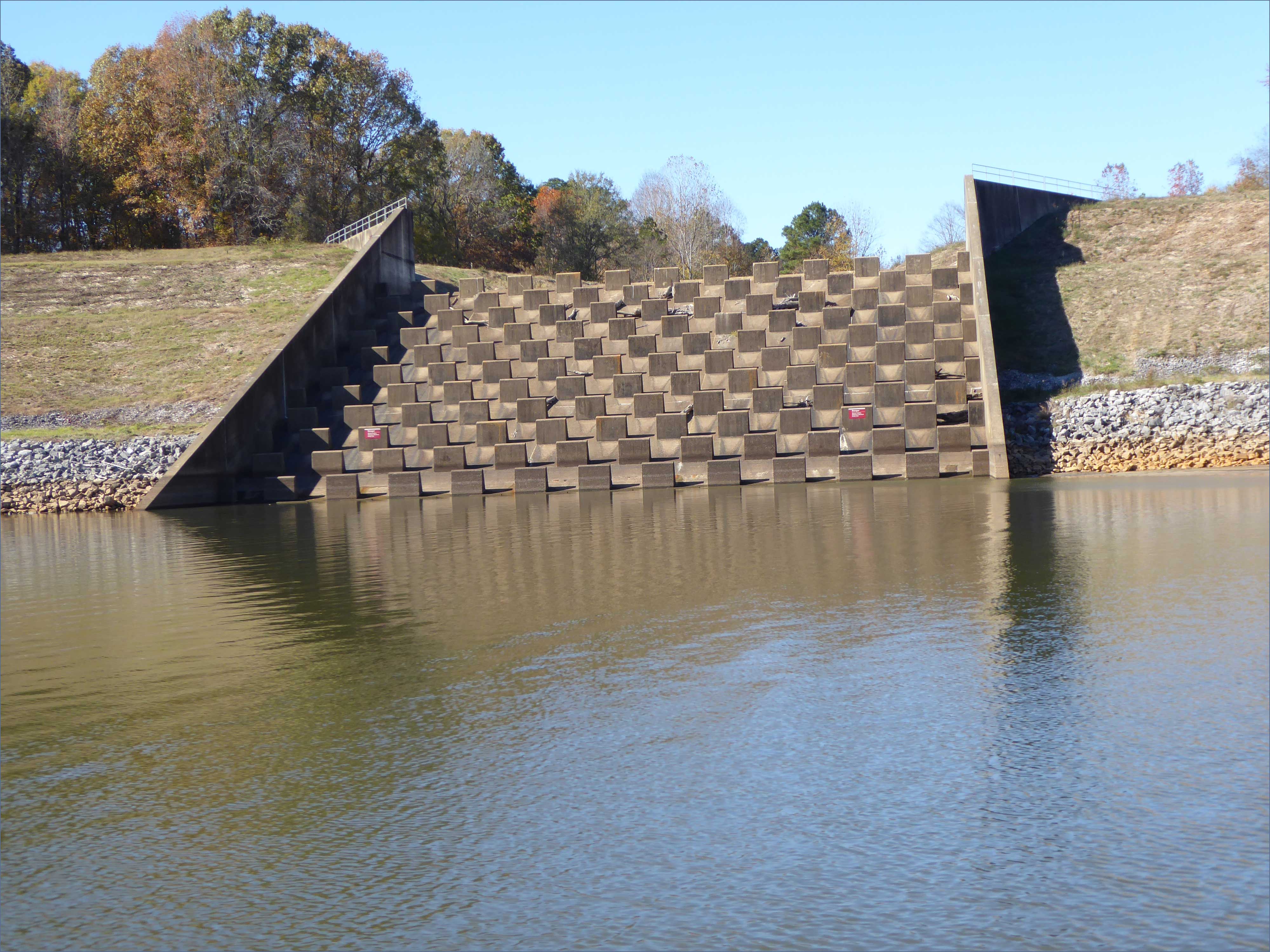
Baffles on the Divide Cut – Baffles are used to prevent creeks from “rushing” into the cut.
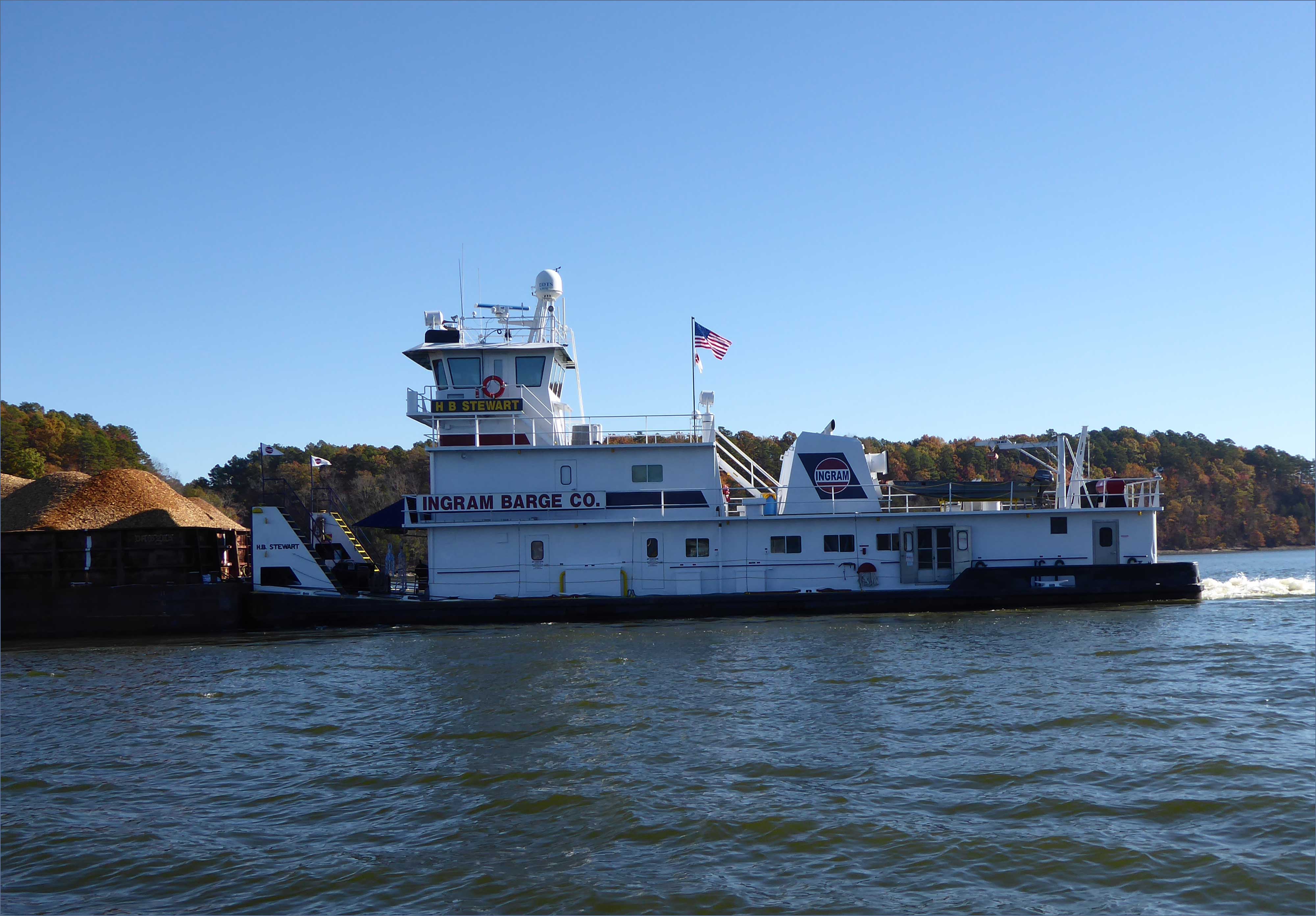
We started the cut with the tug H.B. Steward coming out, we passed him on the “one” and continued down the cut.
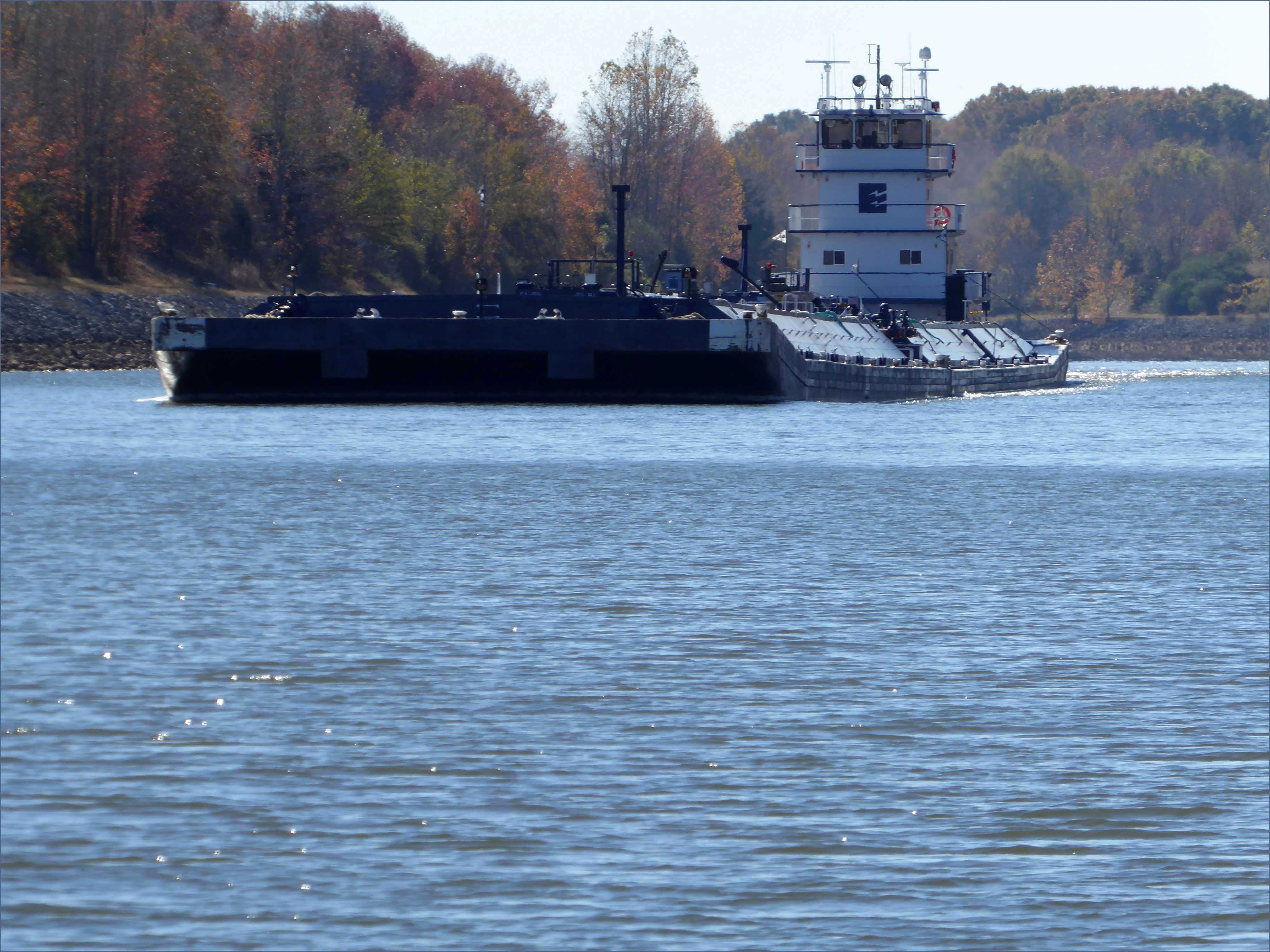
We soon noticed that we would not always have “at least 9 feet” of water beneath us and that if we had to give-way to a large tug we might be in trouble, but all went well when we meet tug Jack Binion.
Tug Jack Binion
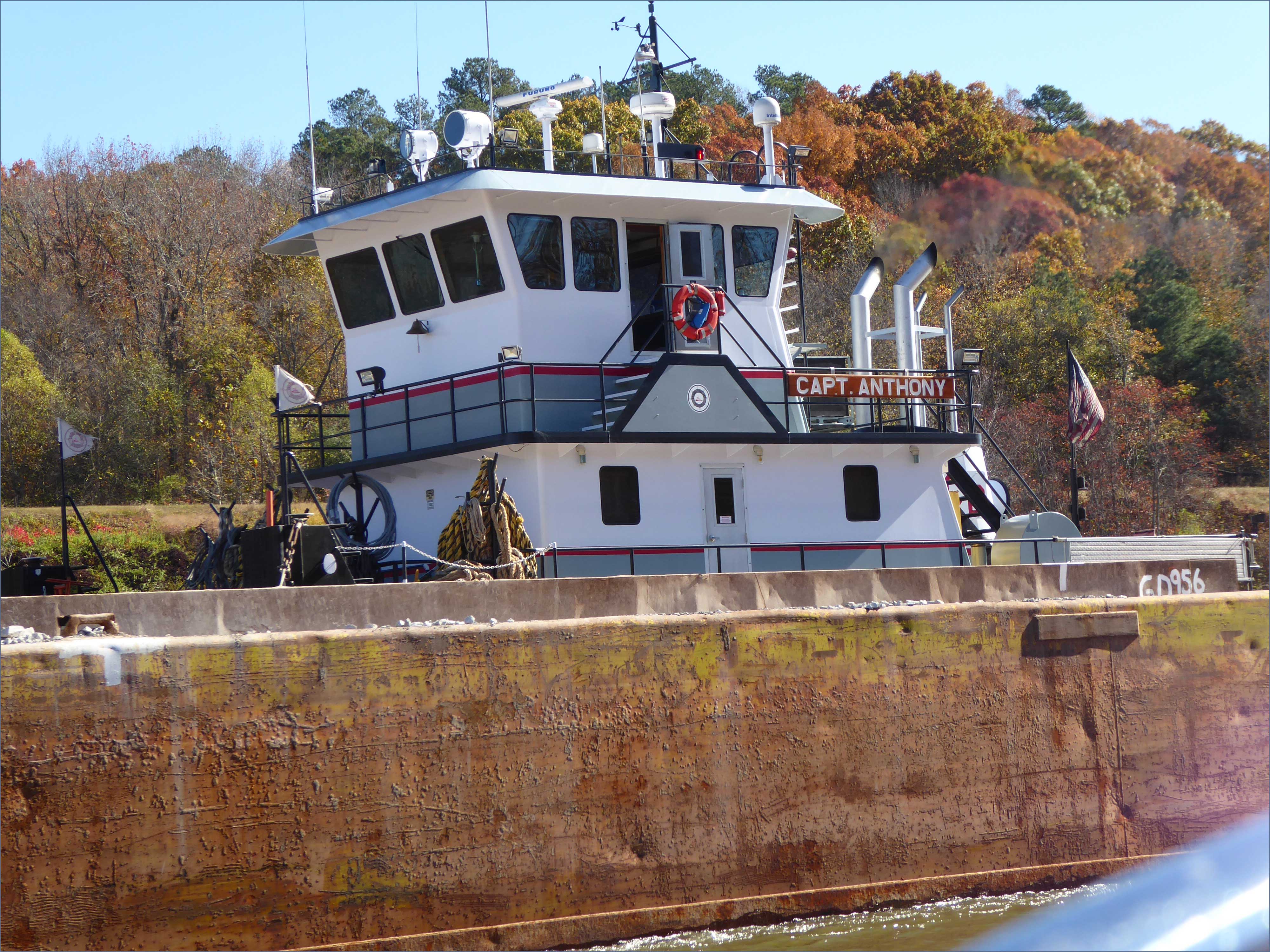
However, at 10:55 am (mm 437), we met Captain Antony, as he requested, we went to the “one,” Andiamo kissed the bottom, and we were grounded.
Tug Captain Antony
Fortunately, we were able to use his wake to power off and continue downstream, we yearned to emerge from the “Divide Cut” before encountering another tug. But then, along comes Creek in one of the most shallow portions of the divide. The captain asked us to pass on the “one” so we move to the west side of the canal. The captain changes his mind and asked us to pass on the “two” instead. It is very tight, we cross to the other side of the canal, held where we are in 3 feet of water and he continued upstream.
Tug Binion
Having completed the “Divide Cut,” we pulled into Bay Springs Marina, checked in, filled the fuel tank, and spent a lovely evening, Andiamo even got a covered slip.
Bay Springs Marina – New Site, MS. Special treatment for Andiamo, this is her first time in a covered birth.
At Mile Maker 414 on the Tenn-Tom Waterway, we passed a Natchez Trace Parkway recreation area. The Natchez Trace Parkway, competed in 2005, commemorates the most significant highway of the Old South. Over 400 miles of the original Old Trace footpath went through Chickasaw, Choctaw, and Natchez territory. Famous travelers from our history books included Gen Andrew Jackson, Jefferson Davis, John James Audubon, Ulysses S. Grant and Meriwether Lewis, who died on the Trace at Grinder’s Stand in 1809.
This national scenic byway extends 444 miles through Tennessee, Mississippi, and Alabama, crossing four distinct ecosystems and eight major watersheds. It is a major habitat for nearly 1,500 species of plants, 33 mammal species, 134 bird species and 70 species of reptiles and amphibians.
We spent 3 nights and two full days at Grand Harbor Condos and Marina, one visiting civil war sites & provisioning and one working on the boat & planning our trip to the Gulf.
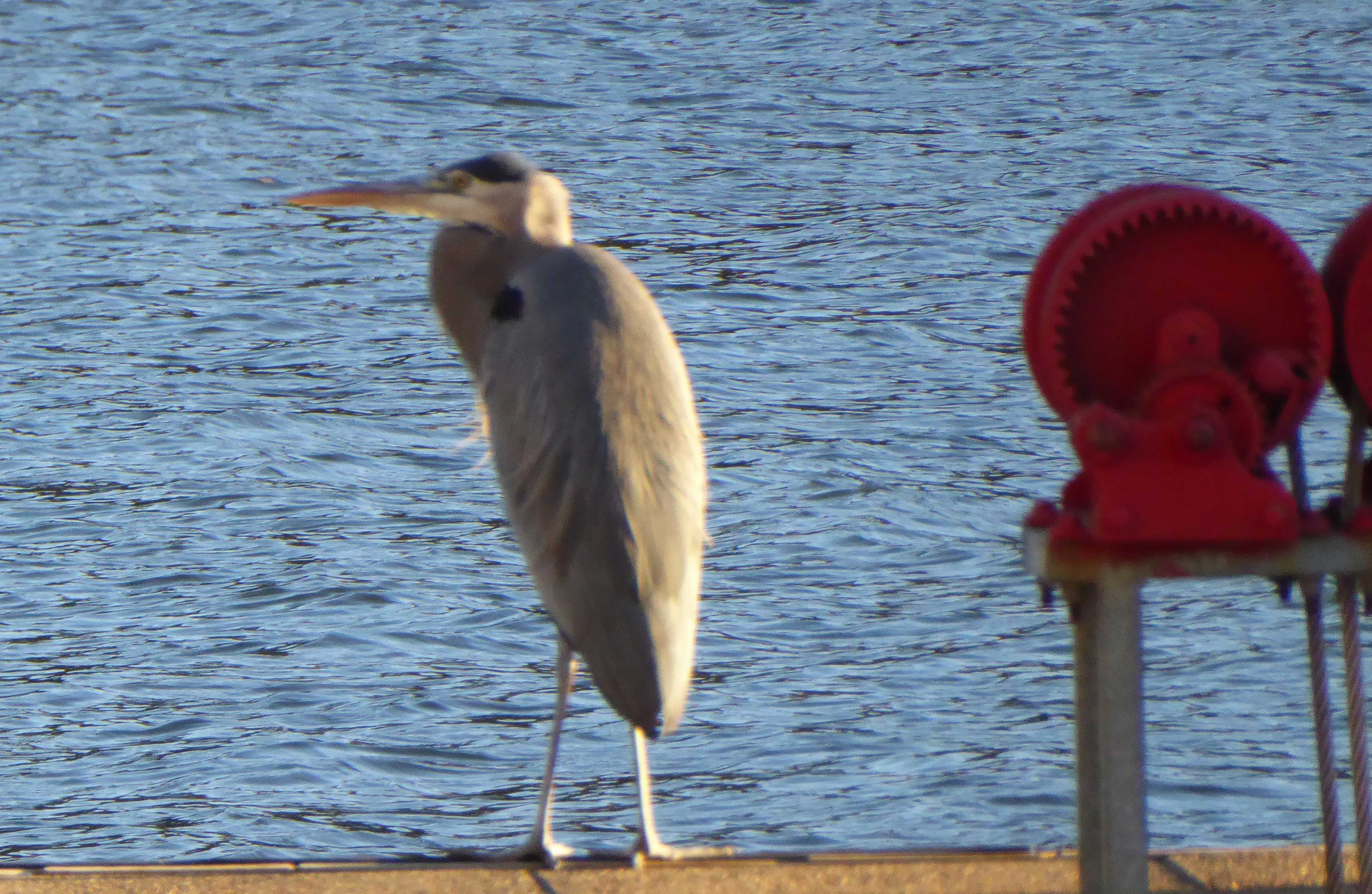
I really enjoyed our friend Charlie. It seemed that he was with us every evening and early morning.
Charlie in the Early EveningCharlie in the Early Morning: It seemed he spent the whole night fishing next to our boat.
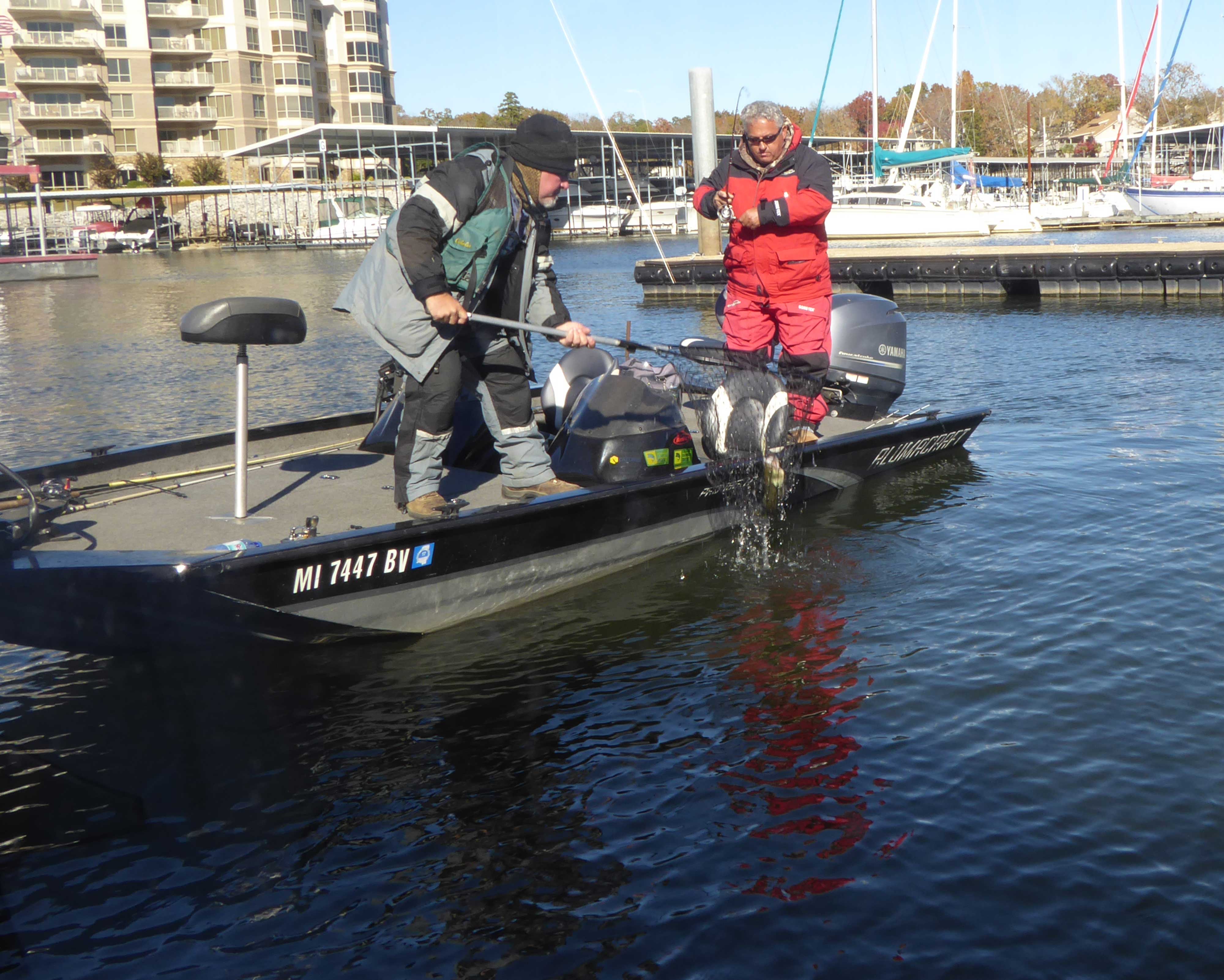
It seems that Charlie wasn’t the only one interested in fishing near our boat. These fishermen were a mere 15 inches from our boat as they swept up a large-mouth bass and only inches away from Andiamo before they had their boat under control…Charlie would never have gotten that close.
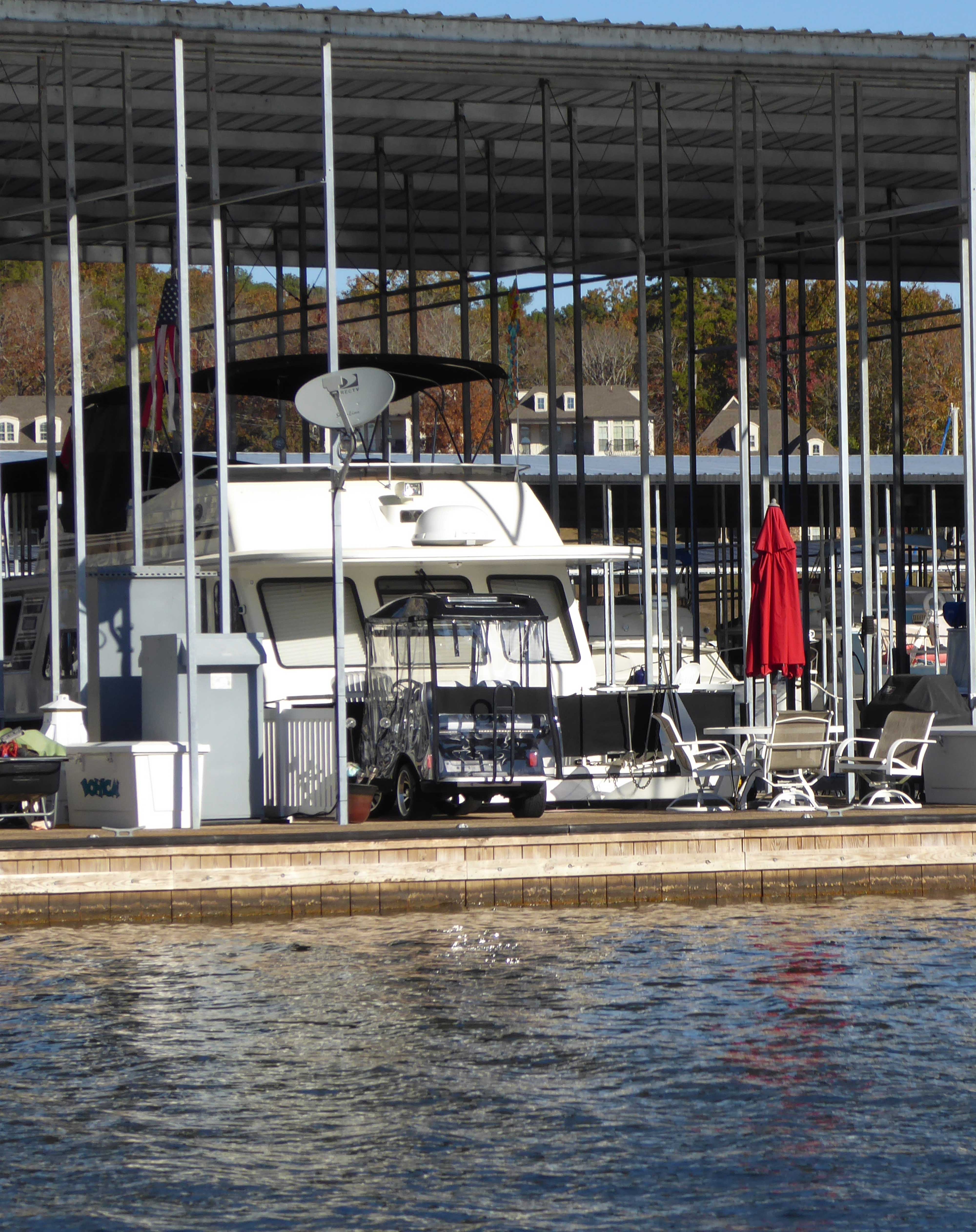
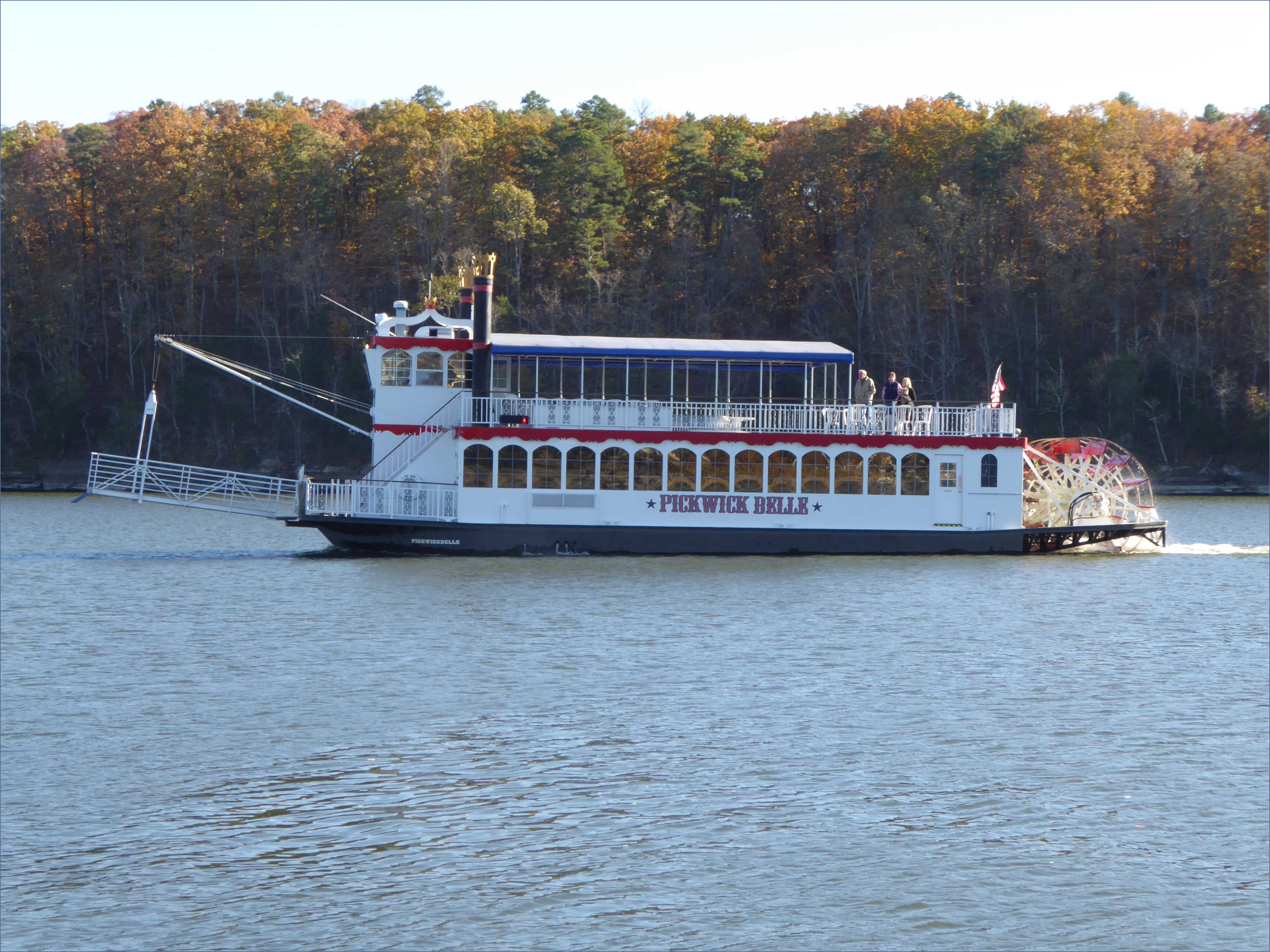
Our first marina with golf carts. Inch-n-Along just finished the loop: this is their home port.Pickwick Paddle Boat
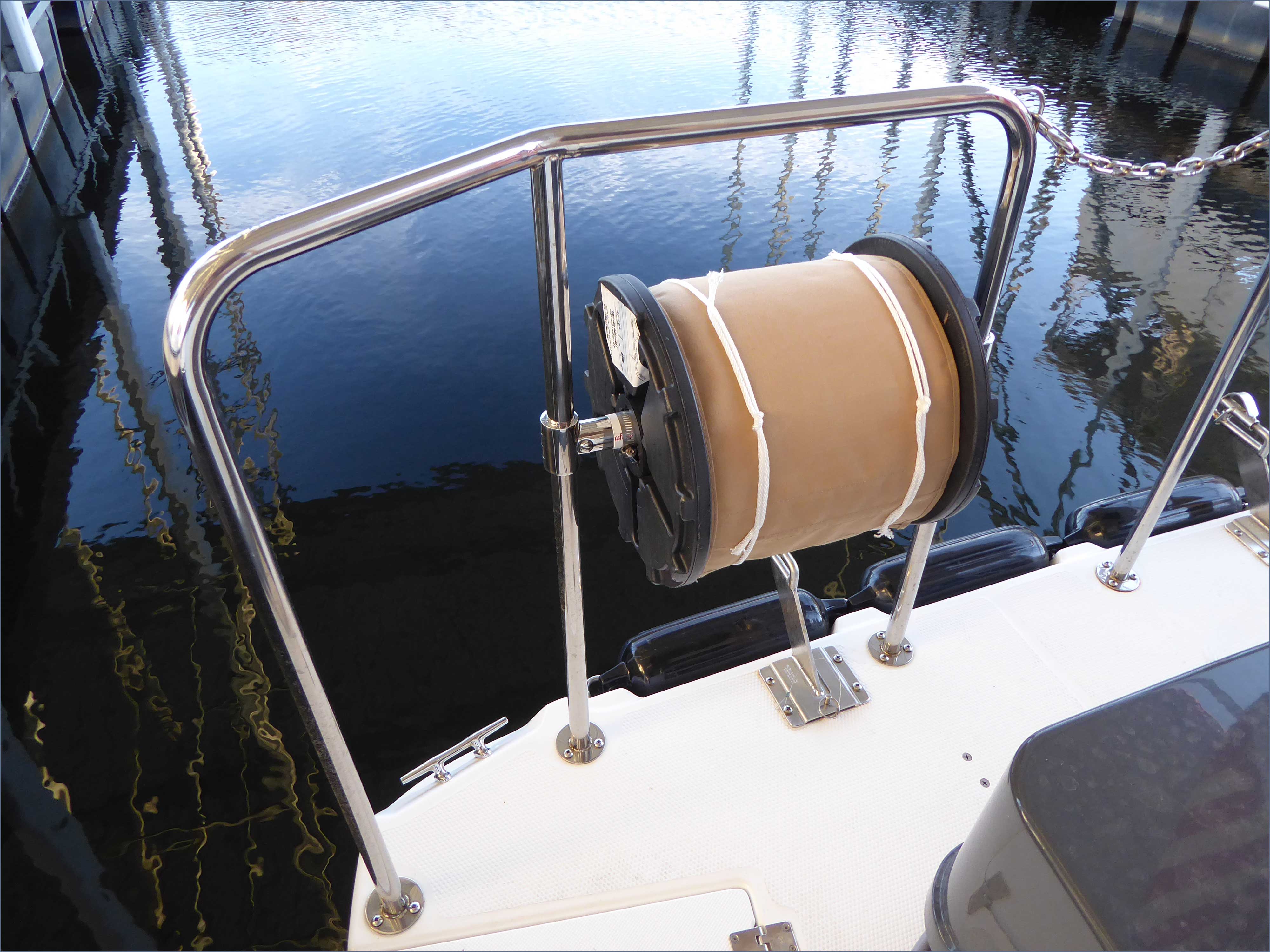
The man-made, Tenn-Tom Waterway connects the Tennessee River at Pickwick Lake with the Tombigbee River at Demopolis, AL. The Black Warrior-Tombigbee connects Demopolis to Mobile, AL. As Rick installed our stern line, cleaned and inflated the fenders and kayaks, I created a semi-plan to the gulf. With the days being shorter, and the desire to move quickly not part of our vocabulary, it will take us between two to three weeks to reach the gulf. We will be at marinas at the beginning of this segment but anchored most of the time after Demopolis. If you don’t hear from us, it just means we are out of Internet and cell phone range.
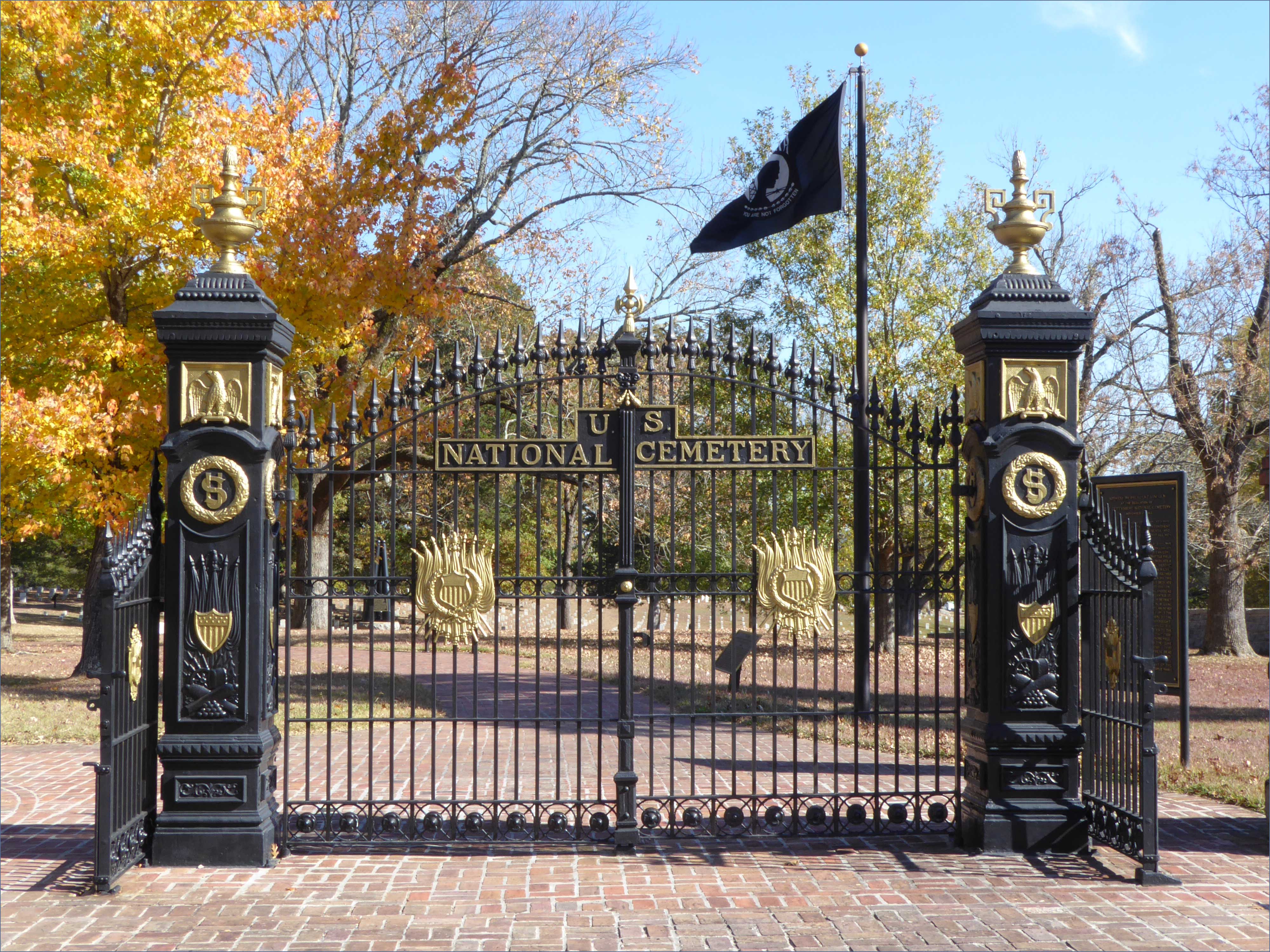
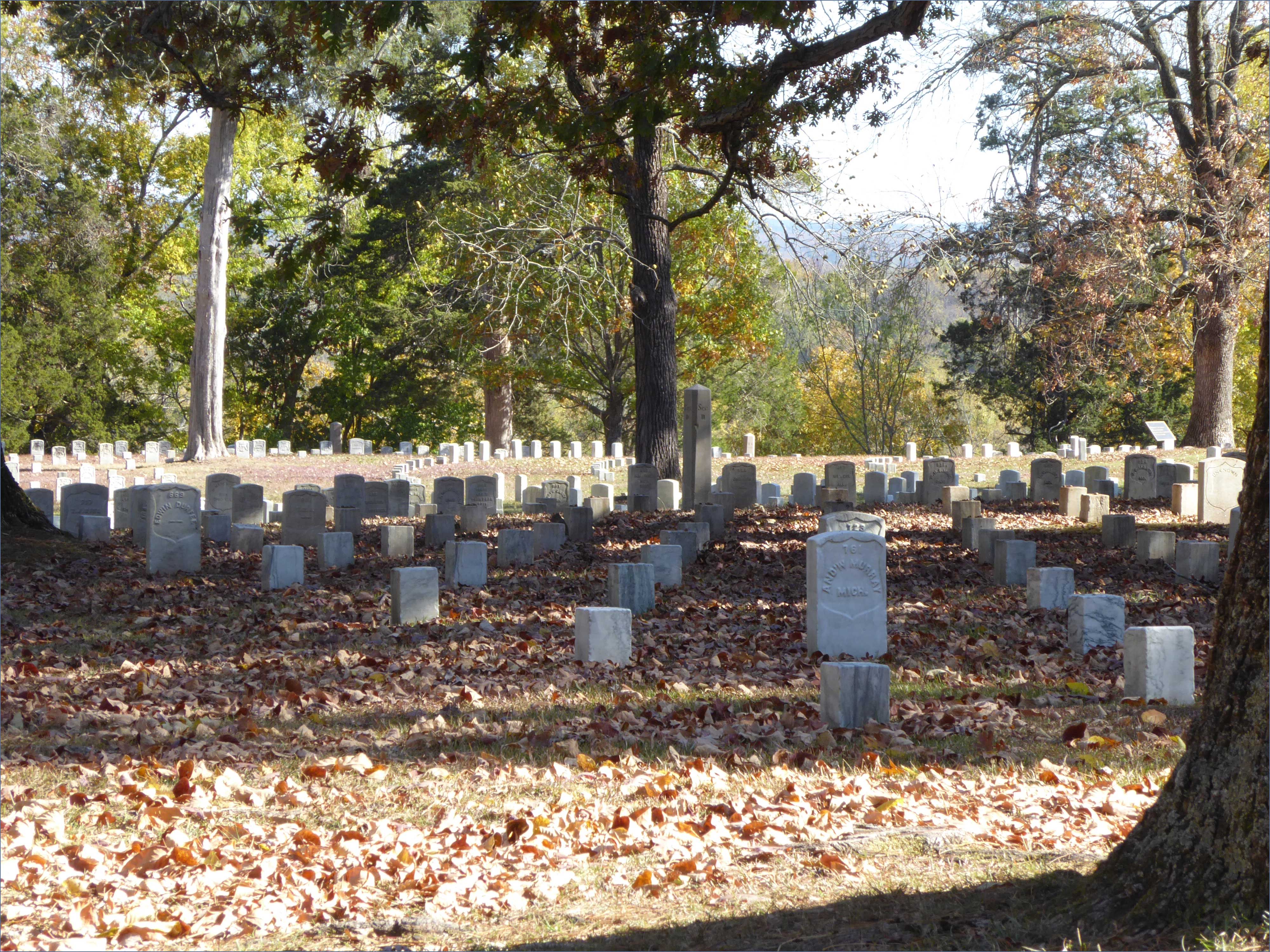
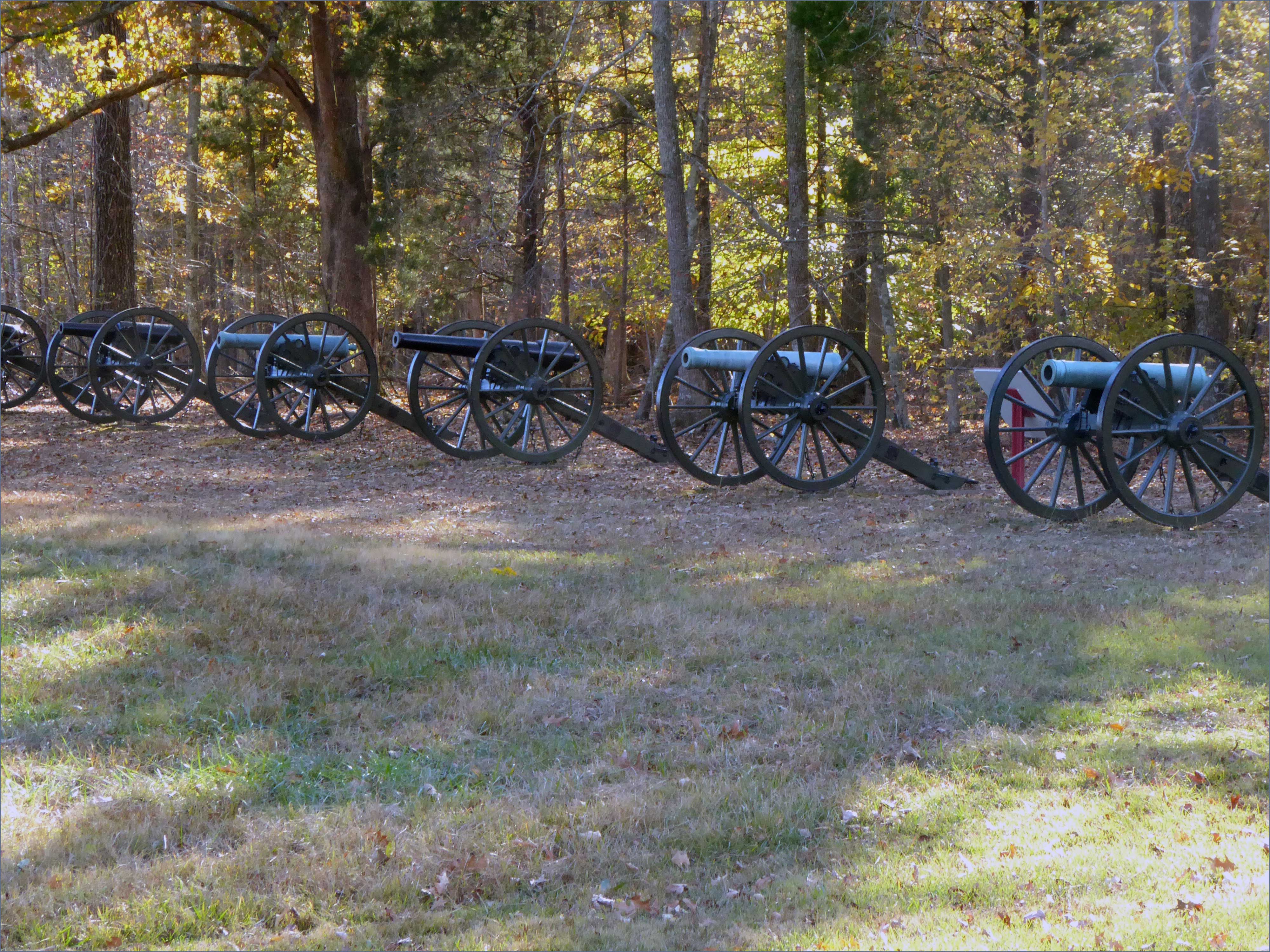
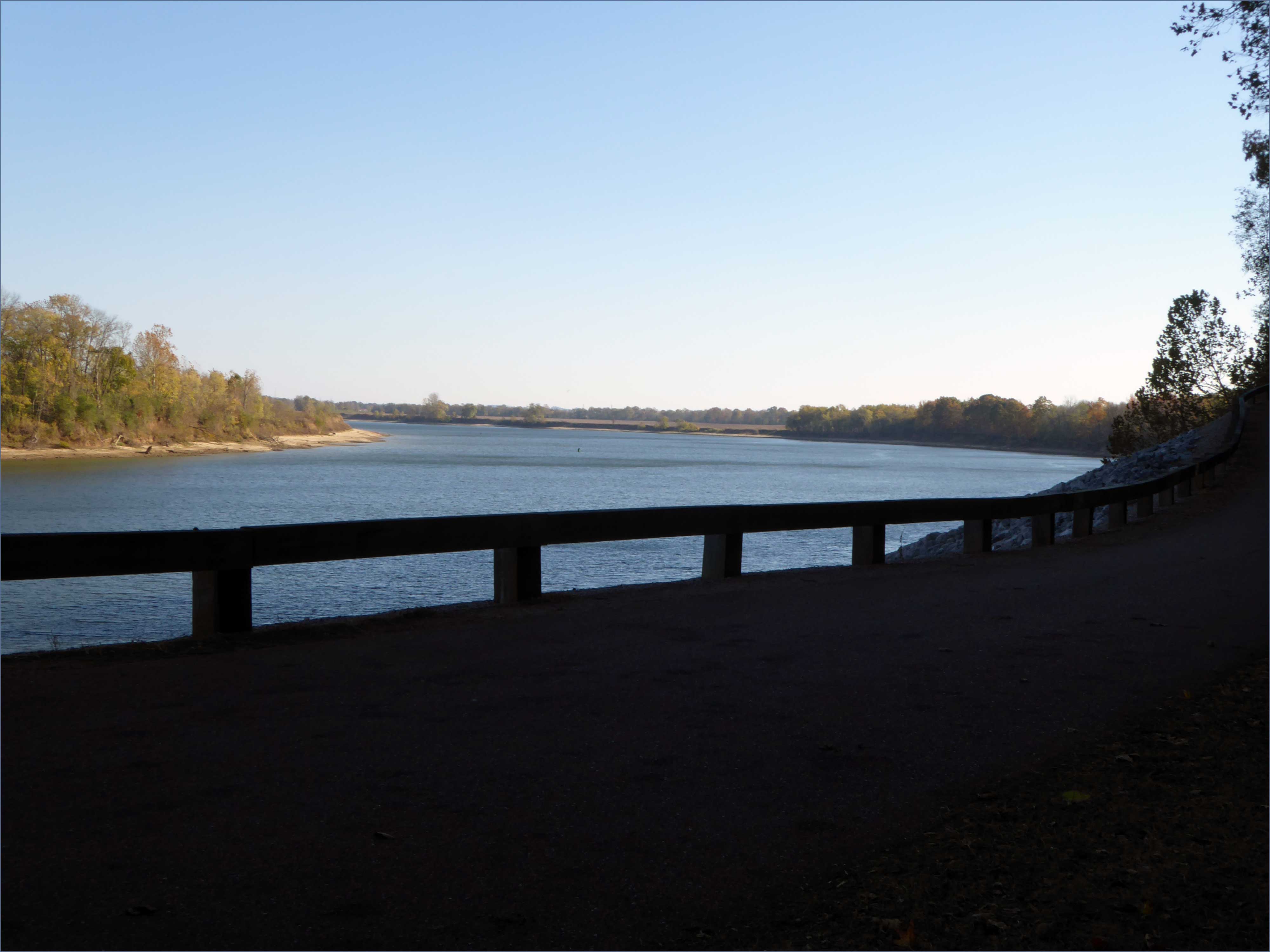
On Friday, Rick and I borrowed the marina’s courtesy van to visit Shiloh National Military Park and Corinth Civil War Interpretive Center.
Grand Harbor Courtesy VanShiloh National Military ParkUS National CemeteryUnion and Confederate Grave SitesShiloh CannonsPittsburg Landing on the Tennessee RiverCorinth Civil War Interpretive CenterCorinth Civil War Interpretive CenterCorinth Civil War Interpretive Center
If you are ever in this area, I highly recommend a visit to both sites, these sites are exceptional and provide a wealth of information on the civil war.
Civil War History (April 12, 1861 – May 9, 1865)
Both the Union and Confederate armies considered Corinth, MS, crossroads of the Memphis & Charleston and the Mobile & Ohio railroads, vital to their success. At the beginning of the war, the Confederate Army utilized Corinth as a mobilization center for Confederate troops. By March of 1862, Gen P.G.T. Beauregard had gathered nearly 44,000 troops at Corinth.
In March 1862, fresh from his successes at Forts Henry and Donelson, Maj Gen Grant disembarked his troops at Pittsburg Landing, TN with plans to advance on Corinth. However, on April 6th, the Confederate army seized the initiative and attacked the Union camps in the forest and fields around the Shiloh Meeting House. At the end of two days of fierce fighting, 23, 746 union and confederate soldiers were killed, wounded or missing. By the end of the war, approximately 620,000 soldiers would die from combat, accident, starvation, and disease.
After Shiloh, the Union advanced to Corinth. The Siege of Corinth, April 29th through May 30th, 1862 came to an end when the Confederates retreated and the Union took control of Corinth. As a result, the union also controlled the entire Mississippi River valley.
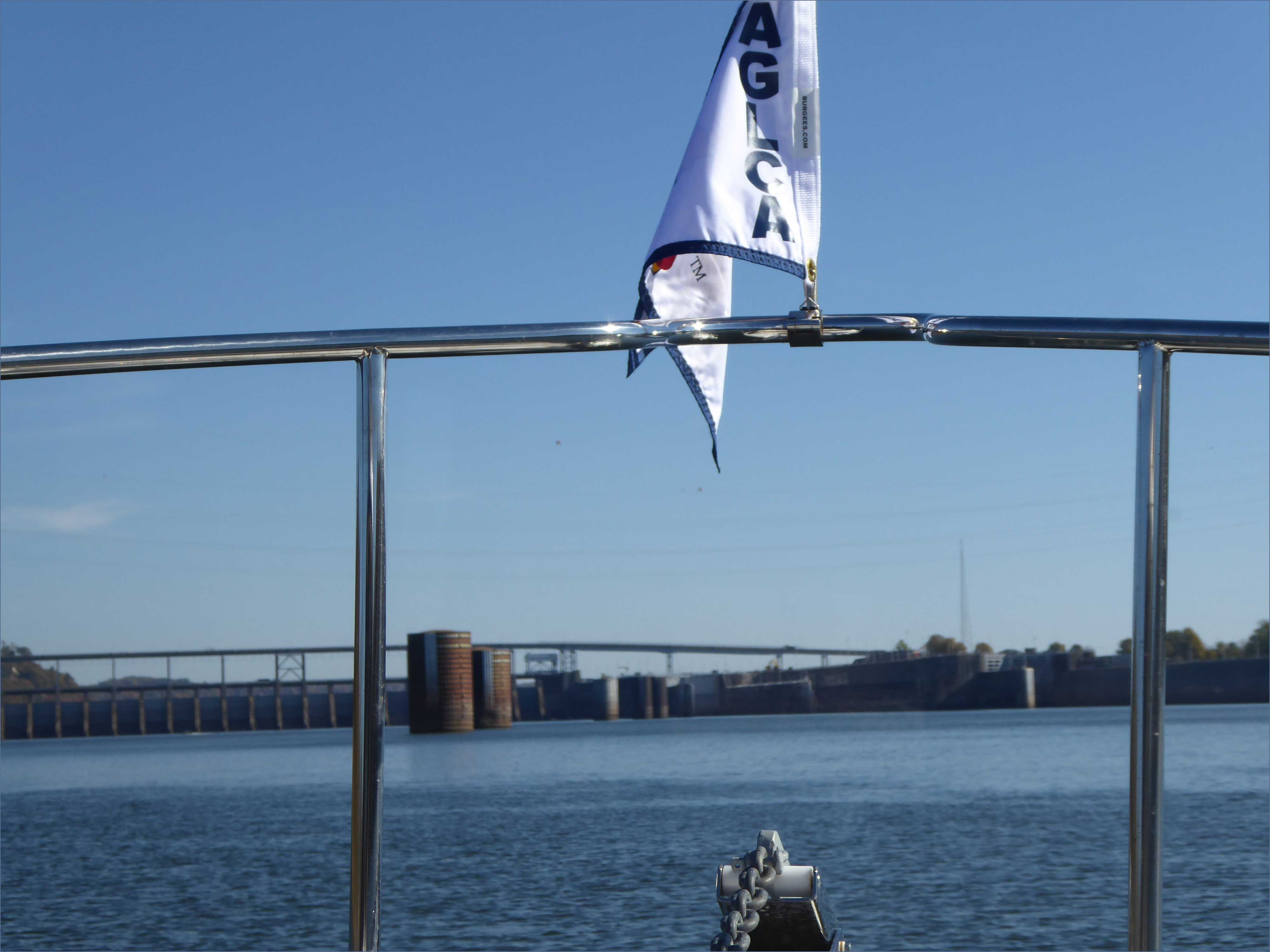
As we continue on our Great Loop adventure, we expect to transit at least 100 locks, Thursday was lock number one. The stories of good and bad lock passages are numerous on the Internet and with fellow Loopers. Wait time of hours, transiting in the dark, damage to your boat, bad weather, and unfriendly, if not hostile, lock masters. Today we locked up to Pickwick Lake and I’m delight to say that our transit was outstanding, Twenty-minute wait-time, no other boats in the chamber, bright sunny skies, and an awesome lock master. Kudo’s to the lock master, he not only made sure all was going well, he also entertained us with stories of other Loopers and about his trip to Idaho and Washington.
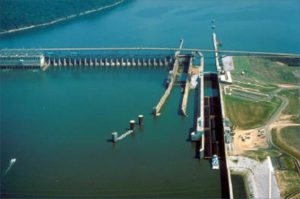
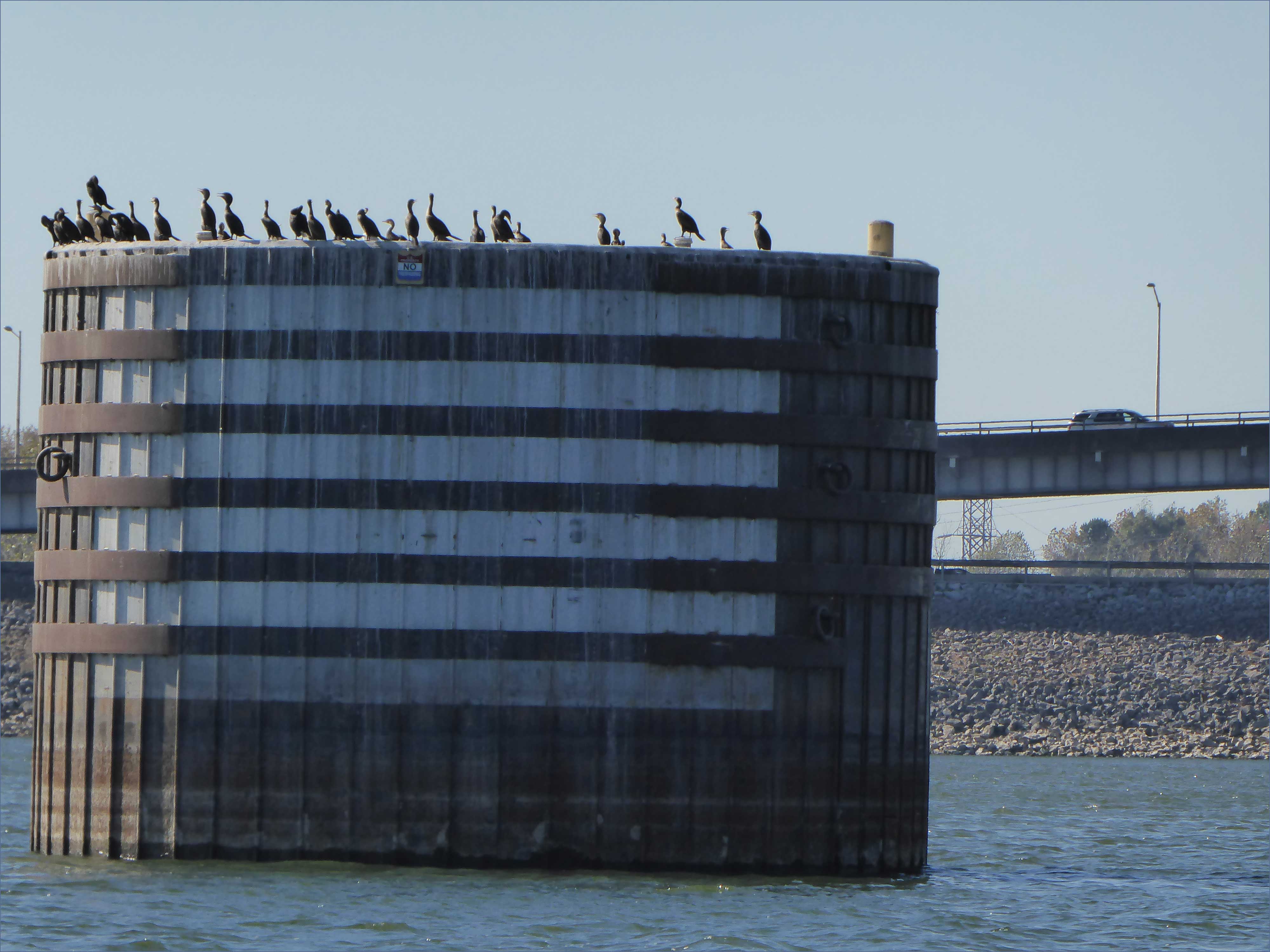
Entering Pickwick Dam and Locks – the two large cylinders are moorage cells for tugs to use as they wait to go though the lock. Mile Marker 206.7Picture from US Army Corp of Engineers for more infor see the TVA Website. We were in the left lock.Our Audience
After exiting the lock, we continued to Tennessee River mile 215.1 where the Tennessee River goes east. We turned into Yellow Creek at the Mississippi and Tennessee State border and we continued south on the Tennessee-Tombigbee (Tenn-Tom).
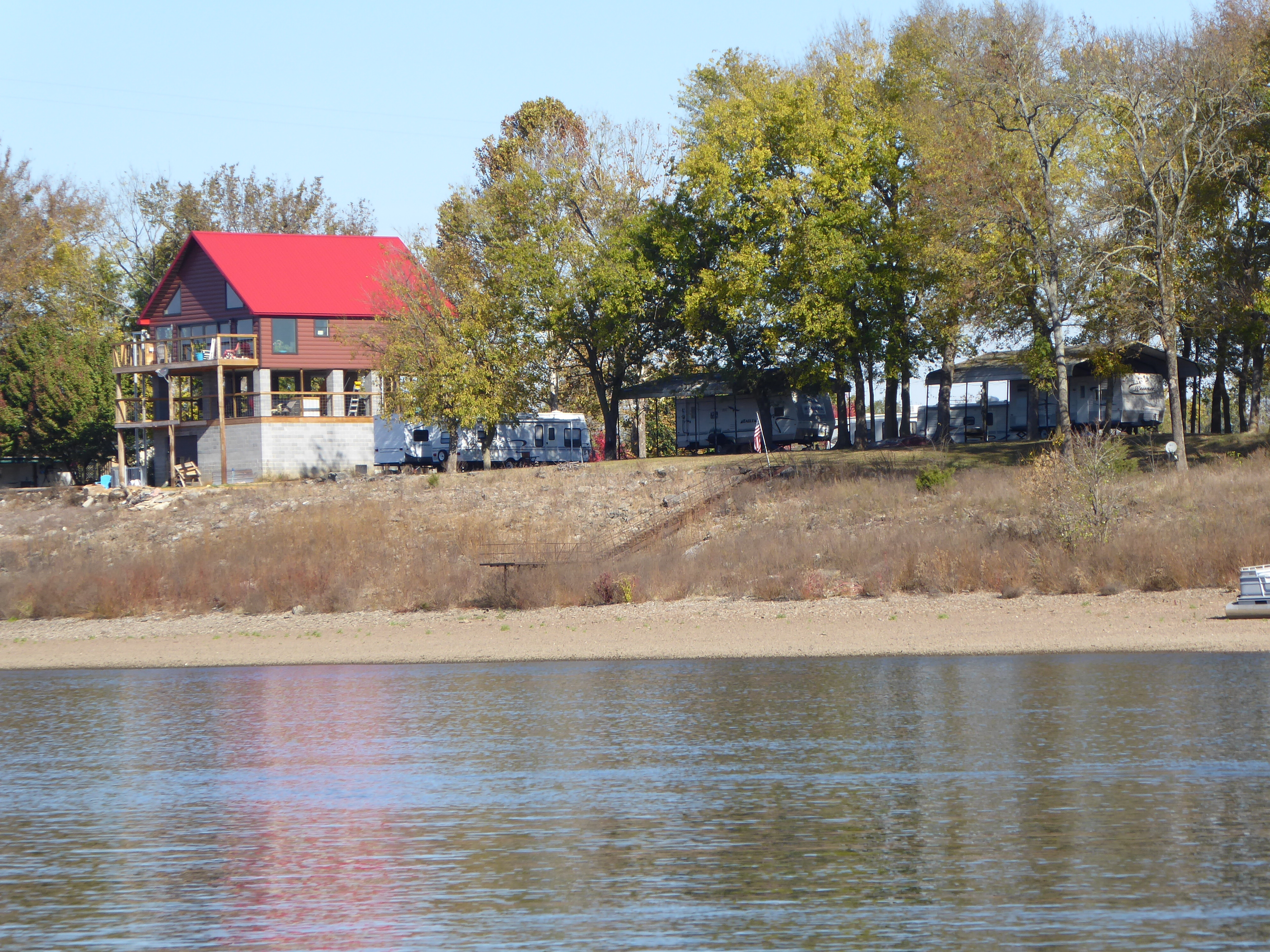
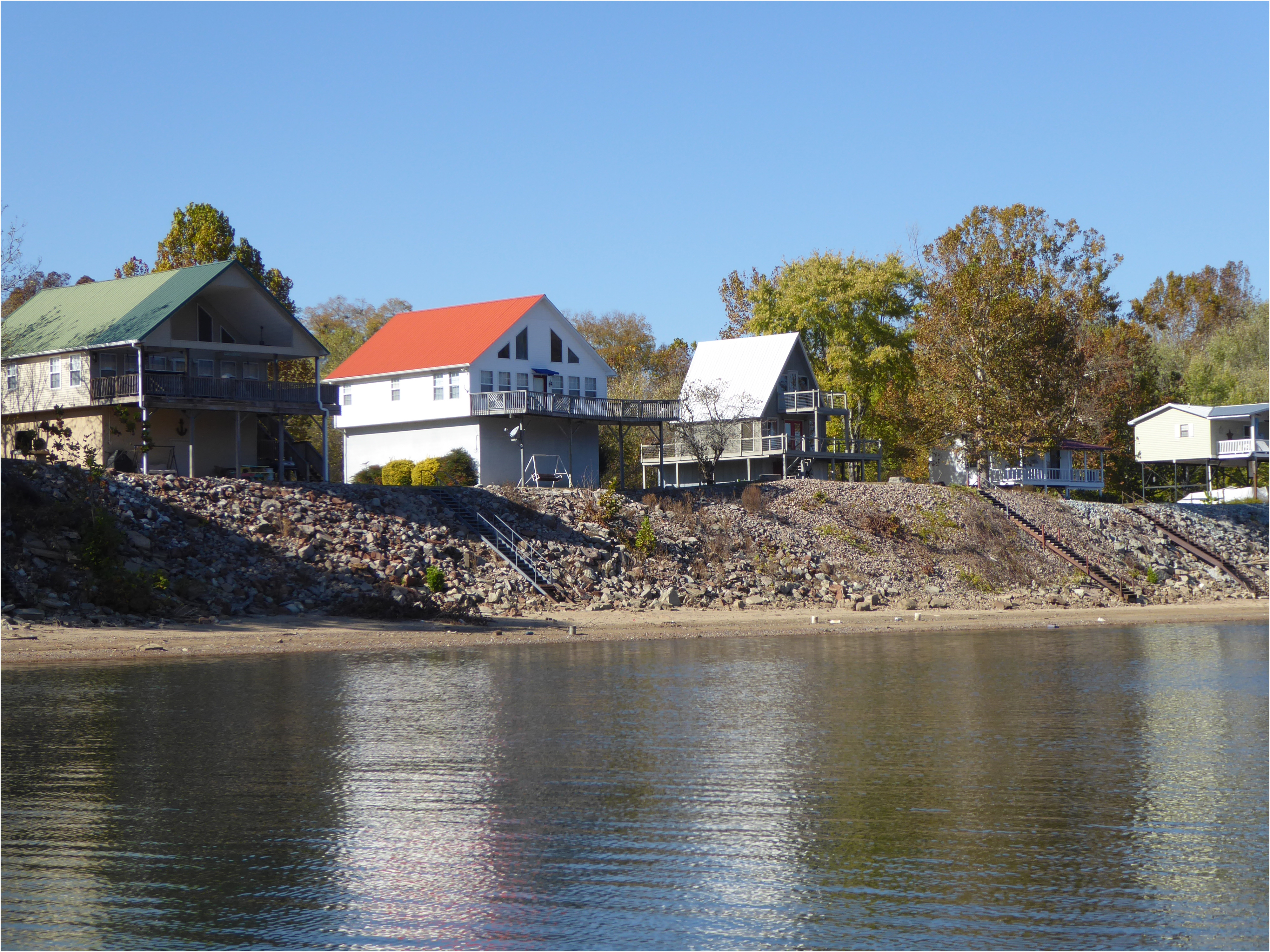
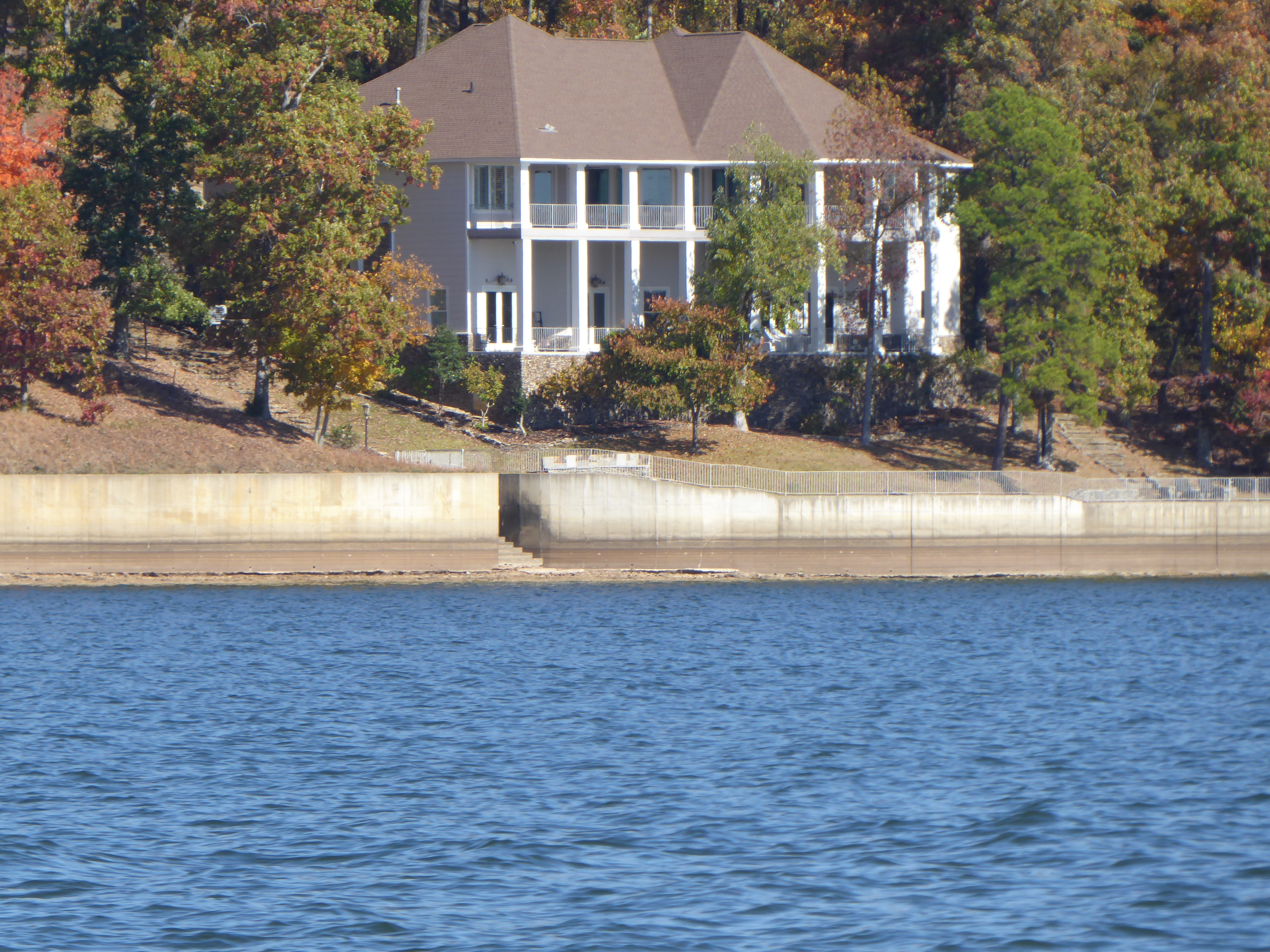
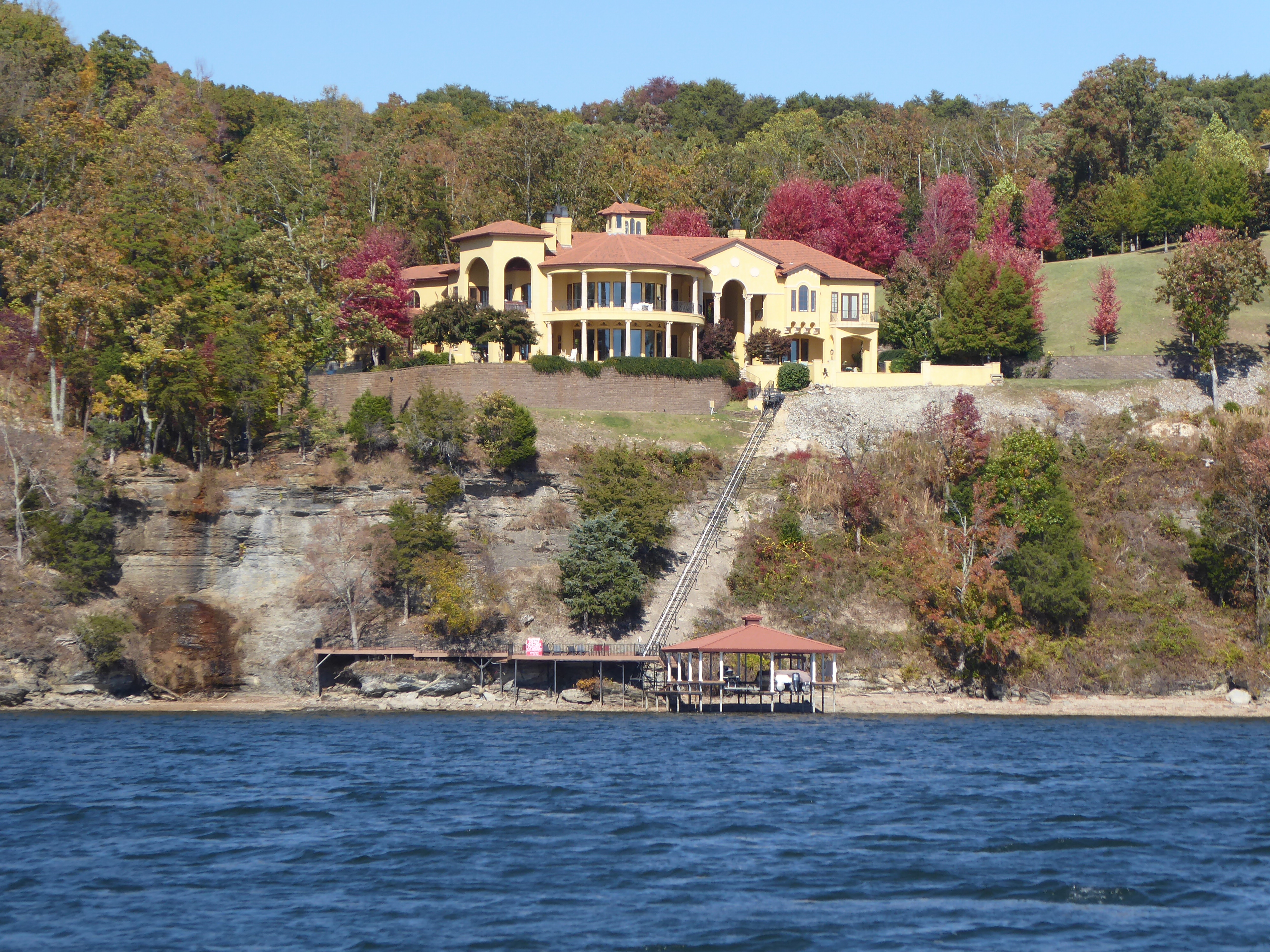
Below are pictures of some of the houses along the Tennessess River. Lots of diversity.

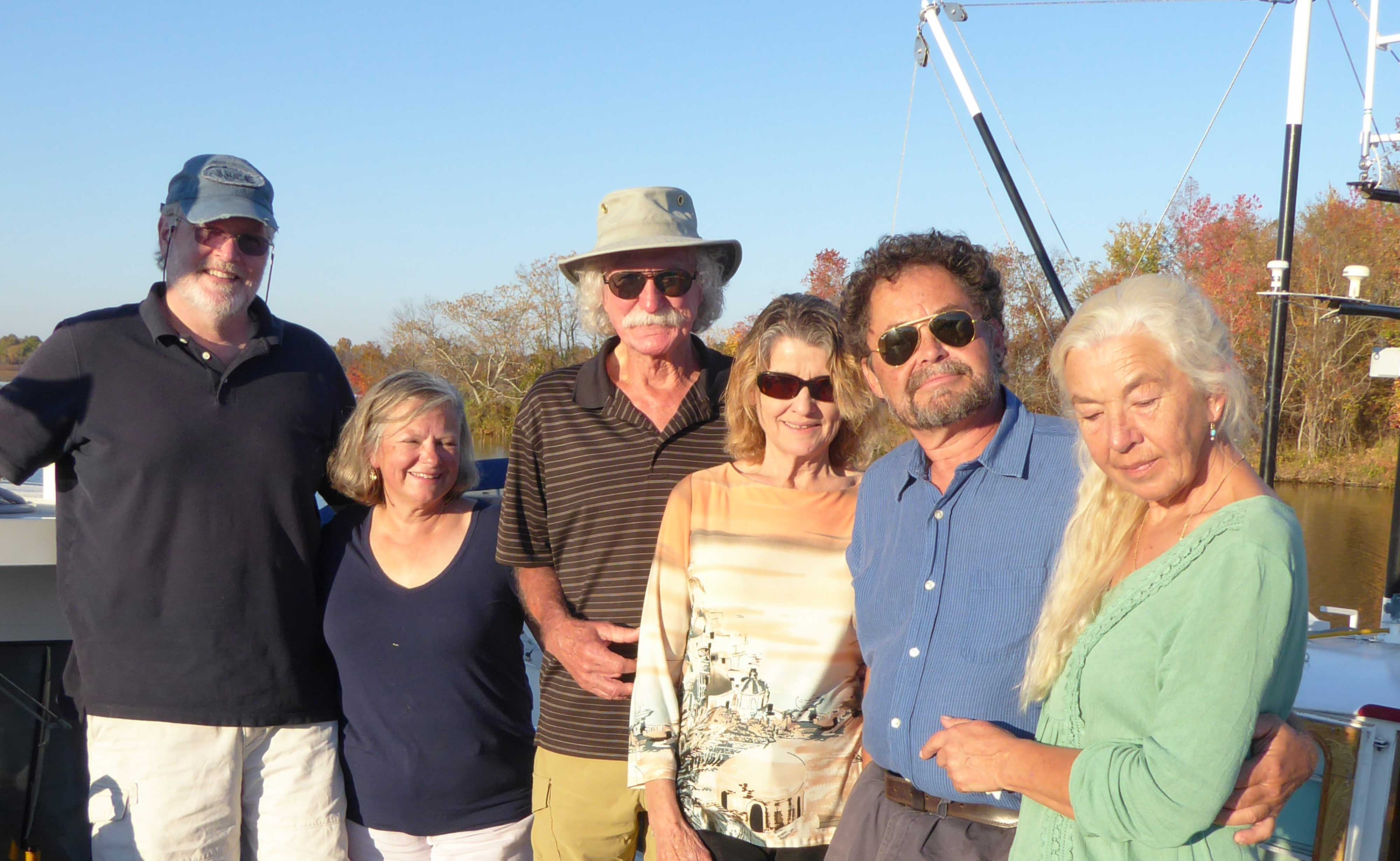

 At the end of the day, Avocent, Aurora B, and Andiamo all pulled into the Columbus Marina at Columbus, MS. There are several looper boats spending time here while their owners have left for the Holiday Weekend. Only Dream Fever was here with her owners, Andy and Cathy, aboard.